How To Treatment For Dark Circles Caused By Allergies | Effective Relief and Care Tips
Dark circles under the eyes are a common concern, but when they are caused by allergies, the problem is often deeper than simple tiredness.
Allergic reactions can lead to inflammation, blood vessel dilation, frequent rubbing of the eyes, and nasal congestion—all of which contribute to the appearance of dark, tired-looking under-eyes.
The good news is that allergy-related dark circles can improve significantly when you treat both the allergies and the skin under your eyes.
In this guide, we’ll explore Treatment For Dark Circles Caused By Allergies, how to identify them, and the most effective treatments—both medical and natural—to reduce them safely and effectively.
What Are Allergy-Related Dark Circles?
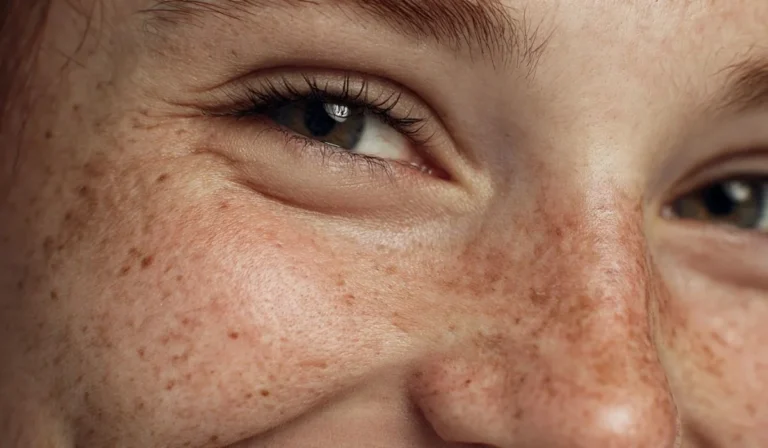
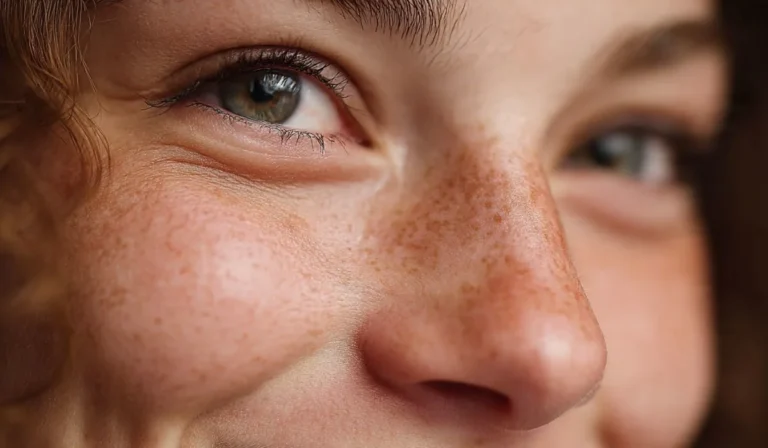
Allergy-related dark circles are also known as “allergic shiners.” They appear as dark, sometimes bluish or purplish discoloration under the eyes. Unlike normal dark circles caused by lack of sleep, these are linked to inflammation and nasal congestion.
They are often associated with conditions like:
- Seasonal allergies
- Dust allergies
- Pet allergies
- Pollen sensitivity
- Chronic sinus issues
These conditions are commonly seen in people of all ages, including teenagers and adults.
Why Allergies Cause Dark Circles:
Understanding the root cause is essential for effective treatment.
1. Nasal Congestion and Poor Blood Drainage
When you have allergies, your nasal passages become inflamed and congested. This affects the veins around your eyes, causing blood to pool under the skin.
The result:
- Dark bluish under-eye circles
- Puffy eyes
- Tired appearance
2. Constant Eye Rubbing
Allergies often cause:
- Itching
- Irritation
- Watery eyes
People tend to rub their eyes frequently, which:
- Damages delicate under-eye skin
- Increases pigmentation
- Makes blood vessels more visible
3. Inflammation
Allergic reactions release histamines, which cause swelling and inflammation. This makes the skin under the eyes appear darker and more shadowed.
4. Thin Under-Eye Skin
The skin under your eyes is naturally very thin. When blood vessels expand due to allergies, they become more visible, creating a dark appearance.
How to Identify Allergy Dark Circles:
You may have allergy-related dark circles if you notice:
- Dark circles worsen during allergy seasons
- Frequent sneezing or nasal congestion
- Itchy eyes or nose
- Puffy eyes in the morning
- Family history of allergies
Unlike sleep-related dark circles, these do not improve much with rest alone.
Medical Treatment Options:
Treating the underlying allergy is the most important step.
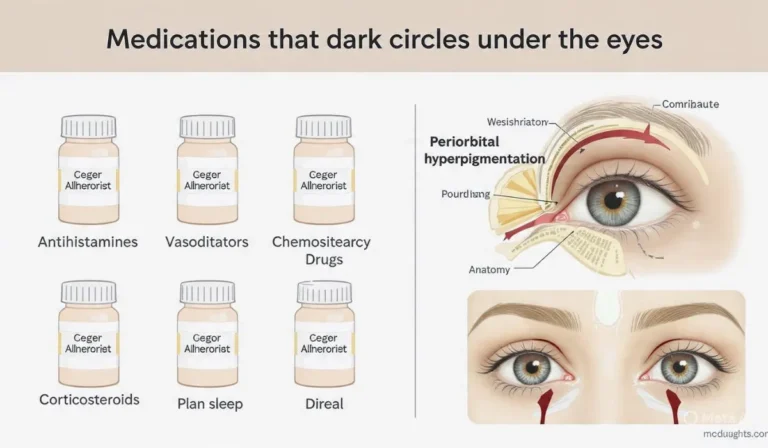
1. Antihistamines
Antihistamines reduce allergic reactions by blocking histamine release.
Common options include:
- Cetirizine
- Loratadine
- Fexofenadine
These help reduce:
- Itching
- Nasal congestion
- Eye irritation
2. Nasal Sprays
Steroid nasal sprays reduce inflammation in the nasal passages.
This improves:
- Breathing
- Sinus drainage
- Blood circulation around the eyes
3. Allergy Eye Drops
These drops help reduce:
- Eye itching
- Redness
- Watering
4. Treating Sinus Issues
Chronic sinus problems often worsen dark circles. Proper sinus treatment helps reduce pressure around the eyes.
Lifestyle Changes to Reduce Allergy Dark Circles:
1. Avoid Allergy Triggers
Common triggers include:
- Dust
- Pollen
- Pet dander
- Mold
Keeping your environment clean is essential.
More Tips: Eye Wrinkles When Smiling At 20 | Causes, Prevention, and Simple Fixes
2. Keep Your Room Clean
- Wash bedsheets weekly
- Use dust-proof pillow covers
- Vacuum regularly
- Avoid heavy curtains that collect dust
3. Use Air Purifiers
Air purifiers help remove allergens from indoor air, reducing symptoms significantly.
4. Stay Hydrated
Water helps flush out toxins and keeps skin healthy.
5. Improve Sleep Quality
Although allergies are the root cause, poor sleep can worsen dark circles.
Aim for:
- 7–9 hours of sleep
- Elevated head position to reduce congestion
Home Remedies for Allergy Dark Circles:
These remedies help reduce appearance while treating the root cause.
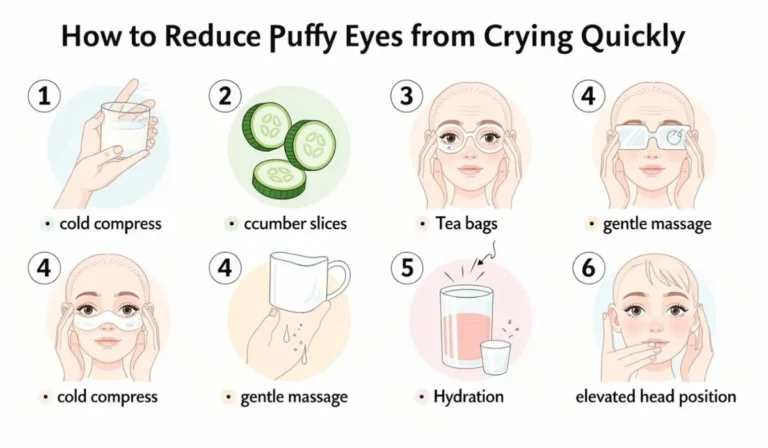
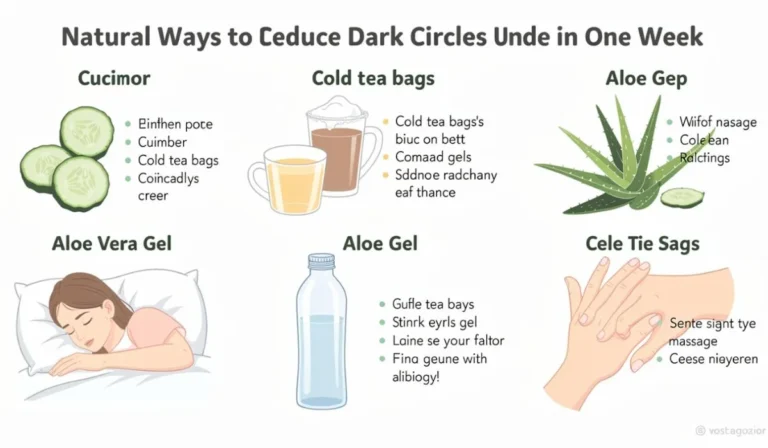
1. Cold Compress
Cold compresses shrink blood vessels and reduce puffiness.
How to use:
- Wrap ice in a cloth
- Apply for 5–10 minutes
- Repeat daily
2. Cucumber Slices
Cucumber has cooling and anti-inflammatory properties.
Benefits:
- Reduces puffiness
- Soothes irritation
- Lightens appearance temporarily
3. Tea Bags (Green or Black Tea)
Tea contains caffeine and antioxidants.
How to use:
- Soak tea bags in warm water
- Cool them in the fridge
- Place on eyes for 10–15 minutes
4. Aloe Vera Gel
Aloe vera helps calm skin irritation and hydrate under-eye skin.
5. Rose Water
Rose water soothes sensitive skin and reduces redness.
Skincare Treatments for Dark Circles:
1. Vitamin C Serum
Vitamin C helps brighten skin and reduce pigmentation.
2. Retinol Cream (Low Strength)
Retinol improves skin thickness over time, making blood vessels less visible.
3. Hyaluronic Acid
Hydrates under-eye skin and reduces dryness-related darkness.
4. Sunscreen
Yes—even under-eye area needs SPF protection. Sun exposure can worsen pigmentation.
How Long Does It Take to Improve?
Results depend on severity:
- Mild allergy dark circles: 1–2 weeks
- Moderate cases: 3–6 weeks
- Chronic allergies: ongoing management needed
Consistency is key.
When to See a Doctor:
Seek medical help if:
- Dark circles worsen suddenly
- You have chronic sinus problems
- Over-the-counter treatments don’t help
- Severe eye irritation or swelling occurs
Prevention Tips:
- Control allergies early
- Avoid rubbing eyes
- Keep indoor air clean
- Use antihistamines during allergy season
- Maintain skincare routine
Final Thoughts:
Allergy-related dark circles are not just a cosmetic issue—they are a sign of underlying inflammation and congestion. Unlike regular dark circles caused by fatigue, these require a combined approach: treating allergies, reducing inflammation, and caring for the delicate under-eye skin.
With proper allergy management, lifestyle adjustments, and gentle skincare, you can significantly reduce dark circles and restore a brighter, healthier appearance.
The key is consistency and addressing the root cause rather than only the surface symptoms.