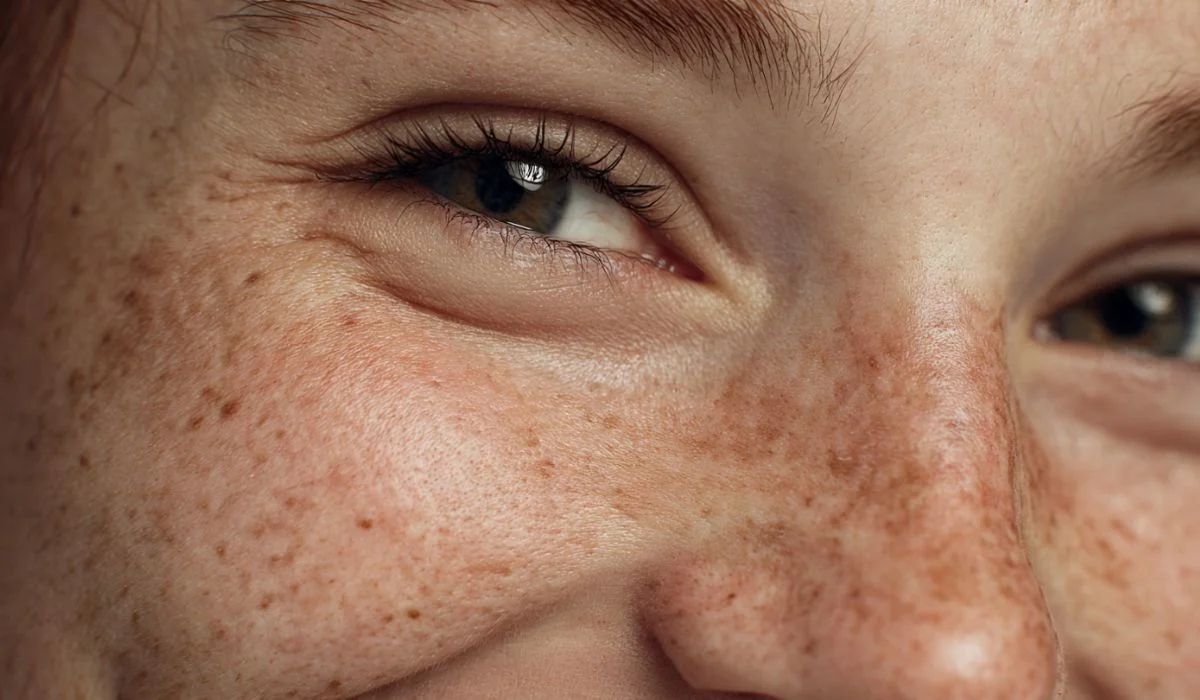
Why Bunching Of Skin Under Eyes When Smiling | Causes and Simple Fixes
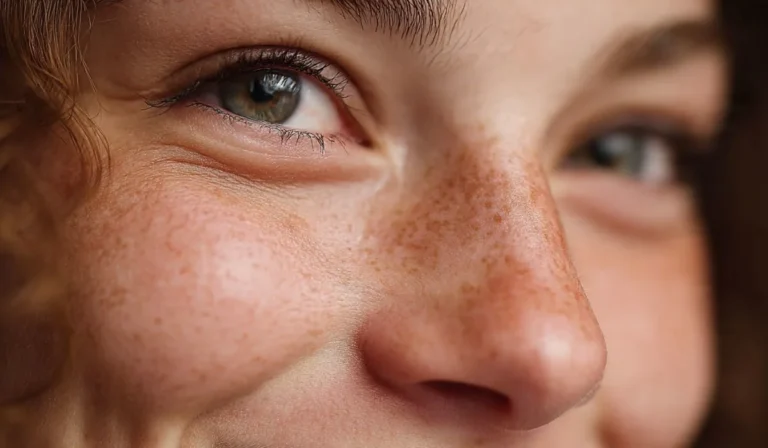
Noticing “bunching” or folding of skin under the eyes when you smile is very common. Many people first see it in their late teens, twenties, or early thirties and worry it is a sign of aging or skin damage. In reality, this is usually a normal combination of facial anatomy, skin elasticity, and natural expression movement.
However, in some cases, it can become more noticeable due to dehydration, collagen loss, fatigue, or under-eye puffiness.
In this detailed guide, we’ll break down why Bunching Of Skin Under Eyes When Smiling, whether it is normal, what causes it to worsen, and how you can reduce its appearance naturally and cosmetically.
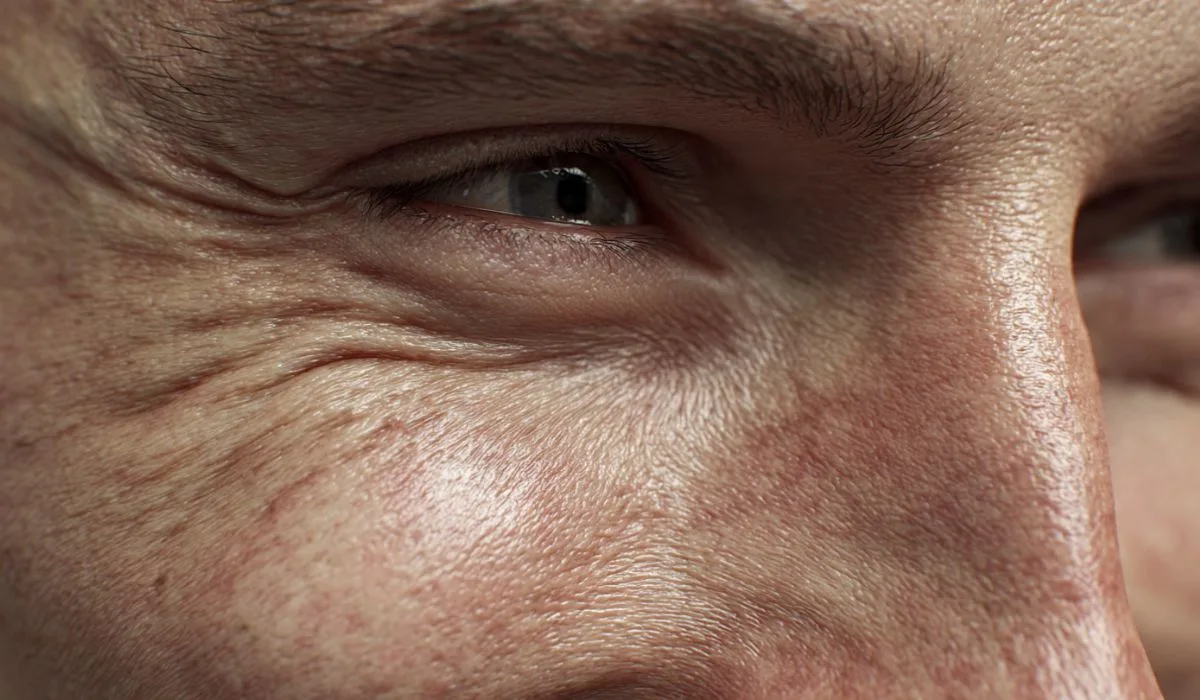
What Does “Bunching Under Eyes When Smiling” Mean?
Bunching under the eyes refers to:
- Small folds or wrinkles appearing beneath the lower eyelids when smiling
- Skin folding or creasing in the under-eye area
- Slight puffiness or bulging that becomes visible during expression
It usually appears when the orbicularis oculi muscle contracts during smiling.
This muscle is responsible for:
- Closing the eyes
- Creating smile lines around the eyes (crow’s feet area)
- Supporting facial expression movement
So in most cases, this is not a defect—it is a normal facial movement pattern.
Is It Normal to Have Under-Eye Bunching When Smiling?
Yes, it is completely normal.
Almost everyone experiences some level of under-eye folding when they smile. The severity varies depending on:
- Skin thickness
- Age
- Genetics
- Fat distribution
- Hydration level
- Muscle activity
Even celebrities and models show this in real expressions—especially in natural lighting.
Main Causes of Under-Eye Skin Bunching:
Let’s explore the most common reasons.
1. Natural Facial Anatomy
Your face is designed to move. When you smile:
- Cheek muscles lift upward
- Skin around eyes is pushed upward
- Under-eye skin compresses slightly
This creates temporary folds.
Some people naturally have:
- Thicker cheek muscles → more bunching
- Softer under-eye support → visible folding
This is purely structural and genetic.
2. Thin Under-Eye Skin
The skin under your eyes is among the thinnest on your body.
Because of this:
- Muscle movement is more visible
- Small folds appear easily
- Blood vessels may also show through
Thin skin is more common in people with fair or delicate skin types.
3. Loss of Collagen and Elasticity
Collagen is what keeps skin firm and smooth.
When collagen decreases:
- Skin becomes less tight
- Wrinkles form more easily during expressions
- Under-eye folding becomes more visible
This process naturally increases with age, but can also happen earlier due to:
- Sun exposure
- Poor skincare
- Smoking
- Stress
4. Under-Eye Fat Pad Movement
Under the eyes, there are small fat pads that help support the skin.
When you smile:
- These fat pads shift slightly
- Skin above them folds or bunches
If fat distribution is uneven, the effect becomes more noticeable.
5. Dehydrated Skin
Dry skin loses flexibility.
This causes:
- More visible fine lines
- Increased folding during expressions
- Dull appearance under eyes
Dehydration is one of the easiest causes to fix.
6. Under-Eye Puffiness
Fluid retention can make skin appear heavier.
Common causes:
- Lack of sleep
- Salt intake
- Allergies
- Sinus issues
Puffy skin folds more easily when smiling.
7. Aging Process
As we age:
- Collagen production slows down
- Skin becomes thinner
- Elasticity decreases
- Fat distribution changes
This makes under-eye bunching more visible over time.
8. Genetics
Some people are simply genetically predisposed to:
- Strong smile lines
- Under-eye folds
- Visible expression creases
If your parents have it, you may too.
Read Next: How To Treatment For Dark Circles
How to Tell If It’s Normal or a Concern:
Normal:
- Appears only when smiling
- Disappears when face is relaxed
- No pain or irritation
- Mild to moderate folding
Concerning:
- Visible even when not smiling
- Sudden worsening
- Associated with swelling or discoloration
- Uneven or sagging appearance
If it falls into the second category, a dermatologist evaluation may help.
How to Reduce Under-Eye Bunching Naturally:
While you cannot completely stop facial movement, you can improve skin quality and reduce severity.
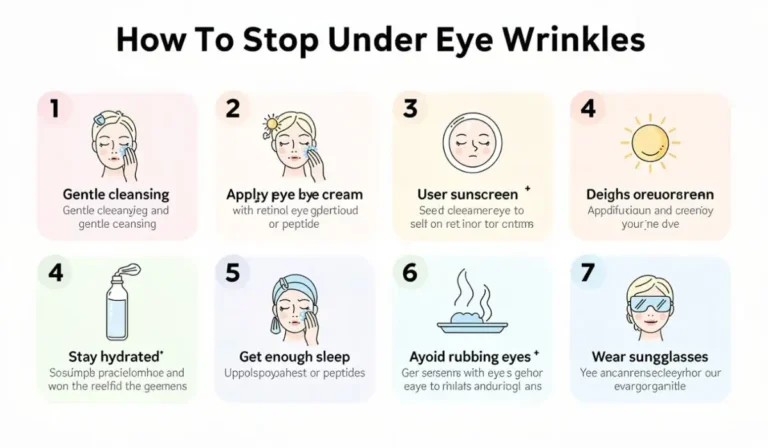
1. Keep the Under-Eye Area Hydrated
Hydration improves skin elasticity.
Use:
- Hyaluronic acid creams
- Lightweight moisturizers
- Eye gels
Well-hydrated skin folds less visibly.
2. Use Sunscreen Daily
UV rays break down collagen, making wrinkles worse.
Apply SPF around the eyes carefully to protect delicate skin.
3. Improve Sleep Quality
Poor sleep increases:
- Puffiness
- Fluid retention
- Skin dullness
Aim for 7–9 hours of quality sleep.
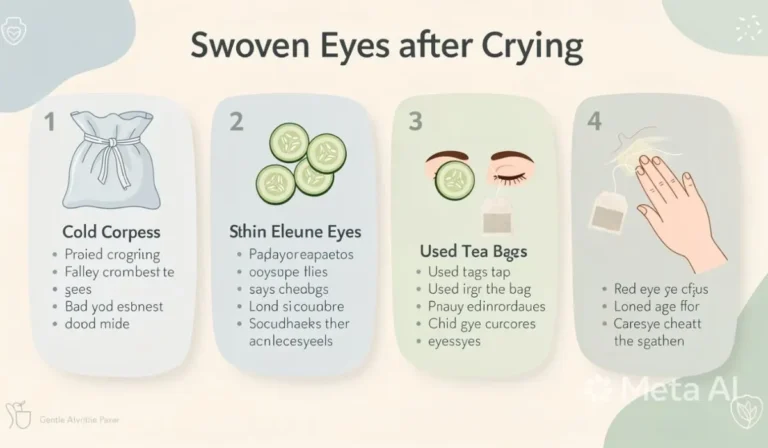
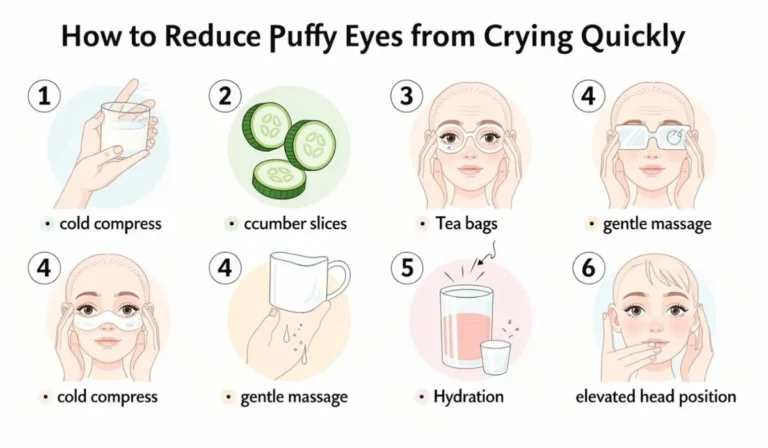
4. Cold Compress for Puffiness
Cold temperatures help reduce swelling and tighten skin temporarily.
This makes under-eye bunching less visible.
5. Gentle Massage
Light under-eye massage improves:
- Blood circulation
- Lymphatic drainage
- Puffiness reduction
Always use soft pressure.
6. Healthy Diet
Support skin health with:
- Vitamin C (boosts collagen)
- Vitamin E (protects skin)
- Omega-3 fatty acids (improves elasticity)
7. Avoid Eye Rubbing
Rubbing damages delicate skin and worsens wrinkles over time.
Skincare Ingredients That Help:
1. Retinol (low strength)
- Boosts collagen production
- Smooths fine lines over time
2. Vitamin C
- Brightens skin
- Supports collagen formation
3. Peptides
- Strengthen skin structure
- Improve elasticity
4. Hyaluronic Acid
- Hydrates deeply
- Plumps under-eye skin
Cosmetic Treatments (If Needed):
If under-eye bunching becomes more noticeable, some medical options include:
- Dermal fillers (restore volume)
- Laser therapy (improves collagen)
- Microneedling (skin tightening)
These should only be done by professionals.
Can Facial Exercises Help?
Some people try facial yoga or exercises, but results are limited.
They may help:
- Improve circulation
- Reduce puffiness
But they cannot change bone structure or fully stop skin folding.
Prevention Tips:
To slow down under-eye bunching:
- Start skincare early
- Use sunscreen daily
- Stay hydrated
- Avoid smoking
- Manage allergies
- Reduce screen strain
Final Thoughts:
Bunching of skin under the eyes when smiling is usually a normal facial feature, not a flaw. It happens because of natural muscle movement, thin skin, and how your facial structure is designed.
However, its appearance can become more noticeable due to dryness, aging, lack of sleep, or reduced collagen.
With proper skincare—hydration, sun protection, and healthy habits—you can significantly reduce its visibility and maintain smoother, healthier-looking under-eye skin.
The goal is not to eliminate facial expressions, but to support your skin so it moves smoothly and stays firm over time.