
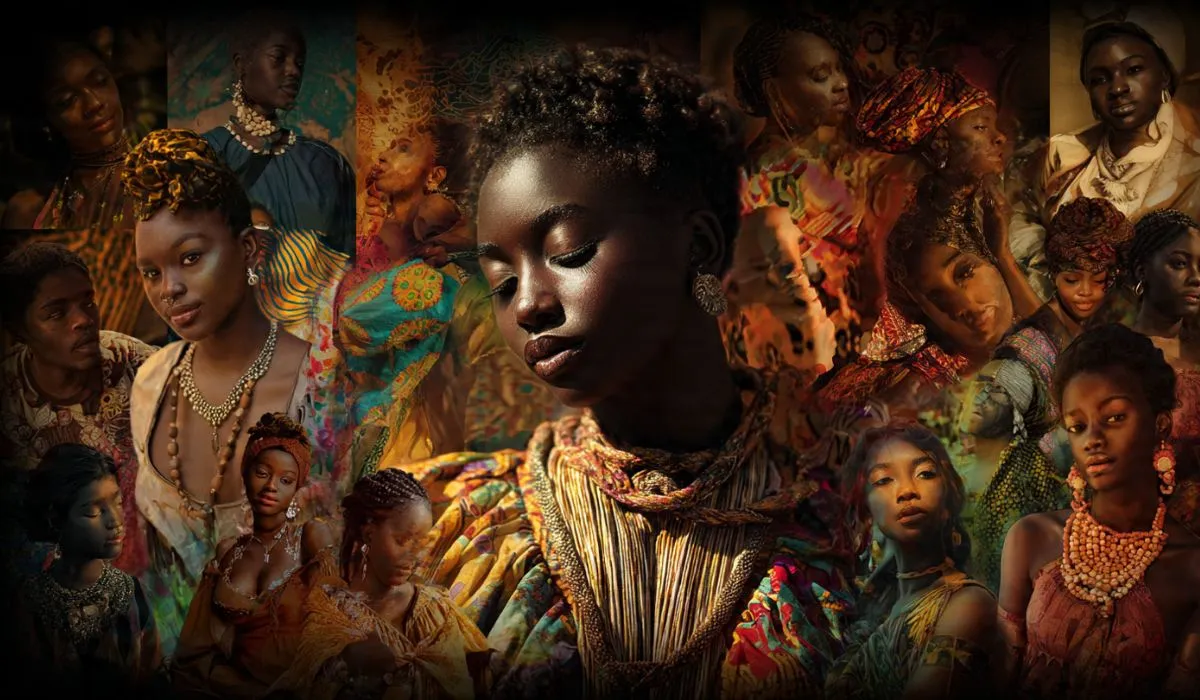
Countries That Love Dark Skin | A Global Guide to Beauty, Culture, and Representation
Many people around the world search for places where they feel truly seen and appreciated for their natural skin tone. The question “which countries love dark skin?” often comes from curiosity, travel plans, modeling dreams, or simply the desire to understand global beauty standards.
The truth is more nuanced than a simple list. No country is perfect, and attitudes toward skin tone vary widely within every society. However, many countries and cultures are known for strong representation, inclusivity in media, diverse beauty standards, and growing appreciation of darker skin tones in fashion, entertainment, and everyday life.
This guide will help you understand where diversity is celebrated, how beauty standards differ globally, and what real-world experiences show about inclusivity today.
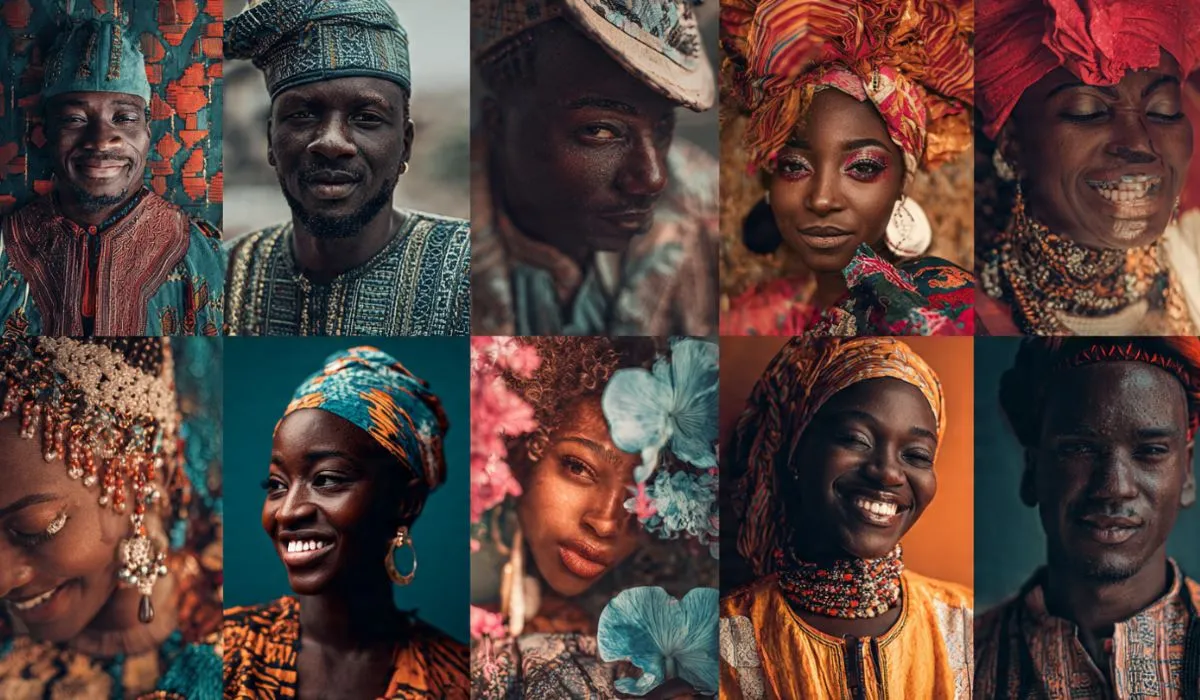
Understanding Beauty Standards and Skin Tone Appreciation:
Beauty standards are not fixed. They are shaped by history, media, culture, and globalization. In some places, lighter skin has historically been favored, while in others, deeper skin tones are widely represented and admired.
Today, global media, social platforms, and fashion industries are slowly shifting toward more inclusive representation. This means more visibility for models, actors, and influencers with darker skin tones across international platforms.
However, it is important to understand:
- Appreciation is not the same everywhere within a country
- Urban areas tend to be more diverse than rural areas
- Media representation does not always reflect daily life
- Beauty ideals are evolving constantly
Countries Known for Strong Diversity and Representation:
Instead of saying a country “loves” a skin tone, it is more accurate to highlight countries where dark skin representation and cultural acceptance are strong in media, fashion, and public life.
United States: A Global Leader in Representation
The United States is one of the most diverse countries in the world, with significant representation of Black and brown communities in media, sports, business, and entertainment.
In recent years, Hollywood, fashion brands, and social media influencers have played a major role in increasing visibility for darker skin tones.
Key highlights:
- Strong representation in entertainment and music industries
- Growing diversity in fashion campaigns
- Influence of African-American culture on global beauty trends
- Expanding skincare and beauty brands catering to all skin tones
However, like any country, challenges still exist. Representation is improving, but not equal across all industries.
United Kingdom: Multicultural Fashion and Media Scene
The UK is known for its multicultural cities like London, Birmingham, and Manchester, where diversity is part of everyday life.
Why it stands out:
- Strong presence of Black British culture in music and fashion
- High representation in advertising campaigns
- Fashion industry increasingly inclusive of darker skin tones
- Popularity of diverse beauty influencers and models
London Fashion Week, for example, has become more inclusive over the years, showcasing models of different ethnic backgrounds.
France: Evolving Fashion Capital
France, especially Paris, is one of the world’s fashion capitals. Historically, the industry lacked diversity, but this has changed significantly in the last decade.
Positive changes include:
- Increasing diversity in runway modeling
- Global campaigns featuring Black models
- Growing awareness of inclusivity in beauty standards
- Strong influence of African and Caribbean diaspora in French culture
While progress continues, France is actively working toward more balanced representation in fashion and advertising.
Brazil: One of the Most Ethnically Diverse Countries
Brazil is often considered one of the most racially diverse countries in the world, with a rich mix of Indigenous, African, and European heritage.
What makes Brazil unique:
- Large mixed-heritage population
- Strong Afro-Brazilian cultural influence
- Representation in sports, music, and carnival culture
- Beauty standards that vary widely across regions
In cities like Rio de Janeiro and Salvador, diverse skin tones are commonly represented in media and festivals.
Read More: Coconut Oil or Olive Oil Which Is Best For Skin
South Africa: Strong Cultural Identity and Representation
South Africa has a majority Black population and a strong cultural identity rooted in African heritage.
Key features:
- High visibility of dark-skinned individuals in media and leadership
- Strong representation in modeling and entertainment
- Natural beauty celebrated in cultural festivals
- Growing local beauty and skincare industries
South Africa is often highlighted for its authentic representation of African beauty in both local and global media.
Nigeria: Influence of African Beauty and Fashion
Nigeria is one of Africa’s largest fashion and entertainment hubs.
Why Nigeria stands out:
- Nollywood (film industry) promotes diverse beauty
- Strong fashion industry with global influence
- Beauty standards that celebrate natural features
- Increasing international recognition of Nigerian models and artists
Nigerian culture strongly emphasizes confidence, style, and self-expression.
Caribbean Countries: Confidence, Culture, and Identity
Countries like Jamaica, Trinidad and Tobago, and Barbados are known for vibrant cultures and strong representation of Afro-descendant populations.
Cultural strengths:
- Music and dance culture influence global trends
- Strong sense of identity and self-expression
- Representation in global sports and entertainment
- Beauty ideals rooted in natural confidence and style
Caribbean culture has significantly influenced global fashion, music, and beauty industries.
India and South Asia: A Changing Beauty Landscape
India has historically faced colorism, but change is happening through media, advertising, and social awareness.
Positive developments:
- More inclusive fashion campaigns
- Growing representation in Bollywood
- Increasing awareness about diversity in beauty standards
- Social media promoting natural skin tones
The shift is gradual but important in redefining beauty norms.
UAE and Middle Eastern Diversity
The United Arab Emirates, especially Dubai, is extremely multicultural due to its expatriate population.
Key points:
- Diverse population from Africa, Asia, and Europe
- International fashion and beauty industries present
- Strong exposure to global beauty standards
- Inclusive commercial advertising environment
While traditional beauty norms exist, modern urban areas are highly diverse.
How to Identify Truly Inclusive Environments
If you are exploring travel, modeling, or relocation, here are practical steps to evaluate inclusivity:
Step-by-step guide:
- Research local media and advertisements
- Observe fashion campaigns and magazines
- Check representation in entertainment industries
- Explore social media influencers from that country
- Look at diversity in public events and culture
These steps give a realistic view of inclusivity.
Common Myths About Skin Tone and Countries
Myth 1: One country is fully inclusive
No country is completely free from bias. Diversity exists in degrees.
Myth 2: Representation equals acceptance
Media visibility does not always reflect daily social attitudes.
Myth 3: Beauty standards are the same everywhere
Beauty ideals vary widely even within the same country.
Global Shift Toward Inclusivity:
Across the world, there is a growing movement toward:
- Representation in fashion and advertising
- Inclusive skincare and makeup brands
- Social media empowerment
- Cultural pride in natural skin tones
Brands and industries are increasingly recognizing the importance of diversity.
Practical Advice for Confidence and Self-Image:
No matter where you are, confidence is key.
- Choose skincare that suits your skin type, not trends
- Follow creators who represent diverse beauty
- Avoid comparison with filtered media images
- Focus on healthy skin rather than “lighter or darker” ideals
- Build self-confidence through style and self-care
Real beauty comes from health, confidence, and authenticity.
FAQs About Countries and Dark Skin Representation:
Are there countries where dark skin is more accepted?
Yes, many countries with diverse populations such as the USA, Brazil, and South Africa show strong representation in media and culture.
Does beauty acceptance depend on the country?
Partially, but it also depends on regions, cities, and individual communities within that country.
Is global fashion becoming more inclusive?
Yes, fashion brands worldwide are increasingly using models of different skin tones and backgrounds.
Can skin tone affect opportunities abroad?
In some industries, bias still exists, but awareness and inclusion are improving globally.
Which regions have the most diversity?
Urban areas in the USA, UK, Brazil, and parts of Africa are among the most diverse.
Is representation the same as equality?
No. Representation is visibility, while equality is fair treatment and opportunity.
What is the future of global beauty standards?
The trend is moving toward inclusivity, diversity, and acceptance of all skin tones.
A More Inclusive World Is Emerging:
Instead of focusing on which countries “love” dark skin, it is more accurate and empowering to understand where diversity is visible, growing, and celebrated in media, fashion, and culture.
From the United States and UK to Brazil, South Africa, and the Caribbean, many societies are moving toward broader representation and acceptance. While challenges still exist, global beauty standards are slowly shifting toward inclusivity.
Ultimately, confidence and self-acceptance matter more than geography. Beauty is not defined by a country — it is defined by identity, culture, and individuality.