Medications That Cause Dark Circles Under Eyes | Causes, Science, and What You Can Do
If you’ve recently started a new medication and noticed darker, tired-looking eyes in the mirror, you are not alone. Many people assume dark circles only come from lack of sleep or stress, but in reality, certain medications can change blood flow, fluid balance, pigmentation, or skin thickness, all of which can make under-eye darkness more visible.
This doesn’t mean you should stop any medicine on your own. Instead, understanding the connection helps you manage side effects properly and take steps to reduce their appearance safely.
This guide explains the most common medications linked to dark circles, how they work in the body, and practical ways to improve your under-eye area.
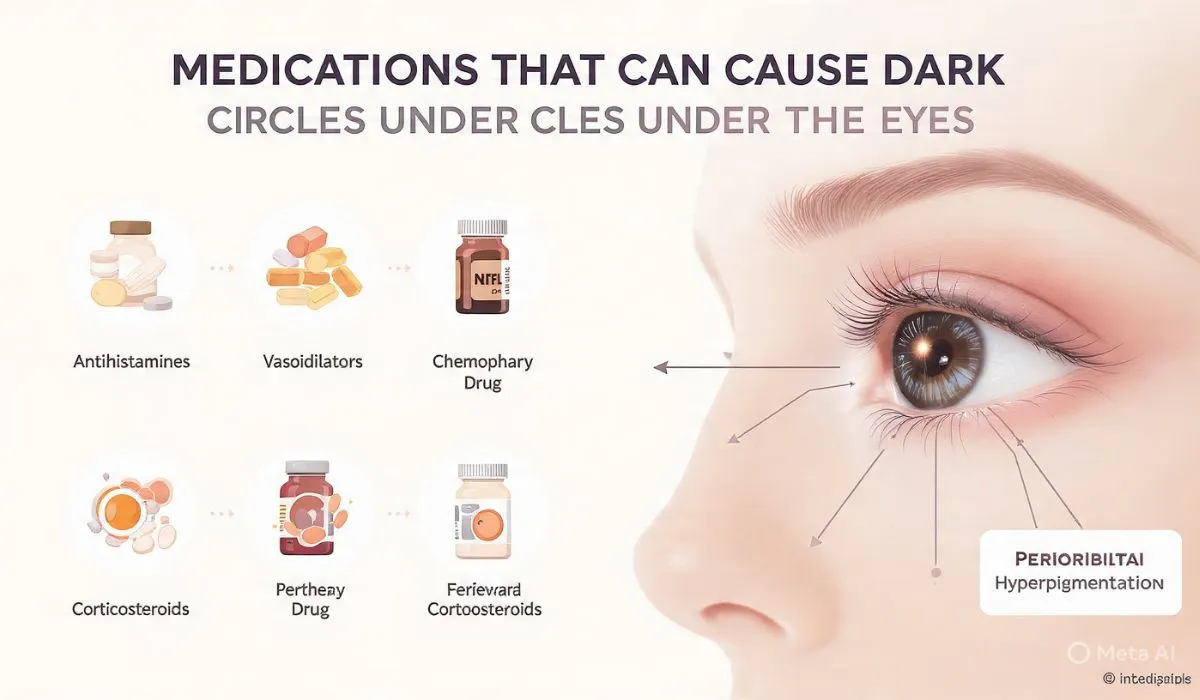
How Medications Cause Dark Circles:
Dark circles are not always pigmentation. They can be caused by different biological changes.
Thin skin and visible blood vessels
Some medications make skin thinner or reduce collagen, making veins more visible under the eyes.
Fluid retention or dehydration
Certain drugs affect kidney function or hormone balance, leading to puffiness or dehydration.
Pigmentation changes
Some medications increase melanin production or trigger skin sensitivity.
Fat loss around the eyes
Long-term use of certain medications may reduce fat under the eyes, creating a hollow, shadowed appearance.
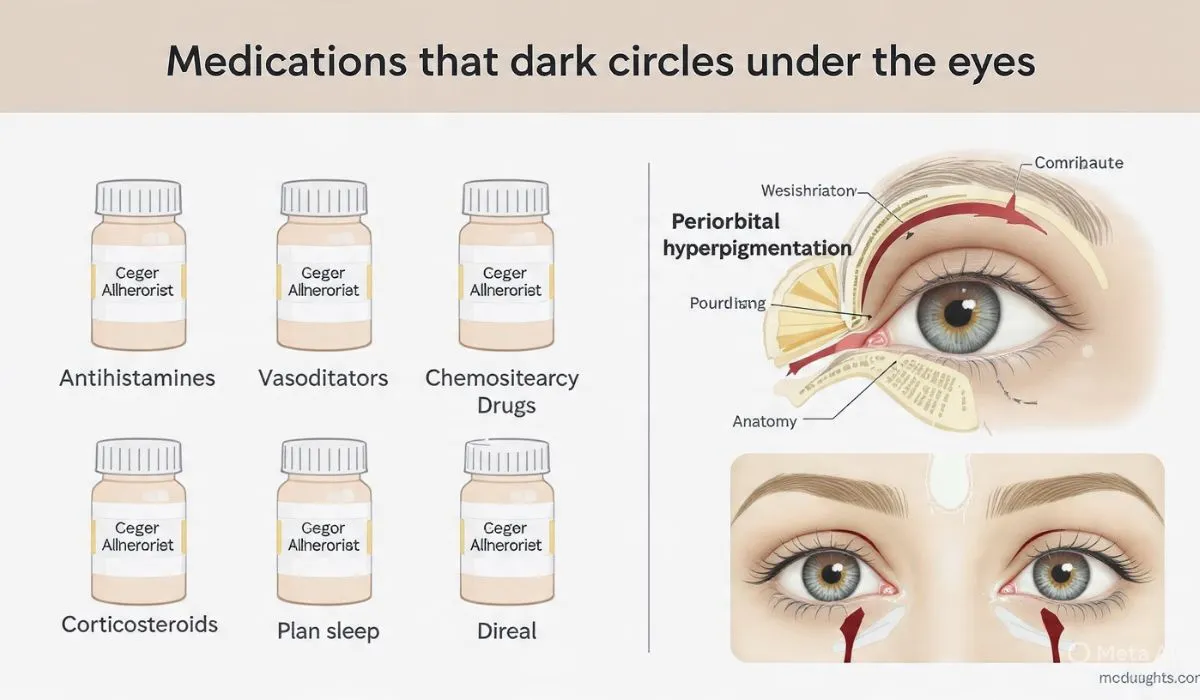
Common Medications That Can Cause Dark Circles Under Eyes:
Antihistamines (for allergies)
These are commonly used for hay fever, sinus issues, and allergies.
How they contribute to dark circles
Antihistamines can cause:
- Dry skin around the eyes
- Mild dehydration
- Reduced blood flow
- Dull, tired appearance
When the skin becomes dry and thin, under-eye shadows become more visible.
Blood pressure medications
Some blood pressure drugs affect circulation and fluid balance.
Why they matter
They may:
- Reduce blood flow to facial tissues
- Cause mild fluid retention
- Affect skin oxygenation
This can result in a bluish or shadowed under-eye appearance.
Antidepressants and anxiety medications
These medications influence neurotransmitters and sleep patterns.
Possible side effects
- Disturbed sleep quality
- Increased fatigue
- Changes in skin hydration
- Mild swelling in facial tissues
Poor sleep quality is one of the strongest indirect causes of dark circles.
Corticosteroids (oral or long-term use)
Used for inflammation, asthma, or autoimmune conditions.
Skin-related effects
- Thinning of skin over time
- Loss of collagen
- Visible veins under eyes
- Changes in fat distribution
This can make the under-eye area look hollow or darker.
Acne medications (retinoids and isotretinoin)
Commonly prescribed for severe acne.
Why they cause dryness
These medications reduce oil production significantly, leading to:
- Dry under-eye skin
- Increased sensitivity
- Visible fine lines
- Darker appearance due to dehydration
Diuretics (water pills)
Used for high blood pressure or fluid retention.
Their impact on under-eyes
- Increased dehydration
- Reduced skin plumpness
- Sunken appearance
- More visible shadows
Chemotherapy drugs
These affect rapidly dividing cells in the body.
Effects on skin and eyes
- Loss of fat and collagen
- Increased pigmentation changes
- Fatigue-related dullness
- Pale or hollow under-eyes
How to Tell If Medication Is Causing Your Dark Circles:
You may notice:
- Dark circles appeared after starting a new drug
- Skin feels drier than before
- Eyes look hollow or sunken
- Puffiness or swelling in the morning
- Fatigue or sleep changes
If symptoms align with medication changes, there is likely a connection.
Step-by-Step Approach to Manage Medication-Related Dark Circles:
Step 1: Do not stop medication abruptly
Never stop prescribed medicine without medical advice.
Step 2: Identify timing correlation
Check if dark circles started after:
- New medication
- Dose increase
- Long-term use
Step 3: Support skin hydration
Use gentle moisturizers with:
- Hyaluronic acid
- Ceramides
- Aloe vera
Step 4: Improve sleep quality
Even if medication affects sleep, try:
- Fixed sleep schedule
- Reduced screen time at night
- Relaxation techniques
Step 5: Consult your doctor
Ask if:
- Dosage adjustment is possible
- Alternative medication exists
- Side effects are expected
Real-Life Example (Practical Understanding):
Many people taking antihistamines during allergy season report looking “tired” even after good sleep. In most cases, this is not actual fatigue but dry under-eye skin and slight dehydration, which makes shadows more visible.
Similarly, acne patients using isotretinoin often notice their under-eyes becoming darker due to extreme dryness — not pigmentation increase.
These examples show that the issue is often skin condition, not permanent damage.
Read next: Can You Get Dark Circles From Sleeping
How to Reduce Dark Circles Safely While on Medication:
Hydration strategy
- Drink enough water daily
- Use hydrating eye creams
- Avoid excessive caffeine
Skincare support
- Gentle cleanser only
- No harsh scrubs under eyes
- Use sunscreen daily
Lifestyle improvements
- Balanced sleep routine
- Reduce stress levels
- Light facial massage for circulation
Natural Remedies That Can Help:
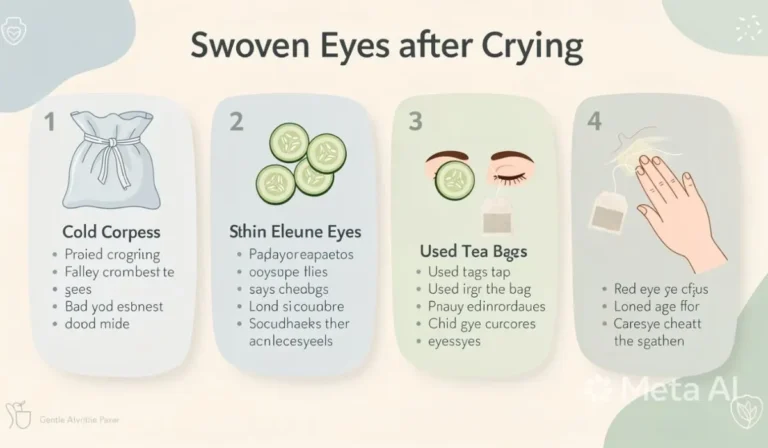
Cold compress
Reduces puffiness and improves circulation.
Cucumber slices
Hydrates and soothes under-eye skin.
Green tea bags
Contain antioxidants that reduce inflammation.
Almond oil (light use)
Helps improve skin softness and hydration.
When to Seek Medical Advice:
Consult a healthcare professional if:
- Dark circles appear suddenly after medication
- You experience swelling or pain
- Skin becomes extremely thin or fragile
- Vision changes occur
- Symptoms worsen over time
Preventing Dark Circles While on Medication:
Maintain skin barrier health
Use moisturizers with ceramides and hyaluronic acid.
Avoid dehydration
Medication-related dryness is common, so hydration is essential.
Protect from sun exposure
UV rays worsen pigmentation and thin skin effects.
Improve circulation
Light exercise helps improve blood flow and skin oxygenation.
FAQs: Medications That Cause Dark Circles Under Eyes
Which medications most commonly cause dark circles?
Antihistamines, corticosteroids, diuretics, acne medications, and some antidepressants are commonly linked.
Are medication-related dark circles permanent?
No, in most cases they improve after adjusting medication or supporting skin health.
Can allergy medicine really make eyes darker?
Yes, antihistamines can cause dryness and dullness around the eyes.
Why do steroids affect under-eye appearance?
They thin the skin and reduce collagen, making veins more visible.
Do dark circles mean a serious side effect?
Usually no, but sudden or severe changes should be checked by a doctor.
Can skincare fix medication-related dark circles?
Yes, hydration and barrier repair products can significantly improve appearance.
Should I stop my medication if I get dark circles?
No. Always consult a doctor before making any changes.
Last Call:
Medications can influence your under-eye area in several ways — through hydration changes, circulation effects, collagen loss, or pigmentation shifts.
But in most cases, these dark circles are temporary and manageable, not permanent damage.