10 Minutes in Sun Without Sunscreen | Safety & Protection
Spending just 10 minutes in the sun without sunscreen can deliver essential vitamin D and boost your mood—but it also increases your risk of sunburn, premature aging, and long-term skin damage.
While short bursts of unprotected sun exposure may be beneficial in moderation, always prioritize safety and protection to maintain healthy skin.
10 Minutes in Sun Without Sunscreen:
- Vitamin D Boost: Just 10 minutes of midday sun on arms, legs, or face can help your body produce enough vitamin D for many people, especially during winter months.
- Skin Damage Risk: Even brief sun exposure without sunscreen increases UV radiation absorption, raising the chance of sunburn and contributing to photoaging over time.
- Melanin Protection: People with darker skin tones have more melanin, offering natural protection, but they’re not immune to UV damage—especially from UVA rays.
- Time Matters: The best time for unprotected sun exposure is between 10 a.m. and 3 p.m., when UVB rays are strongest and most efficient at producing vitamin D.
- Sunscreen Still Needed: After initial vitamin D synthesis (about 10–30 minutes), apply broad-spectrum SPF 30+ sunscreen to prevent long-term skin damage.
- Individual Variability: Skin type, geography, season, and altitude affect how quickly you burn or produce vitamin D—so tailor your sun habits accordingly.
- Balance Is Key: Use sun exposure strategically: enjoy short, intentional sessions without sunscreen, then protect your skin with clothing, hats, and sunscreen.
📑 Table of Contents
Is 10 Minutes in the Sun Without Sunscreen Safe?
Many of us have heard that getting some sun is good for us—especially when it comes to vitamin D. But what happens if you spend just 10 minutes in the sun without sunscreen? Is it safe? Can you get too much sun in such a short time? These are important questions, especially as we navigate summer days, beach trips, and daily walks under the open sky.
In this article, we’ll explore the science behind short, unprotected sun exposure, the benefits and risks involved, and how to make smart choices for your skin and overall health. Whether you’re fair-skinned, have olive or dark skin, or live in a sunny or cloudy climate, understanding your relationship with the sun is key to staying healthy and radiant.
Let’s dive into what really happens when you step outside without sunscreen—and whether that 10-minute window is worth it.
The Science Behind Sun Exposure and Vitamin D
Our bodies need vitamin D to absorb calcium, support bone health, and regulate mood. Most of our vitamin D comes from sunlight. When ultraviolet B (UVB) rays hit your skin, they trigger a chemical reaction that converts cholesterol in your skin into vitamin D3.
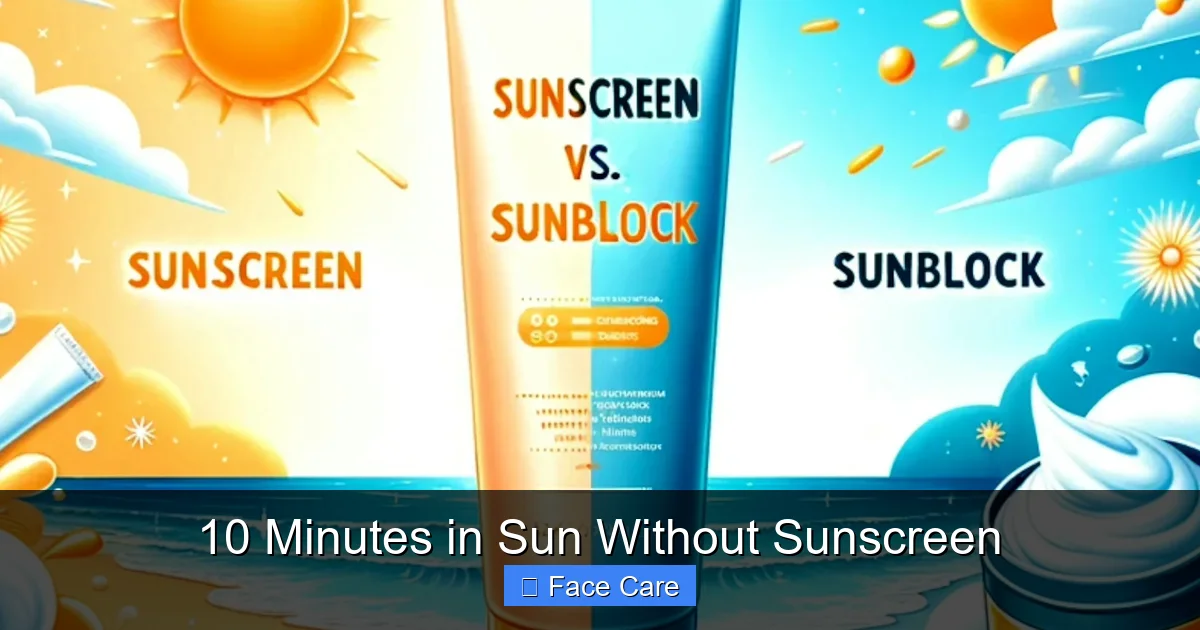
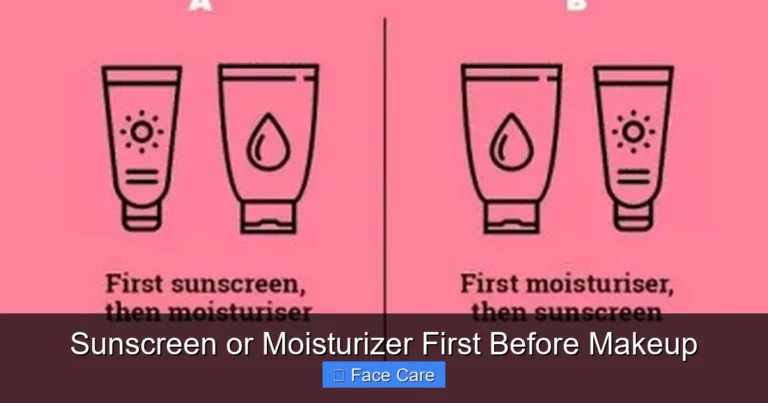
Visual guide about 10 Minutes in Sun Without Sunscreen
Image source: zicail.com
How Long Does It Take to Make Vitamin D?
For many people, especially those with lighter skin, 10 to 30 minutes of midday sun exposure—when your arms, legs, or back are exposed—can produce sufficient vitamin D. This varies depending on skin tone, age, time of day, season, and where you live. For example, someone with darker skin living near the equator might need longer exposure than a fair-skinned person in northern latitudes during summer.
But here’s the catch: once your body has made all the vitamin D it needs for the day—usually within that 10- to 30-minute window—further exposure offers no additional benefit. In fact, it increases your risk of sunburn and DNA damage.
Why Timing and Location Matter
The intensity of UVB rays changes throughout the day and year. Between 10 a.m. and 4 p.m., especially around noon, UVB rays are strongest. This makes it the ideal window for vitamin D production. However, it’s also when UV radiation is most dangerous. If you’re going to go unprotected, doing so during this peak time maximizes benefits while minimizing unnecessary risk.
Living closer to the equator means stronger, year-round UV exposure. In contrast, people in northern regions may struggle to get enough vitamin D from sunlight during winter months due to weaker UVB rays. That’s why supplements are often recommended in colder climates or for indoor workers.
Risks of Unprotected Sun Exposure
While short sunbaths may help with vitamin D, going without sunscreen for extended periods—even just 10 minutes—carries risks. Let’s break them down.
Visual guide about 10 Minutes in Sun Without Sunscreen
Image source: waveskincare.ca
Sunburn: Your First Warning Sign
Sunburn is inflammation caused by UV radiation damaging the outer layers of your skin. Even a mild burn after 10 minutes can signal overexposure. Symptoms include redness, pain, and peeling. Severe burns may blister and require medical attention. Repeated sunburns increase your lifetime risk of skin cancer.
Interestingly, some people don’t burn easily because their skin produces more melanin—a natural pigment that absorbs UV rays. But this doesn’t mean they’re fully protected. Melanin reduces UV penetration, but it doesn’t block it entirely. Over time, cumulative damage from both UVA and UVB rays can lead to wrinkles, dark spots, and weakened skin elasticity.
Premature Aging and Photoaging
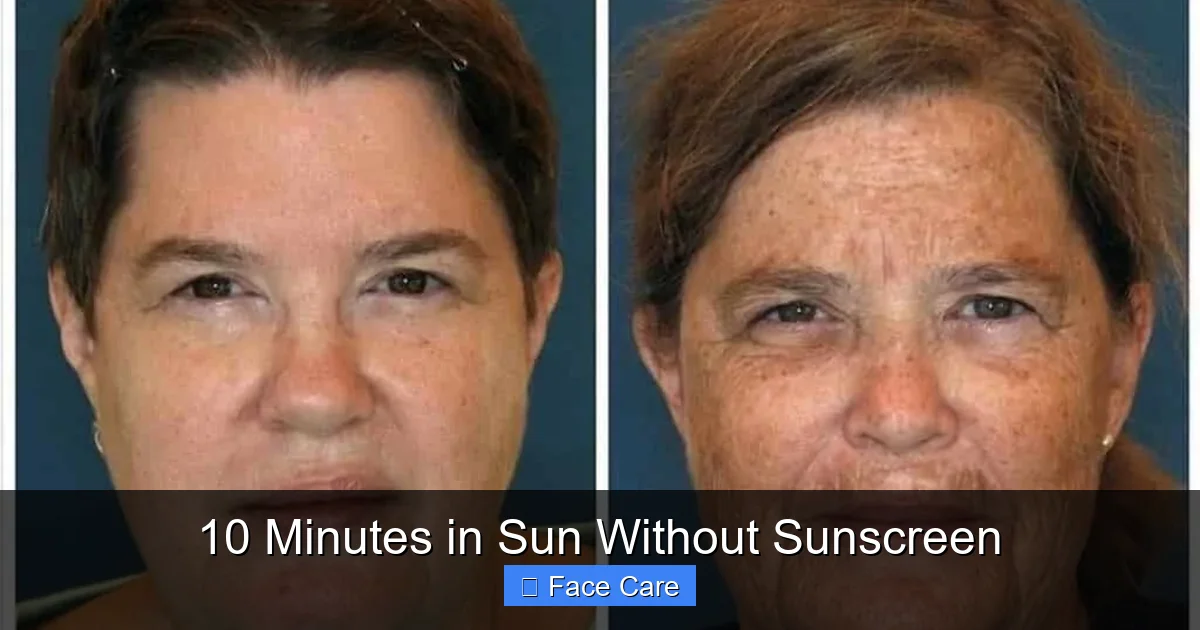
Photoaging refers to skin damage caused by repeated sun exposure. It leads to fine lines, sagging, leathery texture, and pigmentation changes like age spots. Unlike natural aging, photoaging starts young and accelerates with unprotected sun exposure. A single 10-minute session without protection may seem harmless, but over years, it adds up.
Studies show that even intermittent sun exposure—like weekend warriors who burn easily—face higher risks of premature aging compared to those who stay consistently protected.
Increased Skin Cancer Risk
Both UVA and UVB rays contribute to DNA mutations in skin cells. Over time, these mutations can lead to melanoma, basal cell carcinoma, and squamous cell carcinoma. While melanoma is less common, it’s the deadliest form of skin cancer. Regular, unprotected sun exposure—even in small amounts—increases your lifetime risk.
It’s not just about burning. Some skin cancers develop slowly and silently, often appearing on areas not typically remembered as “sunburned.” That’s why consistent protection matters more than occasional avoidance.
Who Should Avoid Unprotected Sun Exposure?
Not everyone can safely spend 10 minutes in the sun without sunscreen. Certain groups should be extra cautious or avoid it altogether.
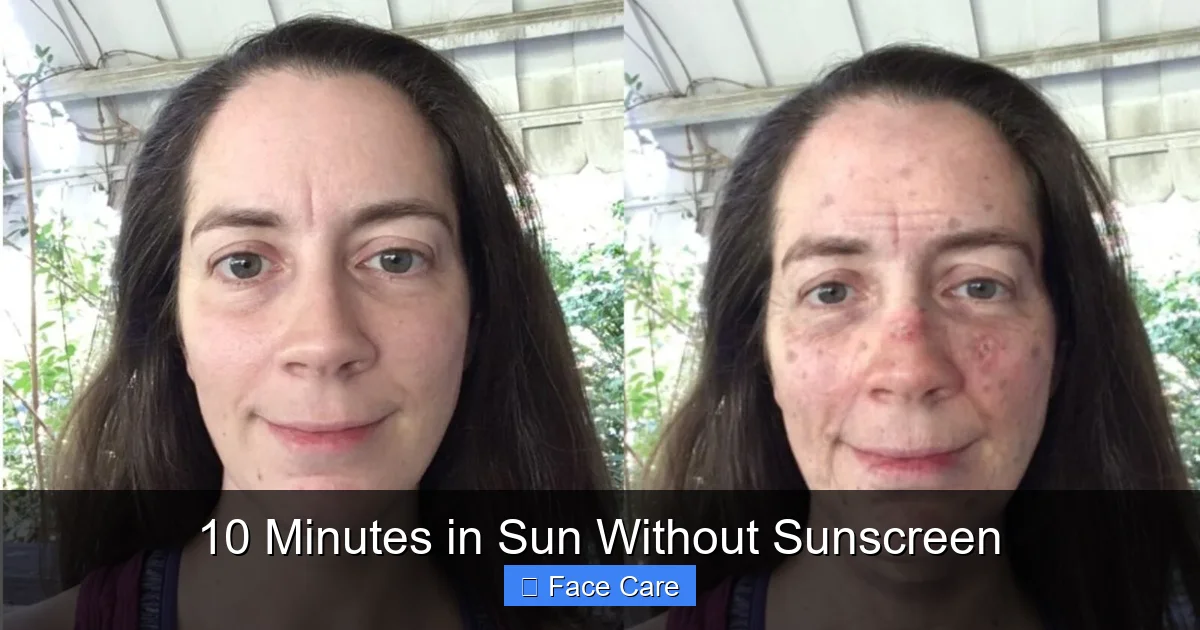
Visual guide about 10 Minutes in Sun Without Sunscreen
Image source: i.kinja-img.com
People With Fair Skin
If you freckle easily, burn instead of tan, or have red or blonde hair, you’re at higher risk. These individuals may only need 5 to 10 minutes of sun before burning. For them, relying on unprotected sun exposure is risky and inefficient for vitamin D production.
Children Under 6 Months
The American Academy of Pediatrics recommends avoiding direct sun exposure for infants under six months. Their skin is far more sensitive, and vitamin D needs can be met through breast milk or supplements. Sunscreen is safe for babies over 6 months, but unprotected exposure is discouraged.
Those With a History of Skin Cancer
Anyone with a personal or family history of melanoma or other skin cancers should minimize sun exposure and use broad-spectrum sunscreen daily. A 10-minute “vitamin D fix” isn’t worth the potential consequences.
People on Certain Medications
Some antibiotics, acne treatments, and antidepressants increase photosensitivity. If your skin reacts unusually to sun—blistering, rashes, or rapid burning—you may be on a photosensitizing drug. Check with your doctor before spending time in the sun without protection.
How to Safely Enjoy Short Sun Exposures
You don’t have to give up vitamin D or outdoor joy. With smart planning, you can enjoy short sunbaths safely.
Choose the Right Time and Place
Aim for 10 to 20 minutes between 10 a.m. and 2 p.m., when UVB rays are strongest. Walk barefoot on grass, sit in a shaded garden, or stand near a window facing south (in the Northern Hemisphere). Avoid reflective surfaces like water or snow, which intensify UV exposure.
Expose Large Skin Areas
To maximize vitamin D production, expose large areas: arms, legs, back, or shoulders. Wearing just a tank top and shorts gives your skin more surface area to absorb UVB rays.
Know Your Skin Type
Use the Fitzpatrick skin type scale to assess your sensitivity. Type I (very fair) burns easily; Type VI (deeply pigmented) rarely burns. Knowing your type helps you estimate how long you can safely stay in the sun.
Monitor for Signs of Burn
If your skin turns pink within an hour of sun exposure, you’ve likely exceeded safe limits. Stop immediately and apply cool compresses. Hydrate well and avoid further sun until healed.
Apply Sunscreen After the Initial Window
Once you’ve spent 10 to 30 minutes in the sun without sunscreen and your skin hasn’t turned red, it’s time to reapply. Use a broad-spectrum SPF 30 or higher, water-resistant formula. Reapply every two hours, especially if swimming or sweating.
Consider Supplements as an Alternative
If you’re unsure about sun exposure or live in a low-sun area, talk to your doctor about vitamin D testing and supplementation. Many adults get enough vitamin D through diet and supplements without risking skin damage.
Natural Ways to Protect Your Skin Beyond Sunscreen
Sunscreen is essential, but it’s not the only tool in your sun protection toolkit.
Dress Smart
Long-sleeve UPF-rated clothing, wide-brimmed hats, and UV-blocking sunglasses reduce exposure. Look for fabrics labeled UPF 30+ or higher. Even a simple cotton T-shirt offers some protection, but it degrades over time with washing and wear.
Seek Shade During Peak Hours
If you can’t avoid the sun between 10 a.m. and 4 p.m., stay in the shade. Use umbrellas, trees, or buildings to create a barrier. Remember: shade doesn’t mean zero UV exposure—reflected rays can still reach your skin.
Use Antioxidant Serums
Creams containing vitamin C, ferulic acid, or niacinamide can help neutralize free radicals caused by UV exposure. While they won’t replace sunscreen, they offer added defense against oxidative stress.
Hydrate and Nourish Your Skin
Drink plenty of water and use moisturizers with hyaluronic acid or ceramides to keep your skin barrier strong. Healthy skin recovers faster from sun exposure and resists damage better.
Regular Skin Checks
Perform monthly self-exams and schedule annual dermatologist visits. Early detection saves lives. Look for new moles, changing colors, asymmetrical shapes, or persistent sores.
Conclusion: Balance, Not Fear
Spending 10 minutes in the sun without sunscreen can be part of a healthy routine—especially if you’re aiming to boost vitamin D levels. But it’s not a license to skip protection afterward. The key is balance: enjoy intentional, limited sun exposure, then follow up with sunscreen, clothing, and shade.
Remember, your skin is your largest organ—and it deserves care. By understanding your body’s needs and limits, you can enjoy the outdoors while keeping your skin healthy, youthful, and cancer-free for years to come.
Frequently Asked Questions
Is it safe to get 10 minutes of sun every day without sunscreen?
It can be safe if done correctly—during peak UVB hours, on large skin areas, and followed by sunscreen. However, individual risk varies based on skin type and location.
How does skin color affect vitamin D production?
Darker skin requires longer sun exposure to make the same amount of vitamin D because melanin acts as a natural sunscreen, reducing UVB absorption.
Can I rely on food and supplements instead of sun exposure?
Yes, especially in winter or for high-risk individuals. Many people get enough vitamin D from diet and supplements without needing sun.
What should I do if I accidentally burn in 10 minutes?
Cool the skin with a wet cloth, apply aloe vera or hydrocortisone cream, stay hydrated, and avoid further sun exposure until healed.
Does cloud cover block UV rays enough for unprotected sun exposure?
No. Up to 80% of UV rays pass through clouds. You can still get sunburned on overcast days, so sunscreen is recommended regardless of weather.
Can children safely get 10 minutes of sun without sunscreen?
Children over 6 months can have short, supervised sun exposure, but sunscreen is advised after the initial vitamin D window. Infants under 6 months should avoid direct sun.