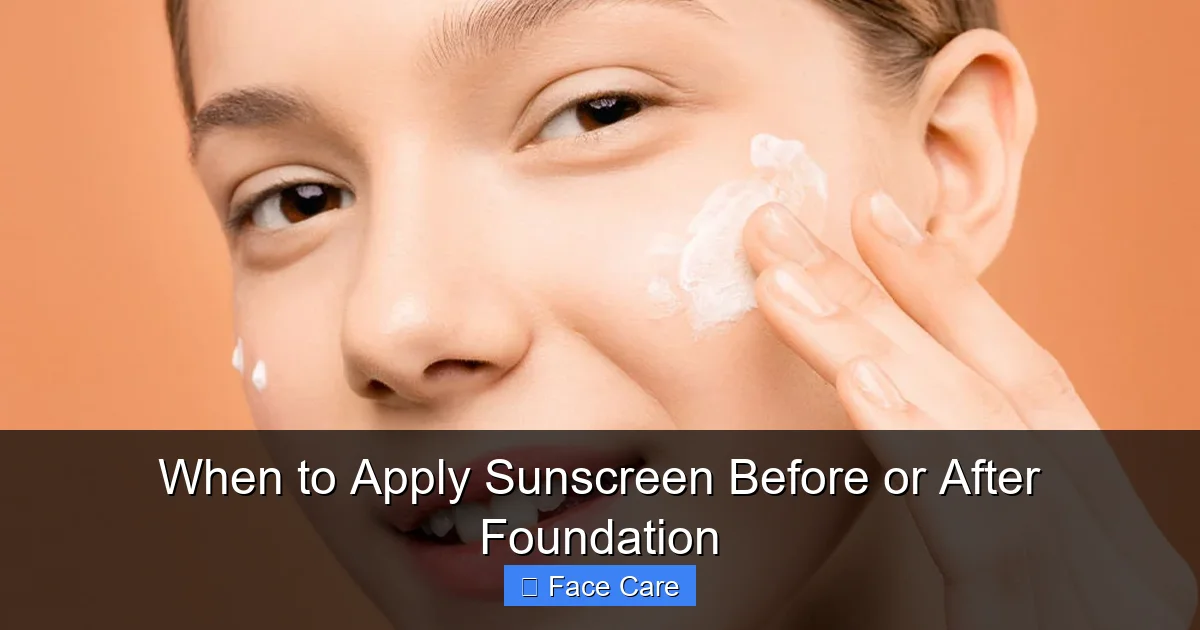
When to Apply Sunscreen Before or After Foundation | Learn More About
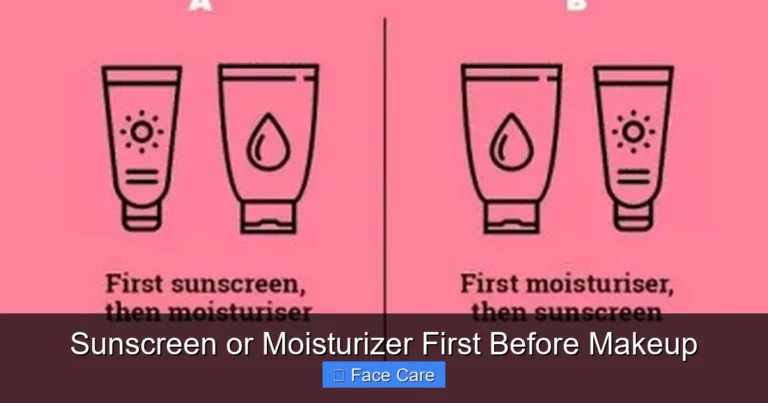
When it comes to sunscreen and foundation, order matters—and so does your skin’s health. Applying sunscreen first creates a protective barrier that shields your skin from harmful UV rays, while putting foundation on top can enhance its coverage and longevity.
Skipping this step or mixing the layers can reduce SPF effectiveness and lead to uneven results. By mastering the correct application sequence, you protect your skin without compromising your look.
Core Tips:
- Sunscreen should always be applied before foundation. This ensures full protection from UV damage and allows the SPF to work properly as the first line of defense.
- Applying sunscreen after foundation reduces its effectiveness. Makeup can block UV rays and dilute the SPF, leaving your skin vulnerable to sunburn and premature aging.
- Using a moisturizer with SPF is not a substitute for sunscreen. Even if your daily moisturizer has SPF, it often lacks sufficient protection and coverage.
- The correct order improves makeup longevity and appearance. Layering sunscreen first helps foundation adhere better and stay fresh throughout the day.
- Reapplication is key—especially after sweating or swimming. Don’t rely on foundation alone for sun protection; carry a portable sunscreen for touch-ups.
- Choose the right type of sunscreen for your skin type. Gel-based sunscreens work well under makeup, while thicker creams may require a setting powder to avoid pilling.
- SPF 30 or higher is recommended for daily use. Look for broad-spectrum formulas to guard against both UVA and UVB rays.
Why Sunscreen Order Matters in Your Skincare Routine:
Let’s face it—most of us want glowing, protected skin and a flawless makeup look. But when it comes to combining sunscreen and foundation, many people get confused: Should you put sunscreen first? Or is it okay to layer foundation over it? The truth is, the order in which you apply these products can make or break both your sun protection and your makeup finish.
Sunscreen is your skin’s frontline defense against the sun’s damaging rays. Without it, even a perfect foundation application won’t save you from UV-induced dark spots, wrinkles, or worse—skin cancer. Foundation, on the other hand, is primarily designed to even out skin tone and cover imperfections. While some modern foundations include SPF, they rarely offer enough protection on their own. That’s why understanding the proper sequence isn’t just about beauty—it’s about health.
In this article, we’ll walk through everything you need to know about when to apply sunscreen before or after foundation. From product selection to application techniques, we’ll help you achieve a balanced routine that keeps your skin safe and your makeup looking fresh all day long.
Understanding How Sunscreen Works:

Visual guide about When to Apply Sunscreen Before or After Foundation
Image source: media.allure.com
Before diving into application tips, it’s important to understand how sunscreen functions. There are two main types: physical (mineral) and chemical. Physical sunscreens like zinc oxide and titanium dioxide sit on the skin’s surface and reflect UV rays. Chemical sunscreens absorb UV radiation and convert it into heat, which is then released.
Both types need direct contact with your skin to be effective. When you apply foundation over sunscreen, especially if it’s thick or heavily pigmented, you risk creating a barrier that prevents the sunscreen from doing its job. Think of it like trying to read a book under a blanket—the message gets muffled.
That’s why dermatologists and skincare experts consistently recommend applying sunscreen as the final step in your morning skincare routine—before any makeup. This ensures maximum absorption and protection. It also gives your skin time to fully absorb the product without interference from powders, creams, or pigments.
The Role of SPF and Broad-Spectrum Protection:
SPF (Sun Protection Factor) measures how well a sunscreen protects against UVB rays, which cause sunburn. A higher SPF means more protection, but it doesn’t mean you can skip reapplying. Most experts recommend using SPF 30 or higher, which blocks about 97% of UVB rays. SPF 50 blocks around 98%, so the difference isn’t huge—but consistency is key.
Look for broad-spectrum sunscreens, which protect against both UVA (aging rays) and UVB (burning rays). UVA rays penetrate deep into the skin and contribute to photoaging, while UVB rays affect the outer layers, causing redness and burns.
Many people mistakenly believe that wearing foundation with SPF means they’re fully protected. However, most foundations have SPF levels between 10 and 15, which is far below what’s needed for adequate daily defense. Plus, unless you apply a thick enough layer, even high-SPF foundations won’t deliver full protection.
The Correct Application Sequence:
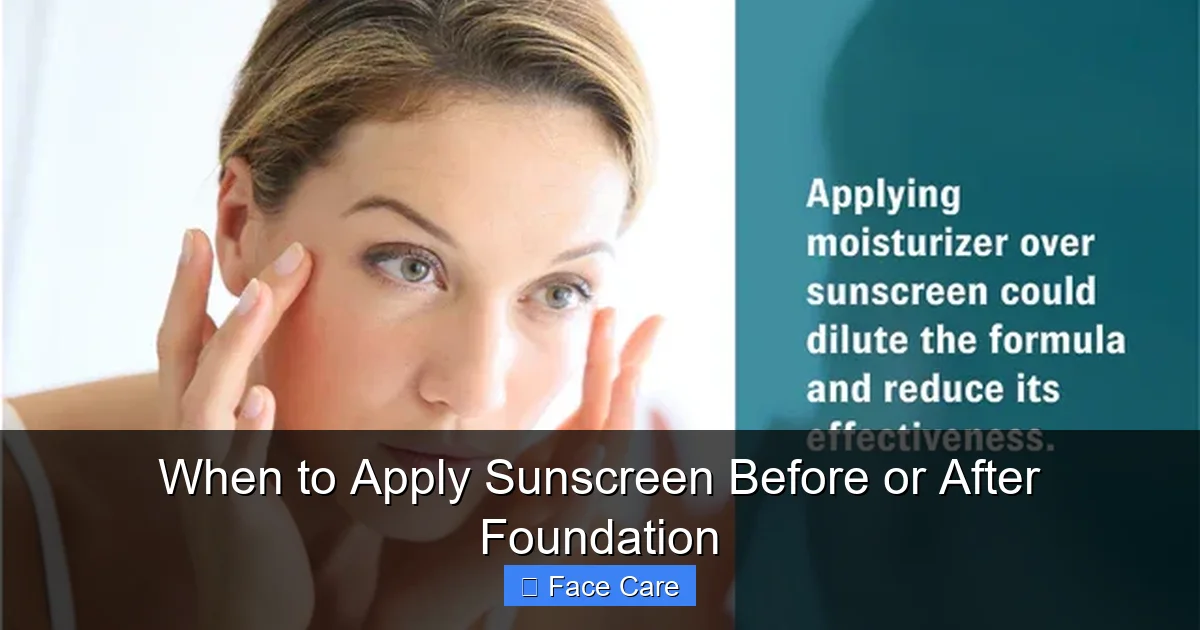
Visual guide about When to Apply Sunscreen Before or After Foundation
Image source: cdn.shopify.com
Now that we’ve established why sunscreen must come first, let’s go through the ideal order of steps for a sun-safe makeup routine:
- Cleanse your face. Start with a gentle cleanser to remove any overnight buildup.
- Tone (optional). Use a hydrating toner to balance your skin’s pH.
- Apply serum. Antioxidant serums (like vitamin C) boost protection and brighten skin.
- Moisturize. Hydrate your skin to create a smooth base for makeup.
- Apply sunscreen. This is the crucial step—wait 1-2 minutes for it to absorb.
- Apply foundation. Now you can build coverage without compromising protection.
This method ensures that each product has the chance to perform its function. Skipping or reversing steps can lead to reduced SPF efficacy, uneven texture, or makeup sliding off.
Common Mistakes People Make:
One frequent error is applying too much sunscreen too quickly. Using a pea-sized amount for the face isn’t enough—experts recommend about one ounce (a shot glass full) to ensure even coverage. Patting instead of rubbing helps avoid streaks and ensures full absorption.
Another mistake is applying foundation immediately after sunscreen, without allowing time for absorption. This can lead to pilling (where products ball up on the skin), especially with gel or fluid sunscreens. Always give your sunscreen a minute or two to settle before adding makeup.
Some people also skip sunscreen altogether, relying solely on foundation. While tinted moisturizers or BB creams with SPF can offer light protection, they’re not substitutes for dedicated sunscreen. If your foundation has SPF, still apply a separate sunscreen underneath.
Choosing the Right Sunscreen for Your Skin Type:
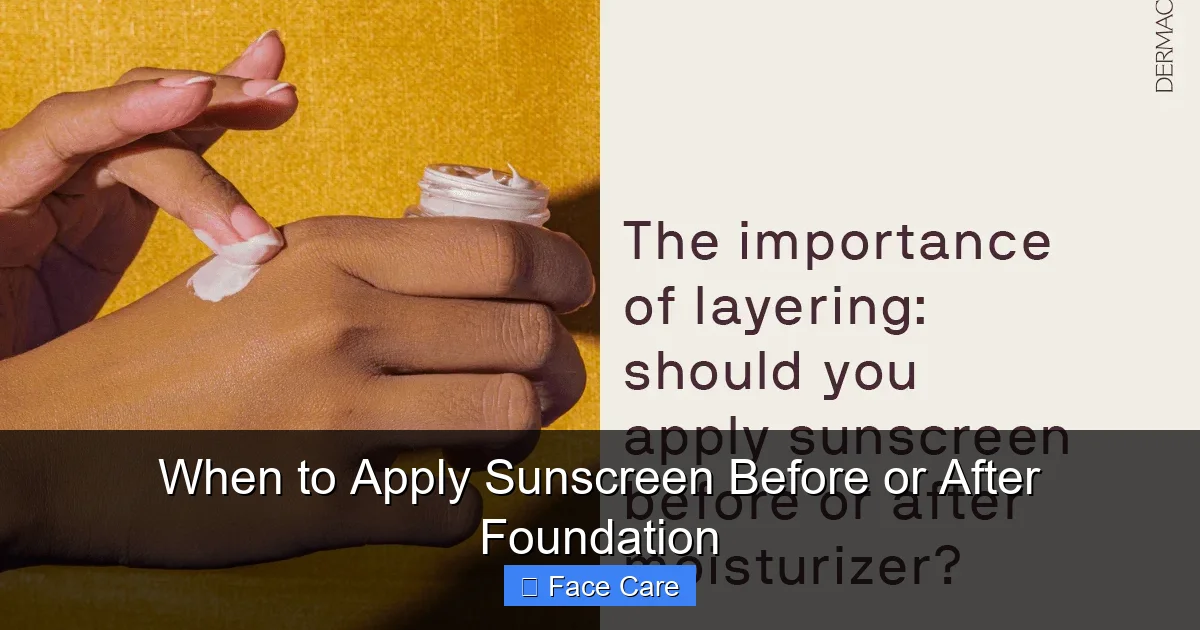
Visual guide about When to Apply Sunscreen Before or After Foundation
Image source: cdn.shopify.com
Not all sunscreens are created equal. The best one for you depends on your skin type, lifestyle, and makeup preferences.
For oily or acne-prone skin, lightweight, oil-free, non-comedogenic formulas are ideal. Look for gels or lotions with mattifying ingredients like silica. These absorb excess sebum and don’t clog pores.
If you have dry or sensitive skin, cream-based or mineral sunscreens are gentler and provide more hydration. Ingredients like hyaluronic acid or glycerin can help lock in moisture.
Those who wear heavy makeup or prefer a natural look might benefit from tinted sunscreens. These add a hint of color while offering UV protection—perfect for evening out skin tone without needing foundation right away.
Always patch-test new products, especially if you have sensitive skin. Apply a small amount behind your ear or on your jawline and wait 24 hours to check for irritation.
Tips for Smooth Application Under Foundation:
To prevent pilling or separation, follow these pro tips:
- Use fingertips or a damp sponge. Avoid brushes initially—they can disturb the sunscreen layer.
- Pat gently. Rubbing can break down the sunscreen’s film.
- Wait 60 seconds. Let the sunscreen fully absorb before touching your face.
- Set with powder (if needed). For oily skin, a translucent setting powder can help foundation stick without disturbing the sunscreen.
If you notice pilling, stop applying foundation and let the sunscreen sit longer. You can also try switching to a different formula—some textures simply don’t play well together.
Can You Apply Sunscreen After Foundation?
Technically, yes—but not ideally. If you’ve already applied foundation, you can still protect your skin by using a facial mist or spray sunscreen. These lightweight formulations are designed to be layered over makeup.
However, spray sunscreens should still be used cautiously. Hold the bottle 6–8 inches away and mist evenly across your face, avoiding direct inhalation. Be sure to reapply every two hours, especially if you’re outdoors.
Even then, the coverage won’t be as reliable as applying sunscreen first. Sprays can miss spots, and misting may not provide enough product to reach the recommended thickness. That’s why it’s always better to start with a solid base layer.
Exceptions and Workarounds
There are rare cases where you might apply sunscreen after foundation—such as during a quick touch-up while traveling. In those moments, a compact sunscreen stick or a reapplication mist can be lifesavers. Just remember to do a full-face reapplication at the end of the day, preferably after removing makeup.
Another workaround is using a sunscreen-infused primer. These products combine skincare benefits with makeup prep, offering SPF protection while creating a smooth canvas. They’re a great middle ground for those who struggle with layering multiple products.
Still, even with a primer, it’s wise to apply a separate sunscreen underneath for maximum safety. Think of it as double insurance.
Reapplying Sunscreen Throughout the Day:
Once your makeup is on, protecting your skin becomes a bit trickier. Sweat, humidity, and friction can cause foundation and sunscreen to wear off. That’s why reapplication is essential—not optional.
After sweating or wiping your face (e.g., after eating or talking), gently pat a thin layer of sunscreen over your face. Use your fingers or a clean sponge to blend it in. Avoid harsh rubbing, which can smudge your makeup.
Carry a travel-sized sunscreen in your bag, purse, or car. Mineral sticks are particularly convenient because they’re less messy and easy to apply precisely around the eyes and mouth.
Remember: sunscreen is not a one-and-done product. Daily protection requires daily attention, especially if you spend time outdoors.
Setting Makeup Without Compromising Sun Protection
If you’re concerned about setting your makeup without ruining your sunscreen, consider using a setting spray with SPF. These sprays refresh your look while providing an extra layer of protection. Just make sure it’s labeled broad-spectrum and SPF 30 or higher.
Avoid heavy powders that cake over sunscreen. Instead, opt for finely milled, sheer powders that absorb shine without disrupting the skin barrier.
For long-wear looks, layer products strategically: apply foundation, set lightly with powder, then reapply a thin layer of sunscreen over high-exposure areas like the nose and cheeks if needed.
Conclusion: Protect First, Perfect Later:
The bottom line is simple: always apply sunscreen before foundation. This single habit can dramatically improve your skin’s health and your makeup’s performance. By giving your sunscreen time to absorb and forming a protective layer, you shield your skin from UV damage while creating a smooth, lasting base for your foundation.
Don’t let convenience or confusion stand in the way of proper sun protection. Whether you’re heading to the office, hitting the beach, or just running errands, taking five minutes to apply sunscreen correctly makes a world of difference.
Your future self will thank you for preventing sunspots, wrinkles, and skin cancer—and your current self will love how great your skin looks with a flawless, sun-safe glow.
Frequently Asked Questions
Should I apply sunscreen before or after moisturizer?
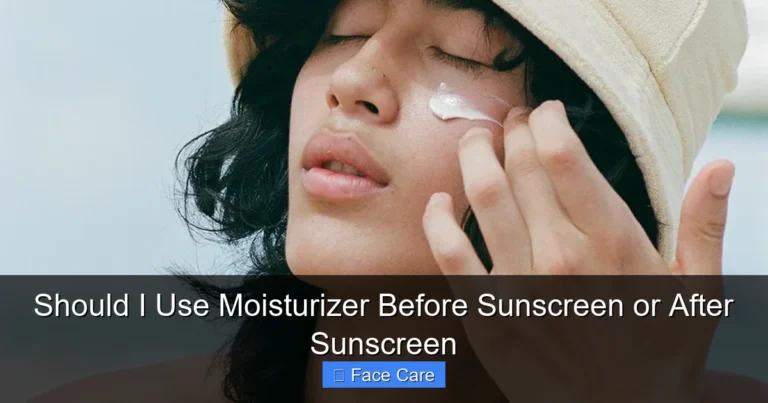
Apply sunscreen after moisturizer. Moisturizer hydrates your skin, and sunscreen protects it. Allow both to absorb fully before applying foundation.
Can I use a tinted moisturizer with SPF instead of sunscreen?
No, not fully. Tinted moisturizers with SPF offer minimal protection and often lack broad-spectrum coverage. Always use a dedicated sunscreen underneath for adequate defense.
How long should I wait after applying sunscreen before putting on makeup?
Wait at least 1–2 minutes. This allows the sunscreen to absorb into your skin and form an effective barrier without being disturbed by foundation.
Is it okay to mix sunscreen and foundation together?
It’s not recommended. Mixing can dilute the sunscreen’s concentration and lead to uneven protection. Apply them separately for best results.
What if my foundation pills over my sunscreen?
This usually happens with gel or fluid sunscreens. Try switching to a cream or lotion formula, or allow more time for absorption before applying makeup.
Do I need to reapply sunscreen if I’m only wearing foundation?
Yes. Foundation alone doesn’t replace sunscreen. Reapply every two hours, especially if you’re outside, sweating, or exposed to direct sunlight.