How Much Sun Exposure Is Safe with Sunscreen? SPF Safety Guide
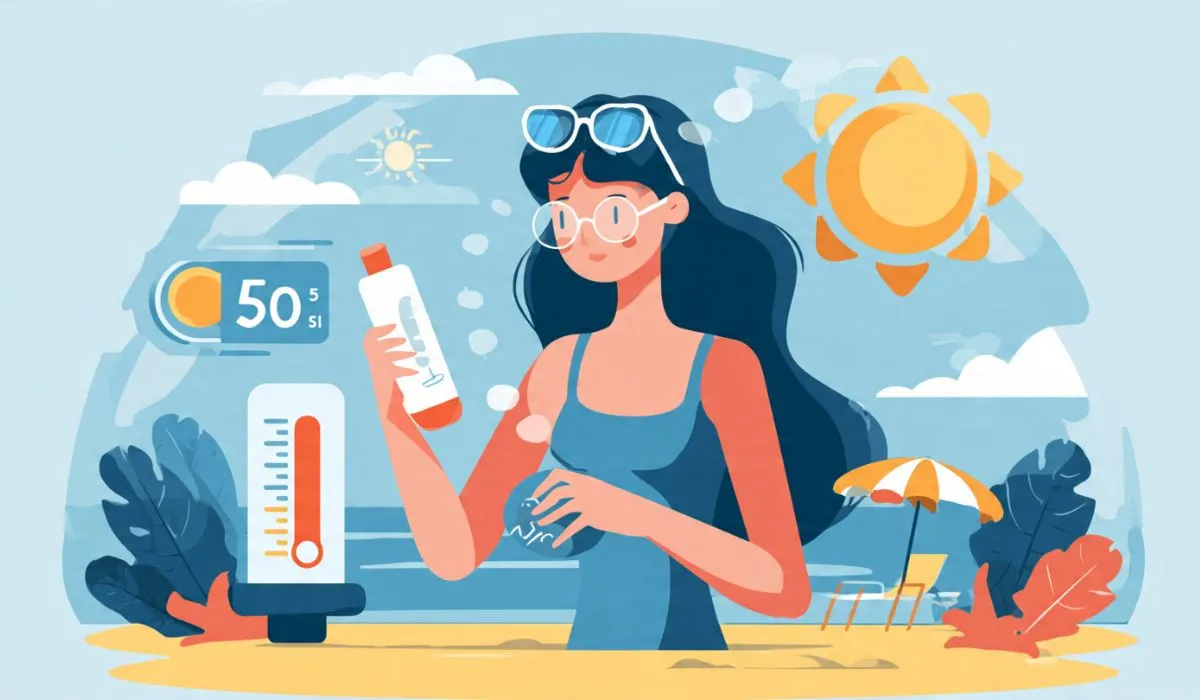
Sunscreen is one of the most important tools for protecting your skin from sun damage. But many people still wonder: How much sun exposure is actually safe when you’re wearing sunscreen?
Is it okay to stay outside all day? Can sunscreen fully protect you? How long does protection really last?
The truth is more nuanced. Sunscreen significantly reduces UV damage, but it does not make your skin “sunproof.” Safe sun exposure depends on UV intensity, sunscreen quality, application method, and reapplication habits.
This guide breaks down everything you need to know using dermatology-backed science and real-world recommendations.
What Sunscreen Actually Does:
Sunscreen works by reducing how much ultraviolet (UV) radiation reaches your skin.
There are two main types of UV rays:
- UVB rays: cause sunburn
- UVA rays: cause aging, pigmentation, and deep skin damage
A broad-spectrum sunscreen protects against both.
However, no sunscreen blocks 100% of UV rays:
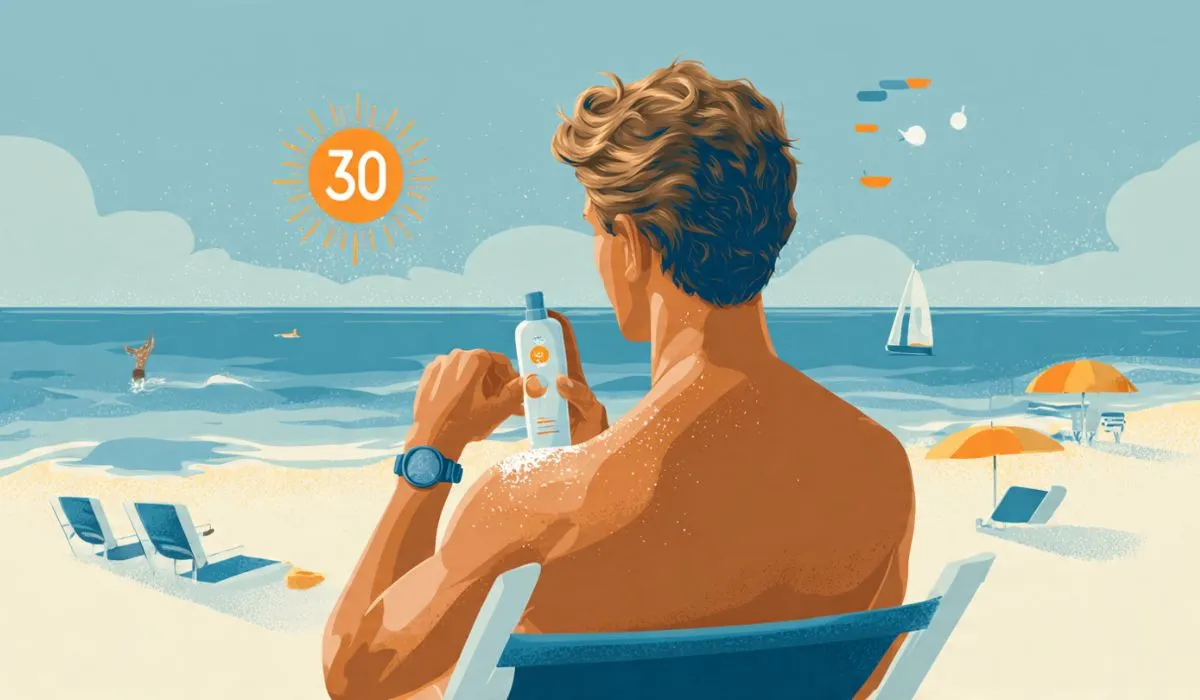
- SPF 30 blocks ~97% of UVB rays
- SPF 50 blocks ~98% of UVB rays
That remaining small percentage still matters over long exposure.
According to the American Academy of Dermatology, sunscreen should be used as part of a full sun protection strategy—not as the only defense.
So, How Much Sun Exposure Is Safe With Sunscreen?
There is no exact universal “safe time” because it depends on:
- UV Index (strength of sunlight)
- Skin type
- Time of day
- Reapplication frequency
- Environment (shade, water, snow, reflection)
But here’s a general guideline:
With proper sunscreen use:
- Short exposure (10–30 minutes): Very low risk
- Moderate exposure (1–2 hours): Safe if sunscreen is applied correctly and reapplied
- Long exposure (3+ hours): Requires reapplication every 2 hours + additional protection
The Key Factor: UV Index:
The UV Index measures how strong ultraviolet radiation is.
- 0–2: Low risk
- 3–5: Moderate
- 6–7: High
- 8–10: Very high
- 11+: Extreme
Even with sunscreen:
- At UV 3–5 → moderate exposure is usually safe
- At UV 8+ → risk increases quickly without frequent reapplication
Step-by-Step: Safe Sun Exposure With Sunscreen:
Step 1: Apply Sunscreen Properly
Before sun exposure:
- Use SPF 30 or higher
- Apply broad-spectrum sunscreen
- Use the “two-finger rule” for face and neck
- Apply 15–20 minutes before going outside
Proper application is critical for real protection.
Step 2: Understand the 2-Hour Rule
Dermatologists recommend:
Reapply sunscreen every 2 hours during sun exposure
You should reapply sooner if you:
- Sweat heavily
- Swim or wipe your face
- Stay in direct sunlight for long periods
The Skin Cancer Foundation emphasizes reapplication as essential for continuous protection.
Step 3: Combine Sunscreen With Physical Protection
Sunscreen alone is not enough for long exposure.
Use:
- Hats (wide-brim preferred)
- Sunglasses (UV protection)
- Shade when possible
- Lightweight protective clothing
This reduces UV load significantly.
Step 4: Limit Peak Sun Hours
The sun is strongest between:
- 10 AM to 4 PM
Even with sunscreen, long exposure during these hours increases cumulative UV damage.
Step 5: Adjust Exposure Based on Environment
Different environments change UV intensity:
- Beach: reflection increases exposure
- Snow: up to 80% UV reflection
- City: reflection from glass and concrete
- Mountains: higher UV intensity
How Long Can You Stay in the Sun Safely?
Here’s a practical breakdown:
Low UV (0–2)
- Safe exposure: 1–3 hours
- Sunscreen still recommended for skin health
Moderate UV (3–5)
- Safe exposure: 1–2 hours
- Reapply sunscreen if staying longer
High UV (6–7)
- Safe exposure: 30–90 minutes
- Strict reapplication required
Very High UV (8+)
- Safe exposure: <1 hour without protection strategy
- Use shade + clothing + sunscreen combination
Read Next: 20 Minutes in Sun Without Sunscreen | What Really Happens to Your Skin?
Important Reality: Sunscreen Does Not Make You UV-Proof:
Even high SPF sunscreen:
- Breaks down over time
- Wears off due to sweat and oil
- Does not block all UVA rays
That’s why cumulative exposure still matters.
The World Health Organization warns that long-term UV exposure is a major contributor to premature skin aging and skin cancer risk.
Common Mistakes That Reduce Sunscreen Protection:
Mistake 1: Applying too little sunscreen
Most people apply only 25–50% of the needed amount.
Mistake 2: Not reapplying
Sunscreen wears off within 2 hours.
Mistake 3: Skipping cloudy days
UV rays still pass through clouds.
Mistake 4: Forgetting exposed areas
Neck, ears, and hands are often missed.
Mistake 5: Thinking SPF = time multiplier
SPF does not mean you can stay in the sun 30x longer.
Effective Tips for Safe Sun Exposure:
- Apply sunscreen before leaving home
- Reapply every 2 hours outdoors
- Use SPF 30–50 for daily use
- Combine sunscreen with hats and shade
- Avoid direct sun during peak UV hours
- Use water-resistant sunscreen if sweating or swimming
Who Needs Extra Care in Sun Exposure?
You should be extra cautious if you have:
- Fair or sensitive skin
- Melasma or pigmentation
- Acne-prone skin using actives (retinol, acids)
- History of sunburn
- Family history of skin cancer
Benefits of Proper Sunscreen Use:
When used correctly, sunscreen:
- Reduces sunburn risk
- Prevents premature aging
- Lowers pigmentation issues
- Protects skin barrier
- Supports long-term skin health
Can You Get Vitamin D While Using Sunscreen?
Yes.
Studies show sunscreen does not completely block vitamin D production. Small incidental exposure is enough for most people.
You do not need to skip sunscreen for vitamin D.
Authoritative Recommendations:
The American Academy of Dermatology recommends:
- Daily sunscreen use
- Broad-spectrum SPF 30+
- Reapplication every 2 hours during exposure
The Skin Cancer Foundation emphasizes sunscreen as a key part of daily skin cancer prevention strategy.
FAQs:
1. How much sun exposure is safe with sunscreen?
Typically 1–2 hours, depending on UV index and reapplication.
2. Can I stay in the sun all day with sunscreen?
Not safely. You must reapply and use additional protection.
3. Does sunscreen make sun exposure completely safe?
No. It only reduces, not eliminates UV damage.
4. How often should I reapply sunscreen?
Every 2 hours outdoors, or sooner if sweating or swimming.
5. Is SPF 50 much better than SPF 30?
Slightly better, but reapplication matters more than SPF level.
6. Can I get sunburn while wearing sunscreen?
Yes, especially if not applied or reapplied properly.
7. Do I need sunscreen in shade or cloudy weather?
Yes, UV rays still reach your skin.