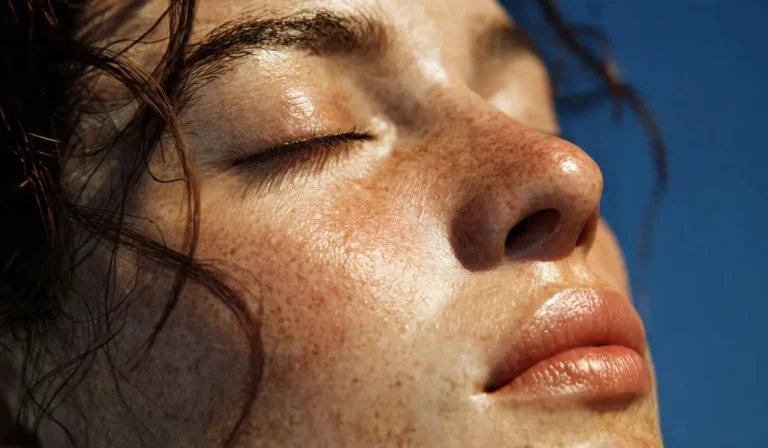
How Can I Protect My Skin from Sun Naturally | Meet Nature’s Shield
Sunlight is essential for life, mood, and vitamin D production. But too much sun exposure is one of the biggest causes of premature aging, dark spots, pigmentation, and even skin cancer.
While many people rely only on chemical sunscreens, there are powerful natural ways to protect your skin from harmful UV rays without depending entirely on synthetic products.
In this guide, you’ll learn science-backed, dermatologist-recommended, and natural methods to protect your skin from the sun, step by step.

Why Sun Protection Is So Important:
The sun emits two main types of harmful rays:
- UVA rays – cause premature aging, wrinkles, and pigmentation
- UVB rays – cause sunburn and direct skin damage
Long-term exposure without protection leads to:
- Early wrinkles and fine lines
- Hyperpigmentation and melasma
- Uneven skin tone
- Loss of collagen and elasticity
- Increased risk of skin cancer
Natural sun protection is not about avoiding the sun completely. It’s about protecting your skin smartly and safely.
Read Next: Sunscreen or Moisturizer First Before Makeup | Why it matters
Step-by-Step Natural Ways to Protect Your Skin from the Sun:
Step 1: Avoid Peak Sun Hours (The Golden Rule)
The sun is strongest between 10 AM and 4 PM. This is when UV radiation is at its peak.
What to do:
- Plan outdoor activities early morning or late afternoon
- Stay in shade whenever possible
- Use umbrellas, trees, or covered areas
This single habit can reduce your UV exposure by nearly 60%.
Step 2: Wear Protective Clothing (Your First Natural Sunscreen)
Clothing is one of the most effective natural sun barriers.
Best choices:
- Long sleeves and full-length pants
- Tightly woven cotton or linen fabrics
- Dark or bright colors (they absorb UV better than light colors)
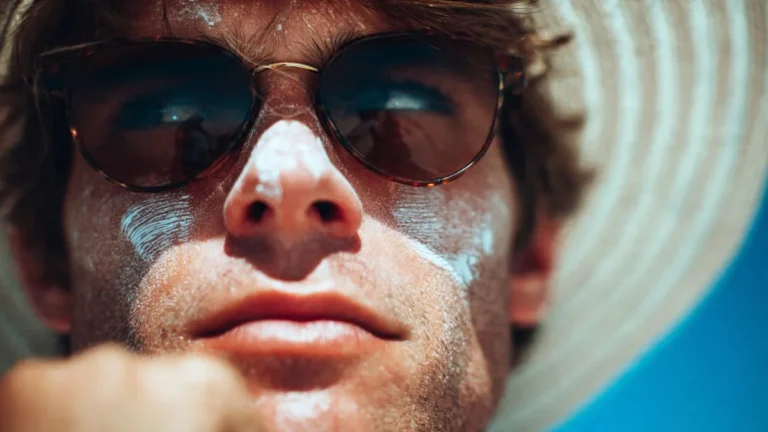
- Wide-brimmed hats
- Sunglasses with UV protection
This method blocks UV rays without any chemicals.
Step 3: Use Natural Oils with Mild SPF Properties
Certain natural oils contain compounds that offer mild UV protection and nourish the skin.
| Natural Ingredient | Approx. SPF | Benefits |
|---|---|---|
| Red raspberry seed oil | SPF 25–50 | Rich in antioxidants |
| Carrot seed oil | SPF 35–40 | Protects against UV damage |
| Coconut oil | SPF 4–6 | Moisturizes and soothes |
| Almond oil | SPF 5 | Nourishes and repairs |
| Shea butter | SPF 6 | Repairs sun-damaged skin |
How to use:
- Apply a thin layer before sun exposure
- Reapply every 2 hours if outdoors
These are supportive layers, not replacements for sunscreen during intense exposure.
Step 4: Eat Sun-Protective Foods (Internal Sunscreen)
Your diet plays a major role in how your skin reacts to sun exposure.
Foods that increase natural UV resistance:
- Tomatoes (lycopene)
- Carrots & sweet potatoes (beta-carotene)
- Green tea (polyphenols)
- Berries (antioxidants)
- Spinach and leafy greens (lutein)
- Nuts and seeds (vitamin E)
- Citrus fruits (vitamin C)
These nutrients build your skin’s defense from the inside and reduce sun damage at a cellular level.
Step 5: Apply Aloe Vera Before and After Sun Exposure
Aloe vera contains aloin and antioxidants that reduce UV damage.
How to use:
- Apply fresh aloe gel before going out
- Reapply after coming home to calm the skin
- Helps prevent tanning, redness, and irritation
Step 6: Stay Hydrated
Dehydrated skin burns faster and heals slower.
Drink:
- 8–10 glasses of water daily
- Coconut water
- Lemon water
- Herbal teas
Hydrated skin has better resilience against UV stress.
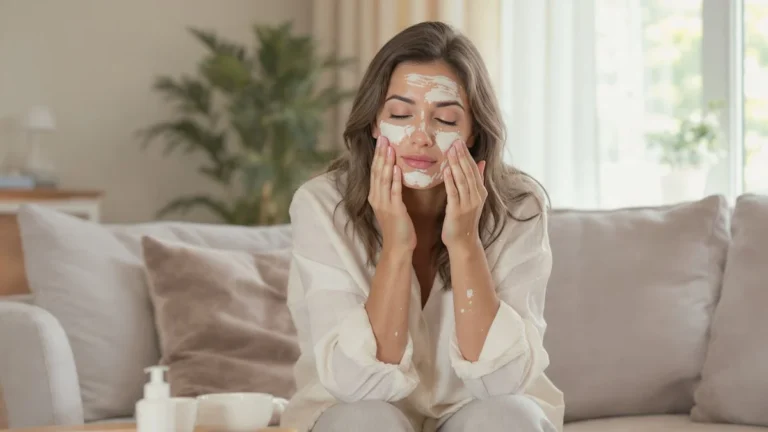
Step 7: Use Natural Face Masks for Sun Defense
Use these 2–3 times per week:
Turmeric + Yogurt Mask
- Reduces pigmentation
- Repairs sun damage
Cucumber + Rose Water
- Cools and soothes sun-exposed skin
Sandalwood + Milk
- Natural skin brightener and UV repair agent
Step 8: Don’t Forget Your Lips and Eyes
Lips and eyes are extremely sensitive to sun damage.
- Apply natural lip balm with shea butter or coconut oil
- Wear sunglasses outdoors
- Use aloe gel lightly around the eyes
Step 9: Use Mineral Sunscreen as a Natural Support (Recommended by Dermatologists)
Even if you prefer natural care, dermatologists recommend zinc oxide or titanium dioxide based mineral sunscreens. These are considered skin-friendly and sit on top of the skin instead of being absorbed.
They work well alongside natural methods for maximum protection.
Authoritative Dermatologist Recommendations:
Dermatologists agree on these key points:
- No natural method alone equals SPF 30 sunscreen for long exposure
- Combining clothing, shade, diet, and natural oils gives strong daily protection
- Antioxidant-rich skincare reduces sun damage significantly
- Mineral sunscreen is safer for sensitive skin than chemical sunscreen
This balanced approach gives you the best of nature + science.
Daily Natural Sun Protection Routine
Morning Routine
- Wash face with mild cleanser
- Apply aloe vera gel
- Apply raspberry seed or carrot seed oil
- Wear protective clothing and hat
During the Day
- Stay in shade
- Drink water
- Reapply oil if sweating
Evening Routine
- Cleanse skin
- Apply aloe vera
- Use turmeric/yogurt mask (2x weekly)
- Moisturize with almond oil or shea butter
Mistakes to Avoid:
- Relying only on coconut oil for beach sun exposure
- Ignoring sun protection on cloudy days
- Forgetting neck, hands, and ears
- Not reapplying natural oils
- Skipping hydration
Benefits of Natural Sun Protection:
- No harmful chemicals
- Nourishes skin while protecting
- Reduces pigmentation naturally
- Prevents premature aging
- Safe for sensitive skin
- Budget-friendly and sustainable
Frequently Asked Questions (FAQs):
1. Can natural oils replace sunscreen completely?
No. They offer mild protection. For long sun exposure, combine them with clothing and mineral sunscreen.
2. Which natural ingredient has the highest SPF?
Red raspberry seed oil and carrot seed oil have the highest natural SPF properties.
3. Does aloe vera protect from sunburn?
Aloe vera helps reduce damage and soothe skin but should be used with other protective methods.
4. How long before sun exposure should I apply natural oils?
Apply at least 15–20 minutes before going outside.
5. Can diet really help protect skin from the sun?
Yes. Antioxidant-rich foods improve your skin’s resistance to UV damage over time.
6. Is sun protection needed indoors?
Yes, if you sit near windows. UVA rays pass through glass.
7. Are hats and clothes really effective?
Yes. They are among the most effective natural barriers against UV rays.
Final Thoughts:
Protecting your skin from the sun naturally is about building layers of protection:
- Smart timing
- Protective clothing
- Natural oils
- Proper hydration
- Antioxidant-rich diet
- Soothing skincare
When you combine these habits, you create a powerful, natural shield that keeps your skin healthy, youthful, and glowing for years.
Nature provides everything your skin needs — you just need to use it wisely.