
When to Apply Sunscreen Before or After Moisturizer
Applying sunscreen before or after moisturizer depends on your skin type and product texture.
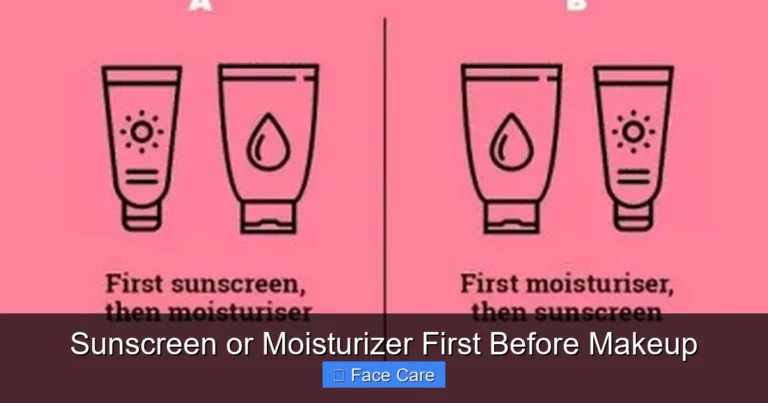
For oily or combination skin, layering sunscreen first helps it absorb faster without pilling. If you have dry or sensitive skin, applying moisturizer first can create a protective barrier that enhances sunscreen performance.
Regardless of the order, always let each product absorb fully to avoid clogging pores and ensure even coverage.
📑 Table of Contents
- When to Apply Sunscreen Before or After Moisturizer: Your Guide to a Perfect Skincare Routine
- Why the Order Matters: How Skin Layers Work
- Oily vs. Dry Skin: Which Comes First?
- Product Texture Is Key
- Practical Tips for Smooth Layering
- Common Mistakes People Make
- Conclusion: Build a Routine That Works for You
When to Apply Sunscreen Before or After Moisturizer: Your Guide to a Perfect Skincare Routine
We’ve all stood in front of the bathroom mirror, staring at two bottles—one labeled “moisturizer,” the other “sunscreen.” Do I put one on top of the other? In what order? The truth is, there’s no universal rule for applying sunscreen before or after moisturizer.
But understanding how these products work together can make all the difference in protecting your skin and keeping it healthy. Sun damage doesn’t care about your skincare routine—it sneaks in during those 15 minutes you spend scrolling your phone outdoors. So let’s clear up the confusion and build a smart, effective system for your daily protection.
Your skin is your body’s largest organ, and like any organ, it deserves proper care. Think of moisturizer as the nourishment your skin needs to stay strong and resilient, while sunscreen acts like an invisible shield against harmful UV rays. When you apply them correctly, they support each other—not fight each other.
Whether you’re prepping for a beach day or just heading to the grocery store, getting this step right means fewer wrinkles, less sunburn, and better overall skin health down the road.
Why the Order Matters: How Skin Layers Work
Before we dive into which comes first, let’s talk about why layering matters at all. Your skin has multiple layers, and each skincare product sits on top of the last. The order you apply them affects how well they penetrate, mix, or interfere with one another. For example, if you slather on a thick moisturizer and then pour on a thin sunscreen gel, the gel might sit on top without bonding properly. This could lead to uneven coverage or even pilling—those annoying white clumps that look like you spilled something.

Visual guide about When to Apply Sunscreen Before or After Moisturizer
Image source: edmontonderm.ca
On the flip side, if your sunscreen is too thick and you put moisturizer on top, the SPF might get diluted or pushed away from your skin. That defeats the whole purpose. So yes—the sequence isn’t just about preference. It’s about function. Understanding how different textures interact helps you choose the right order for your specific needs. And guess what? There’s no shame in experimenting until you find what works. Just remember: consistency beats perfection every time.
Oily vs. Dry Skin: Which Comes First?
For Oily or Acne-Prone Skin
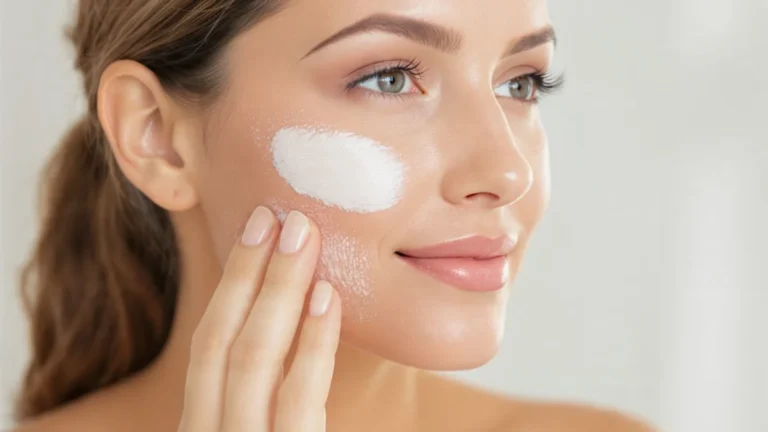
If your T-zone shines by midday or you deal with frequent breakouts, you’re likely dealing with oily or combination skin. These skin types often respond best when you apply sunscreen before moisturizer. Here’s why: lightweight sunscreens like gels, serums, or fluid formulas absorb quickly and won’t clog pores when layered under a light moisturizer.
Visual guide about When to Apply Sunscreen Before or After Moisturizer
Image source: carencurepharmacy.com
Try this routine: cleanse → tone (optional) → apply a few drops of oil-free sunscreen gel → wait 30 seconds → finish with a non-comedogenic moisturizer. You’ll notice the sunscreen feels light and stays put, not sliding around or mixing with your moisturizer. Plus, since oily skin produces more sebum, having sunscreen as the base layer helps it adhere better and resist sweat and oil buildup during the day.
For Dry or Sensitive Skin
Dry and sensitive skin types often benefit from starting with moisturizer. Why? Because a hydrated barrier helps sunscreen bind more effectively to the skin. When your skin lacks moisture, some sunscreen ingredients (especially physical blockers like zinc oxide) can feel gritty or irritating. Putting on a rich cream first creates a smoother surface for the sunscreen to glide over.
Here’s a tip: apply a generous amount of moisturizer and gently massage it in until absorbed—usually about a minute. Then, wait another 30 seconds before adding your sunscreen. Look for creamy or lotion-based sunscreens labeled “for sensitive skin.” They tend to blend better over moisturizer without causing redness or flaking. This method also reduces the chance of irritation from active ingredients in sunscreen rubbing against dry patches.
Product Texture Is Key
Beyond skin type, the consistency of your products plays a huge role in determining the correct order. Think of it like building a sandwich: you want each layer to complement the next. If your moisturizer is a heavy night cream, it’s best used before sunscreen to avoid making the SPF too thick or greasy. But if your sunscreen is a runny serum, it should go on top to preserve its fast-absorbing qualities.
Visual guide about When to Apply Sunscreen Before or After Moisturizer
Image source: edmontonderm.ca
Thick Creams First
Heavier moisturizers, night creams, or facial oils should almost always be applied before sunscreen. These products need time to sink into the skin and form a protective film. If you reverse the order, the sunscreen can push the moisturizer out of place, creating uneven patches or reducing both products’ effectiveness.
Lighter Formulas Last
Gel sunscreens, mineral sprays, or alcohol-based lotions are designed to dry quickly and stay light on the skin. These work best when layered over a moisturizer. They won’t pill or mix poorly if applied second. In fact, using them on top can help lock in hydration and give your skin a smooth finish before makeup.
Hybrid Products: The Best of Both Worlds
Some modern skincare products combine moisturizer and sunscreen in one bottle—often called “broad-spectrum moisturizers” or “daily sunscreens.” These eliminate the need to layer and are especially convenient for people with busy routines. However, even hybrid products aren’t always strong enough to replace dedicated sunscreen in high-exposure situations. Still, they’re great for everyday indoor-to-outdoor transitions.
Practical Tips for Smooth Layering
Getting the order right is only half the battle. How you apply the products makes a big difference too. Here are some tried-and-true tips to keep your routine seamless:
- Use the right amount: Most dermatologists recommend a nickel-sized dab of sunscreen for your face. Too little means inadequate protection.
- Pat, don’t rub: Gently press sunscreen into your skin instead of scrubbing. This prevents irritation and ensures even coverage.
- Wait between layers: Give each product 30–60 seconds to absorb. Rushing leads to mixing and reduced efficacy.
- Check expiration dates: Expired sunscreen loses potency. Replace every 6 months or as directed.
- Don’t forget common spots: Apply to ears, neck, hands, and tops of feet—areas often missed.
Pro tip: Keep a travel-size sunscreen in your bag or car. Reapplying every two hours, especially if you’re swimming or sweating, is essential for lasting protection.
Common Mistakes People Make
Even the most diligent skincare fans slip up sometimes. Let’s talk about the biggest errors when it comes to sunscreen and moisturizer layering:
Mistake #1: Applying too close together. Skipping the wait time causes products to blend awkwardly, leading to pilling or uneven absorption.
Mistake #2: Using expired sunscreen. Over time, chemical filters break down. A bottle past its date won’t protect you as well.
Mistake #3: Not adjusting for weather. On cloudy days, UV rays still reach your skin. Don’t skip sunscreen just because it’s not sunny.
Mistake #4: Relying only on makeup with SPF. Foundation with SPF 15 isn’t enough for full protection. You need at least SPF 30, applied separately.
Mistake #5: Ignoring post-sun care. Even with sunscreen, skin can show signs of sun exposure. Follow up with soothing products like aloe vera or hydrating masks.
Conclusion: Build a Routine That Works for You
So, should you apply sunscreen before or after moisturizer? The answer depends on your skin type, product choices, and personal preference. Oily skin often does best with sunscreen first, while dry skin may prefer moisturizer upfront. Product texture is another clue—thick creams go on first, light gels last. The golden rule? Let each layer absorb fully before adding the next. Patience pays off in smoother application and better protection.
Remember, skincare isn’t about following trends blindly. It’s about finding what makes your skin feel good and look radiant. Experiment safely, listen to your skin, and never skip the sun protection—even on rainy days. With the right routine, you’ll enjoy healthier, younger-looking skin for years to come.
Frequently Asked Questions
Can I wear makeup over sunscreen and moisturizer?
Yes! Once your sunscreen and moisturizer are fully absorbed, you can apply foundation or powder. Use a makeup primer if you want extra smoothness. Just ensure your sunscreen has a matte or pore-blurring finish to avoid pilling under makeup.
Is it okay to mix sunscreen with toner or essence?
Generally, no. Toners and essences are water-based and meant to be absorbed quickly. Adding sunscreen afterward can dilute their effectiveness and disrupt their intended layering sequence. Stick to the standard order: cleanser → toner → serum → moisturizer → sunscreen.
What if my sunscreen pills with moisturizer?
Pilling usually happens when products are applied too close together or don’t match in texture. Try waiting longer between layers or switching to a more compatible sunscreen—like a gel-based formula for oily skin or a creamy one for dry skin.
Should I use different sunscreen in summer vs. winter?
Not necessarily. What matters most is SPF level and broad-spectrum protection. However, in winter, you might prefer a lighter formula to avoid feeling greasy under clothes. Just make sure it’s still applied generously and reapplied as needed.
Can I skip moisturizer if I use a hybrid sunscreen?
Sometimes, but not always. Hybrid products often contain minimal moisturizing agents. If your skin feels tight or dry after using one, add a light moisturizer underneath. It’s better to over-moisturize than under-protect your skin.
How do I know if my sunscreen is expired?
Check the expiration date on the bottle. Chemical sunscreens typically last 2–3 years, while mineral ones can last longer. Also, if the texture changes—like separation or unusual odor—it’s time to toss it.