Sunscreen or Moisturizer First Before Makeup | Why it matters
Getting your skincare routine right can make all the difference in how your makeup looks and feels. But when it comes to sunscreen or moisturizer first before makeup, many people get confused.
The truth is, applying sunscreen after moisturizer—and letting each absorb fully—gives you better protection and a smoother base for foundation.
In this guide, we’ll break down the best order, why it matters, and how to build a flawless morning routine from the ground up.
Sunscreen or Moisturizer First Before Makeup:
- Moisturizer comes before sunscreen: Apply moisturizer first to hydrate your skin, then follow with sunscreen to create an effective barrier against UV rays.
- Sunscreen must be applied last in your skincare layering: Using sunscreen as the final step ensures it spreads evenly without interfering with other products.
- Let each product absorb before the next: Rushing this step can lead to pilling, uneven texture, or reduced SPF effectiveness.
- SPF is non-negotiable under makeup: Even if you use a tinted moisturizer with SPF, layering a dedicated sunscreen boosts protection.
- Prep properly for long-lasting makeup: A well-moisturized, protected canvas helps foundation adhere better and last longer throughout the day.
- Reapply sunscreen if needed: During long days outdoors, touch up sunscreen to maintain consistent protection.
📑 Table of Contents
- Should You Use Sunscreen or Moisturizer First Before Makeup?
- The Science Behind Skincare Layering
- Step-by-Step: The Perfect Morning Routine
- What Happens If You Mix Up the Order?
- Special Considerations for Different Skin Types
- Common Myths Debunked
- How to Fix a Skincare Mistake Midday
- Final Thoughts: Build the Base, Not Just the Look
Should You Use Sunscreen or Moisturizer First Before Makeup?
Every morning, millions of people reach for their favorite makeup brush or sponge, ready to transform their look. But before that primer even touches your skin, there’s something far more important happening—your skincare routine. And one question keeps popping up: Should you apply sunscreen or moisturizer first before makeup? The short answer? Moisturize first, then sunscreen, then makeup. Sounds simple, right? Well, not always. Confusion runs deep because both products are essential, and skipping or mixing up the order can affect your skin—and your makeup application.
In this article, we’ll clear up the confusion once and for all. We’ll walk through the science behind why order matters, how to layer your products like a pro, and what happens if you get it wrong. Whether you’re prepping for a busy workday, a night out, or just want that dewy, healthy glow, getting your skincare sequence right is key. So grab your favorite serum (we’ll talk about that too), and let’s dive into the ultimate guide on sunscreen or moisturizer first before makeup.
The Science Behind Skincare Layering
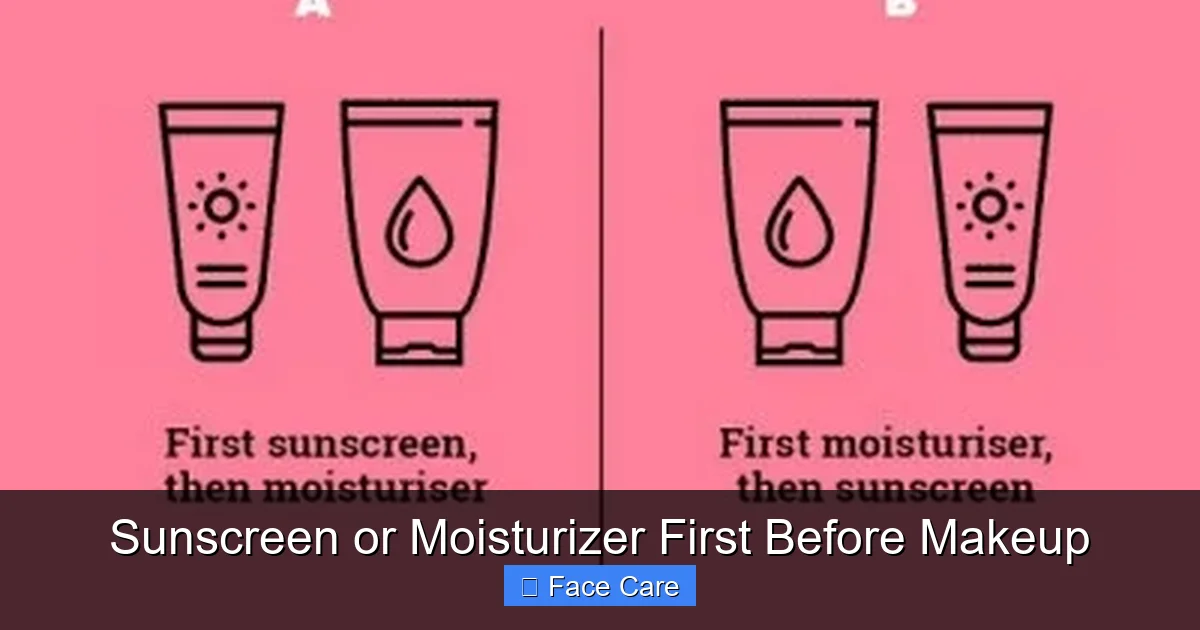
Your skin is like a sponge—it absorbs products best when they’re applied in the right order. Think of it like building a sandwich: you start with the base, add the filling, then top it off. In skincare, this means starting with the thinnest consistency and working your way up. This is known as the “skincare sandwich method,” and it ensures each product has room to do its job without being diluted or pushed around by heavier layers.
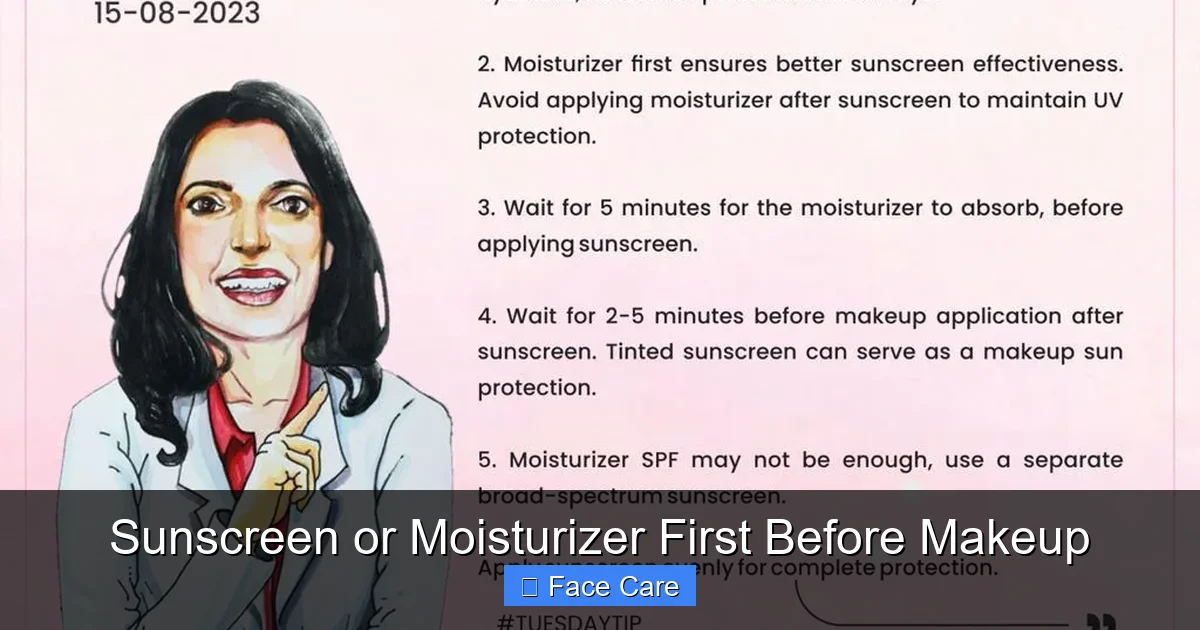
Visual guide about Sunscreen or Moisturizer First Before Makeup
Image source: drreemaarora.com
Why Order Matters
Moisturizers are designed to hydrate and create a smooth surface on your skin. They often contain humectants like hyaluronic acid that pull moisture into the skin. If you slap on sunscreen right away, it might sit on top of the moisturizer without penetrating fully—or worse, dilute its active ingredients. On the flip side, sunscreen is your shield against harmful UVA and UVB rays. It needs to form a uniform film across your skin to block UV radiation effectively. Applying it over moisturizer (after it’s absorbed) gives it the ideal canvas to work on.
Now, here’s a fun fact: most dermatologists agree that moisturizer should always come before sunscreen, especially if you’re using a mineral (physical) sunscreen like zinc oxide. These types sit on top of the skin and need a clean, slightly textured surface to spread evenly. Chemical sunscreens, while absorbed into the skin, still benefit from being applied after hydration so they don’t irritate dry or sensitive areas.
Step-by-Step: The Perfect Morning Routine
Building a solid morning routine doesn’t have to be complicated. With just a few steps, you can protect your skin and prep your complexion for makeup. Here’s how to do it right:

Visual guide about Sunscreen or Moisturizer First Before Makeup
Image source: herbeautyplug.com
Step 1: Cleanse
Start with a gentle cleanser to remove overnight oil buildup and impurities. Even if you didn’t wear makeup, your skin produces natural sebum while you sleep. Cleansing opens pores and allows your moisturizer to penetrate better.
Step 2: Tone (Optional but Helpful)
A hydrating toner can balance your skin’s pH and prep it for better absorption of serums and moisturizers. Look for alcohol-free formulas with soothing ingredients like rose water or niacinamide.
Step 3: Apply Moisturizer
This is where you lay the foundation for everything else. After cleansing, pat your face dry and gently press moisturizer onto your skin—don’t rub! Wait 5–10 minutes for it to fully absorb. You should feel a slight tackiness, not wetness. This waiting time is crucial; rushing means you risk pilling later.
Step 4: Apply Sunscreen
Once your moisturizer is absorbed, it’s sunscreen time. Use a nickel-sized amount (or enough to cover your face and neck) and spread it evenly. Don’t forget your ears, hairline, and décolletage. Let it sit for another minute or two before moving on.
Step 5: Prime and Apply Makeup
With your skincare fully absorbed, your makeup will glide on smoother. A silicone-based primer can help fill in pores and extend wear time, but it’s optional. Foundation, concealer, blush—you’re now working on a perfectly prepped canvas.
Pro tip: If you’re using a tinted moisturizer or BB cream with SPF, remember that it usually provides only about SPF 15–30. That’s not enough for full-day protection. Always layer a separate broad-spectrum SPF 30+ over it.
What Happens If You Mix Up the Order?
You might think putting sunscreen before moisturizer won’t hurt much—but it actually can. Imagine trying to put frosting on a cake that already has frosting on it. It just sits on top and doesn’t blend well. The same goes for skincare.
Visual guide about Sunscreen or Moisturizer First Before Makeup
Image source: wikihow.com
If you apply sunscreen first, your moisturizer may push it around or dilute its SPF formula. This reduces its ability to block UV rays effectively. You could end up with white streaks (especially with mineral sunscreens) and compromised protection. Plus, your moisturizer might not sink in properly, leaving your skin feeling greasy or sticky—not ideal under makeup.
On the other hand, skipping moisturizer entirely can backfire. Dry skin reflects light, making fine lines and pores more noticeable. Your foundation might settle into patches, leading to a cakey or uneven finish. Hydration isn’t just for summer—dry skin year-round affects makeup application, so don’t skip this step!
Special Considerations for Different Skin Types
Your skin type influences how you layer products—but not the basic order. Even if you have oily, combination, dry, or sensitive skin, moisturizer before sunscreen remains the gold standard. However, the formulations you choose can vary:
- Oily Skin: Opt for a lightweight gel moisturizer followed by a mattifying sunscreen. Avoid heavy creams that clog pores.
- Dry Skin: Use a richer moisturizer with ceramides or squalane. Follow with a hydrating sunscreen like a tinted moisturizer with SPF (but remember to layer a dedicated SPF on top).
- Sensitive Skin: Choose fragrance-free, mineral-based sunscreens and gentle moisturizers. Patch test new products.
- Acne-Prone Skin: Look for non-comedogenic moisturizers and oil-free sunscreens labeled “won’t clog pores.”
Remember: hydration helps regulate oil production. Even oily skin needs moisture—just pick the right kind.
Common Myths Debunked
There are plenty of misconceptions about sunscreen and moisturizer. Let’s bust a few:
Myth 1: “I Don’t Need Sunscreen Under Makeup”
False. Most foundations offer minimal SPF, often less than SPF 30, and many don’t provide broad-spectrum protection. Without a dedicated sunscreen, you’re vulnerable to sun damage—even indoors (yes, windows let UV rays through!).
Myth 2: “Moisturizer Is Unnecessary If You Use Sunscreen”
Nope. Sunscreen protects against UV rays, but it doesn’t hydrate. Skipping moisturizer can leave your skin tight, flaky, and prone to irritation—especially after cleansing.
Myth 3: “You Can Skip Moisturizer if You Have Oily Skin”
Not true. Oily skin still needs hydration. Dehydrated oily skin often overproduces sebum as a compensation mechanism. A good moisturizer balances this.
Myth 4: “All Sunscreens Are Created Equal”
They’re not. Mineral sunscreens sit on top and are great for sensitive skin. Chemical ones absorb into the skin and may be lighter under makeup—but some people react to certain filters. Always choose broad-spectrum SPF 30+.
How to Fix a Skincare Mistake Midday
Oops—you accidentally used sunscreen before moisturizer. What now? Don’t panic. Blot excess product with a tissue, wait 5 minutes, then reapply moisturizer. It might not be perfect, but it’s better than nothing. For best results, rebuild your routine in the correct order tomorrow.
Also, if your makeup starts sliding or looking patchy midday, it might be due to poor skincare prep. Keep blotting papers and a mini moisturizer handy. Reapplying a bit of moisturizer (not sunscreen!) can refresh your skin without disturbing foundation.
Final Thoughts: Build the Base, Not Just the Look
At the end of the day, makeup is just the cherry on top. Your real beauty comes from healthy, protected skin. By understanding whether sunscreen or moisturizer first before makeup, you’re giving yourself the best chance to glow from within—literally.
It’s easy to rush through your morning routine, especially on busy days. But taking those extra minutes to moisturize, wait, then apply sunscreen sets you up for success. Your future self (with clearer skin and fewer wrinkles) will thank you.
So next time you reach for your foundation brush, pause. Check your routine. Is your skin hydrated? Protected? Prepped? When you get the order right, your makeup doesn’t just look better—it feels better, too.
And that’s worth every second.
Frequently Asked Questions
Can I skip moisturizer if I use sunscreen?
No, you shouldn’t skip moisturizer. While sunscreen protects against UV rays, it doesn’t hydrate your skin. Skipping moisturizer can leave your skin dry and compromise makeup application. Always apply moisturizer first, then sunscreen.
Is it okay to use a tinted moisturizer instead of regular sunscreen?
Using a tinted moisturizer with SPF can be a convenient option, but most only provide SPF 15–30 and may not offer full broad-spectrum protection. For optimal defense, always layer a dedicated SPF 30+ sunscreen over it, regardless of color.
How long should I wait between moisturizer and sunscreen?
Wait about 5–10 minutes after applying moisturizer until it’s fully absorbed—usually when your skin feels slightly tacky rather than damp. This prevents pilling and ensures proper absorption of both products.
Does sunscreen go before or after moisturizer in the skincare sandwich?
Sunscreen goes after moisturizer in the skincare sandwich method. Moisturizer creates a hydrated base, and sunscreen forms the protective top layer against UV damage. The correct sequence is: cleanse → tone → moisturize → wait → sunscreen → makeup.
Can I use moisturizer and sunscreen together in one product?
Yes, some hybrid products combine moisturizer and sunscreen, like “SPF moisturizers.” However, they often don’t provide enough sunscreen coverage for full-face protection. Dermatologists recommend using separate products for better control and effectiveness.
Will skipping the wait time ruin my makeup?
Rushing between products can cause pilling (where products ball up on the skin), uneven texture, and poor sunscreen performance. Taking a few minutes to let each product absorb ensures smoother application and longer-lasting makeup.