How to Take Care Dandruff Hair | Easy Treatment Guide
Dealing with dandruff hair can be frustrating and embarrassing. The good news is that with the right routine and products, you can effectively manage and even eliminate dandruff. This guide walks you through science-backed methods to soothe your scalp, reduce flaking, and restore healthy hair growth—naturally and safely.
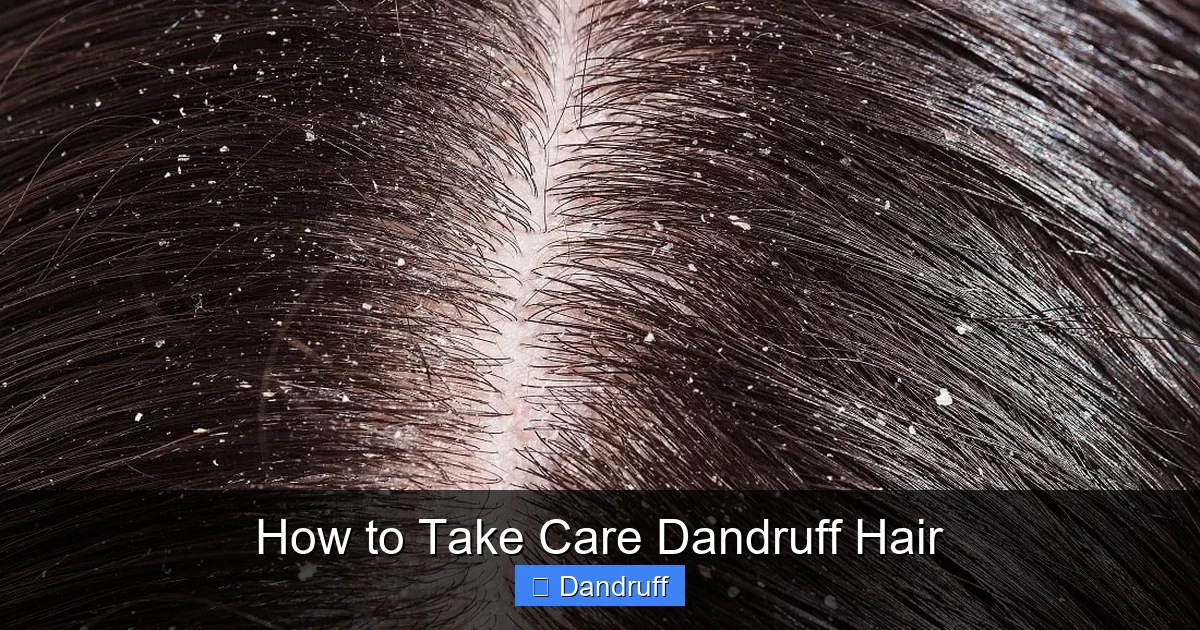
Do you wake up to white flakes on your shoulders like it’s snowing indoors? Or does itching and redness make you want to scratch your scalp raw? You’re not alone. Millions struggle with dandruff hair, a common but manageable condition that affects both men and women regardless of age or hair type. The silver lining? With patience and the right approach, you can reclaim a calm, flake-free scalp and enjoy healthier-looking hair.
Dandruff isn’t just about aesthetics—it’s a sign that something’s off balance in your scalp environment. Whether it’s excess oil, a yeast-like fungus called *Malassezia*, or dry skin, each case requires a slightly different strategy. But don’t worry—this isn’t one of those “try everything and hope” situations. We’re diving deep into practical, science-backed ways to take care of dandruff hair so you can feel confident and comfortable every day.
Key Takeaways
- Identify the cause: Dandruff can stem from dry skin, fungal overgrowth (like Malassezia), or sensitivity to hair products. Understanding the root cause helps you choose the right treatment.
- Use medicated shampoos: Shampoos containing zinc pyrithione, ketoconazole, selenium sulfide, or salicylic acid are clinically proven to treat dandruff effectively.
- Maintain a consistent routine: Washing your hair regularly—but not too often—helps keep oil and dead skin cells under control without drying out your scalp.
- Nourish from within: A balanced diet rich in zinc, omega-3s, B vitamins, and antioxidants supports scalp health and reduces inflammation.
- Avoid harsh styling products: Heavy gels, oils, or sprays can clog pores and worsen dandruff. Opt for lightweight, non-comedogenic formulas instead.
- Manage stress and sleep well: Stress weakens your immune system and can trigger flare-ups. Prioritize rest and relaxation for overall scalp wellness.
- Consult a dermatologist: If home remedies fail, persistent dandruff may signal seborrheic dermatitis or another condition requiring professional treatment.
📑 Table of Contents
Understanding What Causes Dandruff Hair
Before jumping into solutions, let’s talk about what actually causes dandruff. It’s not caused by poor hygiene—many people with clean scalps still deal with flakes. Instead, several factors contribute:
1. Overactive Sebum Production
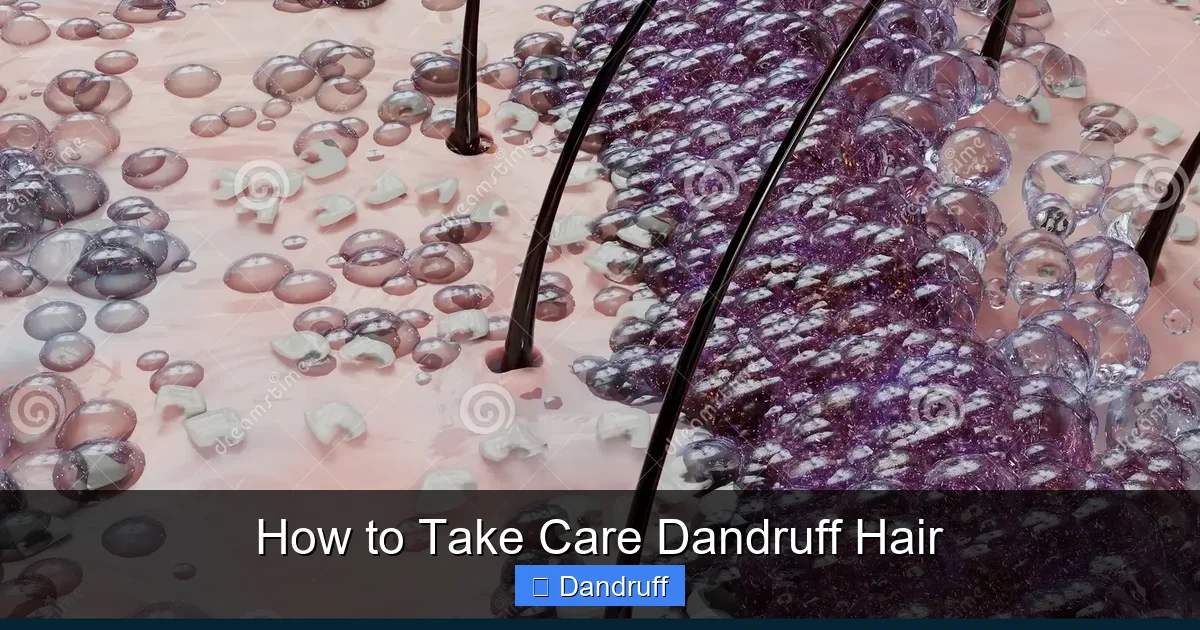
Your scalp produces natural oils called sebum to protect and moisturize hair. Too much sebum can feed the *Malassezia* yeast, which breaks down oils into irritating fatty acids. This leads to inflammation and accelerated skin cell turnover—hence, the visible flakes.
2. Fungal Overgrowth
*Malassezia* is a normal resident of most scalps, but when it grows unchecked, it triggers an immune response. In sensitive individuals, this results in redness, itching, and flaking—classic signs of dandruff hair.
3. Dry Skin Conditions
Cold weather, low humidity, and frequent washing can strip your scalp of moisture. When skin dries out, it sheds more easily, creating fine white flakes that resemble dandruff—even though the cause is dehydration, not fungus.
4. Sensitivity to Hair Products
Some shampoos, conditioners, or styling products contain fragrances, sulfates, or alcohols that irritate the scalp. Over time, these ingredients can disrupt the skin barrier and lead to flaking or irritation.
Recognizing which factor applies to you makes all the difference. For example, if your scalp feels tight after washing, you likely have dry skin. But if there’s greasy residue and intense itching, fungal overgrowth is probably the culprit.
Best Shampoos for Taking Care of Dandruff Hair
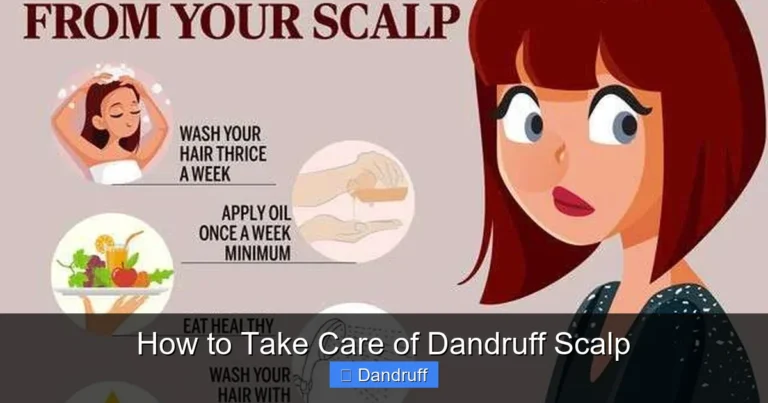
Visual guide about How to Take Care Dandruff Hair
Image source: thumbs.dreamstime.com
Not all anti-dandruff shampoos are created equal. The key is choosing one with active ingredients proven to target your specific issue.
Medicated Shampoos That Work
Look for shampoos containing at least one of these clinically tested ingredients:
– Zinc Pyrithione: Reduces fungal activity and slows skin cell buildup. Great for mild to moderate dandruff.
– Ketoconazole: An antifungal agent used in prescription-strength formulas. Very effective for stubborn cases.
– Selenium Sulfide: Slows skin turnover and reduces yeast. Often used twice weekly for maintenance.
– Salicylic Acid: Exfoliates dead skin cells, helping prevent buildup and flaking.
For best results, use your chosen shampoo 2–3 times per week, leave it on for 3–5 minutes (don’t rinse immediately), then follow with a gentle conditioner only on the ends.
Natural Alternatives Worth Trying
If you prefer gentler options, consider these plant-based ingredients:
– Tea Tree Oil: Has strong antifungal and anti-inflammatory properties. Mix 2–3 drops with your regular shampoo.
– Apple Cider Vinegar Rinses: Help rebalance pH levels and remove buildup. Use once a week as a final rinse.
– Aloe Vera Gel: Soothes irritation and hydrates without clogging pores.
While natural remedies can support scalp health, they may not be strong enough for severe dandruff. Always patch-test new products to avoid allergic reactions.
Daily Routines to Prevent Flakes and Itchiness
Visual guide about How to Take Care Dandruff Hair
Image source: thumbs.dreamstime.com
Consistency is your best friend when taking care of dandruff hair. Here’s how to build a simple, effective daily routine:
Morning: Gentle Cleansing
Start with a mild, sulfate-free shampoo if your scalp feels oily overnight. Avoid hot water—lukewarm is ideal. Massage gently to stimulate circulation without aggravating the scalp.
Evening: Deep Treatment (Optional)
Once or twice a week, use your medicated or tea tree-infused shampoo as a pre-shower treatment. Apply directly to dry scalp, leave for 5 minutes, then rinse thoroughly.
Styling Tips
Avoid heavy products like pomades or hairsprays near the roots. These trap moisture and bacteria, worsening dandruff. Instead, opt for lightweight mousses or serums applied only to mid-lengths and ends.
Also, remember to wash your pillowcases weekly. Bacteria and oils accumulate there, transferring back to your scalp while you sleep.
Nutrition and Lifestyle Hacks for a Healthy Scalp
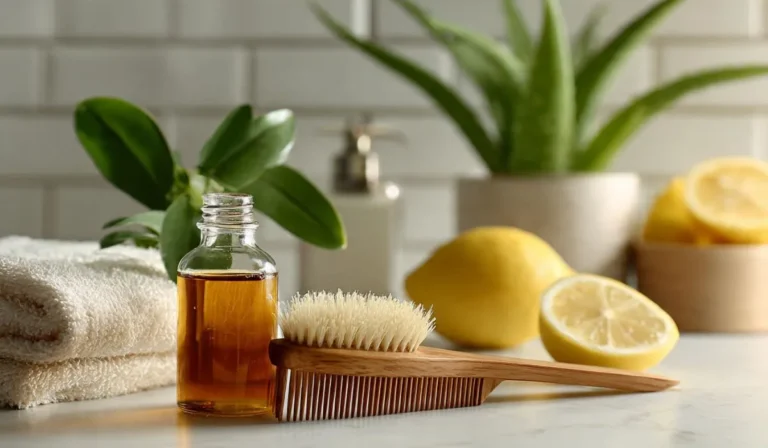
Visual guide about How to Take Care Dandruff Hair
Image source: thumbs.dreamstime.com
What you eat impacts your scalp just like your face. Nutrients play a crucial role in reducing inflammation and supporting skin repair.
Foods That Fight Dandruff
Include these in your diet:
– Fatty fish (salmon, mackerel) for omega-3s
– Nuts and seeds (walnuts, flaxseeds) for zinc and healthy fats
– Leafy greens (spinach, kale) for vitamin E
– Eggs and dairy for biotin and protein
These nutrients help maintain the scalp’s lipid barrier and reduce oxidative stress—two big contributors to flaking.
Hydration Is Key
Drink plenty of water throughout the day. Dehydrated skin flakes more easily, even at the scalp level. Aim for at least 8 glasses daily.
Stress Management Matters
Believe it or not, stress hormones can trigger or worsen dandruff. Practice mindfulness, yoga, or deep breathing exercises. Getting 7–8 hours of sleep also lowers cortisol levels, keeping inflammation at bay.
When to See a Dermatologist
Most cases of dandruff respond well to over-the-counter treatments. But if you notice any of the following, it’s time to consult a healthcare provider:
– Persistent redness or swelling
– Yellow crusts or pus (signs of infection)
– Hair loss in patches
– No improvement after 4–6 weeks of consistent treatment
Conditions like seborrheic dermatitis, psoriasis, or eczema can mimic dandruff but require specialized care. A dermatologist can prescribe stronger medications like corticosteroid creams or oral antifungals if needed.
Common Mistakes People Make with Dandruff Hair
Even with the best intentions, small oversights can sabotage your progress.
Mistake #1: Washing Too Often
Washing daily might seem helpful, but it strips natural oils and can backfire. For many, every other day is sufficient.
Mistake #2: Skipping Conditioner
Using conditioner only on the ends prevents tangles and keeps hair healthy. Never apply it directly to the scalp unless it’s labeled “for sensitive scalps.”
Mistake #3: Ignoring Sun Protection
Just like your face, your scalp needs sun protection. Wear hats or use UV-protective sprays during peak sunlight hours. (For related skincare tips, see our article on is it okay to use sunscreen at home.)
Mistake #4: Using Expired Products
Expired shampoos lose effectiveness. Check expiration dates and store products away from humidity.
By avoiding these pitfalls, you set yourself up for long-term success in managing dandruff hair.
Frequently Asked Questions
How often should I wash my hair if I have dandruff?
It depends on your scalp type. Oily scalps benefit from every other day washing, while dry scalps may only need two to three times weekly. Overwashing can worsen flaking by stripping natural oils. Listen to your scalp and adjust accordingly.
Can diet really affect dandruff?
Yes! Deficiencies in zinc, B vitamins, and omega-3 fatty acids are linked to increased dandruff. Eating foods rich in these nutrients helps reduce inflammation and supports healthy skin turnover on the scalp.
Are essential oils safe for treating dandruff?
Many essential oils like tea tree and lavender have antimicrobial properties that can help. However, always dilute them properly—usually with a carrier oil or shampoo—and do a patch test first. Undiluted oils can cause irritation.
Will switching to organic shampoo cure my dandruff?
Organic doesn’t automatically mean effective. While natural ingredients can soothe the scalp, dandruff often requires active ingredients like ketoconazole or zinc pyrithione. Read labels carefully and look for proven anti-fungal components.
Is stress a major cause of dandruff?
Stress weakens your immune system and can trigger flare-ups in genetically predisposed individuals. Managing stress through exercise, meditation, or therapy may reduce how often dandruff appears, especially during high-pressure periods.
Can children get dandruff?
Absolutely. Infants can develop cradle cap (a form of infantile seborrheic dermatitis), while older kids and teens often experience dandruff due to hormonal changes or product use. Gentle, fragrance-free shampoos usually resolve it.