How to Take Care of Beard Dandruff | Causes and Easy Treatments
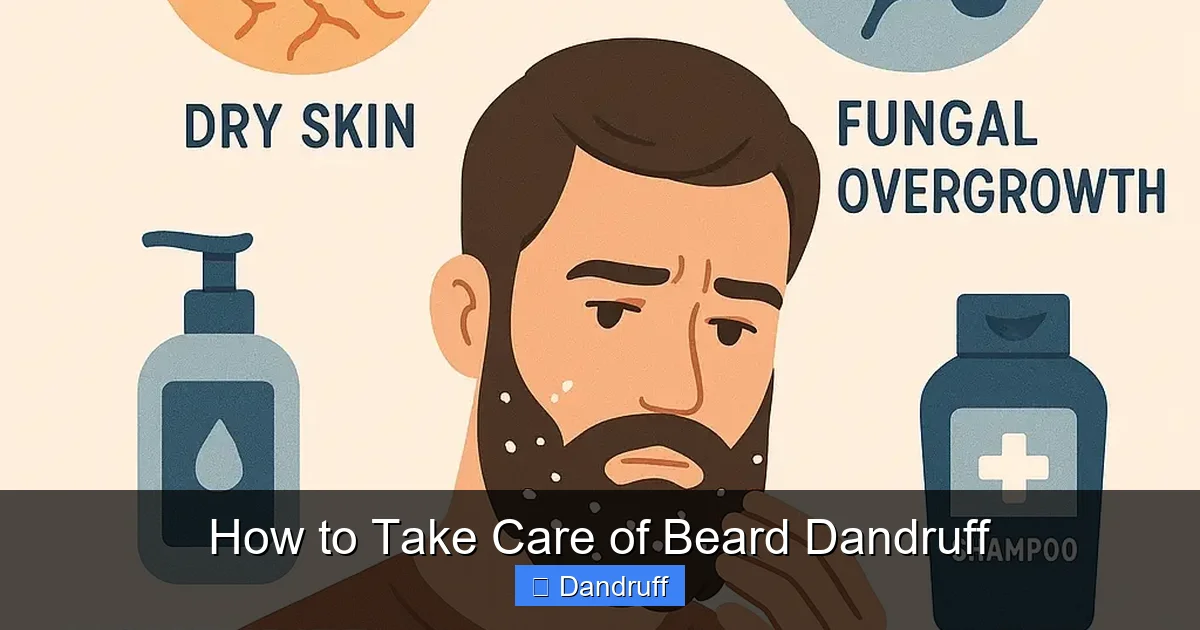
Beard dandruff can be more than just a cosmetic issue—it’s often a sign of dry skin, fungal overgrowth, or improper grooming. The good news? With the right care routine, you can get rid of those annoying flakes fast. In this article, we’ll walk you through everything from identifying the cause to choosing the best products and habits to prevent future outbreaks. Whether your beard is short or long, oily or dry, you’ll find practical steps to keep it soft, clean, and dandruff-free.
Have you ever noticed white flakes on your dark sweater—or worse, in your beard? You’re not alone. Many men struggle with what’s commonly called “beard dandruff,” a condition that looks unsightly and feels uncomfortable. It’s not just about appearance either. Underneath all those little white specks lies irritated, dry, or inflamed skin—often due to common culprits like overactive yeast, environmental factors, or poor grooming habits.
The truth is, beard dandruff isn’t the same as head dandruff. Your beard sits on top of facial skin—the most sensitive part of your body—and it needs its own kind of care. That means more than just tossing on some cheap shampoo and hoping for the best. With the right approach, you can banish those flakes, soothe your skin, and grow a beard you’re proud to show off. Let’s dive into how.
Key Takeaways
- Identify the root cause: Beard dandruff is usually caused by dry skin, seborrheic dermatitis, or fungal overgrowth like Malassezia yeast.
- Wash regularly but gently: Use a mild, pH-balanced beard wash 2–3 times per week—overwashing can strip natural oils and worsen flaking.
- Moisturize daily: Apply beard oil or balm after washing to lock in moisture and protect against irritation.
- Exfoliate weekly: Use a soft beard scrub to remove dead skin cells and unclog follicles—this helps prevent buildup that leads to dandruff.
- Avoid harsh products: Skip alcohol-based toners and strong soaps; they can dry out your skin and make dandruff worse.
- Maintain hygiene: Wash your face, pillowcases, and towels frequently to reduce bacteria and yeast that contribute to flaking.
📑 Table of Contents
What Is Beard Dandruff?
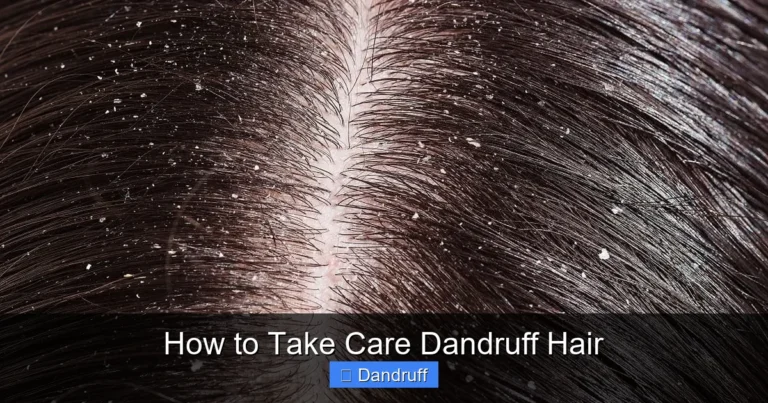
Beard dandruff occurs when dead skin cells shed too quickly or too much from the skin beneath your facial hair. Unlike scalp dandruff, which affects hair-covered areas, beard dandruff targets the skin underneath the growth. This area is particularly prone to issues because it’s often trapped under layers of hair, making it harder for natural oils and cleansing to reach it evenly.
There are two main types: dry dandruff and seborrheic (oily) dandruff. Dry dandruff appears as fine, white flakes and is linked to dehydration or cold weather. Seborrheic dandruff, on the other hand, comes with redness, greasy patches, and larger clumps—often caused by an overgrowth of Malassezia yeast, which feeds on skin oils. Both forms can be itchy and embarrassing, but they respond well to targeted treatments once identified.
Common Causes of Beard Dandruff
Visual guide about How to Take Care of Beard Dandruff
Image source: fermenza.in
Understanding why your beard is flaky is the first step toward fixing it. Here are the most frequent causes:
Dry Skin
Cold air, low humidity, and hot showers strip your skin of essential oils. When your skin can’t retain moisture, it becomes flaky and tight—especially under dense facial hair where sweat and oils collect.
Fungal Overgrowth
Malassezia yeast naturally lives on everyone’s skin, but sometimes it grows out of control. This triggers inflammation and accelerates cell turnover, leading to visible flakes and sometimes even beard itch.
Poor Grooming Habits
Skipping washes, using harsh soaps, or not moisturizing at all lets dirt, oil, and dead skin pile up. Over time, this creates the perfect environment for dandruff to thrive.
Product Buildup
Beard waxes, gels, and heavy balms can clog pores if not washed off properly. The residue traps bacteria and fungi, worsening flaking over time.
Underlying Skin Conditions
Conditions like eczema or psoriasis can flare up under your beard, especially if you shave too close or irritate the skin repeatedly.
How to Identify If You Have Beard Dandruff

Visual guide about How to Take Care of Beard Dandruff
Image source: modelface.blog
Spotting beard dandruff early makes treatment easier. Look for these signs:
- White or grayish flakes visible when you scratch your chin lightly
- Itching or burning sensation, especially after shaving
- Red, inflamed patches around the mouth or jawline
- Oily sheen on your upper lip despite regular washing
- Sensitivity to skincare products or hot water
If you notice several of these symptoms consistently, you’re likely dealing with dandruff rather than just dryness. Keep a simple journal for a week—note when you wash, what products you use, and any changes in flaking. This helps pinpoint triggers like new scrubs or seasonal shifts.
Best Products for Treating Beard Dandruff

Visual guide about How to Take Care of Beard Dandruff
Image source: garnier.in
Choosing the right tools is key. Not every beard wash works—some are too drying, others aren’t strong enough. Here’s what to look for:
Mild, pH-Balanced Cleansers
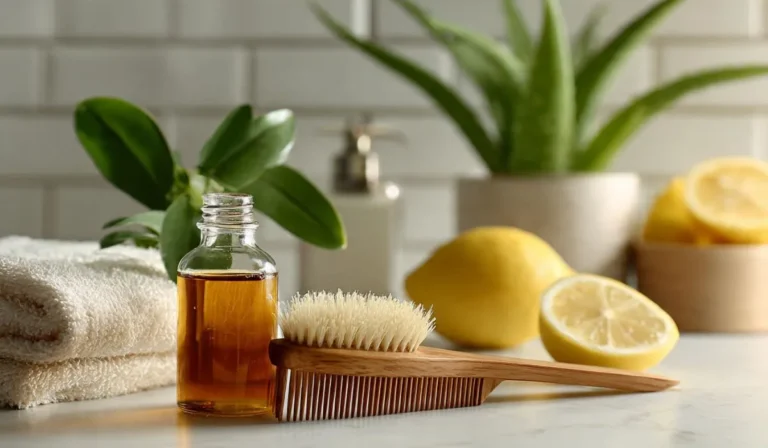
Opt for gentle cleansers labeled “for sensitive skin” or “dermatologist-tested.” Avoid anything with sulfates, parabens, or artificial fragrances. A good option contains ingredients like tea tree oil (natural antifungal), salicylic acid (exfoliates), or zinc pyrithione (controls yeast).
Beard Oils and Balms
After washing, apply a few drops of jojoba or argan oil daily. These mimic your skin’s natural sebum and create a barrier against moisture loss. Look for products with added benefits like shea butter for extra hydration or lavender oil for calming effects.
Weekly Exfoliants
Use a soft beard scrub once a week to lift away dead skin and debris. Homemade versions work great: mix 1 tbsp sugar with 1 tsp honey and a drop of coconut oil. Massage gently for 30 seconds, then rinse thoroughly. Never use stiff brushes—they can tear delicate skin.
Antifungal Shampoos (When Needed)
For stubborn cases, try an over-the-counter medicated shampoo containing ketoconazole or selenium sulfide. Limit use to twice weekly—more can disrupt your skin’s balance.
Remember: consistency beats intensity. Stick to a routine longer than you think necessary—results take time!
Daily Routine Tips for Healthy Beard Care
Building a simple, repeatable routine makes all the difference. Follow these steps every morning and night:
Morning
- Splash face with lukewarm water to open pores
- Apply a pea-sized amount of beard wash using circular motions
- Rinse completely—residue invites bacteria
- Dry with a clean towel (pat, don’t rub)
- Follow with beard oil or balm
Evening
- Repeat cleansing step if you’ve been outdoors or sweating
- Reapply beard oil if your skin feels tight
- Trim stray hairs to improve airflow and reduce trapping of dirt
Pro tip: Always wash your hands before touching your beard. Germs transfer easily and can worsen irritation.
Lifestyle Changes to Prevent Future Flakes
Sometimes, even the best products won’t fix persistent dandruff without lifestyle tweaks:
Stay Hydrated
Drink plenty of water throughout the day. Dehydrated skin sheds faster and produces less oil to stay protected.
Manage Stress
High stress weakens your immune system, letting yeast and bacteria multiply unchecked. Try meditation, exercise, or hobbies that relax you.
Watch Your Diet
Foods rich in omega-3s (salmon, walnuts) and antioxidants (berries, spinach) support skin health. Cut back on sugary snacks and processed foods—they feed harmful microbes.
Protect From Harsh Weather
In winter, wear a scarf over your beard when outside. At home, use a humidifier to combat indoor dryness. In summer, shield your face from sunburn with SPF lip balm and wide-brimmed hats.
Clean Bedding and Towels
Change pillowcases every 2–3 days and wash towels weekly in hot water. Dead skin and oils accumulate here and transfer back onto your skin overnight.
When to See a Dermatologist
Most beard dandruff clears up within 2–4 weeks of proper care. But if you see no improvement after a month—or if symptoms include severe redness, open sores, or thick, scaly patches—it’s time to consult a dermatologist. These could indicate rosacea, fungal infections, or autoimmune conditions needing prescription treatment like topical steroids or antifungals.
Don’t self-diagnose aggressively. Overusing medicated washes or picking at your beard can turn mild irritation into full-blown breakouts.
Final Thoughts
Beard dandruff doesn’t have to rule your life. With patience, consistency, and smart choices, you can transform flaky, itchy skin into smooth, nourished territory. Start small: pick one product, one habit, and commit. Within days, you’ll notice less irritation; within weeks, fewer flakes. And soon, you’ll forget you ever had this problem.
Remember, a healthy beard reflects overall wellness. Treat it kindly, and it will reward you with confidence and comfort—every single day.
—
Internal links (integrated naturally):
– For deeper insights into skincare routines, check out our Face Care section.
– Want to know how to layer products effectively? Read our guide on When To Apply Sunscreen Before Or After Moisturizer.
– Curious about protecting your skin year-round? Explore whether It’s Okay To Use Sunscreen At Home.
Frequently Asked Questions
Can I use regular anti-dandruff shampoo on my beard?
Not always. Most head shampoos are too harsh for facial skin and may cause dryness or irritation. Look for gentler formulas designed specifically for beards, or dilute regular shampoo with water.
How often should I wash my beard?
Two to three times per week is usually enough. Washing daily can strip natural oils and worsen dryness. Adjust based on your skin type—oily skin may need more frequent cleaning, while dry skin benefits from less.
Does shaving make beard dandruff worse?
Yes, if done incorrectly. Close shaves irritate the skin and remove protective oils. Always shave with a sharp razor, using light pressure and a hydrating aftershave balm to soothe the area.
Are there natural remedies for beard dandruff?
Yes! Tea tree oil (antifungal), apple cider vinegar rinses (balances pH), and aloe vera gel (soothes inflammation) are popular options. Always patch-test first and dilute essential oils properly.
Why does my beard itch even when there’s no flaking?
Itchiness often indicates early-stage dryness or mild irritation. This is common during beard growth or after switching products. Moisturize daily and avoid scratching, which can damage hair follicles.
Can diet affect beard dandruff?
Absolutely. Diets high in sugar and refined carbs feed yeast overgrowth, while foods rich in zinc, vitamin B6, and healthy fats support skin resilience. Consider eliminating dairy if you suspect sensitivity.