How to Care for Dandruff Scalp | Effective Treatments for a Healthy, Flake-Free Scalp
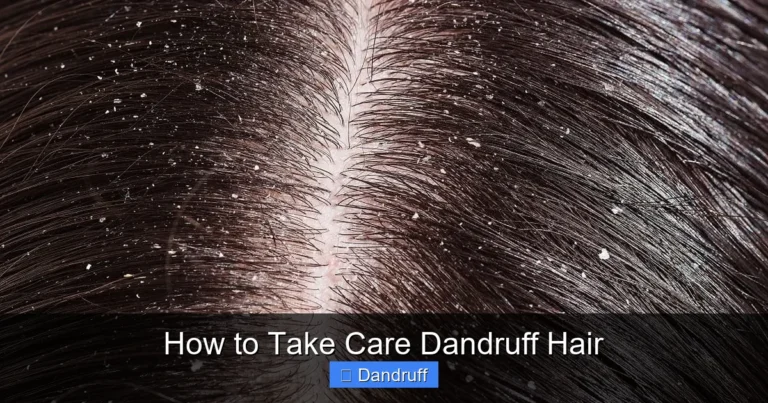
A dandruff scalp is more than an aesthetic concern. Those visible flakes usually signal scalp imbalance—excess oil, irritation, and overgrowth of a natural yeast that disrupts the skin barrier. If you only treat hair strands and ignore the scalp, flakes keep returning.
This comprehensive guide explains why dandruff happens, and gives you a practical, step-by-step routine to calm itching, reduce flakes, and restore scalp health using gentle methods aligned with dermatology guidance.
What Causes a Dandruff Scalp?
Persistent dandruff is commonly associated with Seborrheic dermatitis. A yeast called Malassezia naturally lives on the scalp. When oil levels, product buildup, stress, or weather changes occur, this yeast can multiply and speed up skin cell turnover—leading to flakes.
Common triggers
- Oily or sweaty scalp
- Infrequent or improper washing
- Heavy styling products and residue
- Stress and poor sleep
- Cold, dry weather
- Nutrient gaps (zinc, B-vitamins, omega-3)
Key idea: Treat the scalp ecosystem first. Healthy hair follows.
How to Care for Dandruff Scalp | Effective Treatments for a Healthy, Flake-Free Scalp:
Step 1: Cleanse the Scalp Properly (Technique Matters)
How
- Shampoo 2–3 times weekly with a gentle, sulfate-free formula
- Apply shampoo to the scalp first
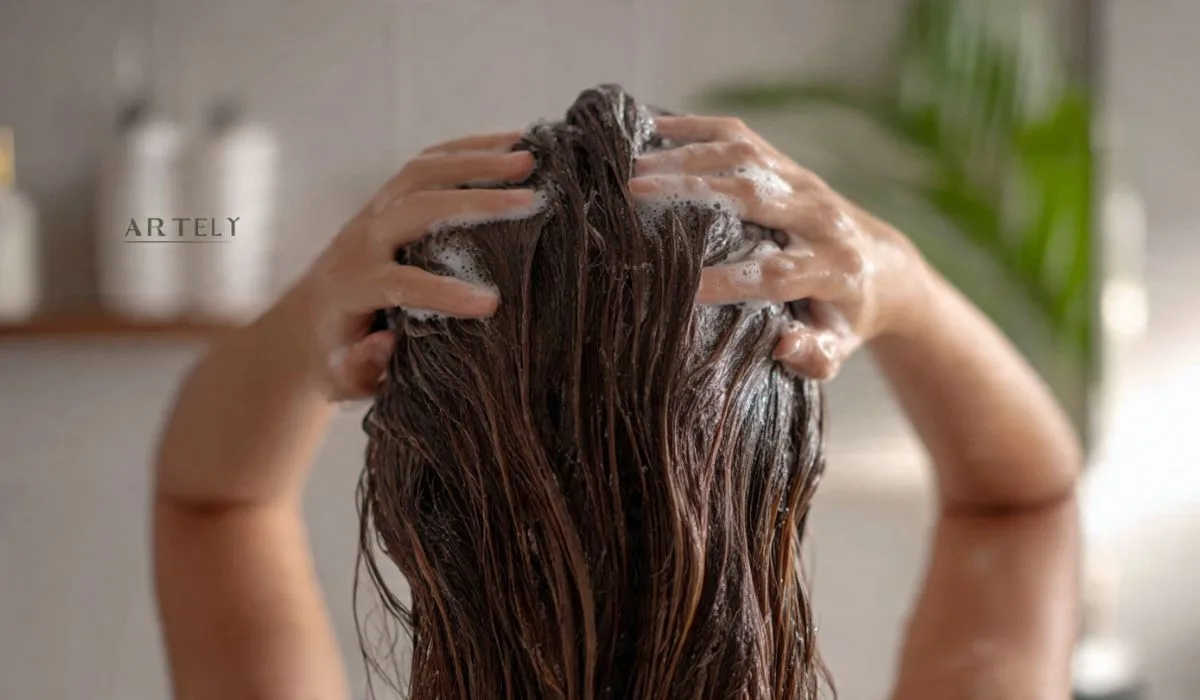
- Massage with fingertips for 2–3 minutes to loosen flakes
- Let the lather run through hair lengths
- Rinse thoroughly to avoid residue
Avoid: Very hot water—it worsens dryness and itching.
Step 2: Short Pre-Wash Oil Massage (Loosen, Don’t Suffocate)
Oiling helps if it’s brief and followed by washing.
Best choices
- Coconut oil (supports antifungal balance)
- Jojoba oil (balances sebum)
- Almond oil (soothing)
How
- Warm 1–2 tbsp oil
- Massage 8–10 minutes into the scalp
- Leave 20–30 minutes, then shampoo
Do this once weekly. Overnight oiling may worsen flakes.
Step 3: Aloe Vera Scalp Mask (Calms Inflammation)
Aloe vera supports barrier repair and reduces redness.
How
- Apply fresh aloe gel directly to the scalp
- Leave 30 minutes
- Rinse and shampoo lightly
Use twice weekly during flare-ups.
Step 4: Apple Cider Vinegar Rinse (Restore pH)
A mildly acidic rinse discourages yeast overgrowth.
How
- Mix 1 part ACV : 2 parts water
- Pour over scalp after shampoo
- Wait 3–5 minutes, rinse
Use once weekly.
Step 5: Add Tea Tree Oil (Antifungal Support)
Tea tree oil is widely studied for dandruff-related microbes.
How
- Add 8–10 drops to your shampoo bottle
- Or dilute with a carrier oil for a short massage
Patch test if you have sensitive skin.
Step 6: Yogurt or Fenugreek Mask (Traditional + Effective)
Yogurt
- Probiotic support for scalp balance
- Apply 20 minutes before washing
Fenugreek (methi)
- Soak seeds overnight, grind to paste
- Apply 30 minutes, then rinse
Use one option weekly.
Read More: How to Take Care of Cat Dandruff | Simple Steps
Step 7: Condition Hair Lengths Only
Conditioner on the scalp can trap oil and worsen flakes.
- Apply from mid-length to ends only
- Rinse thoroughly
Step 8: Dry the Scalp Correctly
A damp scalp encourages yeast growth.
- Towel-dry gently
- Air-dry in a ventilated space
- Avoid tying hair when wet
- Limit heat styling during active dandruff
Step 9: Reduce Product Buildup
Gels, sprays, and dry shampoos trap flakes and oil.
- Minimize styling products
- Use a gentle clarifying wash every 10–14 days
Step 10: Eat for Scalp Health (Internal Care)
Nutrition directly affects scalp balance.
Add
- Eggs (biotin)
- Nuts & seeds (vitamin E, zinc)
- Fatty fish or flaxseed (omega-3)
- Leafy greens (iron)
- Citrus fruits (vitamin C)
Hydrate with 8–10 glasses of water daily.
Weekly Care Schedule for a Dandruff Scalp:
| Day | Routine |
|---|---|
| Monday | Shampoo + ACV rinse |
| Wednesday | Aloe vera mask |
| Friday | Oil massage + shampoo |
| Sunday | Yogurt or fenugreek mask |
Effective Tips That Make a Noticeable Difference:
- Clean combs and brushes weekly
- Change pillowcases twice a week
- Avoid scratching with nails
- Don’t share towels
- Wear breathable headwear; avoid sweaty caps
- Manage stress with sleep and light activity
What Dermatology Authorities Emphasize:
Guidance aligned with the American Academy of Dermatology and the National Health Service highlights:
- Keep the scalp clean and dry
- Use antifungal support carefully
- Avoid heavy oiling without washing
- Support natural care with medicated shampoo if flakes are thick or persistent
- Seek care if redness spreads beyond the scalp
Natural methods are effective for mild to moderate dandruff and maintenance.
Mistakes That Worsen a Dandruff Scalp:
- Oiling and skipping shampoo
- Washing daily with harsh shampoo
- Very hot showers
- Sleeping with wet hair
- Ignoring diet and hydration
- Scratching repeatedly
When to See a Dermatologist:
Seek professional care if you notice:
- Thick, greasy yellow scales
- Red patches around ears, eyebrows, or nose sides
- Severe itching and hair shedding
- No improvement after 4 weeks
It may indicate a stronger form of Seborrheic dermatitis or another scalp disorder.
Benefits of Consistent Scalp Care:
- Restores oil balance
- Reduces flakes and itching
- Improves hair texture and shine
- Prevents recurrence
- Safe for sensitive scalps
- Budget-friendly and sustainable
FAQs:
1. How often should I wash a dandruff scalp?
2–3 times per week is ideal for most people.
2. Can I oil my scalp with dandruff?
Yes, briefly, and always shampoo afterward.
3. Does dandruff cause hair fall?
Yes. Inflammation and scratching can weaken roots.
4. Is lemon helpful for dandruff?
In small amounts mixed with oil, it may help rebalance pH.
5. Can I use conditioner?
Yes, but only on hair lengths—not the scalp.
6. How long does natural care take to work?
You may see improvement within 2–3 weeks with consistency.