How to Take Care of Dandruff Scalp | Use Anti-Dandruff
Dandruff can be more than just an annoying scalp issue—it’s often a sign of irritation or imbalance. Taking care of dandruff scalp starts with understanding what causes it and using the right products consistently. With simple daily routines, natural remedies, and smart lifestyle choices, you can reduce flakes, soothe itchiness, and restore healthy hair growth.
Let’s face it—dandruff isn’t just about looking messy. That constant white shedding, especially when you run your fingers through your hair, can be embarrassing and uncomfortable. But here’s the good news: taking care of dandruff scalp doesn’t have to mean giving up your favorite hairstyles or spending hours at the salon. With a few simple adjustments to your routine and mindset, you can reclaim a clean, comfortable scalp. Whether you’re dealing with mild flaking or persistent redness, this guide walks you through everything you need to know—from choosing the right products to making lasting lifestyle changes.
Dandruff affects millions worldwide, and while it might seem like a minor nuisance, it’s actually the body’s way of signaling that something’s off. Your scalp is sensitive real estate—constantly exposed to environmental pollutants, heat from styling tools, and harsh chemicals in shampoos. When these factors disrupt the balance of your scalp microbiome or trigger an inflammatory response, flaking and itching follow. The key isn’t just masking symptoms; it’s restoring harmony. By focusing on hydration, gentle cleansing, and nourishment, you create an environment where dandruff can’t thrive.
Key Takeaways
- Identify the cause: Dandruff may stem from dry skin, fungal overgrowth (like Malassezia), sensitivity to hair products, or underlying conditions like seborrheic dermatitis.
- Use medicated shampoos: Shampoos with zinc pyrithione, ketoconazole, selenium sulfide, or salicylic acid help control flaking and oil buildup.
- Shampoo regularly but gently: Wash your hair every 1–2 days with lukewarm water; avoid hot showers that strip natural oils and worsen dryness.
- Moisturize your scalp: Apply lightweight, non-comedogenic oils like jojoba or argan oil to calm irritation and prevent excessive dryness.
- Watch your diet: A balanced diet rich in omega-3s, zinc, and B vitamins supports skin health and may reduce dandruff flare-ups.
- Avoid harsh styling products: Stay away from heavy gels, sprays, or waxes that clog pores and irritate the scalp.
- Manage stress: High stress levels can trigger inflammation and worsen scalp conditions—practice mindfulness or light exercise.
📑 Table of Contents
Understanding What Causes Dandruff
Before diving into solutions, let’s talk about why dandruff happens in the first place. Think of your scalp like any other part of your skin—it has its own ecosystem. When this ecosystem gets disrupted, problems arise. The most common culprits include:
Dry Skin (Xerosis)
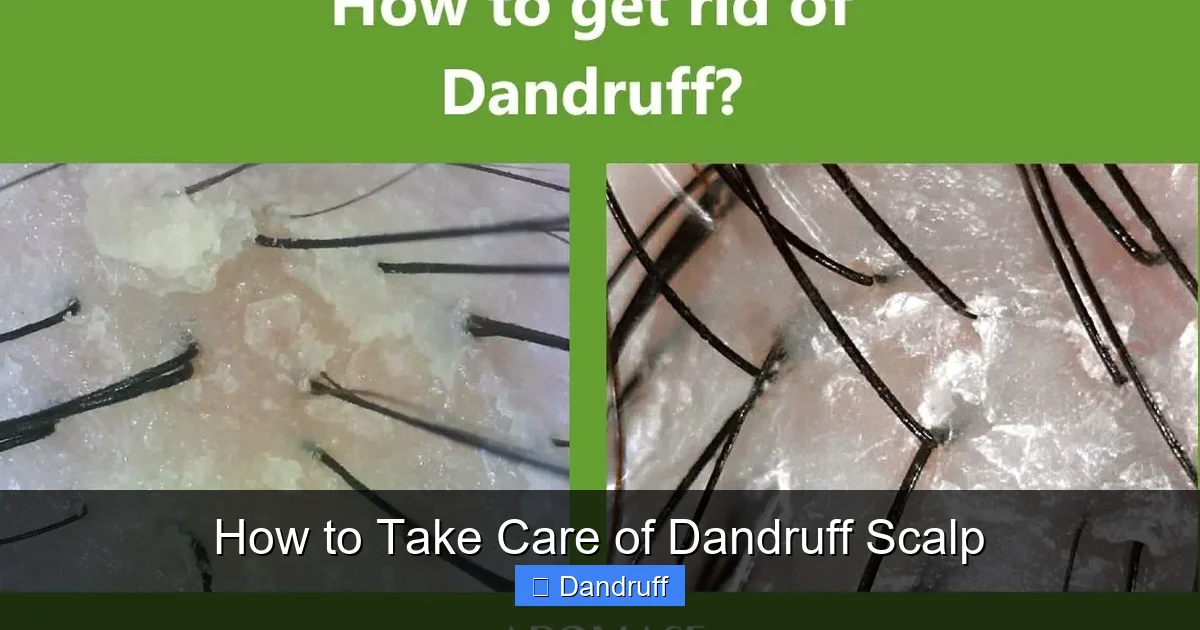
Dry scalp occurs when moisture evaporates too quickly due to cold weather, low humidity, or over-washing. Unlike oily dandruff, dry dandruff tends to produce large, white flakes without much redness or itching. If you live in a dry climate or use hot water daily, this could be your trigger.
Fungal Overgrowth (Malassezia)
Your scalp naturally hosts yeast called Malassezia. In some people, this yeast feeds on scalp oils and produces oleic acid, which irritates the skin and triggers inflammation. This type of dandruff—often seen as greasy yellow scales—is linked to seborrheic dermatitis, a common inflammatory condition.
Sensitivity to Hair Products
Fragrances, sulfates, parabens, and alcohol in shampoos and styling products can irritate sensitive scalps. Even “natural” labels sometimes pack hidden irritants. Patch testing new products and reading ingredient lists carefully helps identify sneaky offenders.
Underlying Health Conditions
Sometimes dandruff signals deeper issues like eczema, psoriasis, or even nutritional deficiencies. If your scalp feels painful, swollen, or shows unusual color changes, consult a dermatologist.
The Right Shampoo for Dandruff Scalp Care
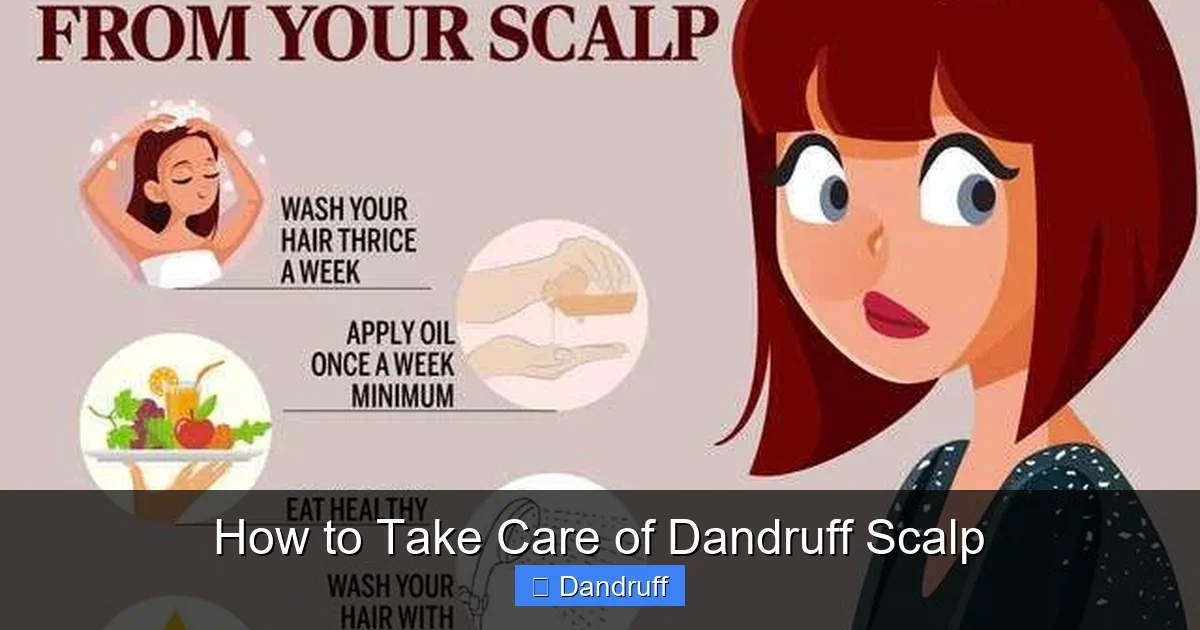
Visual guide about How to Take Care of Dandruff Scalp
Image source: continentalhospitals.com
No matter the root cause, finding the right shampoo is step one toward how to take care of dandruff scalp. Not all anti-dandruff shampoos are created equal—some target fungus, others exfoliate dead skin cells. Here’s how to pick wisely:
Medicated Ingredients to Look For
- Zinc Pyrithione: Reduces fungus and slows excess skin cell turnover. Great for mild to moderate cases.
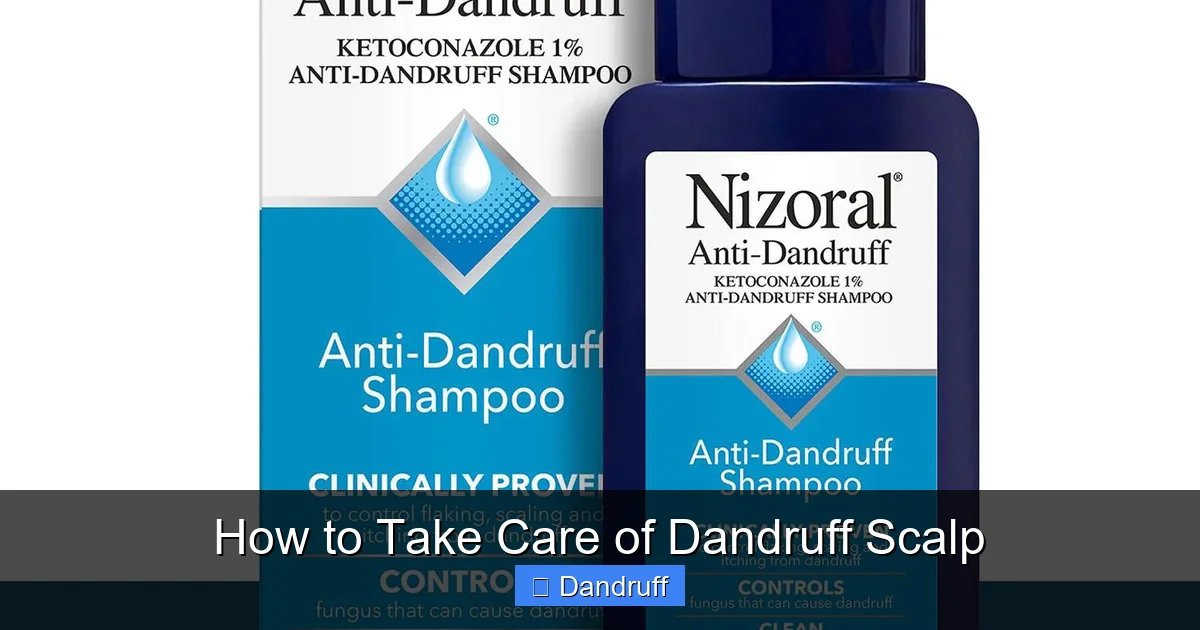
- Ketoconazole: An antifungal powerhouse approved by the FDA for dandruff control. Often found in prescription-strength formulas.
- Selenium Sulfide: Slows cell growth and fights Malassezia. Effective but can bleach colored hair.
- Salicylic Acid: Gently exfoliates dead skin, reducing flakiness. Best paired with moisturizing ingredients.
How to Use Anti-Dandruff Shampoo Properly
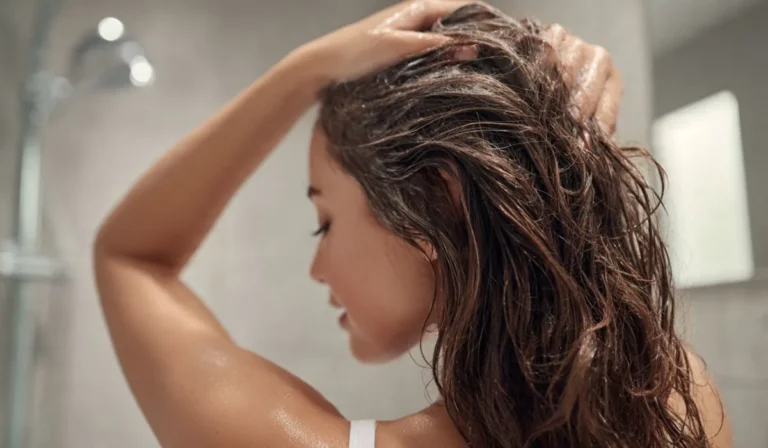
Don’t just rinse and go! Massage the shampoo into your scalp using fingertips (not nails) for 1–2 minutes. Leave it on for at least 5 minutes before rinsing—this gives active ingredients time to work. For stubborn cases, alternate between two different active-ingredient shampoos weekly to prevent resistance.
Natural Alternatives Worth Trying
If you prefer gentler options, tea tree oil shampoos offer antimicrobial benefits without harsh chemicals. Apple cider vinegar rinses (diluted 1:1 with water) can rebalance pH and remove buildup. Just patch-test first!
Daily Routines That Support Healthy Scalp Care
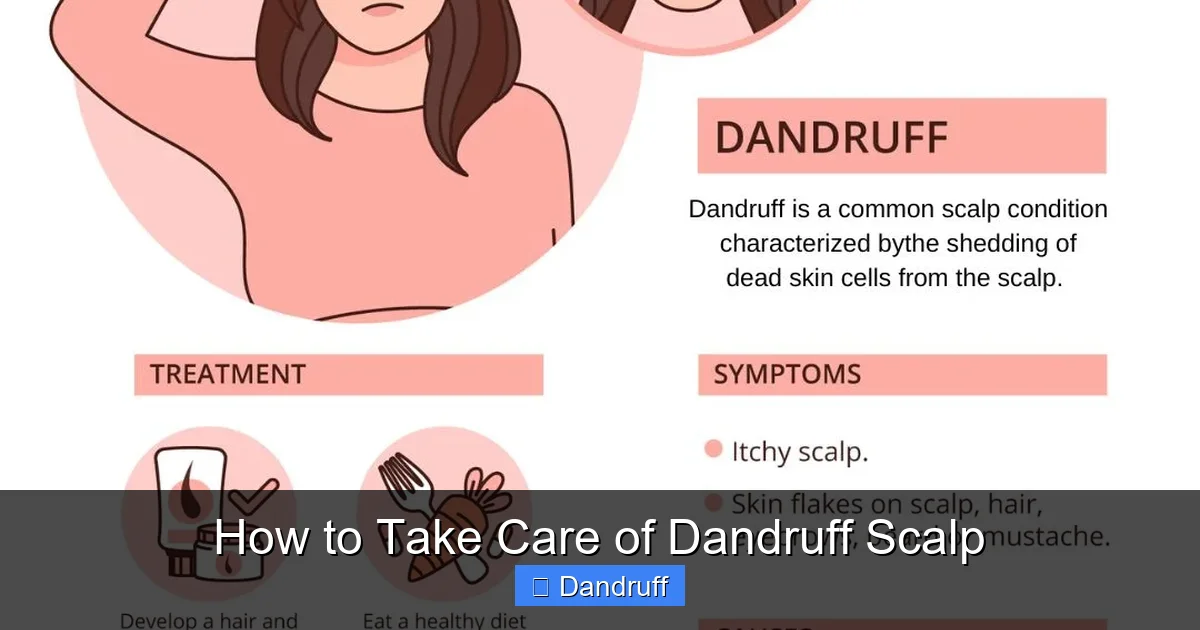
Visual guide about How to Take Care of Dandruff Scalp
Image source: i0.wp.com
Consistency beats intensity when it comes to taking care of dandruff scalp. Small, daily habits add up over time. Start with these essentials:
Wash Frequency & Water Temperature
Washing too often strips protective oils; too little lets buildup accumulate. Aim for every 1–2 days. Always use lukewarm water—hot showers open pores and increase oil production, worsening flakiness.
Scalp Massages for Circulation
Gentle circular motions boost blood flow, delivering nutrients to hair follicles and helping shed dead skin faster. Add a drop of lavender or rosemary essential oil (if not sensitive) for extra calming effects.
Drying Your Hair Correctly
Towel-dry gently—rough rubbing spreads bacteria and irritates the scalp. Let air-dry whenever possible. Avoid hats immediately after washing while your scalp is still damp—trapped moisture breeds yeast.
Nourishing Post-Shampoo Treatments
After shampooing, apply a light conditioner only to your ends. Follow with a scalp serum or oil like jojoba or grapeseed—these mimic your scalp’s natural oils without clogging pores.
Lifestyle Factors That Influence Dandruff
Visual guide about How to Take Care of Dandruff Scalp
Image source: realsimple.com
Your internal world impacts your external appearance more than you think. Stress, diet, and sleep all play roles in scalp health.
Stress Management
When stressed, your body releases cortisol, which increases oil production and inflammation. Try deep breathing, yoga, or short walks during breaks. Even 10 minutes of mindful meditation daily makes a difference.
Nutrition for Clear Skin
Eat foods rich in:
- Omega-3 fatty acids: Found in salmon, walnuts, and chia seeds—they reduce inflammation.
- Zinc: Pumpkin seeds, lentils, and shellfish support skin healing.
- B Vitamins: Whole grains and leafy greens help maintain healthy cell turnover.
Stay hydrated too—dehydration thickens sebum and accelerates flake formation.
Sleep & Hormonal Balance
Poor sleep disrupts hormones that regulate oil glands. Aim for 7–8 hours nightly. Women should also track hormonal shifts during menstruation or perimenopause, as these can spike dandruff activity.
Natural Remedies & Home Treatments
Sometimes, nature offers gentler yet effective alternatives. These DIY methods complement medical treatments beautifully:
Apple Cider Vinegar Rinse
Mix 2 tbsp ACV with 1 cup water. After shampooing, pour over scalp, massage lightly, and rinse after 5 minutes. It balances pH and removes residue.
Coconut Oil Pre-Wash Treatment
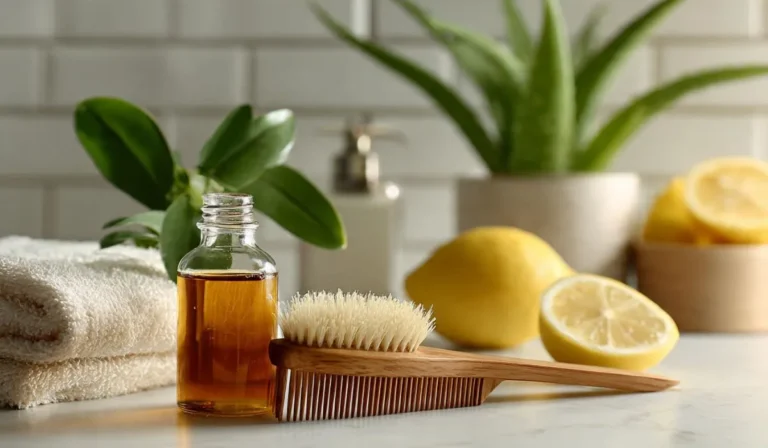
Apply warm coconut oil to scalp 30–60 minutes before washing. It softens flakes and moisturizes deeply. Note: Coconut oil may be comedogenic for some, so test on a small area first.
Olive Oil & Lemon Juice Mask
Combine 1 tbsp olive oil with 1 tsp lemon juice. Apply to scalp, leave on for 20 minutes, then wash out. The vitamin E in olive oil soothes, while lemon’s acidity gently exfoliates.
Always patch-test natural remedies and discontinue if irritation occurs.
When to See a Dermatologist
Most dandruff responds well to home care, but persistent symptoms need professional attention. Visit a dermatologist if you experience:
- Red, inflamed patches that won’t fade
- Pus-filled bumps or crusting
- Hair loss in affected areas
- Unusual odor or discharge
These signs may indicate infections, autoimmune disorders, or severe dermatitis requiring prescription creams or oral medications.
In the meantime, avoid scratching—it damages follicles and spreads infection. Keep fingernails short and clean.
Long-Term Strategies for Prevention
Once your scalp clears up, don’t stop! Maintenance is key to preventing recurrence. Rotate your shampoo monthly to prevent microbial adaptation. Stock up on travel-sized versions to keep routines consistent even when traveling. And remember: scalp health mirrors overall wellness. Eating clean, managing stress, and protecting your skin from sun damage (yes, UV rays dry out your scalp!) all contribute to lasting results.
Also, consider switching pillowcases weekly—flakes and oils accumulate there fast. Opt for silk or satin to reduce friction and retain moisture.
Finally, embrace patience. Healing takes time, especially on sensitive areas like the scalp. Celebrate small wins: “No flakes today!” or “Less itching after shower!” These milestones build confidence and motivation.
Remember, you’re not alone in this journey. Millions navigate dandruff daily, and with the right knowledge and tools, you can too. Focus on nourishment over punishment—your scalp will thank you.
Frequently Asked Questions
Can diet really affect dandruff?
Absolutely! Nutritional imbalances—especially low zinc, omega-3s, or B vitamins—can weaken skin barriers and increase inflammation. Incorporating whole foods supports scalp resilience from within.
Is it okay to use essential oils for dandruff?
Yes, diluted essential oils like tea tree, lavender, or rosemary have antimicrobial and soothing properties. Always mix with a carrier oil (coconut, jojoba) and do a patch test first to avoid reactions.
Will changing my pillowcase help reduce dandruff?
Definitely. Bacteria and oils build up on pillowcases, transferring back to your scalp overnight. Washing them weekly (or using fresh ones daily) cuts down on reinfection and flaking.
Can stress make dandruff worse?
Stress elevates cortisol, which triggers oil production and inflammation—both dandruff triggers. Managing stress through exercise, meditation, or hobbies helps keep flare-ups under control.
Are all anti-dandruff shampoos safe for colored hair?
Not necessarily. Selenium sulfide and certain sulfates can fade color. Look for color-safe formulas labeled “sulfate-free” or use purple-toned clarifying shampoos occasionally to neutralize brassiness.
How long does it take to see results from dandruff treatment?
Most people notice improvement within 1–2 weeks of consistent use. Full resolution may take 4–6 weeks. Stick with medicated shampoos as directed—don’t expect instant miracles.