
Does Cold Climate Makes Skin Darker? Causes, Myths, and Skin Care Tips
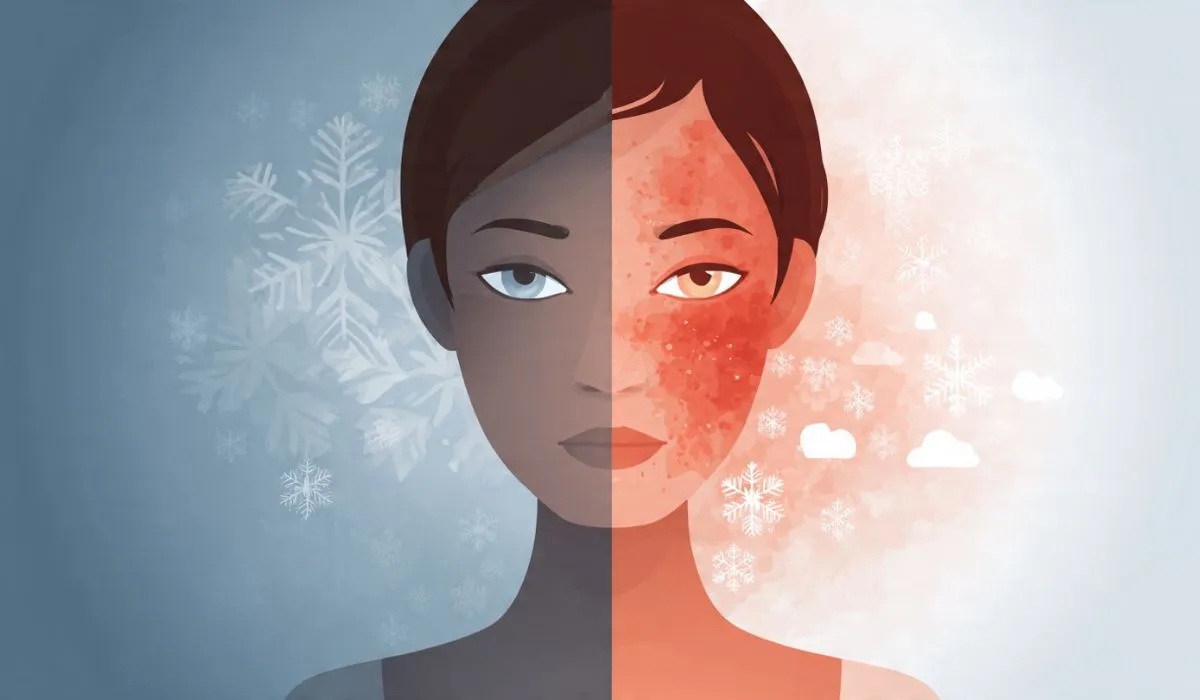
Cold weather often changes the way your skin looks and feels, but a common question people ask is: Does Cold Climate Makes Skin Darker? The short answer is no—cold climate does not directly darken your skin in the way that sun exposure does.
However, cold weather can cause several skin changes that make your complexion look duller, uneven, or slightly darker in appearance.
To understand this properly, we need to look at how skin pigment works, how cold weather affects skin biology, and what lifestyle factors during winter indirectly influence skin tone.
Skin Color and Pigmentation:
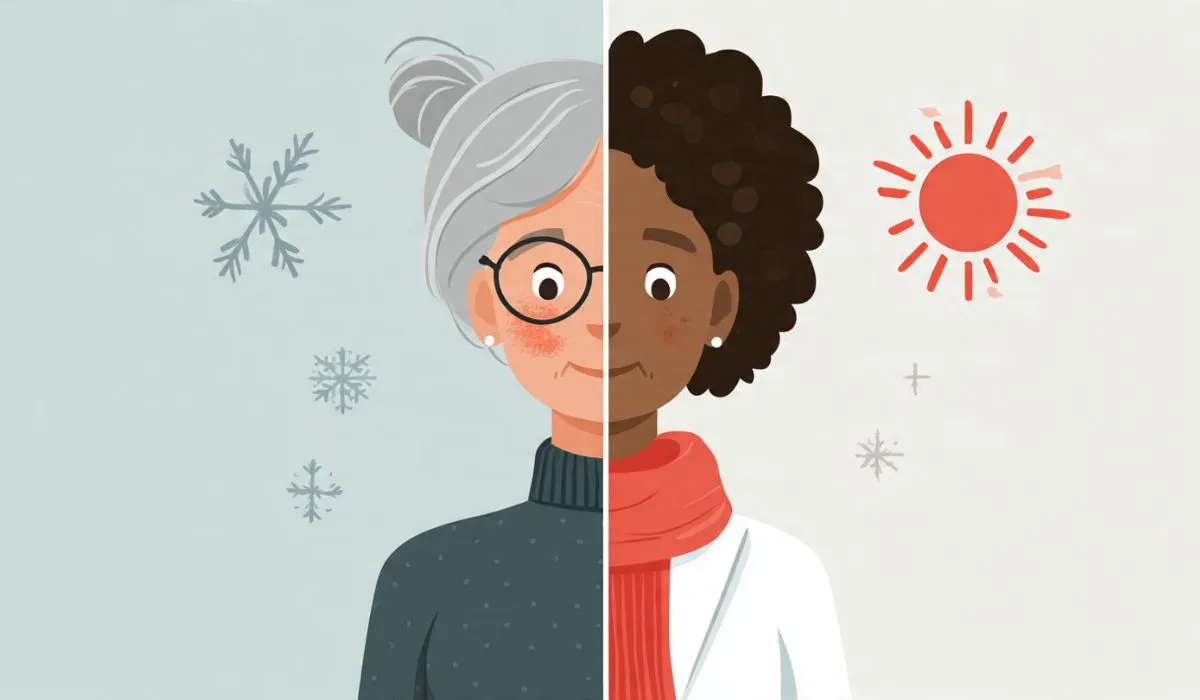
Your skin color is mainly determined by a pigment called melanin. Melanin is produced by cells called melanocytes in the skin. The more melanin you have, the darker your skin appears.
Melanin production is influenced by:
- Genetics
- Sun exposure (UV rays)
- Hormones
- Inflammation or skin injury
Cold weather itself does not increase melanin production. However, environmental conditions in winter can affect how your skin appears, even if melanin levels do not change.
Does Cold Climate Actually Make Skin Darker?
Scientifically speaking: No, cold weather does not directly darken skin.
Unlike UV radiation from the sun, cold temperatures do not stimulate melanin production. So living in a cold region like northern Europe or a winter season in a place like Dhaka will not inherently make your skin darker.
However, many people feel their skin becomes darker or more uneven in winter because of indirect effects.
Why Skin Looks Darker in Cold Weather:
Even though cold air doesn’t increase pigmentation, it can change how your skin reflects light and how healthy it appears.
1. Dry Skin and Dull Appearance
Cold air contains very little moisture. This leads to:
- Dry skin
- Flaky patches
- Rough texture
When the skin surface becomes dry, it doesn’t reflect light evenly. This makes your skin look:
- Duller
- Less radiant
- Slightly darker in tone
This is one of the most common reasons people believe winter “darkens” their skin.
2. Reduced Blood Circulation
In cold weather, your body reduces blood flow to the skin to preserve heat.
This causes:
- Pale or uneven skin tone
- Grayish or dull complexion
- Less “glow” in the face
When circulation is reduced, skin may look tired or darker even without any change in pigmentation.
3. Sun Exposure Still Matters in Winter
Even in cold weather, UV rays are still present. Snow, clouds, and reflective surfaces can still expose your skin to sunlight.
This is important because UV exposure:
- Increases melanin production
- Causes tanning
- Leads to uneven skin tone
So if you are outdoors without sunscreen in winter, you can still get darker skin due to sun exposure—not cold temperature.
4. Dead Skin Cell Build-Up
Cold weather slows down skin renewal. This leads to:
- Accumulation of dead skin cells
- Uneven texture
- Dull complexion
When dead skin builds up, it can make your skin appear darker or more tired-looking.
5. Indoor Heating Effects
Many people spend more time indoors during winter with heaters or dry air conditioning.
This causes:
- Loss of skin moisture
- Increased dryness
- Patchy or uneven tone
The combination of cold outdoor air and dry indoor heating can significantly affect skin appearance.
Read Next: Best Olive Oil For Skin Whitening | Top Picks for Brighter
Cold Climate vs Sun Exposure: The Real Difference:
It’s important to compare cold weather with the actual cause of skin darkening: sunlight.
| Factor | Effect on Skin Color |
|---|---|
| Cold weather | No direct pigmentation change |
| Sun UV rays | Increases melanin (darkens skin) |
| Heat alone | Minimal effect unless combined with UV |
| Dry air | Makes skin look dull, not truly darker |
So if your skin looks darker in winter, it’s usually due to dryness or sun exposure—not cold temperature itself.
Can Cold Weather Cause Uneven Skin Tone?
Yes, indirectly.
Cold weather can lead to:
- Dry patches
- Flaky areas
- Irritation from harsh wind
- Reduced exfoliation
These conditions make skin tone appear uneven, which people may interpret as “darkening.”
What About Skin in Very Cold Countries?
People living in extremely cold regions like Scandinavia or Canada do not naturally develop darker skin due to climate.
Instead, they often experience:
- Very dry skin
- Redness or irritation
- Seasonal dullness
Skin color remains genetically determined unless influenced by UV exposure.
Common Misconceptions About Cold Weather and Skin Color:
Myth 1: Cold air darkens skin
False. Cold air does not affect melanin production.
Myth 2: Winter makes skin permanently darker
False. Any changes are temporary and related to hydration and surface texture.
Myth 3: You don’t need sunscreen in winter
False. UV rays still affect skin even in cloudy or cold weather.
How to Prevent Skin Dullness in Cold Weather:
Even though cold doesn’t darken skin, it can make it look dull. Here’s how to maintain healthy skin tone.
1. Use Moisturizer Daily
Hydration is key. Choose:
- Hyaluronic acid
- Ceramide-based creams
- Glycerin moisturizers
This helps restore glow and smoothness.
2. Apply Sunscreen Every Day
Even in winter, UV exposure can cause tanning and pigmentation.
Use SPF 30 or higher.
3. Exfoliate Gently
Remove dead skin 1–2 times per week to:
- Improve brightness
- Even out skin tone
- Enhance absorption of skincare products
4. Stay Hydrated
Drink enough water daily to support skin health from inside.
5. Use Humidifiers Indoors
Humidifiers add moisture back into dry indoor air, preventing skin from drying out.
Does Cold Weather Affect All Skin Types the Same Way?
No. Different skin types react differently:
- Dry skin: becomes flaky and dull faster
- Oily skin: may still feel tight but less flaky
- Sensitive skin: may become red or irritated
- Combination skin: uneven dryness and texture
This variation can also affect how “dark” your skin appears.
Role of Genetics in Skin Color Stability:
Your baseline skin tone is genetically determined. Cold weather cannot permanently change it.
Even people who experience seasonal dullness return to their normal tone once:
- Hydration improves
- Skin is exfoliated
- Sun exposure is balanced
When to Be Concerned About Skin Darkening?
If you notice persistent dark patches, it may not be due to cold weather. Possible causes include:
- Hyperpigmentation
- Sun damage
- Hormonal changes
- Skin inflammation
In such cases, dermatological advice may be needed.
Final Thoughts:
Cold climate does not directly make your skin darker. What it does is affect the surface of your skin—dryness, reduced circulation, and dead skin buildup can all make your complexion look dull or slightly darker.
The real cause of skin darkening is still UV exposure, not temperature. Winter simply creates conditions that change how your skin reflects light and how healthy it appears.
With proper skincare—moisturizing, sun protection, and hydration—you can maintain a bright, even complexion all year round, regardless of climate.
FAQs:
1. Does cold weather really make your skin darker?
No. Cold weather does not increase melanin production, so it does not directly darken your skin. Any change in appearance is usually due to dryness or dullness.
2. Why does my skin look darker in winter then?
In winter, dry air, dead skin buildup, and reduced blood circulation can make skin look dull or uneven, which may appear like slight darkening.
3. Can cold wind damage your skin tone?
Cold wind can dry out and irritate the skin, leading to flakiness and uneven texture, but it does not permanently change your skin color.
4. Do I still need sunscreen in cold weather?
Yes. UV rays are present year-round, and sun exposure can still cause tanning and pigmentation even in winter.
5. Is skin darkening in winter permanent?
No. Any changes caused by dryness or dullness are temporary and usually improve with proper hydration and skincare.
6. Can lack of moisture make skin look darker?
Yes. Dry skin reflects light unevenly, which can make your complexion appear darker or less radiant.
7. Does indoor heating affect skin color?
Indirectly. Indoor heating removes moisture from the air, causing dryness that can make skin look dull and uneven.
8. How can I keep my skin bright in cold weather?
Use a good moisturizer, drink enough water, exfoliate gently, and apply sunscreen daily to maintain healthy, glowing skin.