What Deficiency Causes Lips To Peel | A Complete Nutritional & Medical Guide
Peeling lips are more than a cosmetic nuisance. While many people blame weather, dehydration, or lip products, persistent lip peeling often signals an internal imbalance—especially nutritional deficiencies.
The lips are made of delicate skin with no oil glands, making them highly sensitive to changes inside the body.
When essential vitamins or minerals drop below optimal levels, the lips are often one of the first places to show symptoms.
Know Which deficiency causes lips to peel can help you address the root problem instead of relying only on lip balms.
This guide explains the exact nutrients linked to peeling lips, how deficiencies affect lip health, and what you can do to restore smooth, healthy lips.
Why Lips Peel Easily:
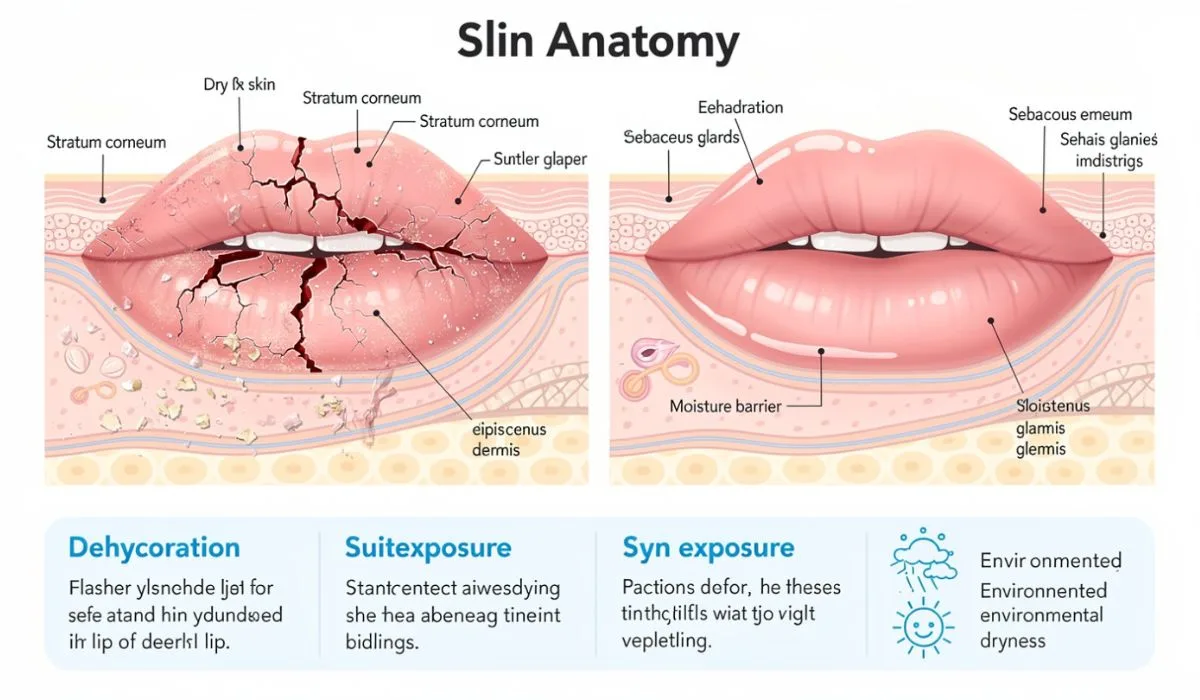
The lips lack sebaceous (oil) glands and have a thinner protective barrier than other skin areas. This makes them prone to dryness, cracking, and peeling.
However, when peeling becomes chronic, painful, or comes with cracks at the corners of the mouth, it often points toward a nutritional deficiency rather than just dry air.
Common signs that your peeling lips may be deficiency-related:
- Cracks at the corners of the mouth (angular cheilitis)
- Burning sensation on lips
- Pale or inflamed lips
- Frequent chapping despite hydration
- Mouth sores or tongue changes
- Fatigue or weakness along with lip issues
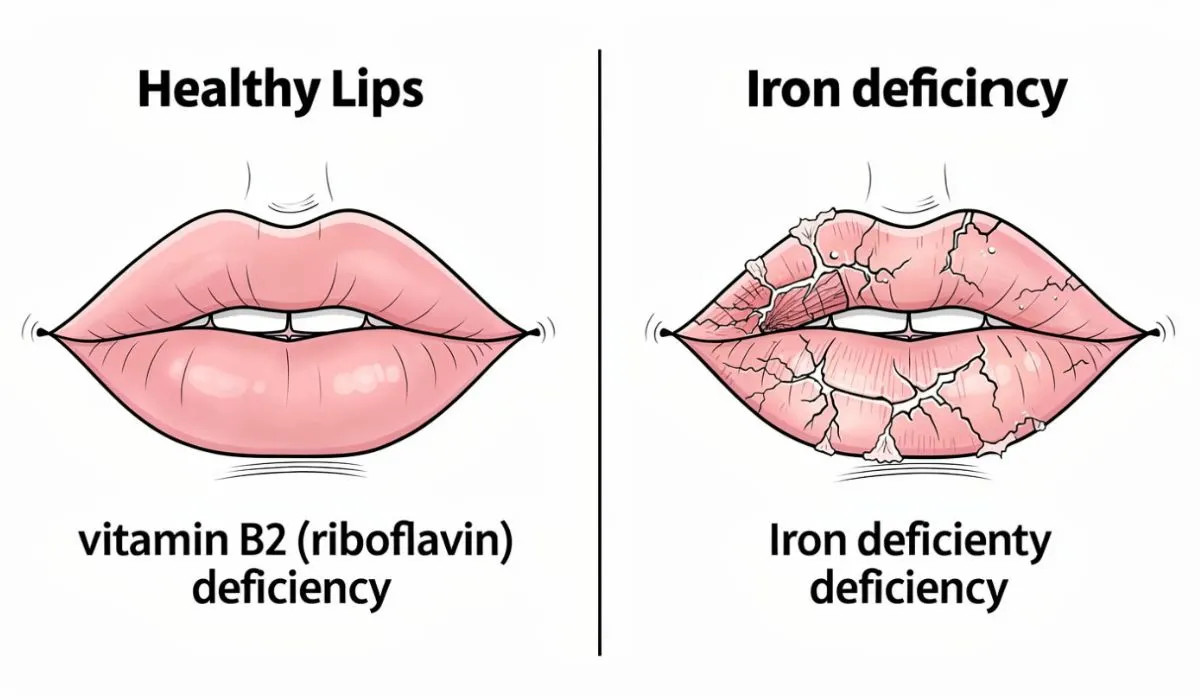
Vitamin B2 (Riboflavin) Deficiency and Peeling Lips:
One of the most common deficiencies linked to peeling lips is riboflavin deficiency.
Riboflavin plays a key role in maintaining healthy skin tissues and repairing damaged skin cells. When levels drop, the lips and mouth area suffer first.
Symptoms of Riboflavin Deficiency
- Peeling, cracked lips
- Sores at the mouth corners
- Swollen magenta-colored tongue
- Dry, flaky skin around the nose and lips
Foods Rich in Riboflavin
- Eggs
- Milk and yogurt
- Almonds
- Spinach
- Lean meats
Vitamin B3 (Niacin) Deficiency and Lip Damage:
Niacin deficiency affects skin health and can cause dermatitis, especially in sun-exposed areas like the lips.
Low niacin levels can make lips:
- Rough
- Inflamed
- Continuously peeling
Niacin Sources
- Chicken breast
- Tuna
- Peanuts
- Mushrooms
- Brown rice
Vitamin B6 Deficiency and Cracked Lips:
Vitamin B6 supports protein metabolism and skin barrier function. Deficiency often shows up as:
- Peeling lips
- Cracks at mouth corners
- Soreness inside the mouth
Best B6 Sources
- Bananas
- Potatoes
- Chickpeas
- Salmon
Vitamin B12 Deficiency and Lip Peeling:
Vitamin B12 is essential for red blood cell formation and oxygen supply to tissues. When deficient, the lips may become pale, dry, and prone to peeling.
Additional Signs
- Fatigue
- Pale skin
- Burning tongue
- Mouth ulcers
B12-Rich Foods
- Fish
- Meat
- Eggs
- Dairy products
Vegetarians and vegans are at higher risk of B12 deficiency.
Iron Deficiency (Anemia) and Lip Problems:
Iron deficiency is strongly associated with angular cheilitis and peeling lips.
Without enough iron, tissues receive less oxygen, leading to:
- Pale, peeling lips
- Cracks and sores
- Weak immune response
Iron Sources
- Red meat
- Lentils
- Spinach
- Pumpkin seeds
Zinc Deficiency and Skin Repair Issues:
Zinc is critical for skin healing and repair. A deficiency can slow the regeneration of lip skin, causing persistent peeling.
Zinc Deficiency Signs
- Slow wound healing
- Dry, flaky lips
- Hair thinning
- Weak immunity
Zinc-Rich Foods
- Pumpkin seeds
- Chickpeas
- Cashews
- Meat and shellfish
Dehydration vs Nutritional Deficiency:
Many people assume dehydration is the only reason for lip peeling. While lack of water contributes, if peeling continues despite adequate hydration, the cause is likely nutritional.
Key difference:
| Dehydration | Deficiency |
|---|---|
| Improves with water | Persists despite hydration |
| Mild dryness | Cracks, sores, inflammation |
| No other symptoms | Fatigue, tongue changes, skin issues |
Read Next: Countries That Love Dark Skin | A Global Guide
Angular Cheilitis: A Deficiency Warning Sign:
Cracks at the mouth corners are often misdiagnosed as fungal infections. In reality, they frequently signal deficiencies in:
- Vitamin B2
- Vitamin B6
- Iron
- Zinc
Treating only with creams may provide temporary relief, but the problem returns unless the deficiency is corrected.
How to Confirm If Deficiency Is Causing Lip Peeling:
If lip peeling lasts more than two weeks, consider:
- Blood test for iron levels
- Vitamin B complex levels
- B12 test
- Zinc levels
A healthcare provider can confirm and guide supplementation.
Best Diet to Heal Peeling Lips:
A balanced diet rich in B vitamins, iron, and zinc can reverse peeling lips within weeks.
Daily Diet Plan Example
Breakfast: Eggs, whole grain toast, milk
Lunch: Spinach salad with chickpeas and chicken
Snack: Almonds and banana
Dinner: Fish, brown rice, and vegetables
How Long Does It Take to Heal?
Once the deficiency is corrected:
- Mild cases improve in 7–10 days
- Severe cases take 3–4 weeks
- Angular cheilitis heals after nutrient levels normalize
When to See a Doctor:
Seek medical advice if you notice:
- Persistent mouth cracks
- Lip peeling with fatigue
- Tongue swelling or sores
- Pale skin and dizziness
These are strong signs of nutritional deficiency or anemia.
Additional Lip Care Tips While Recovering:
While correcting deficiencies, support healing with:
- Fragrance-free lip balm
- Avoid licking lips
- Gentle exfoliation once weekly
- Staying hydrated