How Long Should You Wait to Apply Makeup After Sunscreen
You should typically wait 3 to 5 minutes after applying sunscreen before layering makeup.
This allows the sunscreen to fully absorb into your skin, creating a stable base and preventing pilling or uneven makeup. Skipping this step can lead to a less effective sunscreen application and a frustrating makeup finish.
How Long Should You Wait to Apply Makeup After Sunscreen?
- Wait Time Matters: Most sunscreens need 3–5 minutes to absorb completely before makeup application.
- Product Type Influences Wait Time: Gel-based sunscreens dry faster than thick creams; always follow product instructions.
- Primer Helps Bridge Gaps: Using a makeup primer creates a smooth barrier between sunscreen and foundation.
- Layering Too Fast Causes Pilling: Applying makeup too soon leads to a patchy, uneven look.
- Reapply Sunscreen Before Makeup (If Necessary): If you’ve already applied makeup, reapplying sunscreen over it is not ideal—better to reapply first.
- Sun Protection Still Works After Drying: Once absorbed, sunscreen remains effective even if makeup is layered afterward.
📑 Table of Contents
- How Long Should You Wait to Apply Makeup After Sunscreen?
- Why Timing Matters Between Sunscreen and Makeup
- How Different Types of Sunscreen Affect Wait Time
- What Happens If You Don’t Wait?
- Tips for Smoother Layering
- Special Considerations for Different Skin Types
- Common Myths About Sunscreen and Makeup
- Conclusion: Patience Is Power
How Long Should You Wait to Apply Makeup After Sunscreen?
We’ve all been there: standing in front of the mirror, eager to start our day with flawless makeup, only to realize we forgot to apply sunscreen. Or maybe you did apply it—but now you’re staring at your reflection, wondering, “How long should I wait to put on my foundation?” The short answer? Most people should wait about 3 to 5 minutes after applying sunscreen before layering on makeup.
Sunscreen isn’t just a summer essential—it’s a daily must-have for protecting your skin from UV damage, premature aging, and even skin cancer. But here’s the catch: if you rush to apply makeup right after sunscreen, you might be undoing all that good protection. And let’s be honest—no one wants pilled foundation or a makeup job that looks like it was applied by someone else.
This article dives deep into why timing matters, how different types of sunscreen affect your routine, and practical tips to make your morning beauty ritual smoother than ever. Whether you’re using a lightweight gel, a heavy cream, or a mineral-based formula, understanding the science behind absorption will help you achieve both glowing skin and a perfect complexion.
—
Why Timing Matters Between Sunscreen and Makeup
When you apply sunscreen, your goal isn’t just to slather it on and call it a day. The active ingredients in sunscreen—whether chemical filters like avobenzone or physical blockers like zinc oxide—need time to bind properly to your skin. Think of it like glue: if you press down too soon, the bond doesn’t form correctly, and the material may shift or wear off.
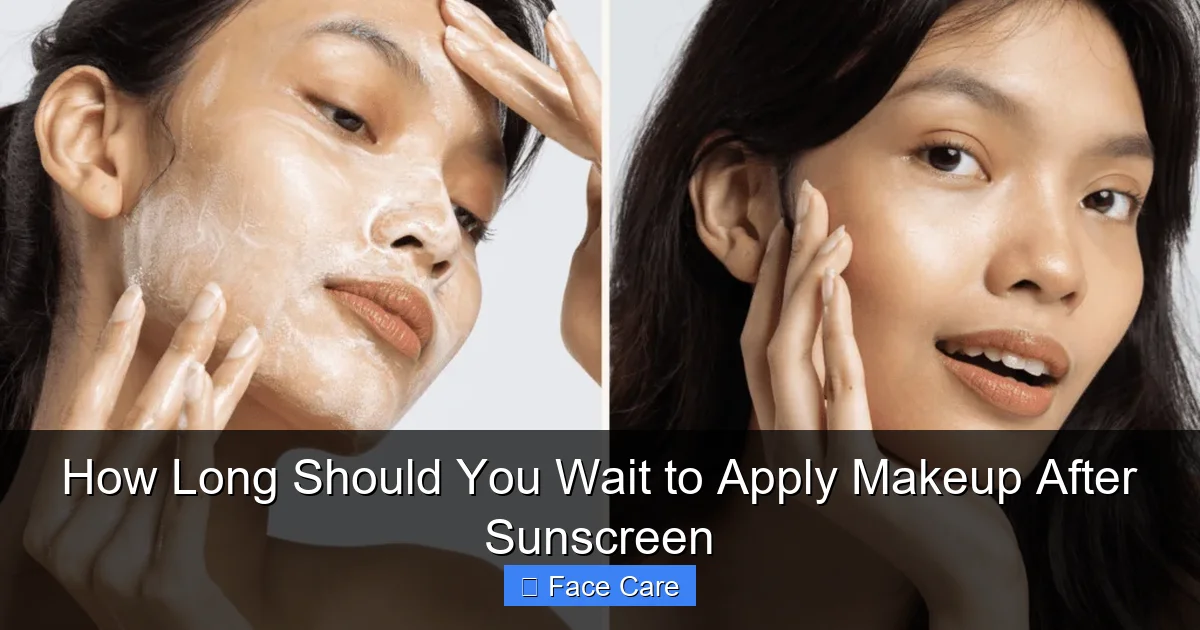
Visual guide about How Long Should You Wait to Apply Makeup After Sunscreen
Image source: dermaartsclinic.com
If you apply foundation or other makeup products before the sunscreen has fully dried, you risk disrupting this protective layer. This can lead to reduced sun protection, especially if the makeup rubs off or dilutes the sunscreen. Plus, applying makeup over wet or tacky sunscreen often results in a sticky, uneven texture that’s impossible to blend.
The Science Behind Absorption
Sunscreen works by either absorbing UV rays (chemical sunscreens) or reflecting them (mineral sunscreens). Both types need a few minutes to spread evenly and create a film on the skin. During this drying phase, the formulation transitions from liquid or gel to a semi-solid state. Rushing this process compromises both performance and comfort.
A study published in Dermatology Practical & Conceptual found that allowing sunscreen to absorb fully before additional product application significantly improved coverage consistency and reduced residue on makeup. In other words, patience pays off—both for your skin and your look.
—
How Different Types of Sunscreen Affect Wait Time
Not all sunscreens are created equal when it comes to drying time. The type you use—gel, lotion, spray, or stick—plays a big role in how long you should wait before applying makeup.
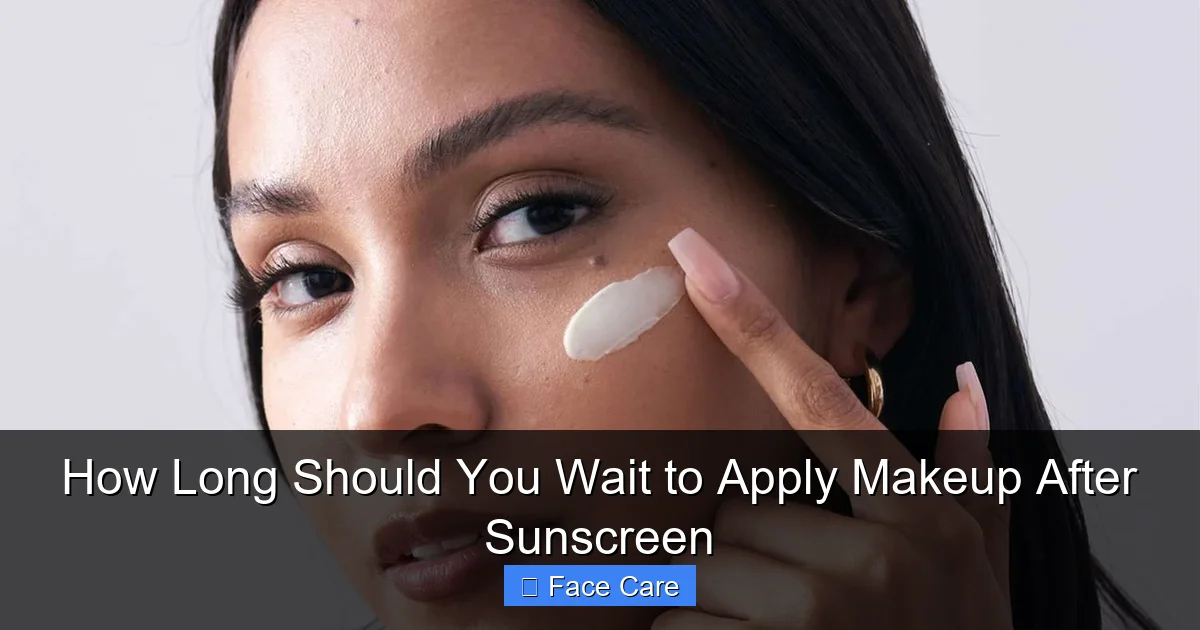
Visual guide about How Long Should You Wait to Apply Makeup After Sunscreen
Image source: byrdie.com
Gel-Based Sunscreens
Gel formulas, like those containing niacinamide or hyaluronic acid, tend to feel lightweight and absorb quickly—often within 2 to 4 minutes. These are great for oily or acne-prone skin because they don’t leave a greasy residue. Because they dry fast, you might only need to wait a short time before moving on to primer and foundation.
Cream and Lotion Sunscreens
Creams and lotions are thicker and usually contain moisturizing ingredients like squalane or shea butter. They take longer to absorb—typically 5 to 7 minutes. If your skin feels sticky after application, it’s a sign the product hasn’t fully set yet. Waiting too long past this point isn’t necessary, but rushing isn’t smart either.
Mineral (Physical) Sunscreens
Made with zinc oxide or titanium dioxide, mineral sunscreens sit on top of the skin rather than being absorbed. They often have a slightly white cast and can feel more noticeable until they blend in. These typically need 5 to 10 minutes to fully integrate with the skin’s surface before makeup application. Patience is key here, especially if you’re using a higher SPF version.
Sunscreen Sprays
While convenient, sprays require extra caution. You must rub them in thoroughly, which can take up to 5 minutes depending on how much you apply. Many dermatologists recommend using sprays only as a secondary layer over a lotion or cream—not as your primary sunscreen—because it’s hard to tell if enough product has been applied evenly.
Pro Tip: Always check the label. Some sunscreens include instructions like “wait 3 minutes before dressing” or “do not apply over moisturizer.” These guidelines are based on product testing and should be followed for optimal performance.
—
What Happens If You Don’t Wait?
Rushing your routine might seem harmless, but skipping the wait time can lead to several issues—some cosmetic, others potentially harmful.
Visual guide about How Long Should You Wait to Apply Makeup After Sunscreen
Image source: russh.com
Pilling and Uneven Application
When you apply makeup over damp or tacky sunscreen, the products can mix together instead of layering smoothly. This causes pilling, where the foundation or concealer clumps into tiny balls on the skin. It also leads to uneven coverage, patchiness, and a makeup job that looks cakey or streaky.
Reduced Sun Protection
If your sunscreen hasn’t fully absorbed, applying makeup can dilute or displace the active ingredients. A 2018 study in Photodermatology, Photoimmunology & Photomedicine showed that layering foundation immediately after sunscreen reduced UV protection by up to 30%. That means your skin is getting less defense against harmful rays—exactly what you wanted to avoid.
Clogged Pores and Breakouts
Thick, undried sunscreen combined with oil-based makeup can trap bacteria and sebum under the skin. This increases the risk of clogged pores, blackheads, and breakouts—especially if you have sensitive or acne-prone skin.
Sticky or Heavy Feel
Applying makeup over unfinished sunscreen leaves your face feeling sticky, greasy, or overly heavy. This discomfort makes you more likely to touch your face, which transfers dirt and oils and defeats the purpose of wearing makeup in the first place.
—
Tips for Smoother Layering
Now that you know why waiting matters, here’s how to make the transition from sunscreen to makeup seamless.
Use a Primer as a Buffer
A silicone-based primer creates a smooth, even surface between sunscreen and foundation. It helps makeup glide on effortlessly and prevents pilling. Look for primers labeled “makeup grip” or “long-wear base” for best results. Apply after sunscreen has dried but before foundation.
Blot Excess Oil
If your skin gets oily during the waiting period, gently blot with a tissue instead of rubbing. Rubbing can disrupt the sunscreen layer and reduce its effectiveness. Blotting removes shine without disturbing the protective film.
Let Your Skin Breathe Briefly
If you’re in a hurry, consider leaving your skin bare for 3 to 5 minutes after applying sunscreen. This simple act gives the product time to set while you prep the rest of your morning. You could wash your face, brush your teeth, or scroll through social media—whatever fits your routine!
Test Your Routine
Everyone’s skin reacts differently. What works in 3 minutes for one person might take 6 for another. Do a quick test: apply sunscreen, wait, then try applying foundation. If it pills, wait a bit longer next time. Over time, you’ll find your ideal window.
Reapply Sunscreen Properly
Remember, if you’ve already applied makeup, reapplying sunscreen over it isn’t ideal. Instead, remove makeup with a gentle cleanser, reapply sunscreen, and then restart your routine. For touch-ups, use a handheld fan or a sunscreen mist—but avoid applying it directly over powder or foundation.
—
Special Considerations for Different Skin Types
Your skin’s natural characteristics influence how sunscreen behaves and how long it takes to dry.
Oily or Acne-Prone Skin
These skin types benefit from fast-absorbing, non-comedogenic sunscreens. Gel or water-based formulas work well. Since they dry quickly, you might only need 2 to 3 minutes. Be cautious with heavy creams, as they can exacerbate shine and clog pores.
Dry or Mature Skin
Look for sunscreens with hydrating ingredients like glycerin, ceramides, or hyaluronic acid. These often come in cream form and take longer to absorb. Allow 5 to 7 minutes, and consider applying a light facial oil afterward to lock in moisture before makeup.
Sensitive Skin
Fragrance-free, mineral-based sunscreens are gentler on reactive skin. While they may take longer to blend in, they’re less likely to cause irritation. Always do a patch test before full-face use, and give the product ample time to settle.
Combination Skin
You might need different products for T-zone (oilier) and cheeks (drier). Use a gel on your forehead and nose, and a cream on drier areas. Wait 3 to 5 minutes total, focusing on the areas that need more time.
—
Common Myths About Sunscreen and Makeup
Let’s clear up some misconceptions that might be slowing you down.
Myth: “SPF in Makeup Means I Don’t Need Separate Sunscreen”
Most foundations with SPF only offer protection if applied generously—and most people use far less than needed. Plus, you likely reapply makeup throughout the day but not sunscreen. Always use a dedicated broad-spectrum SPF 30+ as your base.
Myth: “I Can Just Spray Sunscreen and Go”
Sprays are easy, but unless you rub them in thoroughly, you’re not getting full coverage. Dermatologists recommend using sprays only as a supplement to lotion or cream.
Myth: “I Don’t Need Sunscreen Indoors”
UV rays penetrate windows and contribute to digital eye strain and skin aging. Even on cloudy days, UVA rays are present. Daily sunscreen is non-negotiable.
—
Conclusion: Patience Is Power
Incorporating sunscreen into your morning routine shouldn’t mean sacrificing your makeup game. By giving your sunscreen the 3 to 5 minutes it needs to absorb, you protect your skin while setting yourself up for a flawless finish. Think of it as an investment—your future self will thank you for both the healthy skin and the confident look.
Whether you’re using a lightweight gel, a nourishing cream, or a mineral formula, the key is consistency and awareness. Pay attention to how your skin feels, test your timing, and adjust as needed. With a little patience, you’ll master the perfect balance between sun protection and stunning makeup.
So go ahead—apply that sunscreen, take a breath, and let it do its job. Your skin and your mirror will love you for it.
—
Frequently Asked Questions
Can I skip waiting if I use a fast-drying sunscreen?
Even with fast-drying formulas, it’s safest to wait at least 3 minutes. This ensures full absorption and reduces the risk of pilling or reduced SPF efficacy.
Does primer eliminate the need to wait?
No, primer helps smooth makeup application but doesn’t replace the drying time for sunscreen. Always allow sunscreen to absorb before applying primer.
Is it bad to apply makeup over sunscreen every day?
It’s fine as long as you wait for proper absorption. Rushing the process regularly can lead to reduced sun protection and poor makeup adherence.
How do I know if my sunscreen is fully dry?
Touch your skin lightly. If it feels smooth, slightly matte, or no longer tacky, it’s ready. Avoid applying makeup until it no longer leaves a residue when touched.
Should I reapply sunscreen over makeup?
Ideally, no. Remove makeup first, reapply sunscreen, then restart your routine. For touch-ups, use a sunscreen spray or stick, but cleanse first for best results.
Can I use moisturizer before sunscreen and still wait?
Yes! Apply moisturizer, wait 1 minute, then sunscreen, wait 3–5 minutes, then makeup. Each layer deserves its own drying time for optimal performance.