Should I Use Moisturizer Before Sunscreen or After Sunscreen
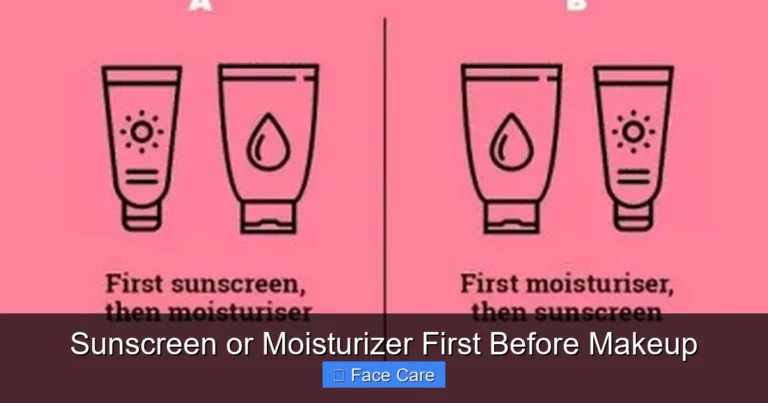
Using moisturizer before sunscreen is the recommended order for most people. This ensures proper hydration and creates a smooth base that helps sunscreen adhere evenly.
Skipping this step or reversing the order can reduce sun protection and leave your skin feeling dry.
Should I Use Moisturizer Before Sunscreen or After Sunscreen?
If you’re trying to build a solid daily skincare routine, one question keeps popping up: Should I use moisturizer before sunscreen or after sunscreen? It seems simple, right? But getting the order wrong might mean missing out on key benefits—especially when it comes to protecting your skin from harmful UV rays.
The truth is, moisturizer should always come before sunscreen. Understanding why helps you protect your skin more effectively and keep it healthy, glowing, and youthful-looking.
Think of your morning skincare routine like building a house. You start with the foundation (moisturizer), then add the walls and insulation (sunscreen), and finally the roof (makeup or finishing touches).
If you skip the foundation or mix up the order, the whole structure becomes unstable. The same goes for your skin. A proper layering system ensures each product works as intended, giving you maximum protection and hydration.
Why Order Matters in Your Skincare Routine
Skincare products are designed to work together, but only if applied in the correct sequence. Each layer serves a specific purpose, and skipping or rearranging steps can reduce their effectiveness. For example, applying sunscreen over a thick moisturizer might cause pilling (when products flake off) or create an uneven surface. On the other hand, putting moisturizer on top of sunscreen means the sunscreen’s active ingredients can’t bind properly to your skin, which lowers its ability to block UV rays.
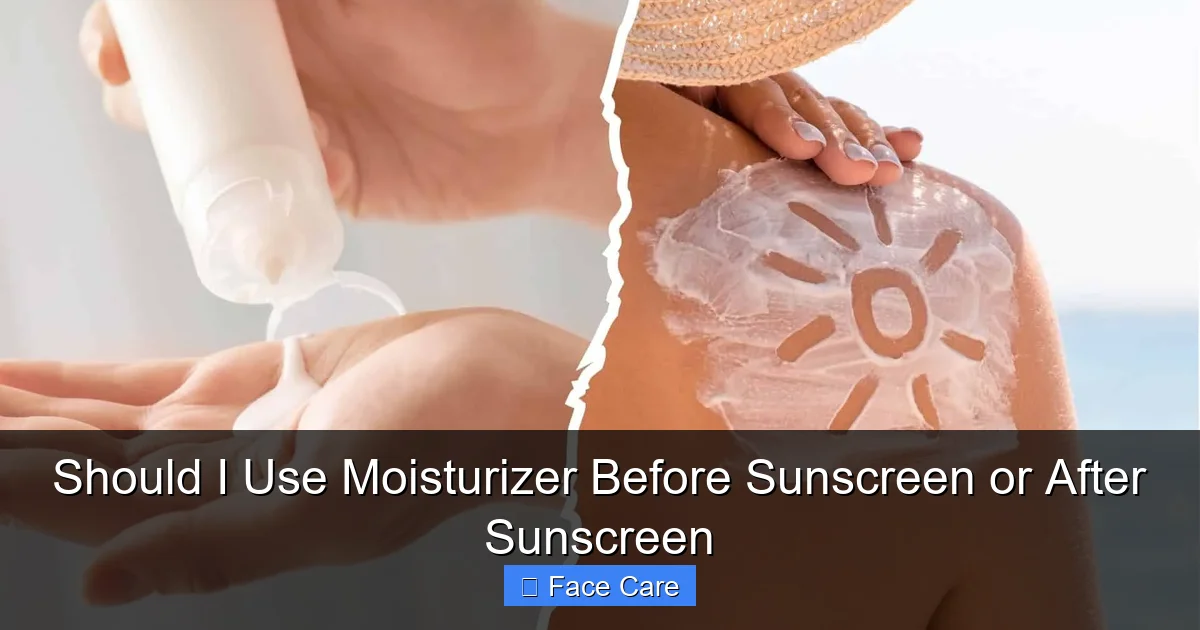
Visual guide about Should I Use Moisturizer Before Sunscreen or After Sunscreen
Image source: la-story.com
How Skin Absorbs Products
Your skin absorbs products in layers. Thicker, heavier formulas like moisturizers sit on the top layer of your skin, locking in moisture. Sunscreen, especially chemical ones, needs to be absorbed slightly into the skin to activate its protective powers. When you apply moisturizer first, it creates a smooth canvas for the sunscreen to spread evenly and penetrate properly.
The Risks of Getting the Order Wrong
Imagine applying sunscreen first and then a heavy cream. The moisturizer sits on top, kind of like a blanket covering the sunscreen. As a result, the sunscreen may not spread as well, leaving gaps where UV rays can sneak through. This doesn’t just reduce your SPF protection—it also makes your routine less effective overall.
Step-by-Step Guide: Morning Skincare Routine
Building a consistent routine is easier when you know exactly what to do—and when. Here’s a simple, effective morning skincare routine that puts moisturizer before sunscreen every time.
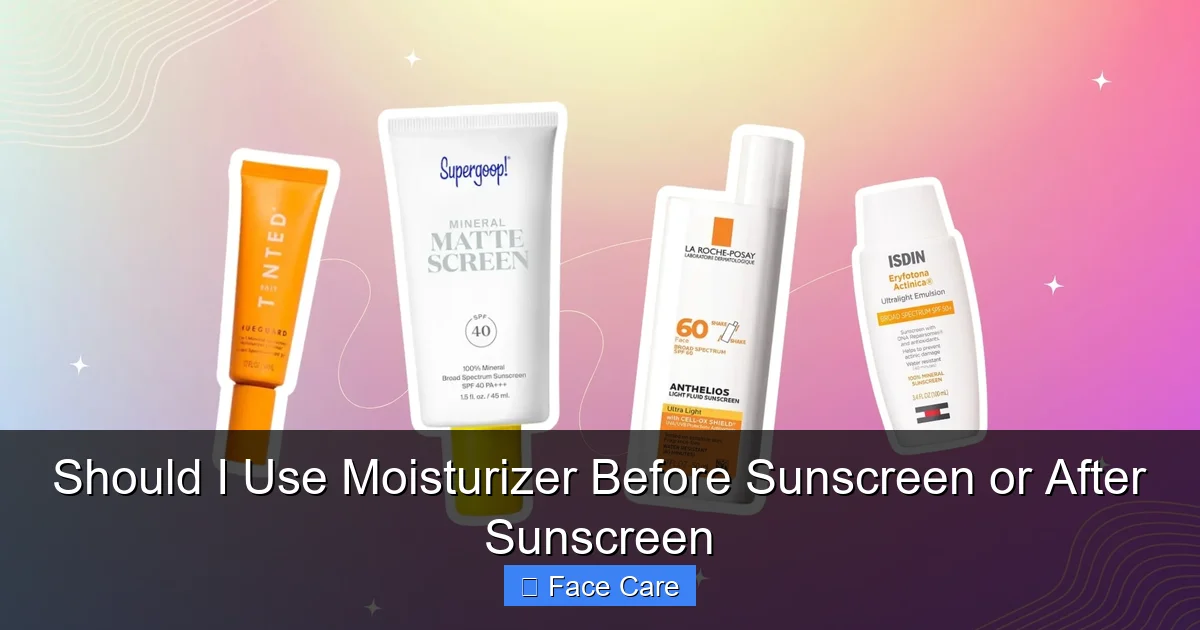
Visual guide about Should I Use Moisturizer Before Sunscreen or After Sunscreen
Image source: raydarmagazine.com
Step 1: Cleanse Your Face
Start with a gentle cleanser to remove dirt, oil, and any overnight buildup. This opens your pores and prepares your skin to absorb the products that follow. Whether you use a foaming wash, cream cleanser, or micellar water, make sure your face is clean but not stripped.
Step 2: Apply a Toner (Optional)
If you use a toner, apply it now. Toners help balance your skin’s pH and prep it for the next steps. Look for alcohol-free formulas, especially if you have sensitive or dry skin.
Step 3: Use Serums
This is where you can add serums for extra benefits—like vitamin C for brightening, hyaluronic acid for hydration, or niacinamide for reducing redness. Serums are lightweight and absorb quickly, so they go well before moisturizer.
Step 4: Apply Moisturizer
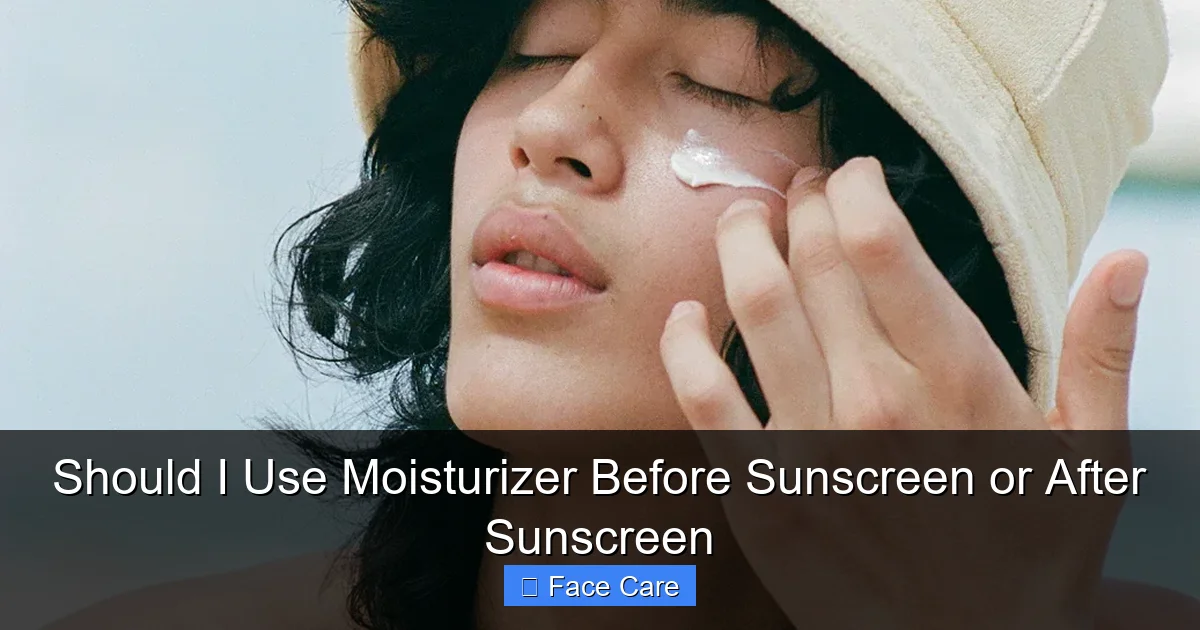
Now comes the key step: moisturizer before sunscreen. Choose a formula that suits your skin type. Dry skin benefits from rich creams, while oily or acne-prone skin does better with gel-based or lightweight lotions. Pat it gently into your skin until fully absorbed.
Step 5: Wait 15–30 Minutes
This pause is important. Let your moisturizer fully sink in before exposing yourself to the sun. Rushing this step can lead to clumping or uneven sunscreen application.
Step 6: Apply Sunscreen
Finally, apply a broad-spectrum sunscreen with at least SPF 30. Use about a nickel-sized amount for your face. Don’t forget your neck, ears, and hands! Reapply every two hours if you’re outside.
What Happens If You Reverse the Order?
Let’s say you’re in a hurry and decide to skip the wait time or mix up the steps. What happens? Not much immediately, but over time, the lack of proper layering can show up in different ways.
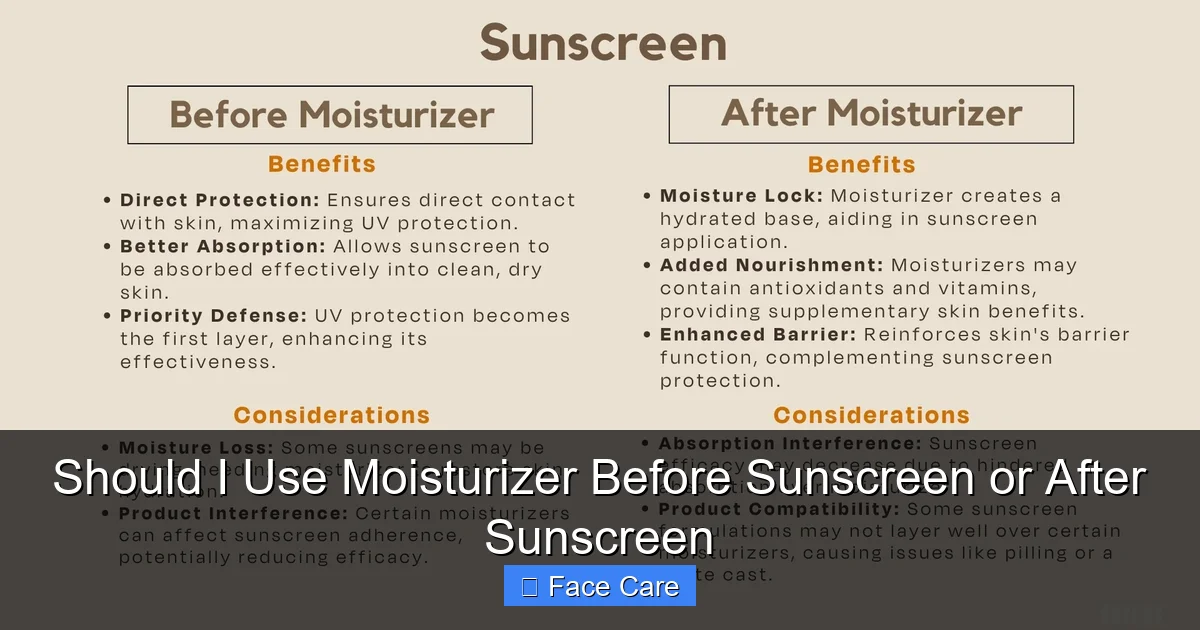
Visual guide about Should I Use Moisturizer Before Sunscreen or After Sunscreen
Image source: raydarmagazine.com
Pilling and Uneven Texture
Sunscreen applied over moisturizer often leads to pilling—tiny balls of product that roll off your face. This happens because the moisturizer creates a barrier that prevents the sunscreen from spreading smoothly. The result? An uneven finish and wasted product.
Reduced Sun Protection
When sunscreen doesn’t adhere properly, it can’t do its job. Studies show that improper application—like using too little or layering it incorrectly—can reduce SPF effectiveness by up to 80%. That means you’re not getting the full protection you think you are.
Dry or Tight Feeling
If you put sunscreen first, the moisturizer on top may trap heat and prevent proper absorption. Your skin might feel dry or tight later in the day, even if you used a hydrating moisturizer.
Special Considerations: Different Skin Types
Everyone’s skin is unique, and your routine should reflect that. Some people need extra hydration, others need extra oil control. The good news? The rule of moisturizer before sunscreen applies across all skin types—but the products you choose do matter.
Dry Skin
If your skin feels tight or flaky, opt for a rich, creamy moisturizer with ingredients like shea butter or ceramides. These lock in moisture and create a smooth base for sunscreen. Avoid alcohol-heavy formulas that can dry you out further.
Oily or Acne-Prone Skin
For oily skin, look for oil-free or gel-based moisturizers. They hydrate without clogging pores. If you’re prone to breakouts, choose non-comedogenic products and consider a mattifying sunscreen to avoid shine.
Sensitive Skin
Sensitive skin needs gentle formulas. Fragrance-free moisturizers and mineral sunscreens (with zinc oxide or titanium dioxide) are ideal. Patch test new products and introduce them slowly.
Aging or Mature Skin
As we age, our skin produces less oil and loses elasticity. A nourishing moisturizer with antioxidants or peptides can help support skin health. Pair it with a high-SPF sunscreen to prevent premature aging.
Can You Skip Moisturizer if You Have Oily Skin?
This is a common question. While oily skin doesn’t need heavy creams, it still needs hydration. Skipping moisturizer can actually make things worse. When your skin thinks it’s dehydrated, it produces even more oil to compensate. This can lead to clogged pores and breakouts.
The solution? Use a lightweight, oil-free moisturizer or a hydrating serum with hyaluronic acid. These provide the moisture your skin craves without adding extra grease.
Nighttime Skincare: Do You Need Sunscreen?
At night, your skin is repairing itself—no UV rays around to worry about. So, no, you don’t need sunscreen in your nighttime routine. However, moisturizing still plays a big role. Night creams often contain richer ingredients that support skin renewal, like retinol or peptides.
Still, if you’ve been wearing sunscreen during the day, cleanse thoroughly before bed. Sleeping with sunscreen on can clog pores and irritate your skin.
Common Mistakes People Make
Even if you know the right order, mistakes happen. Here are some frequent errors and how to fix them.
Using Too Little Sunscreen
A single pump isn’t enough. Most people use only 25–50% of the recommended amount. Use a quarter-sized dollop and spread it evenly.
Rushing the Wait Time
If you’re rushing out the door, try using a fast-absorbing moisturizer or setting your moisturizer aside for 10–15 minutes while you get ready.
Mixing Products Incorrectly
Avoid layering too many products at once. Stick to the basics: cleanse, moisturize, protect. Add serums or treatments gradually based on your skin’s response.
Not Reapplying Sunscreen
Sunscreen wears off. Reapply every two hours, especially after swimming or sweating. Carry a travel-sized bottle for convenience.
Final Thoughts: Consistency Is Key
Getting the order right is just one piece of the puzzle. The real secret to healthy skin? Consistency. Even the best routine fails if you don’t stick to it. Make moisturizer before sunscreen a habit, and you’ll see improvements in texture, hydration, and sun protection over time.
Remember, skincare isn’t about perfection—it’s about progress. Some days you’ll forget a step. Some days your skin will feel off. That’s okay. Just keep showing up, and your skin will thank you.
So, should you use moisturizer before sunscreen or after sunscreen? Always before. It’s the simple change that makes a big difference in how well your skin is protected and cared for.
Frequently Asked Questions
Can I use moisturizer and sunscreen at the same time?
It’s not recommended. Applying both simultaneously can lead to pilling and uneven coverage. Always let moisturizer absorb first, then wait a few minutes before applying sunscreen.
What if my moisturizer already has SPF?
While convenient, most moisturizers with SPF don’t offer enough protection on their own. Experts recommend using a separate sunscreen with at least SPF 30 for full sun protection.
Is it okay to skip moisturizer if I use a serum?
Serums hydrate differently than moisturizers. They deliver active ingredients deep into the skin but don’t always lock in moisture. Most people still benefit from a moisturizer, even if they use serums.
Can I use facial oil instead of moisturizer?
Facial oils can be part of your routine, but they’re not a direct substitute for moisturizers. Oils don’t always provide lasting hydration or protection, especially in dry climates.
How long should I wait between moisturizer and sunscreen?
Wait 15–30 minutes. This allows the moisturizer to fully absorb and sets the stage for even sunscreen application. Rushing this step can affect performance.
Does makeup interfere with sunscreen?
Yes, some makeup can reduce sunscreen effectiveness if not formulated with SPF. Look for makeup labeled “broad-spectrum” and reapply sunscreen underneath if needed.