What Causes Dark Circles Around The Eyes In Adults Treatment | Causes and Treatments
Dark circles under the eyes are one of the most common cosmetic concerns among adults. They can make you look tired, older, stressed, or unwell even when you feel fine. While many people try quick fixes, understanding the real causes of under-eye darkness is the key to choosing treatments that truly work.
This evidence-based guide explains What Causes Dark Circles Around The Eyes In Adults Treatment, and the most effective treatments used by dermatologists and supported by skin science.
Periorbital Hyperpigmentation:
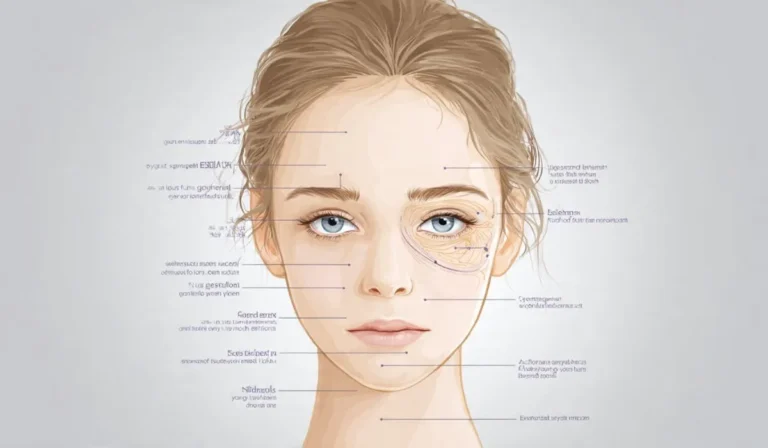
Dermatologists call dark under-eye circles Periorbital hyperpigmentation. It refers to darkening of the skin around the eyes due to pigment, blood vessels, shadowing, or structural changes.
The under-eye area is extremely thin, delicate, and prone to showing changes in pigmentation and circulation more clearly than other parts of the face.
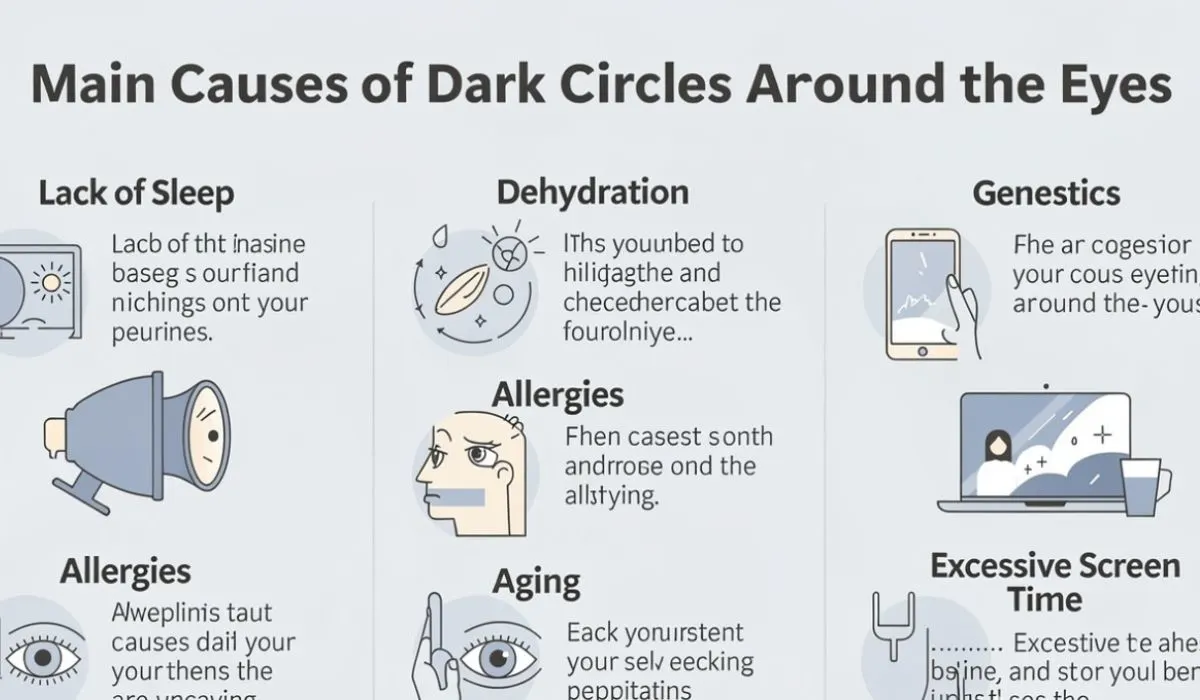
The 8 Main Causes of Dark Circles in Adults:
1. Genetics and Natural Skin Structure
For many adults, dark circles are hereditary. If your parents have them, you are more likely to develop them. Some people naturally have thinner under-eye skin, which makes blood vessels more visible and gives a bluish or purplish appearance.
2. Thin Skin and Visible Blood Vessels
The skin beneath the eyes is among the thinnest on the body. As you age, collagen decreases, making vessels underneath more visible and creating darkness.
3. Lack of Sleep and Fatigue
Sleep deprivation slows circulation and causes blood to pool under the eyes. This creates a darker appearance and puffiness.
4. Allergies and Eye Rubbing
Allergic rhinitis, dust allergy, and frequent eye rubbing trigger inflammation and pigmentation. This is sometimes called “allergic shiners.”
5. Sun Exposure and Pigmentation
UV exposure stimulates melanin production, especially around delicate eye skin. Over time, this leads to brownish dark circles.
6. Aging and Volume Loss
With age, fat and collagen reduce. This creates hollows under the eyes that cast shadows, making the area appear darker.
7. Dehydration
When you are dehydrated, skin looks dull and sunken, exaggerating darkness.
8. Iron Deficiency (Anemia)
Low iron reduces oxygen delivery to tissues, making the under-eye area look darker and pale.
Identify Your Type of Dark Circle:
Different causes create different colors:
| Appearance | Likely Cause |
|---|---|
| Brown | Pigmentation, sun damage |
| Blue/Purple | Visible blood vessels, thin skin |
| Shadowed | Volume loss, aging |
| Puffy + Dark | Fluid retention, allergies |
Knowing this helps you choose the right treatment.
Treatments That Actually Work:
1. Sun Protection Is Non-Negotiable
Daily sunscreen around the eyes prevents worsening pigmentation.
2. Topical Ingredients That Help
Look for products containing:
- Vitamin C (brightening)
- Niacinamide (reduces pigment)
- Hyaluronic acid (hydrates thin skin)
- Caffeine (reduces puffiness)
- Retinol (boosts collagen)
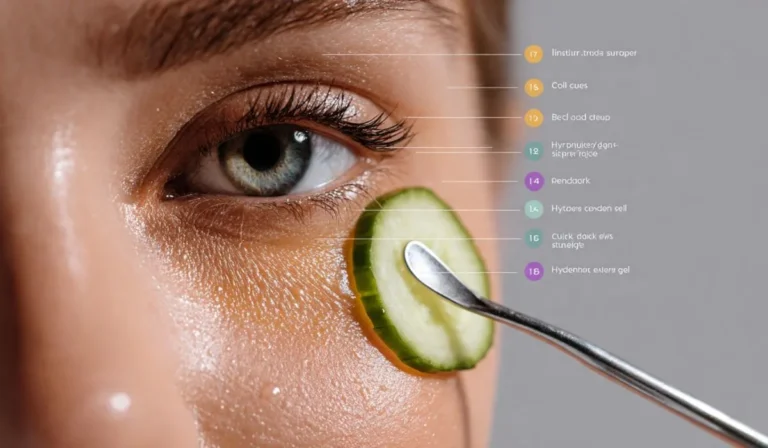
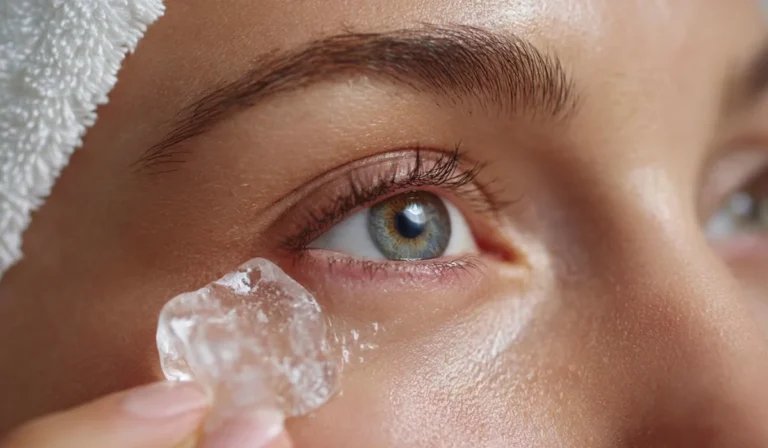
3. Cold Compress Therapy
Cold spoons or chilled compresses constrict blood vessels and reduce darkness temporarily.
4. Treat Allergies
Managing allergies reduces rubbing and inflammation that cause pigmentation.
5. Improve Sleep Quality
Aim for 7–8 hours of consistent sleep to improve circulation.
6. Hydration and Nutrition
Drink enough water. Ensure adequate iron, vitamin B12, and vitamin K in your diet.
Read Next: Swollen Eyes After Crying Remedy | Causes, Fast Remedies
7. Gentle Under-Eye Massage
Improves lymphatic drainage and reduces pooling of blood.
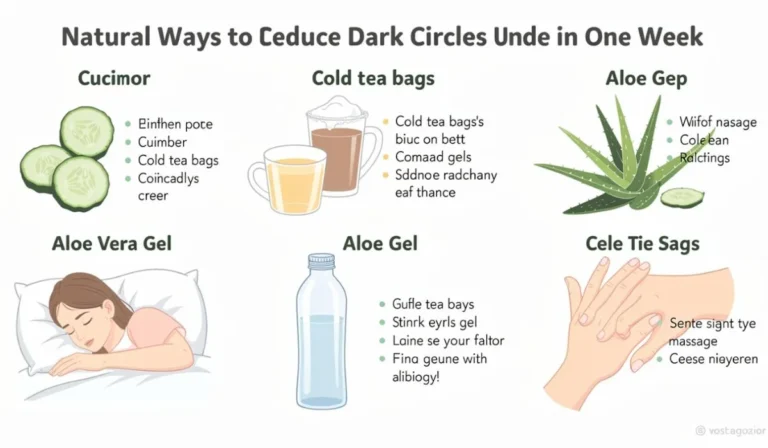
8. Natural Remedies That Support Improvement
- Chilled cucumber slices
- Potato juice application
- Aloe vera gel overnight
These soothe and mildly brighten over time.
Dermatological Treatments for Stubborn Dark Circles:
When home care isn’t enough, dermatologists may recommend:
- Chemical peels for pigmentation
- Laser therapy for vascular dark circles
- Fillers for hollow eyes
- PRP (platelet rich plasma) for collagen support
Habits That Worsen Dark Circles:
- Rubbing eyes frequently
- Sleeping late regularly
- Skipping sunscreen
- Dehydration
- Smoking
How Long Does Treatment Take?
- 1 week: Puffiness reduces
- 3 weeks: Mild brightening
- 6–8 weeks: Visible improvement
- 3 months: Significant change with consistent care
When to See a Doctor:
Consult a professional if:
- Circles are worsening rapidly
- You suspect anemia
- Allergies are severe
- Home care shows no improvement after 2 months
Frequently Asked Questions (FAQs):
1. Are dark circles permanent?
No. Most can be improved with the right approach.
2. Can sleep alone remove them?
Sleep helps but is rarely the only solution.
3. Does drinking water help?
Yes, dehydration worsens the appearance.
4. Are natural remedies enough?
They help mild cases; stubborn cases may need clinical care.
5. Why do my circles look brown?
Likely due to pigmentation and sun exposure.
6. Why do they look purple?
Visible blood vessels under thin skin.
7. Do eye creams really work?
Yes, if they contain proven ingredients.
8. Can anemia cause dark circles?
Yes, iron deficiency is a common cause.
9. Is laser treatment safe?
When done by professionals, yes.
10. What is the fastest improvement method?
Combine sleep, sun protection, targeted skincare, and hydration.