
7 Best Makeups to Cover Bruises: Clear Coverage for Daily Use
Bruises call for makeup that can handle color correction, not just light tint. You need formulas that sit well on skin, layer cleanly, and fit the way you get ready in real life, whether that’s a rushed morning, a workday touch-up, or a longer event where coverage needs to stay presentable.
This roundup focuses on seven options with different strengths, from small spot correction to fuller body coverage. The range makes it easier to match texture, coverage level, and application style to the bruise you’re trying to soften.
Quick Look At The Shortlist

L.A. COLORS Conceal It Concealer, Fair CC569
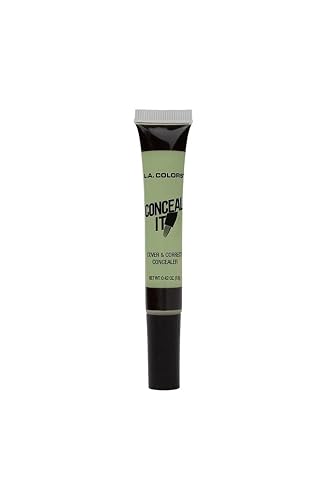
L.A. COLORS Conceal It Concealer, Green CC562

Physicians Formula Cream Dual-Ended Concealer Stick Yellow/Light
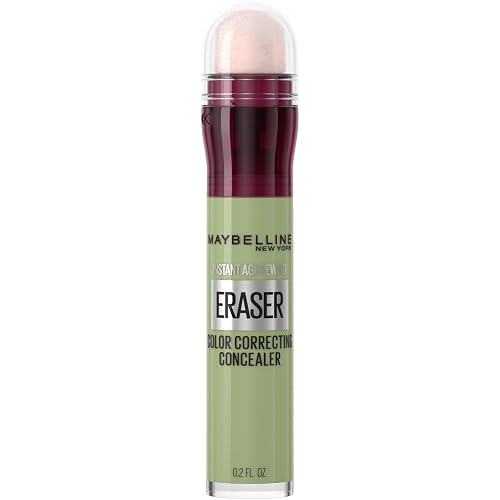
Maybelline Instant Age Rewind Instant Eraser Color Correcting Concealer
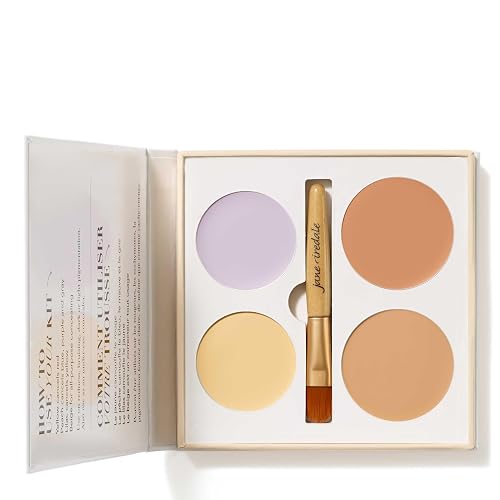
jane iredale Corrective Colors 0.35 Ounce

Dermablend Quick-Fix Body Makeup Full Coverage Foundation Stick
More Details On Our Top Picks
Fair-toned concealer can help soften a fresh bruise once the color starts settling into yellow or purple edges. This L.A. COLORS tube fits that simple, targeted job, especially for small marks on the face where you want control more than drama.
The trade-off is obvious: a basic concealer like this usually works best with careful layering, not heavy correction on its own. For quick errands, school drop-off, or a workday touch-up, that’s often enough, and the small format makes it easy to keep in a bag.
What We Like
- Fair shade helps brighten light-to-medium bruising edges.
- Small size suits quick application on the go.
- Simple format keeps daily makeup routine easy.
Small Caveats
- Basic concealer coverage may need layering over stronger discoloration.
- Face-focused use is a better match than broad body coverage.
Feature Snapshot
Who It Suits Best
You benefit most from this as a straightforward spot concealer for small bruises and everyday makeup bags.
Where Another Pick Suits Better
Dermablend Cover Care Concealer fits you better when the bruise is darker and you want fuller coverage in fewer layers.
Green color corrector matters because green sits opposite red on the color wheel, so it helps mute redness before you add skin tone coverage. That makes this L.A. COLORS option useful for bruises that still look red, especially around the early stage or along irritated edges.
The honest read is that color correction works best as a first step, not a full finish on its own. You’ll usually want a concealer on top, but that two-step approach can look cleaner than piling on one thick layer.
Highlights
- Green tone helps tone down redness before concealer goes on.
- Handy for a staged bruise-covering routine.
- Compact format is easy to stash in a makeup pouch.
Areas To Watch
- Needs a second layer for a finished look.
- Color corrector alone can look unfinished on its own.
Core Details
Built With In Mind
You get the most from this as a first-step color fixer for fresh or red-leaning bruises.
Swap It Out When
Maybelline Instant Age Rewind Instant Eraser Color Correcting Concealer suits you better when you want a smoother all-around concealer with longer wear.
Yellow and light shades are useful when a bruise shifts into purple, blue, or dull gray tones, because they help soften contrast before your skin-tone layer goes on. The dual-ended design gives you more control than a single-stick format, which helps when the bruise sits under the eye or along a small facial area.
That extra control comes with a little more fuss, since dual-ended products often ask for more careful blending than a single concealer. Still, for someone covering a bruise that needs both neutralizing and blending, the format makes sense.
Upsides
- Two ends give you more control over correction and finish.
- Yellow-light pairing helps soften cooler bruise tones.
- Stick format travels well in a makeup pouch.
Worth Noting
- Needs thoughtful blending to avoid a patchy look.
- Smaller facial spots suit it better than large coverage areas.
- Dual-ended formats take a little more storage care.
Technical Sheet
Right Fit For
You’ll likely like this most for detailed facial concealment where precise blending matters.
Look Elsewhere When
Dermablend Quick-Fix Body Makeup Full Coverage Foundation Stick fits better for larger bruises on arms, legs, or shoulders.
Crease-resistant coverage matters because bruises around the eyes or smile lines can look worse once makeup settles into folds. This Maybelline color corrector also lists up to 12 hours of moisturizing wear, so it suits long workdays, events, or any routine where you don’t want constant touch-ups.
The flip side is that a smoother finish usually depends on careful application, especially around textured skin. For most daily routines, though, the ease of a twist-style corrector makes it feel less fussy than a stick you have to sharpen or warm up.
Bright Spots
- Crease-resistant claim helps near expression lines.
- Moisturizing wear suits longer days out.
- Twist-style format is fast for quick application.
- Green corrector helps take down redness before concealer.
Points To Note
- Corrector shades still need a skin-tone layer on top.
- Eye-area use calls for careful blending.
- Twist applicators can feel less precise on tiny spots.
Details At A Glance
Who Should Grab It
You get the most from this for long-wear facial correction, especially around the eye area.
Where Shoppers Go Wrong
Physicians Formula Cream Dual-Ended Concealer Stick Yellow/Light suits you better when you want two tones in one compact stick.
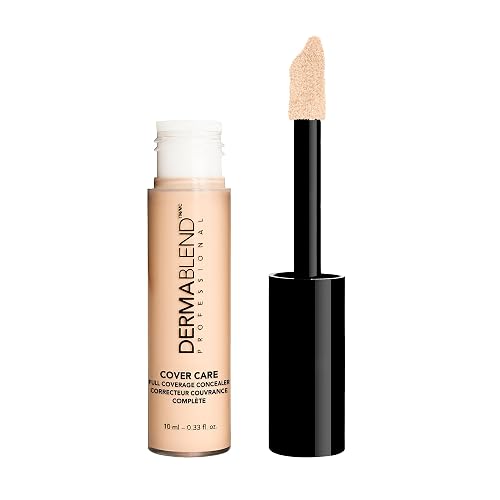
Full coverage usually matters more once a bruise darkens enough that lighter concealers start looking thin. Dermablend’s Cover Care line is aimed at that heavier-discoloration job, so it makes sense for formal settings, photo-heavy days, or any time you want the mark to recede rather than peek through.
The honest trade-off is texture control, since fuller coverage often asks for a lighter hand and a bit more blending. Compare that with the Maybelline corrector above, which feels easier for everyday softening, while this one leans into more deliberate concealment.
Reasons To Buy
- Full coverage approach suits darker bruising.
- Works well for face-focused concealment needs.
- Also useful for acne marks and blemishes.
- Good fit for dressier or camera-facing days.
Honest Caveats
- Heavier coverage can take more blending time.
- Overapplying may make texture stand out.
- More deliberate removal and cleaning help keep the finish tidy.
Feature Card
Best Suited To
You’re in the right place with this for darker bruises that need more serious masking.
A Better Fit Elsewhere
L.A. COLORS Conceal It Concealer, Green CC562 suits you better when the bruise still reads red and needs color correction first.
Palette-style correctors give you more room to tailor the shade, which helps when a bruise changes color over several days. This jane iredale set is the most flexible option in the group, and that flexibility can pay off for anyone covering bruises in different tones across the face.
It does ask more of your routine, because mixing shades and choosing placement takes a steadier hand than a single concealer stick. Still, for makeup users who like control and cleaner shade matching, that extra step can feel worth it.
Best Bits
- Multiple corrective colors offer more shade control.
- Useful for bruises that shift tone over time.
- Small 0.35-ounce size keeps the palette compact.
- Good for precise, personalized layering.
Room For Improvement
- Palette use takes more time than a stick or wand.
- Mixing shades may feel fiddly for quick mornings.
- Compact pans can need careful storage to stay tidy.
Quick Facts
Whose Shelf It Belongs On
You’ll like this most if you want custom color correction and don’t mind a more hands-on process.
Another Choice May Suit
Maybelline Instant Age Rewind Instant Eraser Color Correcting Concealer suits you better when you want faster application in a wand-style format.
Body makeup sticks serve a different job than the face-focused concealers above, because bruises on arms, legs, or shoulders often need broader coverage and a more durable finish. This Dermablend stick is built for that bigger surface area, and it also makes sense for uneven patches or marks you need to cover with a single swipe.
Water-resistant makeup usually helps on long days, but it still rewards careful blending so the finish doesn’t look heavy along edges. That makes this a strong choice for events, vacations, or wardrobe situations where your bruise sits outside the usual facial makeup zone.
Positives
- Body-focused design suits arms, legs, and shoulders.
- Full coverage helps with larger discoloration areas.
- Stick format keeps application direct and controlled.
- Water-resistant finish suits longer wear scenarios.
- Also useful for blemishes and tattoo coverage needs.
Minor Gripes
- Body coverage can feel heavy on small facial spots.
- Edges need careful blending for a natural look.
- Stick products can pick up wear if stored loosely in a bag.
Core Details
Made For
You benefit most from this for larger bruises on body skin, especially when face makeup feels too small for the job.
Skip It When
L.A. COLORS Conceal It Concealer, Fair CC569 suits you better for tiny face-area touch-ups and a lighter makeup routine.
How To Choose The Right makeups to cover bruises
Start With The Bruise Color
Bruises don’t stay one shade for long, so the color you see first should guide the product you choose. Red or pink tones usually pair well with green correctors, while purple, blue, or gray marks often respond better to yellow or light-toned neutralizing shades.
That matters because concealer alone can look muddy if you skip the correction step. A layered routine usually looks cleaner, especially on marks that are still changing day by day.
Match Coverage To Placement
Facial bruises usually need smaller, more precise formulas, such as sticks, wands, or compact creams. Larger marks on arms or legs often benefit from body makeup or full-coverage sticks that can spread across more skin without looking choppy.
The placement also affects blending time. A bruise near the eye or jawline needs a softer edge, while a bigger patch on the leg can handle a more deliberate application.
Think About Finish And Wear
Long days call for formulas that stay smooth and do not crease quickly. Creamy, moisturizing, or crease-resistant products are useful when you’ll be moving through work, errands, or an event without much chance to reset your makeup.
On the other hand, denser formulas often need better blending and a lighter hand. That trade-off is worth it for stronger coverage, but it can feel heavy on smaller spots.
Choose For Your Routine, Not Just The Shade
Someone who wants fast morning use will usually prefer a wand or stick over a palette. Someone who likes control and custom mixing may find a color-correcting palette easier to tailor, especially for bruises that shift shade over several days.
Storage matters too, since sticks are easier to toss into a pouch while palettes need a bit more care. A simple format often wins for daily carry, while a more layered format suits a more exact routine.
What To Weigh Before You Click
Traps First Timers Fall Into
One common mistake is reaching for a skin-tone concealer before neutralizing the bruise color. That can leave the mark looking dull instead of softened, especially with red or purple tones.
Another misstep is choosing facial coverage for a larger body bruise. Small-format makeup can work, but the finish may look patchy once you try to stretch it too far.
Why Top Tier Costs More
Higher-end bruise cover often pays for richer texture, better shade nuance, and formulas that sit more smoothly on skin. You also tend to get more careful packaging, which helps with precise application and less mess.
The upgrade makes sense when you need stronger coverage, more reliable blending, or a product that handles long wear with less fuss. For a minor mark, basic concealer is often enough, but bigger discoloration usually benefits from the better formula.
Frequently Asked Questions
Do you need color corrector for bruises?
Not always, but it helps a lot when the bruise still looks red, purple, or blue. Skin-tone concealer works better after the color has been softened first.
Should you choose a stick or a liquid?
Sticks usually give you more direct placement, which helps with small marks. Liquids can feel easier to blend across softer edges or larger facial areas.
What shade works best for yellow bruising?
Light neutral shades often help once a bruise turns yellow or faded beige. A green corrector usually makes less sense at that stage.
Can body makeup cover a bruise on the arm?
Yes, body makeup is often a better fit for arms, legs, and shoulders because it covers more skin at once. A face concealer can still work, but it may take more layering.
How do you keep bruise coverage from looking cakey?
Use thin layers and build slowly rather than packing on a thick coat. Blending the edges well usually matters just as much as the product itself.