
8 Best Lotions for Rosacea
8 Best lotions for rosacea: Calm, Practical Picks for Daily Relief
Sensitive skin can turn a simple face cream search into a guessing game, especially when redness, barrier discomfort, and dryness all show up together. This roundup focuses on lotion-style picks that suit everyday routines, from quick morning use to a slower night layer. You’ll see which formulas lean soothing, which ones feel more treatment-forward, and which are better for skin that gets fussy in dry air, busy commutes, or long office days.
Quick Look at the Shortlist

LEMYKA Rosacea Cream for Face Redness Relief
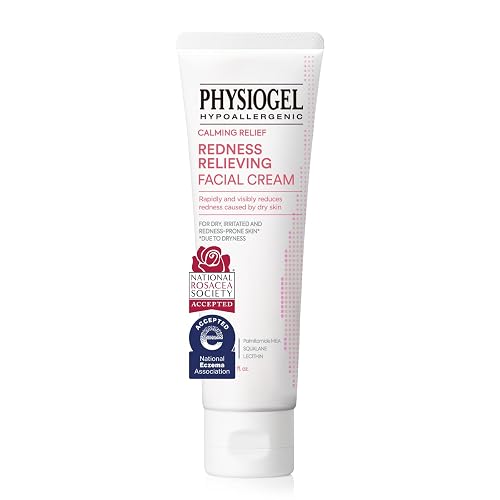
PHYSIOGEL Calming Relief Redness Relieving Facial Cream 1.69 fl. oz.
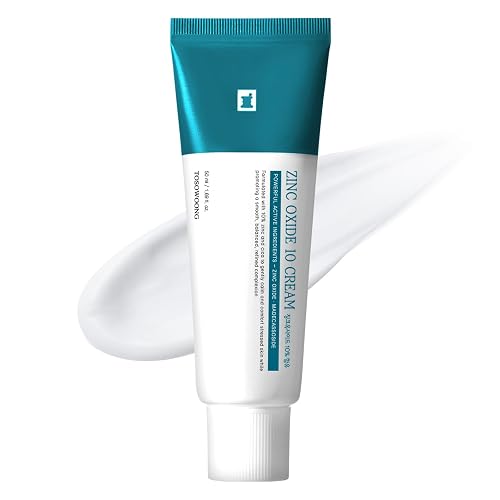
TOSOWOONG Zinc Oxide 10% Cream for Redness & Barrier
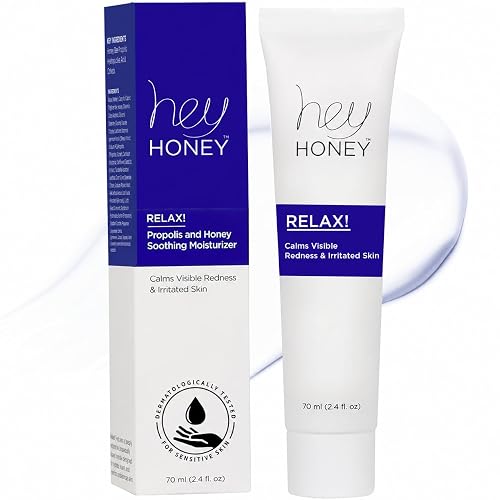
Hey Honey Skincare Relax Rosacea Relief Cream 2.2 Oz
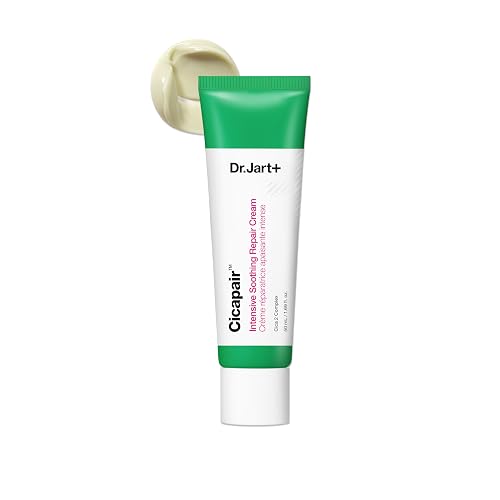
Dr.Jart+ Cicapair Sensitive Skin Korean Face Moisturizer
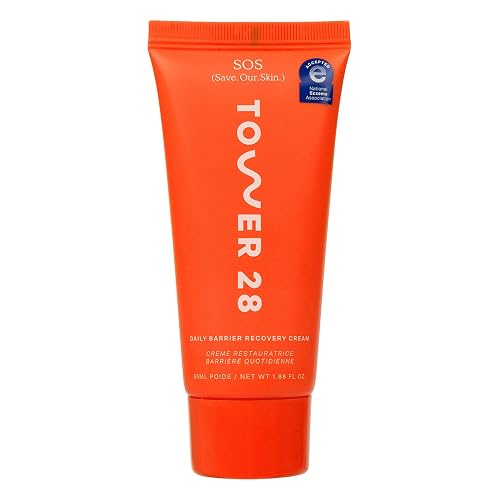
Tower 28 SOS Recovery Hydrating Face Cream 1.86 oz
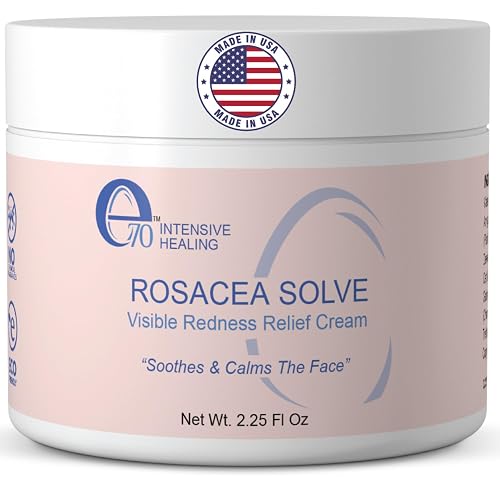
e70 Rosacea Treatment for Face Skincare Cream 2.25 fl. oz.
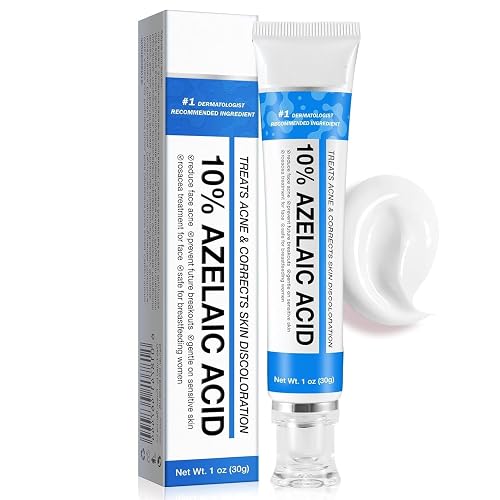
Marianp Azelaic Acid 10% Cream for Face
LEMYKA leans toward a broad-coverage comfort cream, which makes sense for skin that gets red, dry, and easily irritated in the same week. The formula is positioned for face use but also for other dry, reactive patches, so it fits a stash you keep near the sink rather than a strict one-step routine.
That wider use case is handy for families, though the trade-off is a less focused feel than some of the newer barrier creams in this list. The honest read is that you get versatility first, then a more general skin-soothing profile rather than a highly specialized texture or treatment style.
Strong Points
- Covers redness, dryness, and rash-prone skin in one simple format.
- Works for both face and other rough patches, which cuts down on clutter.
- Feels useful for home routines where a single cream needs to handle more than one job.
Things To Consider
- Its broad positioning may feel less tailored than a narrower facial moisturizer.
- You may want a lighter daytime option in humid weather.
Feature Snapshot
Who It Suits Best
You’ll like this most if you want a single household cream for dry, reactive skin that doesn’t need a specialty texture. It suits practical routines better than layered skin-care rituals.
A Better Fit Elsewhere
PHYSIOGEL Calming Relief Redness Relieving Facial Cream suits you better when your focus stays on a lighter face moisturizer with a more clearly facial feel.
This one reads like a classic face moisturizer with a calming angle, and that’s exactly why it stands apart from the more treatment-coded LEMYKA cream. Squalane is a skin-conditioning ingredient that helps soften dryness, so the profile suits skin that wants comfort without a heavy, greasy finish.
The 1.69 fl. oz. size makes sense for a desk drawer, travel pouch, or a no-fuss bathroom shelf. For most people with redness-prone skin, the main appeal is that it stays firmly in moisturizer territory rather than feeling like a medicated spot solution.
What We Like
- Focuses on facial moisture, which makes daily use feel straightforward.
- Squalane adds a cushiony feel that can suit dry indoor air.
- Small tube size is easy to store and carry.
- Works well for routines that need a gentle middle ground, not a heavy cream.
Small Caveats
- The smaller tube may run out faster for full-face, twice-daily use.
- You may prefer a richer texture in colder months.
Core Details
Who Should Grab It
You’ll get the most from this if your skin wants a straightforward facial moisturizer with redness relief positioning. It suits daily office use, carry-on kits, and simple routines that keep things calm.
Where A Sibling Pick Shines
Tower 28 SOS Recovery Hydrating Face Cream makes more sense for you when ceramides and hyaluronic acid matter more than a lighter moisturizer feel.
TOSOWOONG takes a more ingredient-forward route than PHYSIOGEL, and the zinc oxide content is the headline here. Zinc oxide is a mineral used in skin care for its protective, buffering feel, so this pick makes sense for skin that likes a more structured barrier cream.
The non-comedogenic angle matters for faces that clog easily, and the 50 g jar is small enough to keep in a medicine cabinet without crowding it. You may find the texture a little more deliberate than a basic moisturizer, which suits careful nighttime use better than a rushed morning smear.
Reasons To Buy
- 10% zinc oxide gives the formula a clearly defined barrier-care profile.
- Non-comedogenic positioning suits skin that dislikes heavier face creams.
- The compact jar is simple to store and easy to pack.
- Works well for redness-prone skin that prefers a more ingredient-led product.
Room For Improvement
- Jar packaging asks for clean hands or a spatula to keep the cream tidy.
- The more targeted formula may feel less universal than LEMYKA’s broader cream.
- Some routines will want a lighter daytime texture.
Technical Sheet
Whose Shelf It Belongs On
You’ll appreciate this most if you like mineral-leaning creams and want a tighter fit for redness and barrier care. It suits careful routines where the texture and ingredient profile matter as much as the comfort.
Look Elsewhere When
Hey Honey Skincare Relax fits better for you when you want an oil-free feel and a softer cosmetic finish.
Hey Honey shifts the mood a little, because the oil-free formula is aimed at people who want calming moisture without extra shine. Honey and propolis give it a more skin-conditioning identity than the zinc-first TOSOWOONG cream, so it reads as softer and more comfort-oriented.
The dermatologist-tested note may matter to cautious shoppers, though the bigger day-to-day benefit is how it suits skin that gets red and congested at the same time. For a busy bathroom shelf, the 2.2 oz jar is a nice middle ground, not tiny but not oversized either.
Best Bits
- Oil-free styling works well for shine-prone faces.
- Honey and propolis give the cream a more cushiony, comfort-first profile.
- The jar size works for regular facial use without feeling bulky.
- Good fit for skin that wants calm moisture rather than a dense balm.
Honest Caveats
- Jar packaging is less travel-friendly than a squeeze tube.
- You may want a richer option in very dry weather.
Details At A Glance
Best Suited To
You’ll like this most if you want an oil-free face cream with a gentler, more pampering feel. It suits people who care about texture as much as redness support.
Another Choice May Suit
Dr.Jart+ Cicapair Sensitive Skin Korean Face Moisturizer works better for you when barrier repair and a more layered K-beauty style matter more than an oil-free finish.
Dr.Jart+ Cicapair leans into a barrier-repair identity, and Centella asiatica is the ingredient that sets that tone. Centella is a plant-derived skin-care ingredient often chosen for comforting routines, so this pick suits you when redness is only part of the picture and the barrier feels worn down too.
Compared with Hey Honey, it feels more like a layered skin-care step than a simple calming cream. That makes it a strong fit for evening routines, especially for people who already know they like Korean skin-care textures and want something more polished than plain moisturizer.
Highlights
- Barrier-repair focus suits skin that needs more than surface comfort.
- Centella asiatica gives the formula a recognizable soothing profile.
- Works well inside a multi-step routine.
- Good match for people who prefer a more curated face-cream experience.
Points To Note
- The style leans more specialized than a simple daily moisturizer.
- You may not need this much focus if your skin only gets mildly red.
Feature Card
The Right Fit
You’ll get the most from this if your routine already includes a few steps and you want a face moisturizer with a more considered feel. It suits sensitive skin that needs comfort and structure together.
Where A Sibling Pick Shines
PHYSIOGEL Calming Relief Redness Relieving Facial Cream makes more sense when you want a simpler, lighter moisturizer with less ritual around it.
Tower 28 puts hydration front and center, and the combination of hyaluronic acid and ceramides gives that promise real shape. Hyaluronic acid pulls in water for a plumper feel, while ceramides are skin lipids that help support the outer layer, so this is the most obviously barrier-focused cream in the group.
That emphasis comes with a more premium-feeling profile than e70 or LEMYKA, though it may be more than you need for a simple once-a-day routine. For skin that feels tight, textured, or easily stripped after cleansing, this sits in a very sensible place.
Upsides
- Hyaluronic acid and ceramides give the formula a strong moisture-support profile.
- Non-comedogenic positioning suits skin that clogs easily.
- Helps smooth the look of texture without leaning into a heavy balm feel.
- Works well for morning or evening use.
Areas To Watch
- The more layered ingredient profile can feel like extra product for very simple routines.
- The 1.86 oz size is moderate, not especially large for daily full-face use.
Core Details
Perfect Match For
You’ll like this most if your skin wants a richer hydration story and you care about barrier support in a more polished formula. It fits careful routines and texture-conscious skin.
Skip It When
e70 Rosacea Treatment for Face Skincare Cream works better for you when you want a simpler, more routine-friendly tube with aloe vera and hyaluronic acid.
e70 feels like the most plainspoken day-to-night option in the group, and that can be a virtue. Aloe vera and hyaluronic acid shape a comfort-first moisturizer that fits women and men alike, so it suits a shared bathroom or a routine that needs one bottle to do a lot of the work.
Its 2.25 fl. oz. tube also makes storage easy, especially beside a sink or in a travel bag. Compared with Tower 28, it feels less ingredient-heavy and more direct, which is exactly what some skin routines need after a long day in dry indoor air.
Positives
- Simple day-night positioning keeps the routine easy to remember.
- Aloe vera and hyaluronic acid bring a familiar comfort profile.
- Tube packaging is cleaner for travel than a jar.
- Works well for shared use in a household.
Minor Gripes
- The formula sounds more straightforward than some premium barrier creams.
- You may want a richer texture in very dry winter air.
Spec Overview
Who Will Love This
You’ll appreciate this most if you want a practical, no-fuss facial moisturizer that can stay in rotation every day. It suits people who prefer easy choices over ingredient-heavy formulas.
Not Your Match When
Marianp Azelaic Acid 10% Cream for Face fits better when redness comes with breakouts or dark marks and you want a more targeted treatment style.
Marianp is the most treatment-forward option here because azelaic acid is often chosen for redness-prone skin that also deals with blemishes and uneven tone. That makes it feel less like a basic lotion and more like a targeted face-care step, which is a good thing for some routines and too much for others.
Compared with e70, this is the more specific pick, and that specificity is what earns it a place near the end of the list. The trade-off is simple, you’re getting a formula that answers more than one skin concern, but it asks for a little more patience and a more deliberate place in your routine.
Best Bits
- 10% azelaic acid gives the formula a focused skin-care purpose.
- Useful for redness that sits beside breakouts or dark marks.
- Can fit a more intentional routine rather than a casual moisturizer slot.
- Better suited to people who want one product to do a bit more work.
Worth Noting
- More targeted formulas can feel like overkill for simple dry-skin care.
- You may want to introduce it gradually into an existing routine.
Feature Rundown
Built With In Mind
You’ll get the most from this if your redness comes with blemishes or uneven tone and you want a more active-style face product. It suits deliberate routines more than ultra-simple moisturizing.
Where Shoppers Go Wrong
Tower 28 SOS Recovery Hydrating Face Cream is the smarter fit when you want hydration and barrier support without a treatment-led ingredient like azelaic acid.
How To Choose The Right lotions for rosacea
Start With Texture And Skin Mood
The first thing to sort out is how your skin behaves during the day. Dry, tight skin usually benefits from creams with cushioning ingredients like squalane, ceramides, or hyaluronic acid, while shine-prone skin often does better with oil-free or lighter lotion styles.
That choice matters because the wrong texture can feel like too much, or not enough, by midafternoon. A richer jar can help in cold offices or winter air, while a tube with a simpler finish can suit commutes, carry-ons, and quick bathroom routines.
Match The Ingredient Story To The Problem
Rosacea-prone skin often needs more than a generic moisturizer, so the ingredient list deserves a careful look. Zinc oxide and azelaic acid point toward a more treatment-led route, while centella asiatica, aloe vera, honey, and propolis lean into comfort and barrier support.
That difference matters in real life. A treatment-style cream fits skin that also breaks out or shows uneven tone, while a gentler moisturizing cream suits skin that mostly wants calm and less friction after cleansing.
Pay Attention To Packaging And Routine Fit
Jar packaging and tube packaging are not just cosmetic details. Jars often feel richer and more traditional, but they can be less tidy for travel and daily use, while tubes are easier to control and usually simpler for a shared bathroom shelf.
Size matters too. Smaller containers work well for trial periods or carry-on kits, while larger tubes make more sense for full-face use twice a day.
Pick For The Way You Actually Use It
Morning routines, night routines, and mixed day-night use all point to different kinds of lotion comfort. If you layer under sunscreen or makeup, a lighter cream can help keep things smooth, while evening use gives you more room for denser textures.
The smartest choice is the one that fits your habits without adding friction. A formula that sounds impressive on paper can still be wrong for your shelf, your climate, or your tolerance for heavier creams.
Things Worth Knowing First
Hidden Buying Traps
Shoppers often focus on redness language and ignore the actual texture. That can leave you with a cream that feels too heavy, too thin, or simply awkward for your routine.
Another common miss is buying a more treatment-led product when your skin only needs comfort and moisture. A gentle facial lotion and an active-style cream solve different problems, so the right label matters.
The Upgrade Payoff
Higher-tier creams usually cost more because they lean on more specific ingredient systems, more polished textures, or better barrier-focused packaging. That extra spend can make sense when your skin is reactive, layered routines matter, or you want a formula that feels more deliberate.
It matters less when you only need a simple daily moisturizer. In that case, a straightforward tube often covers the bases without asking for a premium step up.
Frequently Asked Questions
What kind of lotion works best for redness-prone skin?
Look for a cream that matches your skin’s texture needs first, then the ingredient story. Dry skin often likes ceramides or hyaluronic acid, while more reactive skin can benefit from calming ingredients such as centella or aloe.
Can you use these creams every day?
Most of these picks are positioned for regular facial use, which makes them easy to slot into a morning or night routine. Your skin’s tolerance and the product’s texture still decide how often it feels comfortable.
Is a thicker cream always better?
No, thicker is not automatically better for redness. A heavier cream can help very dry skin, but a lighter lotion often suits shine-prone faces and daytime wear.
What ingredient should you notice first?
Start with the ingredient that matches your main concern, such as zinc oxide for barrier support or azelaic acid for a more targeted routine. Then check whether the rest of the formula sounds soothing enough for your skin type.
Should you pick a jar or a tube?
A tube usually feels cleaner and easier for travel, while a jar can suit a richer, more spa-like routine at home. The better shape is the one you’ll actually use without annoyance.