7 Best Cream Foundation Brushes: Clean, Easy, Daily Wear
Shopping for cream foundation brushes gets easier once you focus on brush shape, bristle density, and how the head feels against your skin. A flat-top kabuki, a tapered face brush, or a dual-ended tool can each change how cream makeup spreads, buffs, and settles. This roundup keeps the focus on everyday use, travel, storage, and the kind of finish you usually want before work, before a night out, or during a rushed morning.
Some picks suit quick touch-ups in a tote, while others make more sense on a crowded vanity or in a full routine. You’ll see where a dense synthetic head helps, where a softer angled design matters, and where a two-piece set gives you more range for the same category.
Quick Look At The Shortlist

EIGSHOW Foundation Brush, Pocket Flat Top Kabuki (F675-Pink)

KINGMAS 2Pcs Foundation Makeup Brushes
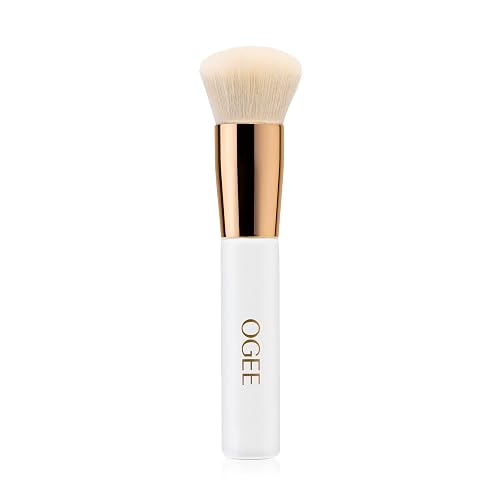
Ogee Blender Brush – Ultra-Soft Foundation Brush

dpolla Dual-Ended Foundation Brush
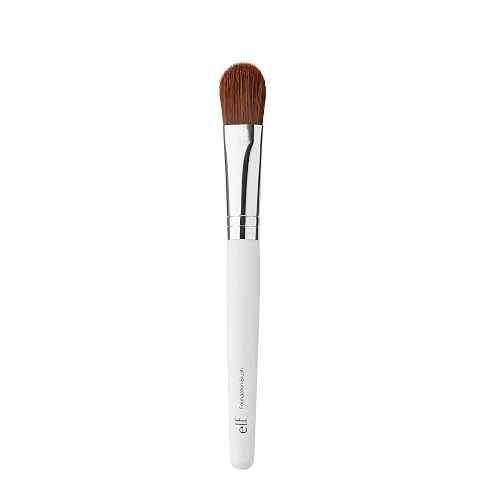

e.l.f. Precision Airbrush Blender
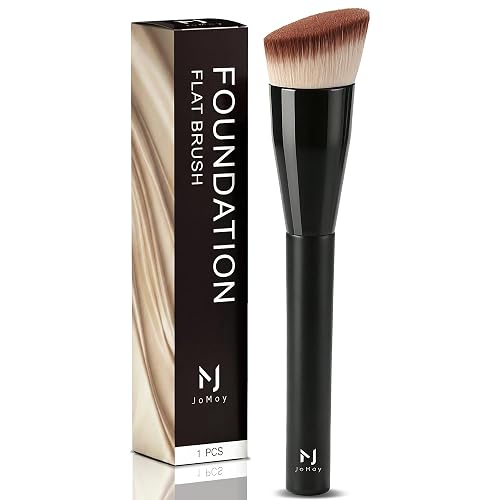
JoMay Flat Top Kabuki Foundation Brush
More Details On Our Top Picks
The pocket-sized flat top gives this brush an easy place in a gym bag, carry-on, or work tote. Dense synthetic bristles usually suit cream foundation because they hold shape while you buff, which matters more than a pretty handle when your morning is moving fast.
Compared with the larger, more all-purpose brushes later in this list, this one feels built for tight storage and quick touch-ups. The honest trade-off is that the smaller head can feel slower on a full face, so it makes more sense for light everyday makeup than for a long sculpted routine.
Strong Points
- Short handle and compact head travel well.
- Flat top shape helps spread cream evenly.
- Synthetic fibers fit cream and liquid formulas.
- Dense bristles help reduce patchy coverage.
Things To Consider
- The small size can take longer on larger areas.
- Travel use means you may want a case for hygiene and storage.
Feature Snapshot
Who It Suits Best
Commuters and frequent travelers get the most value from its small footprint and simple shape.
A Better Fit Elsewhere
KINGMAS 2Pcs Foundation Makeup Brushes suits you better when you want two tools for face work, not one compact carry brush.
A two-piece set changes the rhythm of your routine, especially on days you want one tool for foundation and another for contour or concealer. Double-ended brushes also save drawer space, though that same design can feel a little busier in the hand than a single-head brush like the EIGSHOW pick.
The practical upside shows up in mixed routines, where cream makeup, buffing, and face detailing all happen in one session. You may find the pair more useful than a single specialized brush, but it also asks for a little more cleaning because each end picks up product.
Bright Spots
- Two brushes give you more coverage options.
- Double-ended layout saves drawer space.
- Useful for cream, powder, and concealer work.
- Handy for layered face makeup routines.
Minor Gripes
- Two-ended tools can take longer to clean.
- The shape may feel less simple than a single kabuki brush.
Details At A Glance
Made For
Busy makeup routines that move between base, contour, and concealer suit this set well.
Look Elsewhere When
e.l.f. Foundation Brush suits you better when you want a simpler single brush for steady daily use.
Softness is the whole point here, and that makes this brush feel gentler than the denser kabuki styles above. Vegan bristles can be a smart match for cream foundation and concealer because they often give you a smoother glide with less tug.
For everyday face makeup, the shape makes sense in a vanity setup where you want a controlled finish rather than a quick, heavy buff. The trade-off is that softer brushes can feel less forceful on fuller-coverage days, so the result tends to reward patience more than speed.
Upsides
- Ultra-soft bristles feel gentle on the face.
- Vegan fibers keep the build simple and familiar.
- Good fit for cream foundation and concealer.
- Gives a polished, controlled finish in daily use.
Small Caveats
- Soft brushes can take longer for heavier coverage.
- A delicate feel may not suit very fast buffing.
Core Details
Whose Shelf It Belongs On
People who like a softer, more careful cream makeup finish will get the most from this brush.
Another Choice May Suit
JoMay Flat Top Kabuki Foundation Brush fits better for beginners who want firmer buffing and a denser feel.
Two distinct ends, one round and one angled, give this brush a wider job range than a single-head pick like the Ogee blender. That matters in real routines where cream foundation, blush, and powder all show up on the same table.
The 100% vegan synthetic build is practical for face makeup and easy to fit into a simple cleanup routine. One thing worth considering is that dual-ended brushes can feel less tidy in a small pouch, so they suit a vanity or organized kit better than a tiny travel case.
Positives
- Round and angled ends cover different tasks.
- Works across liquid, powder, cream, and blush.
- Synthetic build keeps care straightforward.
- Useful for face routines with multiple product types.
Worth Noting
- Dual ends can take up more pouch space.
- Cleaning both tips asks for extra attention.
- The shape may feel less minimalist than a single brush.
Quick Facts
Best Suited To
Makeup routines that shift between base, cheek color, and set powder fit this brush especially well.
Skip It When
e.l.f. Foundation Brush makes more sense for anyone who wants a cleaner single-tool setup.
The tapered face shape makes this brush feel straightforward, which is exactly why a lot of daily routines gravitate toward it. For cream or liquid formulas, that taper helps you work into smaller zones around the nose and under the eyes without bringing out a separate detail brush.
Compared with the dual-ended dpolla pick, this one is simpler to keep in rotation and easier to store beside other basics. The trade-off is that a single brush head means less built-in versatility, but the clean shape usually makes that a fair exchange for everyday makeup.
Highlights
- Tapered head helps with tighter face areas.
- Works with cream and liquid formulas.
- Simple shape suits an uncluttered routine.
- Vegan and cruelty-free construction adds clear appeal.
Areas To Watch
- Single-head design gives you less range than a dual-ended brush.
- You may want a second brush for contour or blush.
At A Glance
Perfect Match For
Daily makeup routines that want one dependable brush for cream base work fit this pick well.
Where A Sibling Pick Shines
KINGMAS 2Pcs Foundation Makeup Brushes suits you better when you want separate tools for different face steps.
The angled head gives this brush a more flexible feel than the tapered e.l.f. brush above, especially for blending around facial contours. That shape is useful for cream foundation, but it also helps when you want to thin out product for a softer finish or build it up a little more.
In most makeup bags, that mix of control and range is what keeps a brush like this in regular use. The catch is that angled brushes can demand a steadier hand, so a complete beginner may need a few sessions before the motion feels natural.
Best Bits
- Angled head helps with contour-aware blending.
- Can create sheer or fuller coverage.
- Works with liquids, creams, and powders.
- Flexible enough for several makeup styles.
Softer Spots
- Angled control can take practice at first.
- Less simple than a flat kabuki for quick buffing.
Spec Overview
The Right Fit
People who want one brush with more finish control and contour-friendly shape will get the most from it.
Reach For A Different Pick When
EIGSHOW Foundation Brush, Pocket Flat Top Kabuki (F675-Pink) suits you better for compact travel use and faster storage.
A flat-top kabuki with dense vegan bristles is a familiar starting point for anyone who wants cream foundation to sit down smoothly. The angled makeup brush shape gives it a little more reach than a plain round head, which helps around the sides of the nose and along the jaw.
For beginners and daily makeup routines, that combination feels practical rather than fussy. Compared with the softer Ogee brush, this one leans toward firmer buffing, so it can feel more direct on the skin and a little less airy in finish.
Reasons To Buy
- Dense bristles support streak-free buffing.
- Flat top layout works well with liquid foundation.
- Angled shape helps around face edges.
- Beginner-friendly feel makes it easy to learn.
Room For Improvement
- Firmer feel may not suit very soft blending preferences.
- Single brush means less built-in variety than a pair.
Technical Sheet
Built With In Mind
Beginners who want a simple brush for regular liquid foundation use will find the shape approachable.
Swap It Out When
Ogee Blender Brush suits you better if you want the softest feel and a gentler blend.
How To Choose The Right cream foundation brushes
Start With Shape, Not Hype
Flat-top kabuki brushes press cream makeup into the skin with a more direct buffing motion, while tapered heads help you reach smaller areas around the nose, eyes, and hairline. Angled shapes sit between those two, giving you a bit more control on curves without forcing you to switch tools.
Shape matters because it changes how your base sits, not just how fast you finish. A dense head often gives fuller-looking coverage, while a softer brush tends to leave a lighter, more diffused result.
Match The Bristles To Your Routine
Synthetic bristles are the common fit for cream foundation brushes because they handle cream and liquid formulas without soaking up as much product as natural hair often does. Vegan builds are a practical plus for anyone who wants a simple, modern brush setup.
The trade-off shows up in feel, since some synthetic brushes press more firmly than others. That can be a good thing for quick base makeup, but a gentler hand usually helps keep the finish smooth.
Think About Size And Storage
A pocket-sized brush suits commutes, gym bags, and minimal makeup kits. Larger heads cover the face faster, though they need more room in a drawer and may feel less handy for travel.
For daily use, storage is more than a side note. A brush that fits your pouch, vanity cup, or makeup organizer gets used more often because it stays within reach.
Choose By Coverage Style
For a sheer finish, an angled blender can spread product with less density and more airflow. For fuller coverage, a denser flat-top brush usually gives you more control over how much cream stays on the skin.
That choice changes the whole routine, so it helps to start with the finish you wear most days. A brush that matches your usual look saves time and makes cleanup easier too.
Things Worth Knowing First
Wrong Turns To Avoid
Many shoppers focus on the handle and ignore the head shape, which matters more for cream foundation. Another common miss is choosing a very soft brush for a finish that actually needs firmer buffing.
Cleaning also gets overlooked. Dense or double-ended brushes need regular care, and that part becomes easier when the shape is simple and the bristles are synthetic.
The Upgrade Payoff
Higher-tier cream foundation brushes usually spend more on bristle quality, shape consistency, and a more polished handle. That can matter in daily use because the brush tends to feel steadier and more predictable on the face.
The upgrade makes sense when you wear foundation often or want better control around the nose, jawline, and under-eye area. For occasional use, a simpler brush often gets the job done without adding complexity.
Frequently Asked Questions
What shape works best for cream foundation?
Flat-top kabuki brushes usually give the most direct buffing action for cream formulas. Tapered and angled brushes help more with detail work and smaller facial zones.
Are synthetic bristles better for cream makeup?
Synthetic bristles are usually the safer starting point because they work well with cream and liquid textures. They also tend to be easier to keep clean than more absorbent fibers.
Can you use one brush for cream, powder, and concealer?
Some brushes can handle all three, especially multi-use or double-ended designs. A dedicated cream brush still tends to feel more controlled for foundation work.
What should beginners look for first?
Beginners usually do well with a dense brush that has a clear shape and simple handling. A flat-top kabuki or a tapered face brush keeps the learning curve low.
How do you keep a cream foundation brush in good shape?
Regular cleaning matters because cream products can build up fast in the bristles. Storing the brush where the head keeps its shape also helps it last longer in daily use.