1 Hour in Sun Without Sunscreen
Spending just one hour in the sun without sunscreen may seem harmless, but it can cause immediate redness, long-term aging, and even increase your risk of skin cancer.
Your face is especially vulnerable due to constant exposure and thinner skin. Understanding UV damage and using proper protection—like broad-spectrum SPF 30+ sunscreen—is essential for healthy skin.
This guide explains what happens during that single hour, how to spot early signs of damage, and practical steps to reverse or prevent harm.
1 Hour in Sun Without Sunscreen:
- UV rays cause immediate and long-term skin damage: Even short sun exposure without protection leads to inflammation, DNA damage, and premature aging.
- Your face is highly exposed: Due to its thin skin and constant exposure, facial skin ages faster than other areas without proper defense.
- Sunscreen blocks harmful rays: Broad-spectrum SPF 30+ protects against both UVA (aging) and UVB (burning) rays, reducing burn risk by up to 97%.
- Myths about tanning are dangerous: A tan is a sign of skin injury; no amount of UV exposure is “safe” or beneficial.
- Rehydration and repair matter: After sun exposure, moisturizing, antioxidant serums, and cooling products help soothe and repair damaged skin.
- Time of day affects risk: Between 10 a.m. and 4 p.m., UV intensity peaks—avoid direct sun during these hours when possible.
- Children need extra protection: Their skin is more sensitive; always use child-safe, mineral-based sunscreens on young faces.
Quick Answers to Common Questions
Is 1 hour in the sun without sunscreen really that bad?
Yes. Even brief exposure can cause DNA damage, inflammation, and premature aging. Your face absorbs UV rays quickly due to thin skin.
Can I get sunburned in less than an hour?
Absolutely. People with fair skin can burn in as little as 15–30 minutes, especially during peak sun hours.
Does cloud cover protect me from UV rays?
No. Up to 80% of UV rays penetrate clouds, so sunscreen is still necessary on overcast days.
What SPF should I use for my face?
SPF 30 or higher, broad-spectrum, applied daily—even in winter or indoors near windows.
Can I reverse sun damage?
Some damage can be repaired with antioxidants and consistent skincare. Severe cases may require professional treatments like laser therapy.
📑 Table of Contents
- Introduction: What Really Happens When You Skip Sunscreen for One Hour?
- How Sun Exposure Without Sunscreen Damages Your Skin
- Why Your Face Is Especially at Risk
- Signs Your Skin Was Harmed in Just 1 Hour
- How to Protect Your Face: Sunscreen Tips That Actually Work
- Healing and Repair: What to Do After 1 Hour Without Protection
- Prevention Is Better Than Cure: Building a Sun-Smart Skincare Routine
- Conclusion: One Hour Can Change Everything—But You Can Control the Outcome
Introduction: What Really Happens When You Skip Sunscreen for One Hour?
Have you ever stepped outside for a quick walk, checked your phone, and realized you’ve been in the sun for over an hour—completely forgetting about sunscreen? If so, you’re not alone. It’s easy to underestimate the power of the sun, especially when it feels pleasant or warm. But here’s the truth: spending 1 hour in the sun without sunscreen isn’t just risky—it’s actively damaging your skin.
Your skin is your body’s largest organ, and like any organ, it needs protection. The sun emits two types of harmful ultraviolet (UV) radiation: UVA and UVB. While UVB causes sunburns and immediate redness, UVA penetrates deeper, breaking down collagen and speeding up aging. Even on a cloudy day, up to 80% of UV rays can pass through clouds. So whether you’re running errands, having lunch outdoors, or walking your dog, your face is exposed—and vulnerable.
In this article, we’ll break down exactly what happens to your skin during that critical 1-hour window without protection. We’ll also share simple, science-backed ways to protect your face, heal existing damage, and keep your skin glowing—not burned or aged. Because your skin deserves more than just a quick fix.
How Sun Exposure Without Sunscreen Damages Your Skin
When you step into the sun without sunscreen, your skin reacts immediately. Within minutes, UV rays begin penetrating the outer layer of your skin—the epidermis. Here’s a timeline of what happens during that 1 hour:
The First 15–30 Minutes: Immediate Reactions
Even before you notice redness, your skin starts reacting. UVB rays trigger the release of inflammatory chemicals called cytokines. These cause blood vessels to swell, leading to heat and redness—classic signs of sunburn. Meanwhile, UVA rays begin breaking down elastin fibers, weakening the skin’s support structure.
Visual guide about 1 Hour in Sun Without Sunscreen
Image source: sunbum.com
The 30–60 Minute Mark: DNA Damage and Cellular Stress
By the time you reach the one-hour mark, your cells have absorbed significant UV energy. This causes thymine dimer formations—a type of DNA mutation where adjacent thymine bases bond incorrectly. If not repaired, these mutations can lead to skin cancers like basal cell carcinoma or melanoma. Even mild tanning is a sign that your skin has been injured and is trying to protect itself by producing more melanin.
Long-Term Effects: What 1 Hour Can Start
While one hour won’t cause full-blown sunburn, it’s enough to trigger oxidative stress. Free radicals generated by UV exposure damage lipids, proteins, and DNA in your skin cells. Over time, repeated unprotected sun exposure accelerates photoaging—wrinkles, dark spots, and loss of firmness. Studies show that people who skip sunscreen daily are twice as likely to develop actinic keratosis, a precancerous condition.
Why Your Face Is Especially at Risk
Your face isn’t just more exposed—it’s biologically more vulnerable. Unlike arms or legs, facial skin is thinner (only 0.5 mm thick compared to 1–2 mm elsewhere), meaning UV rays reach deeper layers faster. Add to that constant environmental stressors like pollution, wind, and screen time (blue light), and your face becomes a hotspot for damage.
Common Facial Areas Most Affected
- T-zone (forehead, nose, chin): Oilier and more prone to clogged pores, making post-sun breakouts common.
- Cheeks: Often the most exposed side, leading to uneven pigmentation.
- Lips: The thinnest skin on the body; lips lack melanin and are prone to burning and dryness.
Gender and Age Considerations
Women are more likely to skip sunscreen on their face due to makeup concerns, but this increases risk significantly. Men often neglect sunscreen altogether, leading to higher rates of squamous cell carcinoma. Children under six months should never be exposed to direct sunlight, and those over six months need mineral sunscreens (zinc oxide or titanium dioxide) applied every two hours.
Visual guide about 1 Hour in Sun Without Sunscreen
Image source: images1.dnaindia.com
Signs Your Skin Was Harmed in Just 1 Hour
You might think one hour isn’t enough to see real damage, but your skin gives subtle clues. Pay attention to these warning signs:
Immediate Redness and Tightness
If your face feels hot, tight, or looks flushed after being in the sun, that’s your body’s way of saying, “I’m stressed.” This is erythema—sun-induced inflammation. It usually appears within 30 minutes and can last for hours or days.
Visual guide about 1 Hour in Sun Without Sunscreen
Image source: images.ctfassets.net
Mild Tanning or Bronze Glow
A tan is not healthy—it’s your skin’s attempt to block further damage. Melanin production increases as a protective response, but this doesn’t mean you’re safe. Any change in color indicates cellular injury.
Dryness or Flaking
UV rays strip natural oils from your skin. By the end of one hour, you might feel dryness or notice flaky patches, especially around the jawline or forehead.
Pimples or Breakouts
Sun exposure increases oil production and clogs pores. Many people report acne flare-ups after outdoor activities—even if they didn’t wear sunscreen.
How to Protect Your Face: Sunscreen Tips That Actually Work
The good news? You can enjoy the outdoors safely with the right routine. Here’s how to protect your face effectively:
Choose the Right Sunscreen
Look for broad-spectrum protection (covers UVA and UVB), SPF 30 or higher, and water resistance if sweating. Mineral sunscreens (with zinc oxide or titanium dioxide) are ideal for sensitive skin and work instantly upon application—no wait time like chemical filters.
Apply Generously and Consistently
Most people use only 25–50% of the recommended amount. For your face and neck, use about a nickel-sized dollop. Apply 15–30 minutes before going outside, and reapply every two hours—or immediately after swimming or sweating.
Layer It Into Your Routine
Use sunscreen as your last step in morning skincare. Try this order: cleanser, toner, serum, moisturizer, sunscreen, makeup. Don’t skip it—even on cloudy days or indoors near windows.
Don’t Forget Accessories
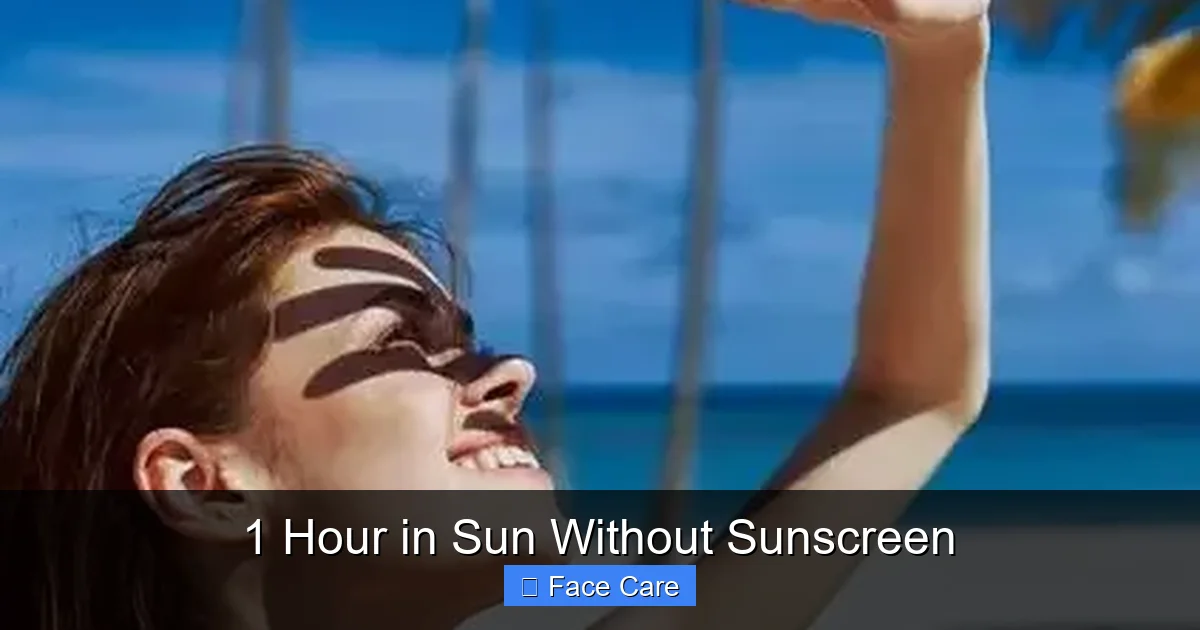
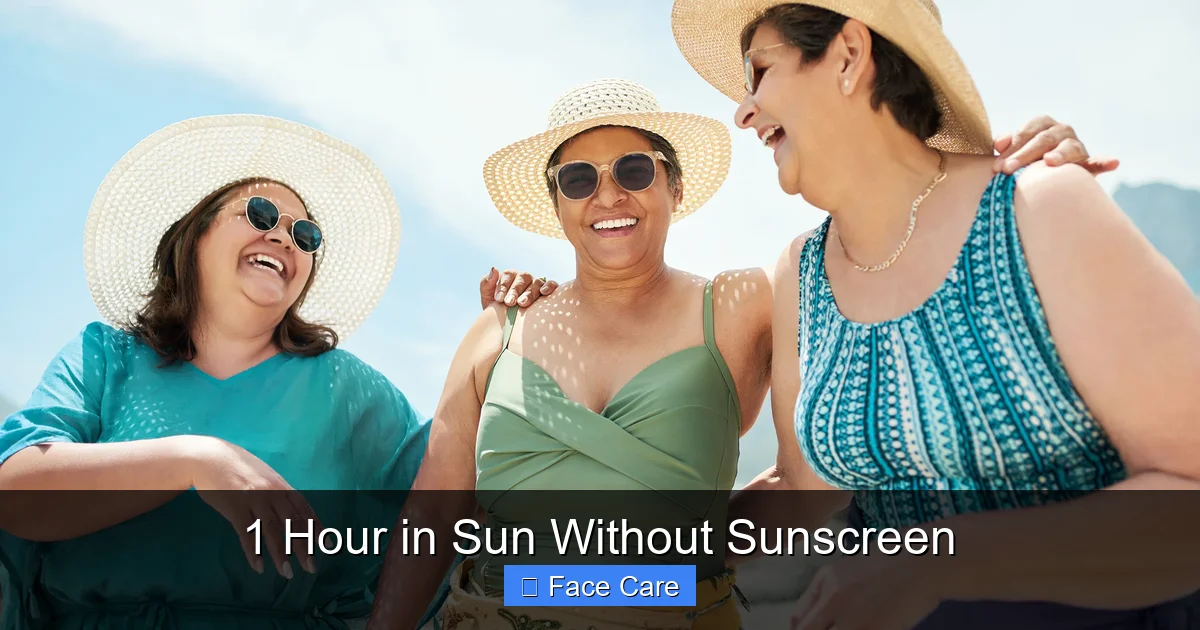
Wear wide-brimmed hats, UV-blocking sunglasses, and seek shade between 10 a.m. and 4 p.m. when UV rays are strongest. A scarf or collared shirt can offer extra facial protection.
Healing and Repair: What to Do After 1 Hour Without Protection
If you realize you’ve been in the sun without sunscreen, don’t panic—but do act quickly. Your skin can recover with the right care.
Cool Down Immediately
Rinse your face with cool (not cold) water to reduce heat and inflammation. Avoid hot showers, which worsen irritation.
Apply Soothing Ingredients
Use aloe vera gel, green tea extract, or centella asiatica to calm redness. Look for products with niacinamide or panthenol to strengthen the skin barrier.
Hydrate and Moisturize
UV exposure dries out your skin. Use a rich, fragrance-free moisturizer to restore hydration. Hyaluronic acid serums can help draw moisture into the skin.
Avoid Irritants
Skip exfoliants, retinoids, and active ingredients like vitamin C (unless buffered) for 24–48 hours. These can increase sensitivity and cause stinging.
Consider Antioxidant Support
Topical antioxidants like vitamin E or ferulic acid neutralize free radicals caused by UV exposure. Oral supplements (with doctor approval) can also help from within.
Prevention Is Better Than Cure: Building a Sun-Smart Skincare Routine
Once your skin has recovered, focus on prevention. A consistent routine reduces long-term damage and keeps your face looking youthful.
Daily Habits That Make a Difference
- Apply sunscreen every morning—yes, even indoors.
- Check your sunscreen’s expiration date; most last 12–18 months.
- Store sunscreen in a cool place; heat degrades formulas.
- Teach children sun safety early—make it a family habit.
Upgrade Your Products Over Time
As your skin changes, so should your sunscreen. In winter, opt for richer creams. In summer, use lighter gels or sprays. For mature skin, choose formulations with added peptides or antioxidants.
Track Your Sun Exposure
Use apps that monitor UV index in your area. Set reminders to reapply sunscreen or seek shade during peak hours.
Conclusion: One Hour Can Change Everything—But You Can Control the Outcome
Spending 1 hour in the sun without sunscreen may seem minor, but its impact on your skin’s health adds up over time. From immediate redness to long-term aging and increased cancer risk, unprotected sun exposure is a silent threat—especially to your face. The good news? Prevention is simple, effective, and empowering.
By applying sunscreen daily, understanding UV damage, and knowing how to respond if you forget, you take control of your skin’s future. Remember: a little protection goes a long way. One hour of sun without sunscreen might feel harmless, but your skin remembers every second. Make every minute count with smart choices—because healthy, radiant skin starts with consistent care.
Frequently Asked Questions
How long does it take for skin to recover from sun damage?
Minor damage typically heals in 24–72 hours with proper care. Severe burns may take weeks and leave lasting marks.
Can I use makeup instead of sunscreen?
No. Most makeup contains insufficient SPF and isn’t applied thickly enough to provide adequate protection.
Is SPF 50 better than SPF 30?
SPF 50 blocks slightly more UVB rays (98% vs. 97%), but both are effective. Reapplication matters more than the number.
Should kids use sunscreen on their faces?
Yes, for children over six months. Choose mineral-based, fragrance-free formulas designed for sensitive skin.
Can I skip sunscreen if I have dark skin?
No. While melanin offers some natural protection, all skin types need sunscreen to prevent aging and cancer.
Does sunscreen expire?
Yes. Check the expiration date—usually 12–18 months after opening. Expired sunscreen loses effectiveness.