

Best Anti Aging Treatments For 40s | Beginner-Friendly Guide to Younger, Healthier Skin
Turning 40 often brings a moment of realization in the mirror. Lines look deeper, cheeks seem less lifted, pores more visible, and the glow you once had feels muted. This isn’t sudden aging — it’s the result of collagen decline, slower cell renewal, cumulative sun exposure, and hormonal shifts that become more noticeable in this decade.
The encouraging part is that your skin can still respond very well to the right care. You don’t need extreme measures. A smart mix of targeted skincare, supportive habits, and selected in-clinic treatments can visibly improve firmness, tone, and texture within months.
This guide explains what truly works, why it works, and how to choose safely as a beginner.
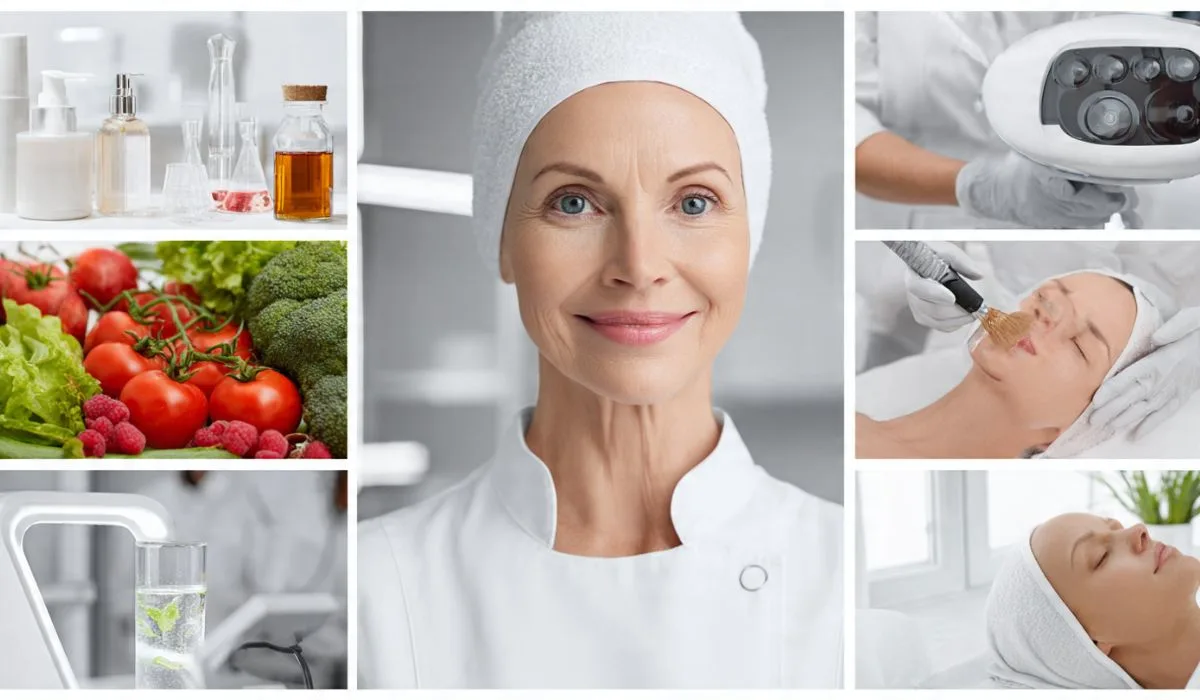
What biologically changes in your skin during your 40s:
By this age, collagen production drops by about 1% every year. Elastin fibers weaken, so skin doesn’t “snap back” as easily. Natural oil production decreases, leading to dryness that exaggerates wrinkles. Cell turnover slows from roughly 28 days in youth to 40–50 days, causing dullness and rough texture.
Years of UV exposure begin to show as pigmentation, sun spots, and uneven tone. In women, perimenopause can further thin the skin due to hormonal fluctuation.
These internal shifts explain why the same products you used in your 20s or 30s may no longer be enough.
Essential daily routine that supports every anti-aging plan:
Before considering procedures, this foundation must be consistent:
Cleanse gently morning and night to protect the skin barrier. Apply a vitamin C serum in the morning to fight free radicals and support collagen. Use a moisturizer rich in hyaluronic acid, ceramides, or glycerin to restore hydration. Apply broad-spectrum sunscreen SPF 30+ every day without fail. At night, introduce retinol gradually to stimulate cell renewal and collagen formation.
This routine alone can improve brightness, fine lines, and texture within 6–8 weeks.
Ingredients that matter most in your 40s:
Retinol increases collagen and speeds up skin renewal. Vitamin C brightens and protects from environmental damage. Hyaluronic acid deeply hydrates and plumps fine lines. Niacinamide improves elasticity and strengthens the skin barrier. Peptides support firmness. Ceramides repair dryness and sensitivity.
Using products with these ingredients is more important than brand names.
Professional treatments that give visible, faster results:
When skincare is not enough, non-surgical treatments can target deeper aging signs safely when done by qualified professionals.
Botox relaxes muscles that cause expression lines like forehead creases and crow’s feet. It prevents wrinkles from getting deeper and maintains a smoother appearance for several months.
Dermal Fillers restore lost facial volume in cheeks, under eyes, and smile lines. This creates a subtle lift and youthful contour.
Chemical Peel removes damaged surface layers, improving pigmentation, roughness, and dullness.
Microneedling creates micro-injuries that stimulate natural collagen production, improving firmness and fine lines over time.
Laser Skin Resurfacing treats wrinkles, sun damage, and texture together by triggering deep collagen repair.
You typically choose one based on your main concern rather than doing all.
Matching treatments to your skin concern:
Forehead and eye wrinkles respond well to Botox. Hollow cheeks and deep smile lines improve with fillers. Dark spots and uneven tone respond best to chemical peels. Fine lines, enlarged pores, and mild sagging improve with microneedling. Multiple concerns may benefit from laser resurfacing.
A consultation helps personalize this choice.
Natural methods that still enhance firmness and glow:
Facial massage increases blood circulation and lymphatic drainage, reducing puffiness and improving tone. Face yoga gently strengthens underlying muscles. Applying aloe vera gel or rosehip oil at night nourishes dry, thinning skin. Weekly mild exfoliation removes dead cells and restores brightness.
These won’t replace treatments but enhance results.
Read Next: Does Olive Oil Darken Skin? Science, Myths, and Safe Skincare Use
Nutrition that slows visible aging:
Vitamin C from citrus fruits supports collagen. Vitamin E from nuts protects skin cells. Omega-3 from fish or flaxseeds reduces inflammation and dryness. Antioxidants from green tea and berries fight free radicals. Adequate protein intake supports tissue repair. Drinking enough water keeps skin plump.
High sugar intake should be reduced because it damages collagen through glycation.
Lifestyle habits that directly affect how old your skin looks:
Seven to eight hours of sleep allows nighttime skin repair. Daily sun protection prevents further collagen breakdown. Avoid smoking, which deprives skin of oxygen. Manage stress, as cortisol accelerates aging. Regular exercise improves blood flow and skin vitality.
A realistic 8-week beginner action plan:
Weeks 1–2: Build a consistent skincare routine and increase hydration.
Weeks 3–4: Add vitamin C in the morning and retinol at night.
Weeks 5–6: Notice smoother texture and improved brightness.
Weeks 7–8: If needed, consult a professional for microneedling or a peel.
Small, steady steps prevent irritation and give lasting results.
Common mistakes to avoid in your 40s:
Using too many active ingredients together can irritate and thin the skin. Skipping sunscreen reverses progress. Expecting overnight change leads to frustration. Following trends instead of understanding your skin’s needs wastes time and money.
What kind of results are realistic:
Within one month, skin feels more hydrated and looks brighter. In two months, fine lines soften and texture improves. In three months, firmness increases gradually. Professional treatments can speed up these improvements but still require maintenance.
Final thoughts:
Anti-aging in your 40s is not about chasing youth. It’s about restoring skin health, firmness, and brightness with informed choices. A strong skincare routine, supportive lifestyle, and one well-chosen treatment when necessary can make your skin look noticeably fresher and more youthful for years ahead.
FAQs | Anti-Aging Treatments in Your 40s
Is 40 too late to start anti-aging care?
No. Skin still responds very well to consistent care and targeted treatments.
Do I need procedures or is skincare enough?
Many people see great improvement with skincare alone. Procedures are optional for faster or deeper correction.
How long does it take to see results from retinol?
Usually 6–12 weeks with regular use.
Are fillers and Botox safe?
Yes, when performed by trained, licensed professionals.
How often should professional treatments be repeated?
Every 4–6 months depending on the treatment and your skin response.
What is the single most important anti-aging step?
Daily sunscreen and proper hydration.
Can diet really affect wrinkles?
Yes. Nutrients and water intake directly influence collagen and skin repair.