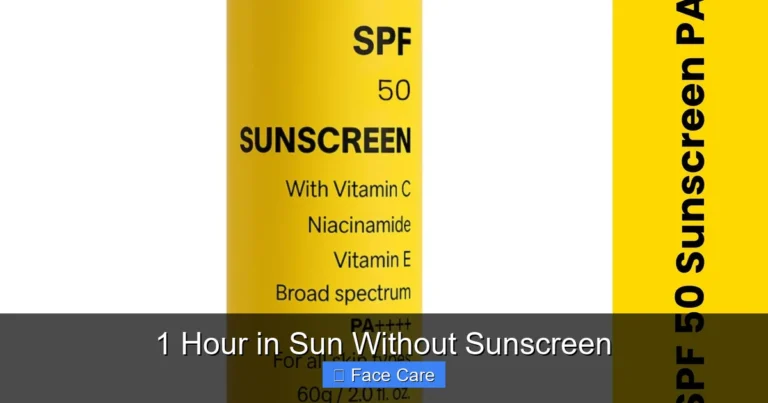

Should You Wear Sunscreen Everyday Even in Winter | Learn More About
When winter arrives, many people put away sunscreen along with summer clothes. The sun feels weaker, days are shorter, and the air is colder—so it seems logical to skip sun protection.
But here’s the truth supported by dermatology science: UV rays do not take a winter break.
So the real question is: Should you wear sunscreen every day even in winter?
The clear, evidence-based answer is: Yes, you should wear sunscreen daily in winter—just as you do in summer.
This guide explains why winter sun still damages your skin, how UV behaves in cold weather, and how to build a simple, effective sunscreen routine year-round.

Why Sunscreen Is Still Necessary in Winter?
Even though temperatures drop, ultraviolet (UV) radiation remains active throughout the year.
There are two main types of UV rays:
- UVB rays: cause sunburn (weaker in winter but still present)
- UVA rays: cause aging, pigmentation, and deep skin damage (constant year-round)
According to the American Academy of Dermatology, UVA rays maintain similar intensity across all seasons and are responsible for long-term skin aging and pigmentation.
That means winter does not stop skin damage—it only changes how it happens.
Read Next: How Can I Protect My Skin from Sun Naturally | Meet Nature’s Shield
What Happens to Your Skin Without Sunscreen in Winter?
Even in cold weather, unprotected skin can experience:
- Gradual tanning or uneven tone
- Dryness combined with pigmentation
- Fine lines and early aging signs
- Worsening of melasma
- Increased sensitivity due to dry air
Winter skin damage is often silent and cumulative, meaning you don’t notice it immediately—but it builds over time.
The Winter UV Myth: “The Sun Isn’t Strong”:
One of the biggest misconceptions is that the sun is weak in winter.
But UV strength depends on:
- Latitude (your location on Earth)
- Altitude (higher elevation = stronger UV)
- Reflection from snow or surfaces
- Cloud cover (does not block UVA fully)
Even on cold, cloudy winter days, UV rays are still reaching your skin.
Snow Reflection Increases UV Exposure:
Snow is one of the most surprising winter UV factors.
Fresh snow can reflect up to 80% of UV rays, meaning you are exposed from:
- Direct sunlight
- Reflected sunlight from snow
- Ambient sky radiation
This is why skiers and hikers often experience sunburns in winter despite freezing temperatures.
UVA Rays Are Active All Year:
Unlike UVB rays, UVA rays:
- Penetrate clouds
- Pass through windows
- Remain stable across seasons
- Cause long-term skin aging
Even if you are indoors near a window in winter, your skin is still exposed.
The Skin Cancer Foundation confirms that daily UVA exposure contributes significantly to cumulative skin damage and photoaging.
Step-by-Step Guide: How to Use Sunscreen in Winter:
Step 1: Apply Sunscreen Every Morning
Winter skincare should still include sunscreen as the final step:
- Cleanser
- Moisturizer
- Sunscreen SPF 30 or higher
Use a broad-spectrum sunscreen for UVA + UVB protection.
Step 2: Don’t Skip Exposed Areas
Even in winter clothing, some skin is exposed:
- Face
- Neck
- Ears
- Hands (especially important in winter)
Hands are often overlooked but show early aging signs.
Step 3: Reapply When Needed
Reapplication depends on exposure:
- Outdoors: every 2–3 hours
- Indoor near windows: once midday may be enough
- Minimal exposure: morning application may be sufficient
Step 4: Choose Winter-Friendly Sunscreen
Winter skin is often dry, so choose:
- Moisturizing sunscreen formulas
- Cream-based SPF for hydration
- SPF 30–50 broad-spectrum protection
Step 5: Combine With Barrier Protection
Sunscreen works best with:
- Moisturizers (to prevent dryness)
- Lip balm with SPF
- Gloves and scarves for wind protection
Who Needs Sunscreen Most in Winter?
You should never skip sunscreen in winter if you:
- Have pigmentation or melasma
- Use retinol or exfoliating acids
- Have fair or sensitive skin
- Spend time outdoors in snow or mountains
- Sit near windows for long hours
- Live in sunny or high-altitude regions
Indoor Winter UV Exposure:
Winter does not mean zero UV indoors.
UV exposure still happens through:
- Windows
- Reflected outdoor light
- Bright indoor daylight
This is why dermatologists recommend year-round sunscreen use, not seasonal use.
Effective Tips for Winter Sun Protection:
- Apply sunscreen even on cloudy winter days
- Use SPF lip balm to prevent lip damage
- Reapply after wiping or touching your face
- Wear sunglasses to protect under-eye skin
- Don’t rely on makeup SPF alone
- Moisturize before sunscreen for better comfort
Dermatologist Recommendations:
The American Academy of Dermatology recommends daily sunscreen use regardless of season because UV exposure remains constant throughout the year.
The World Health Organization highlights that cumulative UV exposure is a major contributor to premature aging and skin damage globally.
Experts agree on one principle:
Skin protection is not seasonal—it is daily.
Common Myths About Winter Sunscreen:
Myth 1: I don’t need sunscreen in winter
Truth: UVA rays are active year-round
Myth 2: Cold weather means no sun damage
Truth: UV rays are independent of temperature
Myth 3: I only need sunscreen in summer
Truth: Winter exposure still causes aging and pigmentation
Myth 4: Snow protects my skin
Truth: Snow increases UV reflection
Benefits of Wearing Sunscreen in Winter:
- Prevents uneven pigmentation
- Reduces winter tanning
- Protects against premature aging
- Maintains skin brightness
- Strengthens long-term skin health
- Supports other skincare treatments
Simple Winter Sunscreen Routine:
Morning
- Cleanse
- Moisturize
- Apply sunscreen SPF 30+
Daytime
- Reapply if outdoors or near windows
Night
- Cleanse and repair skin barrier with moisturizer