
8 Best Hair Growth Masks for 2026
Hair that feels dry, stretched, or thin around the ends needs more than a quick rinse. This roundup focuses on masks that fit everyday repair routines, whether you’re dealing with heat styling, color upkeep, or curls that need better slip and softness. The point is simple, you want a mask that matches your hair’s texture and the amount of upkeep you can realistically keep up with.
Some of these options lean rich and restorative, while others are built around moisture, smoothing, or a fuller-looking finish. You’ll find clear differences in ingredients, jar size, and hair-type fit, so you can match the formula to your routine instead of guessing.
The Shortlist At A Glance
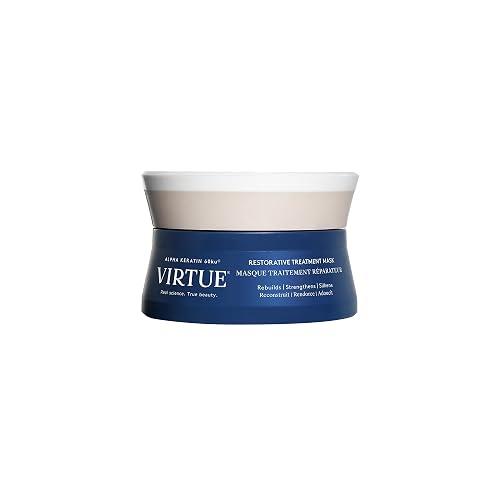
Virtue Restorative Hair Mask Treatment
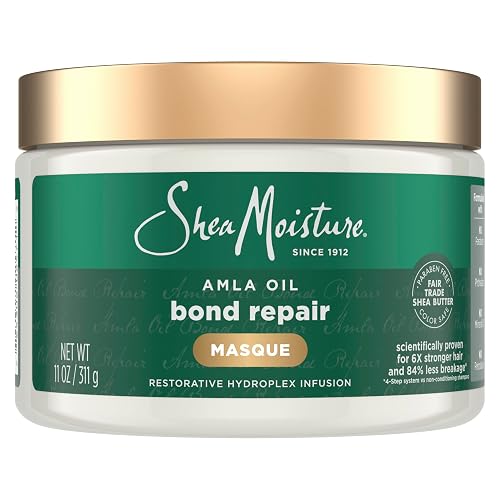
SheaMoisture Bond Repair Masque Amla Oil
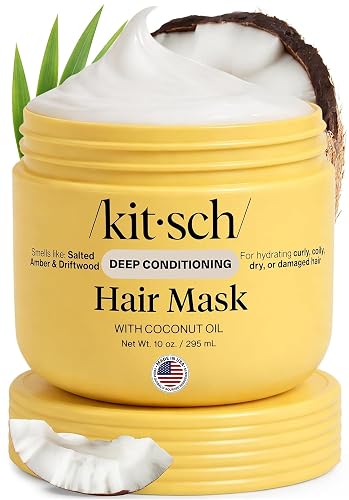
Kitsch Moisturizing Coconut Oil Hair Mask 10 oz
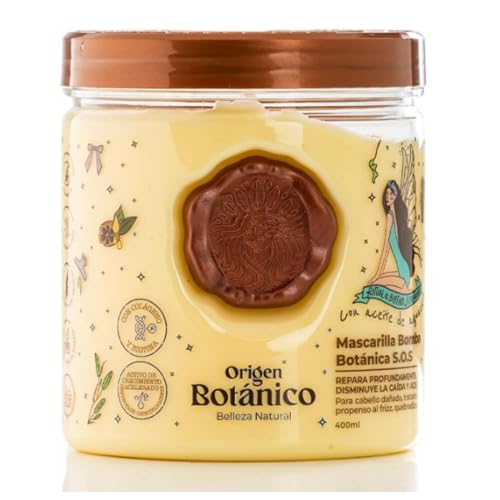
Ritual Botánico S.O.S. Botanical Bomb Mask 400 ml
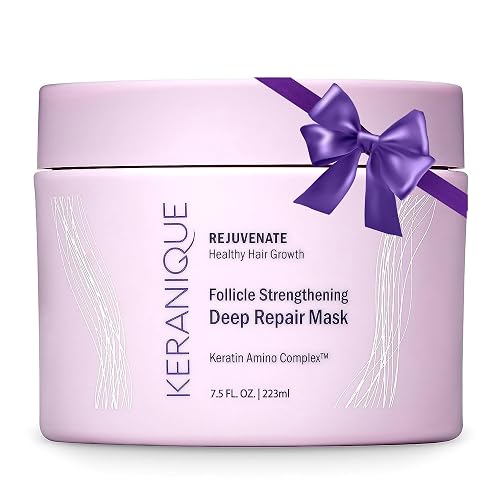
Keranique Hair Mask for Dry, Damaged and Thinning Hair
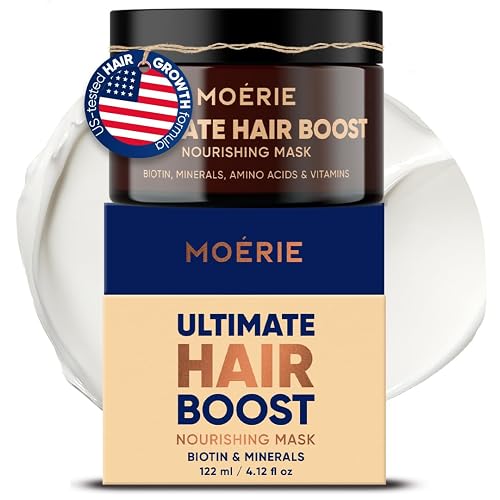
Moerie Mineral Hair Growth and Repair Mask
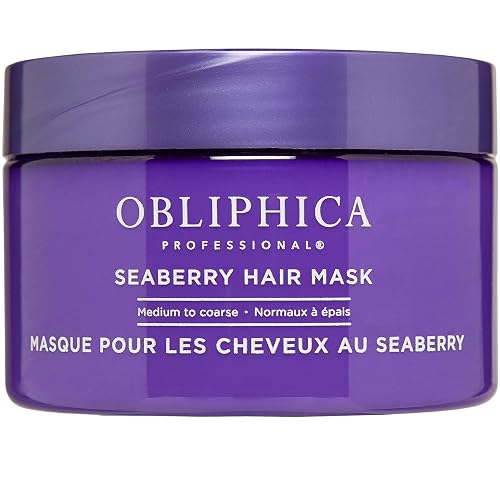
Obliphica Seaberry Hair Mask

Nature Spell Hair Growth Mask 13.52 Fl Oz
More Details On Our Top Picks
Keratin and baobab seed oil make this mask feel aimed at hair that needs structure and softness at the same time. The all-hair-types and color-safe positioning matters most for mixed households, since one jar can serve different textures without forcing a separate shelf full of products.
That broad fit is useful, though the honest trade-off is that a general-purpose formula can feel less tailored than a niche curl mask like Kitsch or a thicker repair blend like Moerie. For anyone managing heat wear, color stress, or rough ends after blow-drying, this is a calm, sensible place to start.
What We Like
- Keratin gives the formula a repair-minded angle.
- Baobab seed oil adds a conditioning layer that helps hair feel less brittle.
- Works across hair types, which keeps the bottle useful in shared bathrooms.
- Color-safe positioning suits maintenance routines between salon visits.
Small Caveats
- Broad formulas can feel less targeted than masks built around curls or thinning hair.
- Heavier repair masks sometimes need careful rinsing to avoid residue on fine strands.
Feature Snapshot
Who It Suits Best
You’ll like this most if you want a versatile repair mask for color-treated, heat-styled, or generally stressed hair.
A Better Fit Elsewhere
SheaMoisture Bond Repair Masque Amla Oil suits you better when moisture is the bigger concern than broad all-purpose repair.
This masque leans harder into moisture than the first pick, with amla oil and HydroPlex technology working together in a bond-repair style formula. Bond repair means the product is aimed at helping stressed hair feel more connected and resilient, which matters after coloring, straightening, or frequent brushing.
For dry lengths that still need softness, that mix can be very practical. The trade-off is that richer repair masks sometimes feel too dense for very fine hair, so your routine and strand thickness matter here more than with Virtue.
Highlights
- Amla oil gives the formula a moisture-forward feel.
- Bond repair styling fits hair that needs a more restorative routine.
- HydroPlex branding signals a more structured treatment approach.
- The 11 oz size works well for regular mask use.
Worth Noting
- Richer masks can sit heavy on very fine or flat hair.
- Deep-condition formulas usually need more rinse time to feel clean.
Core Details
Right Fit For
You’re a strong match for this mask if your hair feels dry, rough, or overworked from styling and coloring.
Swap It Out When
Nature Spell Hair Growth Mask is the easier pick for someone who wants a lighter-feeling moisture blend with more capacity.
Coconut oil gives this mask a softer, more familiar deep-conditioning profile, and that tends to work well for curls that need slip as much as repair. For wash day in a busy bathroom, a formula like this is appealing because it speaks to frizz control, moisture, and detangling in one jar.
Compared with SheaMoisture’s bond-repair angle, Kitsch feels more straightforward and texture-friendly than technical. That simplicity is a strength for curly and coily hair, though very damaged strands may still want a heavier repair formula like Virtue or Moerie.
Positives
- Coconut oil supports softness and easier finger detangling.
- Curly and coily hair compatibility broadens its usefulness.
- The 10 oz jar is easy to store on a crowded shelf.
- Frizz-focused conditioning helps hair feel calmer after wash day.
Points To Note
- Moisturizing masks can feel rich on very fine hair.
- Anyone chasing stronger repair may want a more protein-led option.
- Jar-style packaging means you’ll want to keep water out during use.
Details At A Glance
Best Suited To
You’ll probably like this most for curly or coily hair that wants softness, smoother feel, and easier styling after cleansing.
Another Choice May Suit
Obliphica Seaberry Hair Mask is the better fit for medium or coarse hair that wants a more concentrated hydrating treatment.
This one is built like a large-format treatment jar, and the 400 ml size makes sense for anyone who masks often or goes through a lot of product in a month. The naming also points to a more ambitious repair-and-growth angle, which gives it a different personality from the softer moisture focus of Kitsch.
That said, growth-focused marketing deserves a careful eye. You’ll get the most practical value from it as a repair-oriented botanical mask for frequent use, especially in hair that feels dry, brittle, or neglected between trims.
Bright Spots
- 400 ml capacity suits regular mask routines.
- Botanical positioning may appeal to shoppers who prefer plant-leaning formulas.
- Repair-first naming signals a treatment mindset.
- Large jar size can be practical for households with more than one user.
Areas To Watch
- Growth claims should be treated as marketing language, not a promise.
- Larger jars take more cabinet space than smaller masks.
Feature Rundown
Built With In Mind
You’re the best match for this pick if you treat your hair often and want a larger jar with a repair-forward feel.
Look Elsewhere When
Virtue Restorative Hair Mask Treatment is the better fit for anyone who wants a more universal, color-safe formula with less emphasis on size.
Keratin protein and ceramides make this feel more targeted than the broader formulas above, especially for hair that needs support at both the surface and the cuticle. Ceramides are lipids, meaning they’re fatty molecules that help hair feel more sealed and smoother, which is useful when breakage and dryness show up together.
The thinning-hair angle is what separates it from Virtue and SheaMoisture. You may find that focus especially helpful after heat styling or during seasons when your hair feels flat at the roots and rough at the ends, though that specificity is also what makes it less universal.
Reasons To Buy
- Keratin protein gives it a structured repair profile.
- Ceramides add a smoothing, moisture-holding layer.
- The formula addresses dry, damaged, and thinning hair in one place.
- Keratin Amino Complex adds a more treatment-like identity.
Room For Improvement
- Specialized formulas can feel less necessary for hair that only needs basic moisture.
- Protein-forward masks sometimes work best in moderation, depending on hair texture.
- Heavier treatment routines may require extra rinse time.
Core Details
Whose Shelf It Belongs On
This is a smart match for anyone who wants a more intentional mask for fragile, thinning-prone hair that still needs hydration.
Where A Sibling Pick Shines
Nature Spell Hair Growth Mask makes more sense for someone who wants a larger, more moisture-heavy option with a softer ingredient blend.
This formula is the most growth-oriented name in the group, and the mineral angle makes it stand apart from the coconut, amla, and seaberry masks above. Vegan-friendly, paraben-free, and silicone-free positioning also makes it appealing to shoppers who keep their routines stripped down.
The trade-off is that a growth-led mask can sound bigger than the day-to-day result it actually delivers, so the best use case is a consistent repair routine with length and fullness as the long view. That makes it a stronger match for you than Kitsch or Virtue when your main concern is how hair feels over time.
Best Bits
- Mineral-based identity sets it apart from the oil-heavy masks in this list.
- Growth-and-repair framing suits longer routine planning.
- Vegan-friendly positioning fits ingredient-conscious routines.
- Paraben-free and silicone-free notes appeal to simpler care routines.
Honest Caveats
- Growth language can invite bigger expectations than a mask can promise.
- Silicone-free formulas may feel different from the smoother finish some people expect.
- Mineral-focused care may not feel as plush as richer oil-based masks.
Technical Sheet
The Right Fit
You’ll get the most out of this mask if your priority is a growth-minded, ingredient-conscious routine for longer-term hair care.
Where Another Pick Suits Better
SheaMoisture Bond Repair Masque Amla Oil is the easier choice for anyone who wants a softer moisture-first feel right away.
Seaberry gives this mask a more distinctive identity than the coconut and amla formulas earlier in the list. The product is positioned for dry and damaged hair, with extra attention to medium, coarse, and color-treated textures, so the fit feels more deliberate than generic.
That texture focus matters in real life, because coarse or color-treated hair often needs more slip and hydration to feel manageable after cleansing. For someone who wants a treatment with a defined audience and a compact 8.5-ounce jar, this sits in a comfortable middle ground.
Positives
- Seaberry gives the formula a more specialized identity.
- Designed for medium, coarse, and color-treated hair.
- Hydrating treatment language suits dry lengths that need softness.
- 8.5 ounces keeps it easy to store and rotate with other products.
Minor Gripes
- The smaller jar means frequent users may go through it quickly.
- Those with very fine hair may prefer a lighter finish.
Core Details
Made For
You’re the right match for this mask if your hair is medium to coarse and needs a hydrating treatment that feels more targeted.
Not Your Match When
Kitsch Moisturizing Coconut Oil Hair Mask is the better fit for curl-focused shoppers who want a softer, more broadly friendly conditioner.
Hyaluronic acid, coconut oil, and shea butter make this the moisture-heavy pick in the group, and that mix usually suits dull hair that wants softness before anything else. Hyaluronic acid is a humectant, which means it helps hold moisture, so the formula has a more modern conditioning profile than a plain oil mask.
The 13.52 fl oz size also gives it practical value for regular use. Compared with Obliphica’s smaller jar, this one feels better for a routine you stick with week after week, though the richer texture may still ask for careful application on finer strands.
Standout Traits
- Hyaluronic acid adds a moisture-holding role.
- Coconut oil and shea butter bring familiar conditioning support.
- Colour-safe and vegan notes broaden its routine-friendly appeal.
- Large 13.52 fl oz size suits repeated use.
Areas To Watch
- Richer creams can feel heavy on very fine hair.
- Moisture-focused formulas may not replace a stricter repair mask for severely stressed hair.
Feature Card
Who Should Grab It
This fits you well if your hair is dry, dull, and in need of a richer moisture routine with a larger jar.
Reach For A Different Pick When
Moerie Mineral Hair Growth and Repair Mask makes more sense for shoppers who want a more treatment-driven growth angle.
How To Choose The Right hair growth masks
Start With Your Hair’s Weak Spot
Dryness, breakage, color fade, and limp length all call for slightly different masks. A protein-led formula, like Virtue or Keranique, helps when hair feels weak and rough, while a moisture-first jar like Nature Spell or Kitsch suits hair that mainly feels thirsty and tangled.
The honest read is that no single mask covers every problem well. Match the dominant concern first, then look at texture, size, and how often you plan to use it.
Match The Formula To Your Texture
Fine hair usually does better with lighter conditioning and careful application, because dense creams can flatten it fast. Curly, coily, medium, and coarse hair often welcome richer slip, which is why Kitsch and Obliphica stand out for more textured routines.
Mineral or bond-repair formulas can feel more structured, while coconut, shea, and seaberry blends tend to feel softer and more cushioned. That difference matters more than the marketing language on the front of the jar.
Check The Ingredient Story
Keratin and ceramides point toward repair support, oils like amla and coconut point toward softness, and hyaluronic acid is there to help hold moisture. Those terms are useful because they tell you what the mask is trying to do, not just how it sounds on paper.
Some formulas also carry narrower ingredient profiles, such as vegan, silicone-free, or paraben-free positioning. That can be helpful for routine preferences, though it does not replace matching the formula to your actual hair condition.
Think About Routine And Jar Size
A larger jar makes sense for weekly masking in a family bathroom or for long, thick hair that uses more product per session. Smaller jars work better for trial runs, shelf space, or routines where you rotate between a repair mask and a lighter conditioner.
Texture also affects cleanup and storage. Rich masks usually need a careful rinse, and open-jar packaging works best when you keep water out during use, which helps the product stay pleasant for longer.
What To Weigh Before You Click
Mistakes Worth Dodging
One common miss is choosing by buzzwords alone. A name that says growth, repair, or strengthening still needs to match your hair’s real need, and a moisture-heavy mask can be the wrong fit for hair that actually wants protein support.
Another slip is ignoring jar size. A small tub can vanish fast on thick or long hair, while a large one may take up more shelf room than you want in a shared bathroom.
Why Top Tier Costs More
Higher-tier masks usually spend more on ingredient combinations, targeted claims, and more specialized formulas. That’s why Keranique and Moerie feel more focused than a basic softening treatment, even before you compare texture or finish.
The upgrade makes sense when you want a narrower fit, such as thinning-prone hair, stronger repair support, or a more polished ingredient story. For simple softness, the extra spend often isn’t necessary.
Frequently Asked Questions
How often should you use a hair growth mask?
Most people use a mask once or twice a week, depending on how dry or damaged the hair feels. Thicker or more processed hair usually handles richer treatment steps more comfortably.
Do hair growth masks work on fine hair?
Yes, but lighter application matters more for fine hair than for coarse textures. A rich formula can weigh strands down, so a moisture-first mask with a smaller amount usually feels safer for styling volume.
What is the difference between a mask and a regular conditioner?
A mask is a deeper treatment step, usually left on longer and built with richer conditioning support. A regular conditioner is meant for quicker, more routine smoothing after shampooing.
Can color-treated hair use these masks?
Several picks here are color safe or aimed at color-treated hair, which makes them useful for dyed lengths. Virtue, Obliphica, and Nature Spell are especially relevant in that kind of routine.
Should you choose protein or moisture first?
Choose protein when hair feels weak, stretchy, or rough, and choose moisture when it feels dry, dull, or tangled. Some routines need both over time, but starting with the main problem keeps your choice simpler.
Final Thoughts
The best hair growth masks in this group are the ones that fit your actual hair story, not just the most dramatic label. Virtue and Keranique lean repair-forward, Kitsch and Nature Spell lean moisture-rich, and Moerie pushes hardest toward a growth-oriented routine. You can keep the choice simple by matching texture, size, and your biggest concern. That approach is steadier than chasing a formula that sounds impressive but misses the mark.