
8 Best 4c Hair Growth Products
4c hair can get dry fast, tangle easily, and respond best to products that respect the scalp as much as the strands. The right pick depends on whether you want a scalp oil, a leave-in blend, a topical serum, or an internal supplement that fits your routine without turning it into a chore.
This roundup focuses on eight Amazon listings that speak to those needs in different ways. You’ll see which ones make sense for daily maintenance, which ones fit thicker-looking hair goals, and which ones lean toward gentler care for kids or anyone who prefers softer routines.
The Shortlist At A Glance
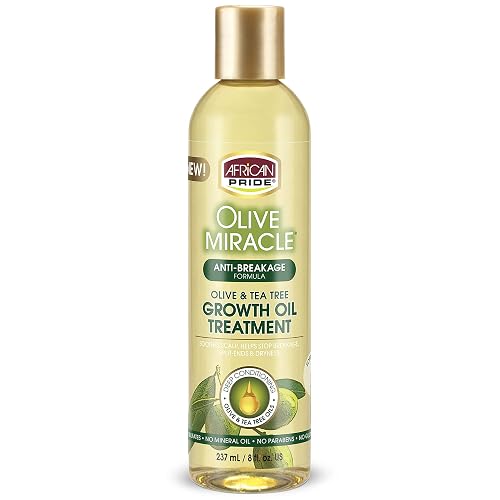
African Pride Olive Miracle Growth Oil 237 ml/8 fl.oz
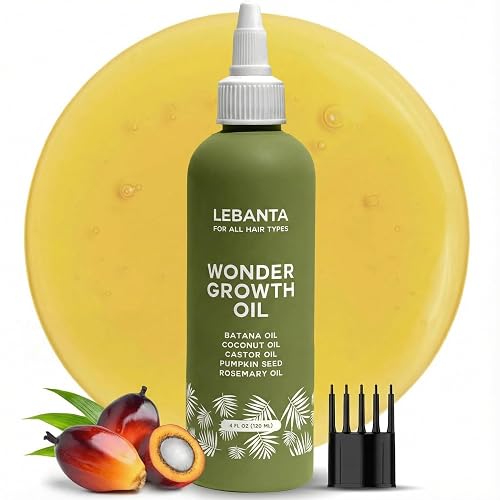
Lebanta Batana Oil for Hair 4 fl oz
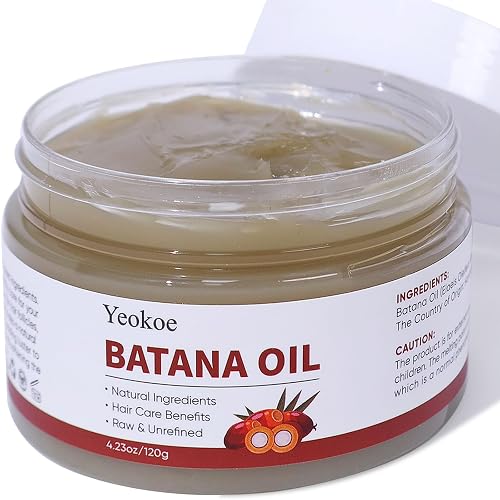
Yeokoe Batana Oil for Hair Growth

West African Scalp Awakening Oil 1.7 fl oz
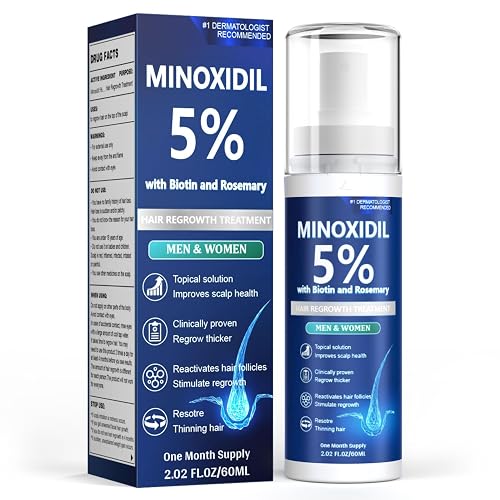
Rylx Minoxidil Hair Growth Serum 60ML
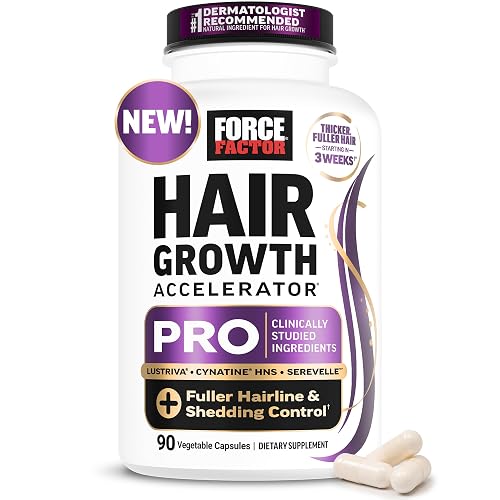
Force Factor Hair Growth Accelerator Pro 90 Capsules
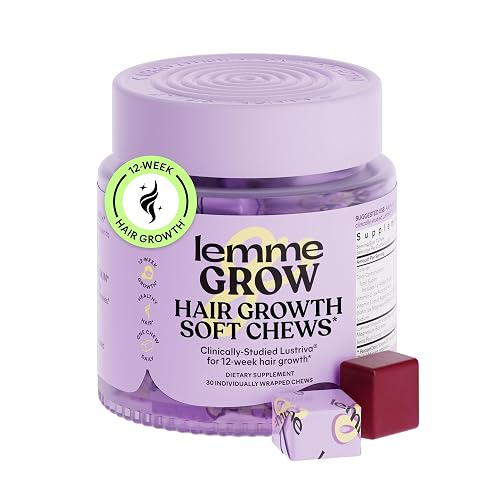
Lemme Grow Hair Growth Booster Soft Chews
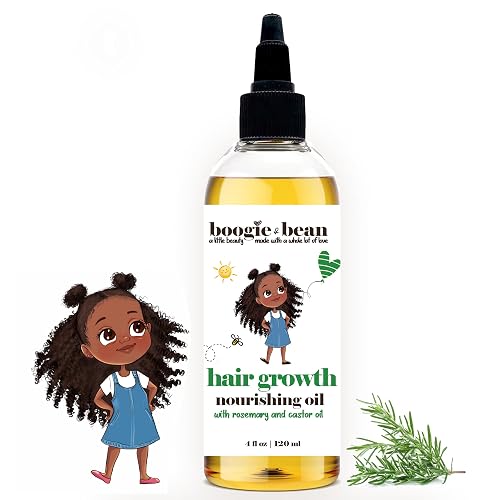
Boogie and Bean Natural Hair Growth Oil for Kids and Infants
More Details On Our Top Picks
This African Pride oil fits the kind of routine that already uses grease, cream, or leave-in on a regular basis and needs one more layer of slip and sealing. The 237 ml bottle gives you enough volume for repeated scalp and length application, so it works better as a steady-use bottle than a tiny trial size.
The anti-breakage angle matters most for strands that snag easily during detangling or styling, especially around the crown and ends. The trade-off is simple, it’s still an oil, so heavier-handed use can weigh hair down fast, which is why sectioning and a light touch make the most sense.
Strong Points
- Large bottle size suits regular use and reduces how often you need to restock.
- Oil format helps seal in moisture after washing or misting.
- Useful for pre-styling scalp care in a busy weekly routine.
- Pairs well with protective styles that need a light scalp refresh.
Things To Consider
- Oil can feel heavy on fine strands, especially near the roots.
- Packaging is straightforward rather than fancy, so it’s more about function than shelf appeal.
Feature Snapshot
Who It Suits Best
You’ll get the most from this pick if you wear 4c styles that need ongoing moisture sealing and detangling support.
Where A Sibling Pick Shines
Lebanta Batana Oil for Hair fits better for someone who wants a more ingredient-focused blend with castor, pumpkin seed, coconut, and rosemary.
This blend leans into ingredient clarity, which is useful for you if you prefer a short list of recognizable oils instead of a crowded formula. Batana oil gets the spotlight, while castor, pumpkin seed, coconut, and rosemary round out the bottle with a more layered feel than the African Pride option.
The 4 fl oz size keeps it compact enough for a shelf, travel bag, or bathroom drawer, though that also means it won’t last as long as the larger bottle above. For scalp massage or sealing ends, the smaller format feels neat and manageable, especially in a routine where you don’t want product overload.
Highlights
- Short ingredient list is easier to understand at a glance.
- Compact bottle stores neatly and travels without much hassle.
- Works well as a focused scalp oil rather than a multi-step routine.
- Castor and rosemary give it a more familiar hair-oil profile.
Worth Noting
- Smaller size means you may need to restock sooner than with larger oils.
- The richer oil feel can be too much for very light daily use.
- Like most oils, the finish depends on how lightly you apply it.
Core Details
Who Will Love This
You’re a strong match for this oil if you like ingredient-led products and prefer a smaller, cleaner-feeling bottle.
Swap It Out When
African Pride Olive Miracle Growth Oil makes more sense for someone who wants a larger bottle for repeated weekly use.
Yeokoe keeps things stripped back, which can be appealing in a bathroom cabinet already crowded with styling products. Because it’s raw and unrefined, the appeal is more about a straightforward oil feel than a dressed-up formula, and that suits simple scalp-and-ends routines.
Compared with Lebanta, this one reads even more minimal, so it may feel right for someone who likes fewer moving parts and less perfume-like complexity. The trade-off is that a very plain oil profile can feel less tailored, especially if you want a blend that brings several complementary oils into the mix.
What We Like
- Raw, unrefined style suits shoppers who want a very simple oil choice.
- Works across hair and skin care routines, which adds flexibility.
- Easy to use on scalp sections without a complicated application process.
Small Caveats
- The stripped-back formula may feel less layered than blended oil options.
- Oil texture can leave residue if you apply more than your hair needs.
- Packaging and storage matter here, since raw oils do better when kept tidy and sealed.
Details At A Glance
Whose Shelf It Belongs On
You’ll appreciate this pick most if you prefer simple topical oils and don’t want a long ingredient list to manage.
Look Elsewhere When
Lebanta Batana Oil for Hair suits someone better when a richer blend of supporting oils feels more appealing.
This bottle is shaped around 3C to 4C hair care from the start, which makes it feel more targeted than the earlier oils. The leave-in format matters too, since you massage a small amount into the scalp and leave it there instead of turning the routine into a wash-out step.
The 1.7 fl oz size keeps it compact, so it’s easy to tuck into a drawer or travel pouch, though it won’t suit someone who wants a larger bottle for frequent, generous application. The heat-forward branding feels bold, but the real value sits in the focused castor and rosemary blend and the simple scalp-massage routine.
Reasons To Buy
- Built specifically with kinky and coily textures in mind.
- Leave-in use keeps the routine simple and low fuss.
- Small bottle is easy to store in tight spaces.
- Massage step can fit neatly into a weekly scalp-care habit.
Areas To Watch
- Smaller size means it is less suited to heavy-handed daily use.
- The concentrated feel can be too rich for very light routines.
Quick Facts
Built With In Mind
You’re the right match for this oil if you want a leave-in scalp product made with coily textures in mind.
Another Choice May Suit
African Pride Olive Miracle Growth Oil makes more sense for someone who wants a larger bottle with broader everyday oil coverage.
This serum shifts the category from general oil care into a more targeted topical treatment format. Biotin, rosemary, and batana give it a familiar hair-care profile, while the minoxidil-focused positioning puts it closer to a dedicated routine than a casual grooming oil.
That makes it a strong fit for someone who wants a more structured approach and doesn’t mind a product that feels a little more clinical in its purpose. The trade-off is that serums usually ask for consistency, so it works best when you’re comfortable with a routine you’ll repeat often.
Best Bits
- Serum format is easy to place directly where you want it.
- Pairs biotin, rosemary, and batana with a regrowth-focused approach.
- Works for hair and beard care, which broadens its use.
- Smaller bottle format makes it easy to keep near the sink or mirror.
Points To Note
- The more targeted format asks for steady routine use.
- Smaller volume means you may need to keep track of how quickly you go through it.
- Serum texture may not appeal to anyone who prefers a simple oil finish.
Feature Card
Who Should Grab It
You’re the best fit for this serum if you want a focused topical product and don’t mind a more structured grooming routine.
Reach For A Different Pick When
West African Scalp Awakening Oil suits someone better when a lighter leave-in scalp oil feels more natural than a serum.
This is the list’s supplement-heavy option, so the value sits in consistency more than in immediate cosmetic feel. Lustriva, a patented biotin-silicon complex, is the hook here, and the formula also brings keratin, saw palmetto, and ashwagandha into the mix for a broader ingredient profile.
Compared with the topical oils above, this format suits someone who wants a capsule-based routine rather than another bottle on the sink. The trade-off is obvious, supplements ask for patience and regular use, so it’s less hands-on than a scalp oil and a better match for people who already take daily capsules.
Upsides
- Capsule format keeps the routine simple and easy to remember.
- Ingredient stack is broader than the oil-based picks.
- Biotin, keratin, and saw palmetto give it a familiar hair-support profile.
- Works for people who prefer internal routines over topical products.
Room For Improvement
- Capsules are less immediate than a scalp oil or serum.
- Daily consistency matters, which can be hard in a rushed schedule.
- Not a fit for someone who wants a cosmetic product they can feel right away.
Technical Sheet
Right Fit For
You’re the right fit for this pick if you want a capsule routine and prefer supplement-style support over topical care.
Skip It When
Rylx Minoxidil Hair Growth Serum suits someone better when topical application feels more natural than swallowing capsules.
Soft chews can be easier to stick with than capsules, and that matters in real life more than most product pages admit. Lemme’s mixed berry format keeps the routine friendly, while the Lustriva and biotin pairing keeps it in the same ingredient neighborhood as the Force Factor capsules, just in a more approachable chewable form.
The plant-based positioning, no artificial flavors, and no synthetic colors may appeal to you if you like a cleaner ingredient story on the label. The trade-off is that chewables bring taste and texture into the equation, so the format works best when you enjoy taking supplements this way rather than just tolerating them.
Bright Spots
- Chewable format is easier for many people to remember and take.
- Mixed berry flavor gives the routine a softer entry point.
- Includes Lustriva and biotin, which keeps it aligned with hair-support formulas.
- Plant-based positioning may suit shoppers who want a simpler label.
Honest Caveats
- Taste and texture matter here, so it’s not a universal fit.
- Still a daily routine product, which asks for consistency.
Feature Rundown
The Right Fit
You’ll like this most if you want a hair-support routine that feels easier to take than pills.
Where Shoppers Go Wrong
Force Factor Hair Growth Accelerator Pro suits someone better when capsules feel easier than chewables and flavor matters less.
This one is clearly aimed at younger heads, which makes it a useful option for family routines that need something gentler in spirit. The rosemary-led positioning keeps it in the hair-oil lane, but the kid and infant focus changes the lens, since you’re choosing for softness and simplicity rather than a heavy styling product.
Compared with the other oils in this list, it feels more specialized for smaller scalps and more careful use. The non-GMO note adds another layer for shoppers who pay close attention to label language, though the practical read is still the same, you want a small amount, a careful hand, and a simple routine.
Plus Points
- Built for kids and infants, so the positioning is clearly family oriented.
- Rosemary-based oil format keeps application straightforward.
- Works for 4c Black hair in a gentler household routine.
Softer Spots
- Specialized age focus means it’s less relevant for adult-only routines.
- Small bottle formats usually suit careful use more than broad, heavy application.
Core Details
Made For
You’re the right fit for this oil if you’re building a careful hair-care routine for a child or infant with textured hair.
Consider Something Else When
African Pride Olive Miracle Growth Oil makes more sense for adult daily use with a larger bottle and broader maintenance focus.
How To Choose The Right 4c hair growth products
Match The Format To Your Routine
Topical oils, serums, capsules, and chews solve different problems. Oils and serums work best for scalp massage, sealing ends, and short, repeatable steps after washing, while capsules and chews fit people who want a grooming routine that starts from the inside.
The practical question is whether you want something you can feel on hair right away or something that lives in a medicine cabinet and gets taken daily. Busy mornings usually favor simple formats, and longer routines tend to work better when the product feels easy to keep using.
Read The Ingredient Story, Not Just The Front Label
Batana, castor, rosemary, biotin, keratin, and saw palmetto all point to different use styles, even before you look at branding. A simple oil blend can feel easier to manage, while a supplement with multiple ingredients asks for more patience and consistency.
That’s where texture preference matters too. Thick oils can be helpful for sealing, but they may feel heavy on fine strands, and chewables or capsules can be easier to stay with than a topical step you keep skipping.
Think About Hair Density, Length, and Styling Habits
4c hair often lives in protective styles, wash-and-go routines, or stretched looks, so the product has to fit around your styling life. Larger bottles make sense for frequent use, while smaller bottles are easier to keep tidy and may suit lighter routines or travel.
For thicker-looking results, scalp-focused products usually depend on steady use and careful sectioning. If your hair already shrinks tightly and tangles fast, a formula that helps with slip and moisture retention tends to feel more useful than a product that only sounds active on paper.
Choose For Maintenance, Then Build Up
Some products are better as maintenance tools than dramatic fixes. A daily oil, a gentle serum, or a chewable supplement can all support a routine, but each one works best when the rest of your care is consistent too.
Start with the format you’ll actually keep using. The right match is usually the one that fits your schedule, your texture, and your tolerance for mess, taste, or extra steps.
Things Worth Knowing First
Hidden Buying Traps
One common mistake is choosing a formula that sounds intense but doesn’t fit your routine. A heavy oil can be a poor match for fine hair, and a supplement can disappoint fast when you expected a cosmetic feel.
Another trap is ignoring size. A small bottle may look neat on a shelf, yet it can become inconvenient for someone doing frequent scalp massage or full-length application.
When Paying More Pays Off
Higher-tier options in this space often cost more because the ingredient stack is tighter, the format is more specialized, or the product leans on patented or clinically studied components. That shows up in capsules with branded ingredients, targeted serums, and blends that are clearly built for a specific hair routine.
The upgrade makes sense when you want a more deliberate daily system and you’re comfortable paying for convenience or added formulation work. For casual use, a simpler oil is usually enough, but a more advanced formula can be worth it when you want structure and consistency.
Frequently Asked Questions
What kind of 4c hair growth product fits daily use best?
A lightweight scalp oil or a small topical serum usually fits daily routines best. Those formats are easier to fold into wash day, sealing, or sectioned styling.
Are supplements or topical oils better for 4c hair?
They solve different jobs, so the better choice depends on your routine. Oils and serums work on the scalp and strands, while capsules and chews fit a daily internal routine.
How much should size matter?
Size matters more than many shoppers expect, especially with oil-based products. A larger bottle suits frequent use, while a compact bottle works better for light application or travel.
What ingredient should you look for first?
That depends on the kind of routine you want. Rosemary, castor, and batana lean topical, while biotin, keratin, and saw palmetto show up more often in supplement-style formulas.
How do you avoid choosing the wrong product for 4c hair?
Start with your styling habits and how much maintenance you can realistically keep up with. Then match the format, bottle size, and texture to that routine instead of chasing the longest ingredient list.