How to Protect Your Skin from the Sun Without Sunscreen | Protecting your skin
Protecting your skin from the sun doesn’t always mean slathering on sunscreen.
With smart daily habits, protective clothing, and natural skincare routines, you can reduce UV damage effectively.
From seeking shade during peak hours to eating antioxidant-rich foods, small changes make a big difference in long-term skin health.
How to Protect Your Skin from the Sun Without Sunscreen?
- Wear protective clothing: Opt for tightly woven fabrics, wide-brimmed hats, and UV-blocking sunglasses to create a physical barrier against the sun.
- Seek shade during peak hours: Avoid direct sunlight between 10 a.m. and 4 p.m when UV rays are strongest.
- Use umbrellas and canopies: Portable shade structures can provide relief during outdoor activities like picnics or beach days.
- Dress strategically: Long sleeves made of breathable fabrics like cotton or linen offer good coverage while keeping you cool.
- Eat antioxidant-rich foods: Foods high in vitamins C and E help neutralize free radicals caused by sun exposure.
- Stay hydrated: Drinking plenty of water keeps your skin plump and resilient, helping it better withstand environmental stressors.
- Use natural oils with caution: Some oils like coconut or jojoba may offer mild protection but are not a substitute for sunscreen or other barriers.
[FEATURED_IMAGE_PLACEHOLDER]
Sun protection is essential for maintaining healthy, youthful-looking skin. While sunscreen remains one of the most effective tools against UV damage, many people are looking for alternatives—whether due to skin sensitivity, environmental concerns, or personal preference. Fortunately, there are several practical, science-backed ways to protect your skin from the sun without relying solely on sunscreen. This includes adjusting your daily habits, dressing appropriately, and even modifying your diet. By combining these strategies, you can significantly reduce your risk of sunburn, premature aging, and skin cancer.
The key is consistency. It’s not about doing everything perfectly every day, but making smart choices regularly. Think of sun protection as a layered defense system—like wearing a raincoat and umbrella on a cloudy day, even if you don’t see rain yet. The same goes for UV rays: they’re invisible but powerful. Let’s explore how you can build that natural shield.
Key Takeaways
- Understanding how to protect your skin from the sun without sunscreen: Provides essential knowledge
Quick Answers to Common Questions
Can I get vitamin D without sunscreen?
Yes! Short, unprotected exposures to sunlight (about 10–15 minutes on arms and legs, 2–3 times per week) can trigger vitamin D production. Just avoid peak sun hours and watch for redness.
Are hats enough for sun protection?
A wide-brimmed hat offers good facial and neck protection, but it doesn’t cover your arms, hands, or legs. Combine it with long sleeves and seek shade for full coverage.
Do clouds block UV rays?
No, not completely. Up to 80% of UV rays can pass through clouds. You can still burn on a cloudy day, so protection is still necessary.
Can diet alone prevent sunburn?
No. While antioxidants in food support skin health, they don’t provide real-time protection. Use diet as a complement to physical barriers and smart habits, not a replacement.
Is reflective water dangerous for skin?
Yes. Water reflects up to 25% of UV rays, doubling your exposure. Always wear protective gear like hats and sunglasses when near pools or oceans.
📑 Table of Contents
Understanding How Sunlight Affects Your Skin
Before diving into protection methods, it’s helpful to understand what happens when your skin is exposed to sunlight. There are two main types of harmful ultraviolet (UV) rays: UVA and UVB. Both contribute to skin damage, but in different ways.
UVA rays penetrate deep into the dermis, the middle layer of skin, and are primarily responsible for premature aging, wrinkles, and age spots. They also play a role in skin cancer development. These rays are present all year round, even on cloudy days, and can pass through glass.
UVB rays mainly affect the outer layer of the skin, causing sunburn and directly damaging DNA. They are strongest during midday and contribute significantly to the development of melanoma and other skin cancers.
Together, these rays break down collagen and elastin—proteins that keep skin firm and elastic. Over time, this leads to sagging skin and dark spots. That’s why protecting your skin isn’t just about avoiding burns; it’s about preserving your skin’s structure and health for years to come.
How to Protect Your Skin from the Sun Without Sunscreen
Visual guide about How to Protect Your Skin from the Sun Without Sunscreen
Image source: thumbs.dreamstime.com
While sunscreen is highly effective, you don’t need to use it constantly to stay protected. Here’s how to build a strong, natural defense:
1. Time Your Sun Exposure Wisely
One of the simplest ways to avoid overexposure is to limit your time in direct sunlight. The sun’s rays are strongest between 10 a.m. and 4 p.m., especially near the equator or at higher altitudes. During these hours, UV intensity increases rapidly.
Instead of sitting outside during lunchtime, take a walk in the morning or evening when the light is softer. If you must be outdoors, try to schedule activities like gardening or jogging before 10 a.m. or after 4 p.m. You’ll still get vitamin D—your body produces it when your skin is exposed to sunlight—but at safer times.
For example, if you usually run at noon, shift your routine to early morning. Not only will you avoid the heat, but you’ll also reduce your UV exposure by up to 80%. Small adjustments like this add up over time.
2. Wear Protective Clothing
Clothing is your best natural sunscreen. Choose items made from tightly woven fabrics like denim or canvas, which block more UV rays than loosely woven materials such as cotton T-shirts. Darker colors generally offer better protection than lighter ones, though some white cotton shirts can also block UV effectively.
Long-sleeved shirts and pants provide excellent coverage. Look for styles with built-in UPF (Ultraviolet Protection Factor) ratings—these are tested to block a certain percentage of UV rays. UPF 50 means only 1/50th of the sun’s rays reach your skin.
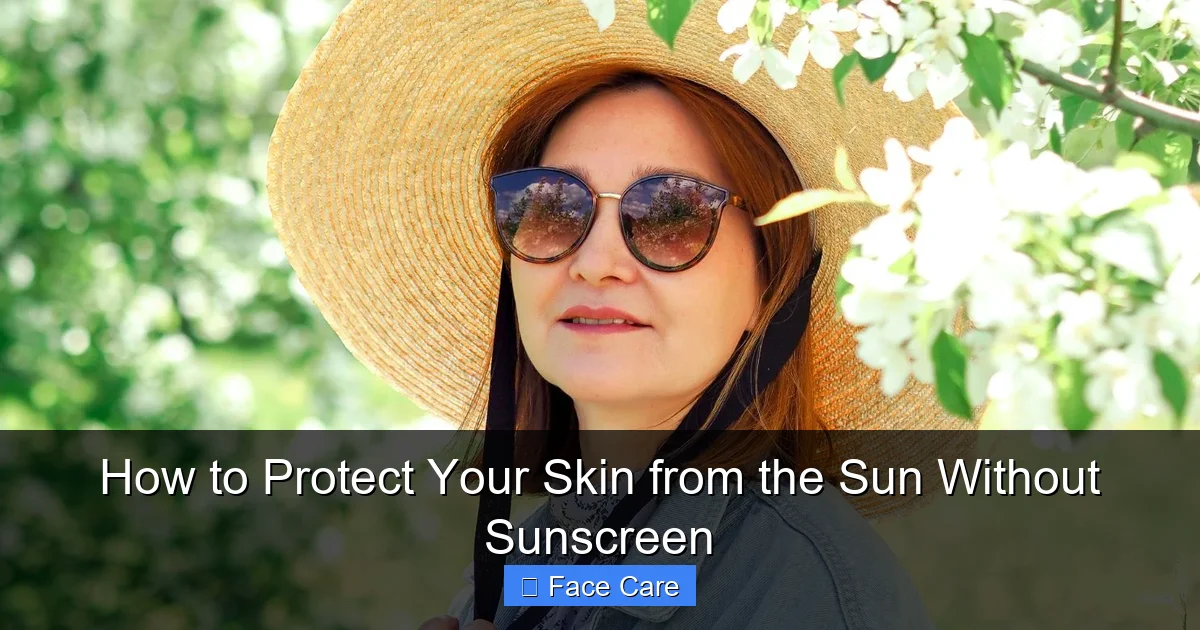
Don’t forget accessories: a wide-brimmed hat (at least 3 inches around the edge) protects your face, neck, and ears. And don’t overlook sunglasses—opt for wraparound styles that block both UVA and UVB rays. Your eyes are sensitive too!
For outdoor workers or athletes, consider moisture-wicking performance fabrics that dry quickly and resist fading. Brands like Columbia and Patagonia offer clothing with built-in sun protection.
3. Use Umbrellas and Canopies
Whether you’re at the beach, park, or backyard barbecue, using an umbrella or pop-up canopy creates instant shade. Unlike trees or buildings, these portable shades block 99% of UV radiation. Position them strategically so you’re shaded during peak hours.
At the beach, choose a beach umbrella with a closed top and sides. Some models even have reflective coatings to reduce glare. On hikes or picnics, a lightweight canopy can be set up easily and folded away when not needed.
Remember: shade is only effective if it’s close enough. Sitting under a tree might seem safe, but leaves don’t block all UV rays. For reliable protection, use man-made shade.
4. Eat Antioxidant-Rich Foods
Your diet plays a surprising role in sun protection. Certain nutrients help repair cellular damage caused by UV exposure and strengthen your skin’s natural defenses.
Vitamin C, found in citrus fruits, strawberries, and bell peppers, boosts collagen production and reduces inflammation. Vitamin E, present in nuts, seeds, and avocados, protects cell membranes from oxidative stress.
Green tea is packed with polyphenols that may lower the risk of sunburn and reduce redness. Similarly, tomatoes contain lycopene, an antioxidant that appears to increase resistance to UV rays.
Try adding a daily smoothie with spinach, berries, and a splash of orange juice. Or snack on a handful of almonds and carrots. Over time, these foods support skin resilience and may even improve your skin’s ability to heal after sun exposure.
5. Stay Hydrated
Dehydrated skin is more vulnerable to sun damage. When you’re dehydrated, your skin loses its elasticity and becomes thinner, making it easier for UV rays to penetrate deeper layers.
Drink at least 8 glasses of water daily, more if you’re active or live in a hot climate. Herbal teas, infused water with cucumber or lemon, and broths also contribute to hydration.
On sunny days, carry a reusable water bottle. Set reminders if needed. Proper hydration helps maintain your skin’s barrier function, which acts as a first line of defense against environmental aggressors.
6. Be Mindful of Reflective Surfaces
Snow, sand, water, and concrete can reflect up to 80% of UV rays, increasing your exposure without you realizing it. At the beach, sand reflects 17–25% of UV rays. Snow reflects 80–90%. Even pavement can bounce back harmful rays onto your face and legs.
When walking near water or snow, wear sunglasses and apply a lip balm with SPF (yes, it counts!). Consider wearing a scarf around your neck or head when skiing or swimming. These simple additions can prevent unexpected sunburn.
Also, be aware of your surroundings. Sitting on a bright sidewalk bench might expose your back to reflected light, especially if you’re wearing light-colored clothing.
Natural Alternatives and Their Limitations
Visual guide about How to Protect Your Skin from the Sun Without Sunscreen
Image source: fabulous50s.com
Some people turn to natural oils like coconut, jojoba, or argan oil as sunscreen substitutes. While these oils do form a thin barrier on the skin, they offer minimal UV protection—typically less than SPF 10. They’re not designed to block UV rays and can actually increase skin damage if exposed to the sun afterward.
Moreover, natural oils can clog pores and cause breakouts, especially on the face. Relying on them instead of proper sun protection puts you at risk for burns and long-term damage.
That said, you can use oils as part of a nighttime skincare routine to nourish and repair the skin after sun exposure. Just don’t count on them for daytime protection.
Building a Sustainable Sun-Safe Routine
Visual guide about How to Protect Your Skin from the Sun Without Sunscreen
Image source: arizonasun.com
Consistency matters more than perfection. You don’t need to overhaul your entire life overnight. Start with one or two changes:
– Begin by shifting outdoor activities to earlier mornings.
– Add a wide-brimmed hat to your morning outfit.
– Keep a water bottle in your bag.
– Eat a piece of fruit with breakfast daily.
Over weeks, these habits become second nature. Track your progress—note how your skin feels and looks. You might notice fewer redness, less dryness, and better overall texture.
Also, educate others! Share tips with friends or family who struggle with sunscreen use. Awareness spreads, and small actions can inspire bigger changes.
Conclusion
Protecting your skin from the sun without sunscreen is absolutely possible—and necessary for those who prefer chemical-free options. By combining smart timing, protective clothing, shade, hydration, and nutritious food, you create a powerful, natural defense system. These methods aren’t just effective; they’re sustainable and gentle on your skin.
Remember, prevention is always better than treatment. Sun damage accumulates over years, leading to irreversible effects like wrinkles and skin cancer. But with consistent effort, you can enjoy the outdoors safely and confidently. Your future self will thank you.
Frequently Asked Questions
What does UPF mean on clothing?
UPF stands for Ultraviolet Protection Factor. It measures how much UV radiation passes through fabric. UPF 50 blocks 98% of UV rays, offering high protection.
How often should I reapply sunscreen if I’m not using it?
If you’re avoiding sunscreen entirely, focus on reapplying it only if you’ve been in water or sweating heavily. Otherwise, rely on clothing and shade.
Can I use makeup with SPF instead of sunscreen?
Makeup with SPF offers limited protection—usually SPF 15 or lower—and may not cover all areas evenly. It’s better to use sunscreen as the base layer.
Does wearing sunglasses protect my skin?
Indirectly, yes. Sunglasses prevent squinting, which can lead to crow’s feet and wrinkles around the eyes. They also shield delicate eye-area skin from UV exposure.
Can children be protected without sunscreen?
Absolutely. Encourage them to wear hats, seek shade, and play in the morning or late afternoon. Teach them sun-safe habits early for lifelong protection.
Are all fabrics equally protective?
No. Tightly woven, dark-colored fabrics offer better protection than loose, light-colored ones. Wet fabrics lose effectiveness, so dry clothing is best.