
Is It Okay to Use Sunscreen at Home? Learn It
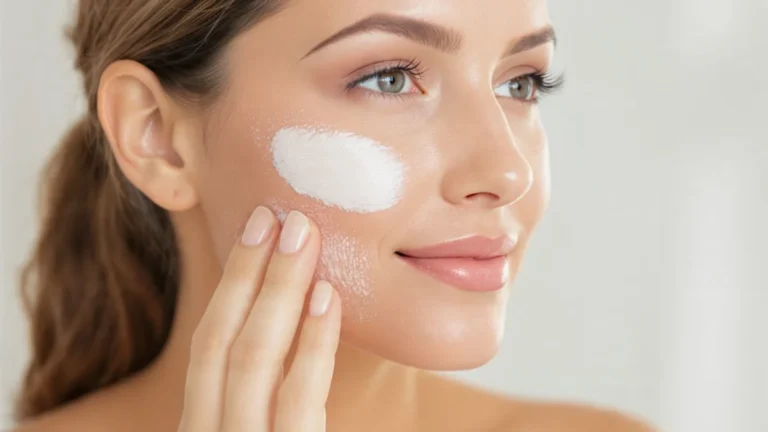
Yes, it’s absolutely okay—and actually important—to use sunscreen at home. Even when you’re indoors most of the day, invisible UV rays can still reach your skin through windows and skylights, leading to premature aging.
Using a broad-spectrum SPF 30+ daily helps prevent dark spots, fine lines, and long-term damage. Whether you work near a window or just enjoy morning coffee by the glass door, protecting your face from UV exposure should be part of your everyday routine.
Is It Okay to Use Sunscreen at Home?
You’ve probably heard the golden rule: “Wear sunscreen every day, no matter the weather or season.” But what about when you’re inside? Is it really necessary to slather on SPF when you’re curled up on the couch with the curtains drawn?
The short answer? Absolutely yes. Even if you never leave your house, using sunscreen at home is not just okay—it’s essential. Your skin faces constant threats from invisible sources of UV radiation, especially if you spend significant time near windows. Without protection, these rays can lead to long-term damage, including premature aging, dark spots, and increased risk of skin cancer.
But before we dive into why indoor sunscreen use matters, let’s clear up a common myth: “I don’t need sunscreen because I’m inside.” Spoiler alert—you might be surprised by how much UV exposure still sneaks into your sanctuary.
In this article, we’ll explore the science behind indoor UV exposure, debunk myths, and give you practical tips for protecting your face—even in the comfort of your own home. By the end, you’ll understand why making sunscreen a daily habit indoors is one of the best things you can do for your skin.
The Science Behind Indoor UV Exposure
Visual guide about Is It Okay to Use Sunscreen at Home
Image source: shutterstock.com
Most people assume that being indoors means complete freedom from harmful ultraviolet (UV) rays. After all, you’re not lounging on the beach under a bright sun. But here’s the truth: your home isn’t a UV-free zone. In fact, certain types of windows and skylights allow significant amounts of UV radiation to pass through.
There are three types of UV rays: UVA, UVB, and UVC. UVC rays are mostly absorbed by the Earth’s atmosphere, so they rarely reach us. However, both UVA and UVB rays can penetrate indoor spaces—especially UVA rays, which are responsible for 95% of the UV radiation that passes through glass.
Standard residential windows block only about 50–80% of UVB rays, but they often allow nearly 60% of UVA rays to get through. That means even if you’re sitting three feet away from a window, you’re still exposed to enough UV radiation to cause cellular damage over time. Think of it like this: if you were to spend eight hours a day working near a large window, you’d receive roughly the same amount of UV exposure as someone walking outside for two hours without protection.
This cumulative exposure is what leads to photoaging—the visible signs of sun damage that appear years later. Fine lines, sagging skin, uneven texture, and dark spots aren’t just caused by beach vacations; they’re often the result of years of unprotected indoor UV exposure.
How Windows Affect UV Penetration
Not all windows are created equal when it comes to UV protection. The type of glass used in your home plays a big role:
– **Standard clear glass:** Allows 60–70% of UVA rays and 40–60% of UVB rays to pass through.
– **Tinted or laminated glass:** Blocks more UVA and UVB, but many homeowners don’t upgrade for aesthetic reasons.
– **Low-emissivity (low-E) coated glass:** Designed to reflect infrared and UV rays, offering better protection.
If you live in an apartment or office building with large windows, or if your workspace is directly next to a street-facing window, your skin is likely exposed to more UV than you realize. Even east- or west-facing windows (which catch morning or afternoon sun) deliver stronger UV intensity than north-facing ones, despite their lower temperature.
So even if you close the blinds during peak sun hours, you’re not entirely safe. Many people mistakenly believe that closing curtains blocks all UV rays—but that’s not true. UV can still travel through gaps around doors and windows, and reflective surfaces like walls or floors can bounce additional rays toward your face.
Why Daily Indoor Sunscreen Matters
Visual guide about Is It Okay to Use Sunscreen at Home
Image source: naturalhomeapothecary.com
Now that we’ve established that UV rays do reach your home, let’s talk about why daily sunscreen use indoors is so important for your skin.
First and foremost, consistent sunscreen use slows down the aging process. Over time, repeated exposure to UVA rays breaks down collagen and elastin—the proteins that keep your skin firm and youthful. This leads to wrinkles, loss of firmness, and a dull complexion. Studies show that daily sunscreen application can reduce the appearance of existing photoaging and prevent new damage from occurring.
Second, sunscreen helps prevent hyperpigmentation. If you already have dark spots, freckles, or melasma, unprotected UV exposure will make them worse. This includes exposure from sunlight streaming through your kitchen window or your living room skylight. Even low levels of UV can trigger melanocytes (the pigment-producing cells) to become overactive.
Third, using sunscreen at home supports your overall skincare routine. Many serums and moisturizers contain active ingredients like vitamin C or retinol that make your skin more sensitive to UV. Without sunscreen, these ingredients won’t work as well—and your skin will be more vulnerable to damage. In other words, sunscreen isn’t just about protection; it’s about enhancing the benefits of everything else you apply.
Finally, consider this: if you wear makeup, many foundations and BB creams include SPF. But here’s the catch—most people don’t apply enough product to get the full stated protection. For example, if a foundation claims SPF 30, you’d need to use double the amount to truly achieve that level of defense. That’s why adding a dedicated facial sunscreen underneath gives you peace of mind.
Practical Tips for Using Sunscreen Indoors
Ready to start protecting your face at home? Here’s how to make it easy and effective:
– Choose a broad-spectrum SPF 30 or higher. Look for labels that say “broad spectrum,” which means it protects against both UVA and UVB rays.
– Pick a formula suited for your skin type. Oily skin? Try a gel-based or mineral sunscreen. Dry or mature skin benefits from hydrating formulas with added antioxidants.
– Apply every morning—yes, every single day. Treat it like brushing your teeth: a small habit with big long-term rewards.
– Don’t skip reapplication. If you open your window frequently or sit near direct sunlight, reapply every 2–3 hours.
– Pair with other protective measures. Wear sunglasses with UV protection, close blinds during peak sun hours (10 a.m. to 4 p.m.), and consider UV-blocking window films.
One helpful tip: keep a mini facial sunscreen in your bag or on your desk. That way, if you’re stepping outside briefly or sitting near a sunny window, you’ll always have protection within reach.
Common Myths About Indoor Sun Protection
Visual guide about Is It Okay to Use Sunscreen at Home
Image source: naturalhomeapothecary.com
Despite growing awareness, several misconceptions still prevent people from using sunscreen at home. Let’s set the record straight.
Myth 1: “Windows block all UV rays.”
False. As mentioned earlier, standard glass allows a surprising amount of UVA and UVB to pass through. Tinted or low-E glass offers more protection, but unless specified, assume your window doesn’t block 100% of UV.
Myth 2: “I’m inside, so I don’t need SPF.”
Also false. Indoor environments don’t eliminate UV exposure—they just change its intensity. Over years, consistent low-level exposure adds up. Daily sunscreen use mitigates this risk.
Myth 3: “Cloudy days mean no UV.”
Clouds block some UVB, but UVA penetrates easily. On cloudy days, up to 80% of UV rays can still reach your skin—including indoors.
Myth 4: “Makeup with SPF is enough.”
As noted before, makeup alone usually provides insufficient coverage. Plus, many people don’t apply enough product. Layering a dedicated sunscreen ensures reliable protection.
Myth 5: “I have dark skin, so I don’t need sunscreen.”
Everyone, regardless of skin tone, needs sunscreen. While darker skin produces more melanin (which offers natural protection), it’s not enough to guard against DNA damage or long-term aging.
Choosing the Right Facial Sunscreen for Home Use
With countless options on the market, selecting a sunscreen that fits your needs—especially for daily indoor use—can feel overwhelming. Here’s what to look for:
– **Broad-spectrum protection:** Must cover both UVA and UVB.
– **SPF 30 minimum:** Higher SPFs offer slightly more protection, but SPF 30 blocks about 97% of UVB rays—enough for most people.
– **Non-comedogenic:** Won’t clog pores, ideal if you have acne-prone skin.
– **Lightweight texture:** Since you’re wearing it indoors, opt for something breathable that layers well under moisturizer or makeup.
– **Antioxidant boost:** Some sunscreens include vitamin E or green tea extract to combat environmental stressors like blue light.
For sensitive skin, mineral sunscreens (with zinc oxide or titanium dioxide) are gentle and less likely to irritate. Chemical sunscreens absorb UV rays and convert them into heat, which may feel lighter for some. Experiment to find what works best for your routine.
Remember, consistency beats perfection. Even if you miss a few days, you’re still ahead of the game compared to those who never use sunscreen at all.
Sample Morning Routine with Sunscreen
Here’s how you can easily incorporate sunscreen into your daily skincare:
1. Cleanse your face with a gentle cleanser.
2. Apply a hydrating serum (e.g., hyaluronic acid or vitamin C).
3. Moisturize to lock in hydration.
4. Finish with a thin layer of broad-spectrum SPF 30+ sunscreen.
5. If using makeup, apply after sunscreen has absorbed slightly.
This order ensures each product can do its job without interference. Skipping sunscreen breaks the chain—no matter how perfect your serum is, it won’t protect your skin from invisible harm.
Beyond Sunscreen: Creating a Home Skin Defense Plan
While sunscreen is your first line of defense, there are other ways to protect your skin at home:
– **Use UV-blocking window film:** Available for purchase online or at hardware stores, these films filter out up to 99% of UV rays.
– **Rearrange furniture:** If possible, position your desk or reading chair away from direct sunlight.
– **Install sheer curtains:** They reduce glare and UV penetration without blocking natural light completely.
– **Limit screen time near bright lights:** While blue light from phones and computers isn’t proven to cause skin cancer, prolonged exposure may contribute to dullness or breakouts. Pair screen use with antioxidant-rich products to counteract potential effects.
Combining physical barriers (like curtains) with chemical protection (sunscreen) creates a powerful dual defense system. Think of it like wearing a hat outdoors—extra layers of protection never hurt.
What About Nighttime Skincare?
Many people wonder if sunscreen is needed at night. Since there’s no daylight, the answer is generally no. However, if you live in a city with bright streetlights or work late shifts under fluorescent lighting, you may still want to use a nighttime moisturizer with SPF—though this is less common. Most dermatologists recommend saving sunscreen for daytime use.
At night, focus on repair. Use retinoids, peptides, or hydrating masks to restore your skin barrier after a day of environmental stress.
Conclusion: Make Sunscreen a Habit, Not an Option
So, is it okay to use sunscreen at home? Without a doubt—yes. In fact, it’s one of the most impactful habits you can adopt for healthier, younger-looking skin. Whether you’re working from a sunlit office, cooking breakfast by the window, or relaxing with a book, your skin is still exposed to damaging rays.
The key is consistency. Don’t wait until you see wrinkles or dark spots to start. Prevention is far easier—and cheaper—than treatment. By making sunscreen a daily ritual, you’re investing in your skin’s future.
And remember, sunscreen doesn’t have to feel heavy or greasy. With so many lightweight, comfortable formulas available today, there’s no excuse not to protect yourself—even inside.
Your skin will thank you. Start today.