
6 Best Blonde Hair Masks: Smart Choices for Tone and Repair
Blonde hair can turn brassy fast, especially between salon visits, pool days, and hard-water washes. The right mask helps you keep tone in check while giving dry ends a softer, calmer feel. This roundup focuses on masks that fit real routines, from quick color refreshes to deeper repair after heat styling or bleaching.
The Shortlist At A Glance
Kerastase Premiere Anti-Breakage Mask


Garnier Nutrisse 5 Minute Nourishing Color Hair Mask
TRUSS Blond Revolution Hair Mask 6.3 oz
More Details On Our Top Picks
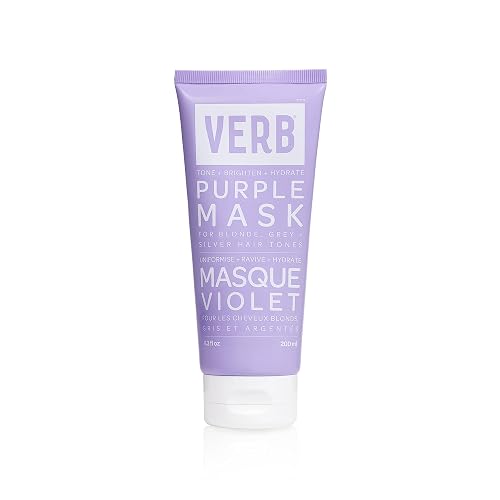
VERB Purple Mask speaks directly to blonde or silver hair that starts looking yellow between appointments. The purple pigment is the part that matters here, since purple sits opposite yellow on the color wheel and helps tone down brassiness without turning your routine into a salon project.
You’ll probably appreciate the deep-conditioner angle most on dry, lightened lengths that need both tone and softness in the same step. Compared with Wella Color Fresh Mask, this one reads more like a straightforward toning fix, while the Garnier option leans harder into quick color refresh.
Strong Points
- Targets warmth that creeps into blonde shades.
- Deep-conditioning format suits dry ends well.
- Simple approach fits weekly upkeep routines.
- Works well for silver tones too.
Things To Consider
- Purple masks need careful timing, since leaving toner on too long can shift the result more than you want.
- The tone-first focus may feel light on repair for heavily processed hair.
- Regular use means a bit more wash-day attention than a plain conditioner.
Feature Snapshot
Who It Suits Best
Blonde and silver-hair wearers who want a toning mask with a simple, low-fuss routine will get the most from this one.
Where A Sibling Pick Shines
Wella Color Fresh Mask suits you better when you want a glossier finish with more of a tint-and-shine angle than a classic purple toner.
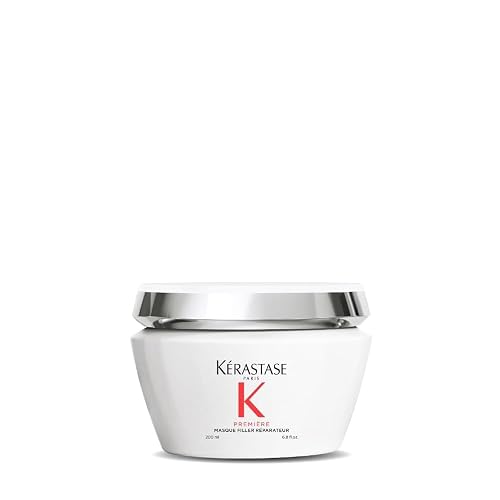
This mask shifts away from tone correction and leans hard into repair, which makes sense for blonde hair that’s been lightened, heat-styled, or pulled apart by brushing. Glycine is an amino acid, and peptides are short chains of amino acids, so the formula is built around a more technical repair story than the lighter toning masks above.
For long bleached lengths or hair that feels brittle at the ends, that focus can be a better fit than a pigment-led product. The trade-off is obvious, though, since it does not aim to solve brassiness the way VERB Purple Mask or Karseell Purple Hair Mask does.
Highlights
- Repair-first formula suits damaged lengths.
- Glycine and peptides point to a more structured care approach.
- Better match for breakage-prone hair than a simple color refresher.
- Useful for hair that needs smoother-feeling manageability.
- Works well in a stronger-care routine after lightening.
Worth Noting
- It is less about blonding tone and more about repair.
- The richer care focus may be more than you need for healthy hair.
- High-care masks often work best with steady use, not one-off use.
Core Details
Who Should Grab It
Blonde-hair wearers dealing with rough texture, breakage, or lots of heat styling will get the clearest benefit here.
Look Elsewhere When
VERB Purple Mask is the better fit when your main issue is yellow cast rather than damaged lengths.
Wella’s mask sits in a nice middle ground for blonde hair that needs color freshness without a harsh, one-note toner feel. The color-depositing approach means it adds pigment back into the hair during conditioning, which can make it a smart weekend step for keeping shade lively.
Compared with VERB Purple Mask, this one is less narrowly about brass control and more about tint, gloss, and softness together. The silicone-free detail will matter to some shoppers, though the payoff depends on how much shine and pigment you want from a mask.
Upsides
- Color-depositing format helps revive faded tone.
- Gloss and conditioning are bundled together.
- Silicone-free formula may suit lighter-feeling routines.
- Works across hair types, which helps mixed household use.
Small Caveats
- Color depositing can be more noticeable than you expect on porous hair.
- Those who want only brass control may prefer a purple-first mask.
- Results can depend on how light or porous your blonde is.
Details At A Glance
Built With In Mind
Shoppers who want a smoother balance of color refresh, gloss, and conditioner-like feel will find this the easiest all-around fit.
A Better Fit Elsewhere
Garnier Nutrisse 5 Minute Nourishing Color Hair Mask fits better for people who want a quicker, more routine-friendly blonde color touch-up.
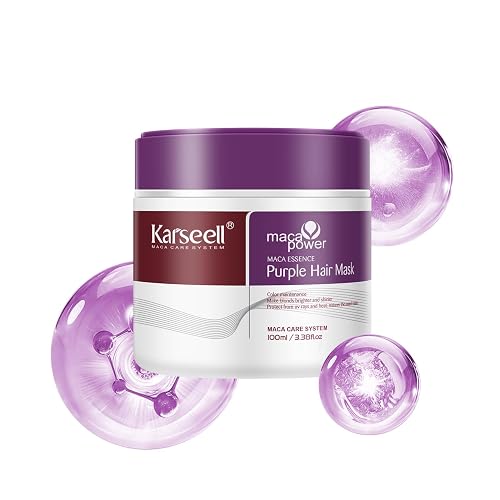
Karseell keeps the formula tightly focused on brass control, and the 3.38 fl oz size makes that intent pretty clear. For touch-ups, gym bags, or travel kits, a smaller tube can feel easier to manage than a fuller-sized mask, especially beside the more feature-heavy Wella option.
The honest read is that this is a practical tonal helper more than a deep treatment story. That makes it a good match for blonde, bleached, silver, or color-treated hair that needs color balance in a simpler format.
Bright Spots
- Purple tone targets brass in light shades.
- Small size is easy to store and pack.
- Good match for quick maintenance between full treatments.
- Fits multiple light-color hair categories.
Areas To Watch
- The compact tube may go quickly in longer hair.
- Deep repair is not the main emphasis.
- Like most purple masks, careful timing helps avoid over-toning.
Quick Facts
Right Fit For
Travelers, first-time toning-mask users, and anyone who wants a smaller product for occasional brass control will like this most.
Swap It Out When
VERB Purple Mask makes more sense for a fuller deep-conditioning feel in a more established toning routine.
Garnier takes a faster, more routine-friendly path than the tone-first masks above. The five-minute claim matters because it fits shower schedules where you want a color refresh without turning wash day into a long project.
The triple-oil blend suggests a softer conditioning feel, and the cool blonde shade keeps the focus tight on color-treated hair rather than every blonde under the sun. For busy households, that shorter time can be the whole reason it earns a spot on the shelf.
Reasons To Buy
- Short processing time suits packed routines.
- Designed for color-treated blonde hair.
- Oil-based nourishment helps with softer feel.
- Easy to slot into regular upkeep.
Points To Note
- Fast masks usually trade some depth for speed.
- Cool blonde focus narrows the shade match.
- Porous hair may grab pigment more strongly than expected.
Spec Overview
Whose Shelf It Belongs On
Busy blonde-hair wearers who want a quick-refresh mask without a long wait will get the most from this format.
Another Choice May Suit
Wella Color Fresh Mask makes more sense for a glossier, more customizable color-refresh feel.
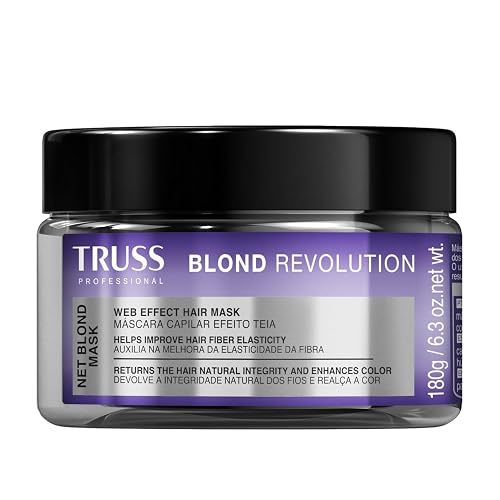
TRUSS leans into a more texture-forward style of blonde care, with a web-effect formula that sounds aimed at even distribution through the hair. That can be helpful on mid-lengths and ends, where masks often need to coat evenly without feeling heavy in one spot and thin in another.
Compared with Garnier’s quick color refresh, this one reads as the more considered repair-and-shine option. It is a better match for blonde hair that wants visible softness and vibrancy in a single step, even though the web-formula style may feel more specialized than a basic mask.
Best Bits
- Color-enhancing approach supports blonde vibrancy.
- Web-effect texture suggests even coverage.
- Repair focus pairs well with dull or tired lengths.
- Shine and health cues make it feel more complete.
Honest Caveats
- Texture-led formulas can feel less familiar at first use.
- The more specialized design may be more than you need for basic upkeep.
- Results depend on how well your hair holds treatment.
Feature Rundown
The Right Fit
Blonde-hair shoppers who want a more polished treatment feel, rather than a quick fix, are the best match here.
Not Your Match When
Karseell Purple Hair Mask 3.38floz suits you better when compact storage and simple brass control matter more than a richer repair story.
How To Choose The Right blonde hair masks
Tone First, Repair Second, Or Both
Blonde hair masks usually fall into three jobs: tone correction, moisture support, or damage-focused repair. Purple masks are the simplest answer for brass, while color-depositing masks add pigment and shine, and repair masks lean into softer, stronger-feeling hair.
Your main problem should lead the choice. A cool blonde that looks yellow needs tone control, but dry ends after bleaching need richer conditioning, and fragile lengths benefit from formulas that mention proteins, amino acids, or bond support.
Match The Format To Your Routine
Short processing masks suit busy mornings and people who already know exactly how their hair reacts. Longer, richer masks make more sense for slow wash days, denser hair, or color-treated lengths that need a little more time under the water.
Size matters too. Smaller tubes are easier to store in a gym bag or travel kit, while larger jars work better for shoulder-length or longer hair that uses more product in one session.
Pay Attention To Shade Fit And Hair History
Cool blonde, silver, bleached, and color-treated hair do not all need the same kind of care. Porous hair, which has a more open cuticle and tends to grab pigment faster, can take tone more strongly than smoother hair, so the timing window matters.
Hair that’s been lightened many times often benefits from masks that do more than brighten. That’s where peptide-led or oil-rich formulas become appealing, because they can make the hair feel less rough between color appointments.
Think About Frequency And Maintenance
Some masks fit weekly upkeep, while others feel better as occasional refreshers. Purple and color-depositing formulas need a bit more attention during application, since overdoing pigment can swing the result in a direction you didn’t want.
The easiest mask to live with is usually the one you can repeat without fuss. For most people, that means choosing the lightest formula that still solves the real issue, then building from there only when the hair asks for more.
Things Worth Knowing First
Wrong Turns To Avoid
A common mistake is chasing tone while ignoring hair condition. A purple mask can help with brass, but dry or brittle hair may still need a richer formula on alternating wash days.
Another slip-up is choosing a shade too far from your current blonde. Stronger pigment on porous hair can shift faster than expected, so a lighter hand is usually smarter at first.
The Upgrade Payoff
Higher-tier masks usually cost more because of ingredient structure, texture design, and a more focused result. That extra money often goes into repair ingredients, smoother slip, or a more refined finish that feels nicer on damaged lengths.
Upgrading makes sense when your hair has been lightened repeatedly, heat-styled often, or pushed past basic conditioning. For healthier blonde hair, a simpler mask can still do enough without adding extra layers you will not use.
Frequently Asked Questions
How often should you use a blonde hair mask?
Most blonde masks fit well into a weekly rhythm, though toning formulas may need a lighter schedule. The right pace depends on how quickly your hair turns warm or dry.
Do purple masks work on silver hair too?
Yes, purple masks often help soften yellow tones in silver or white hair. The result depends on how porous the hair is and how long the mask stays on.
Can a color-depositing mask replace conditioner?
Some color-depositing masks do offer conditioning benefits, but they usually serve a more specific purpose than a basic conditioner. Many people use them as a treatment step rather than a daily swap.
What makes a repair mask different from a toning mask?
A repair mask focuses on softness, strength, and smoother-feeling hair. A toning mask focuses on color balance, especially yellow or brassy tones.
Which mask suits dry bleached hair best?
A richer repair mask usually suits dry, bleached hair better than a tone-only option. You can still add a purple mask later for color maintenance once the hair feels better balanced.