7 Best Contour Blending Brushes
Contour work looks different on a rushed weekday morning than it does before a long night out, and the brush you use shapes that difference fast. You need something that fits the product texture, the face area, and how much control you want around the nose, cheek hollows, or jawline. The seven picks below cover soft blending, denser sculpting, and versatile dual-ended shapes, so you can match the tool to your routine instead of forcing one brush to do everything.
Quick Look At The Shortlist
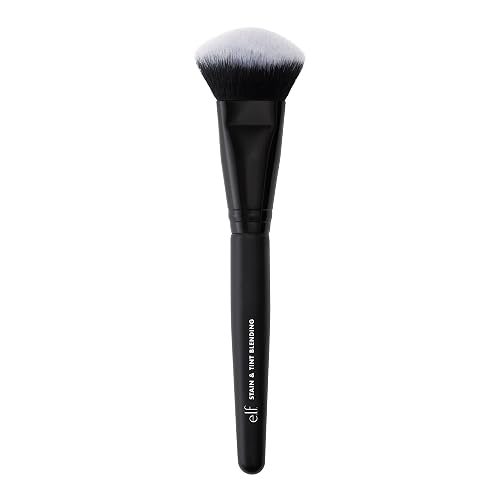
e.l.f. Stain & Tint Blending Brush
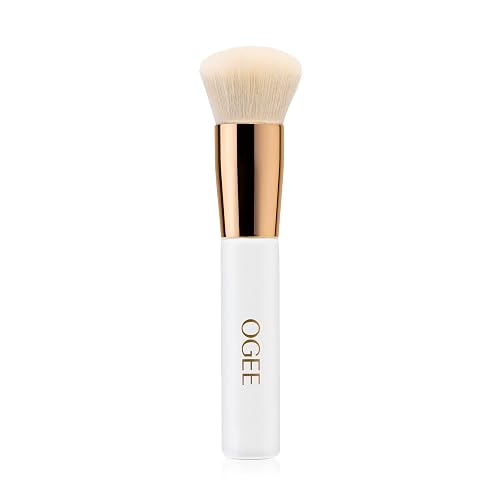

Dual-Ended Foundation Brush
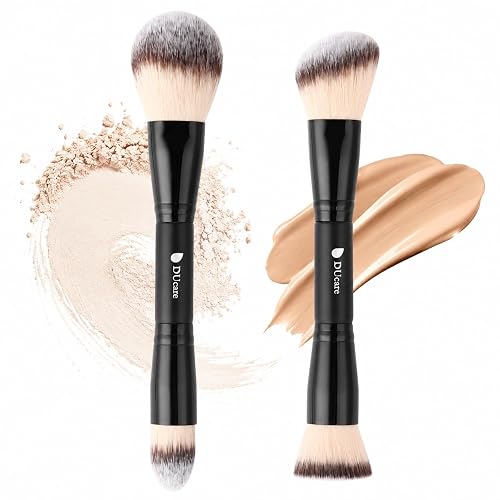
DUcare Foundation Makeup Brushes 2Pcs

Angled Flat Foundation Concealer Contour Brush Set

Real Techniques Snatch + Sculpt Contour Makeup Brush

Makeup Brush for Foundation Concealer Blush Contour
More Details On Our Top Picks
This brush makes the most sense for quick blush work on busy mornings. The synthetic bristles point toward even blending with liquid color, which matters when you want a soft edge instead of a streaky stripe. You may find it especially handy for small vanity setups, since it focuses on one job rather than pretending to do everything.
Compared with the denser contour tools later in this list, the e.l.f. option feels more about finish than carving shape. The honest read is that it suits light, buildable color better than heavy sculpting, and that trade-off is useful for everyday makeup.
Strong Points
- Synthetic bristles suit liquid color without soaking up too much product.
- The shape helps you soften blush edges fast.
- Good for quick routines, especially on workdays or school mornings.
- Vegan materials are a practical plus for many shoppers.
Points To Note
- It leans more toward blush blending than detailed contouring.
- You may still want a separate brush for sharper cheek definition.
- Synthetic bristles usually clean well, but residue can build up around the ferrule if you skip regular washing.
Feature Snapshot
Whose Shelf It Belongs On
You benefit most here if your routine centers on liquid blush, easy blending, and a tidy finish.
Where A Sibling Pick Shines
Real Techniques Snatch + Sculpt Contour Makeup Brush is the better fit for you if you want a more defined contour rather than a soft blush finish.
The Ogee brush is aimed at smooth, quiet blending rather than drama, and that makes sense for base makeup. Its ultra-soft vegan bristles fit foundation and concealer work where a gentle hand matters, especially around the nose and under the eyes. In a rushed bathroom routine, that softer touch can help you avoid overworking the product.
Compared with the e.l.f. brush, this one leans more into complexion coverage than blush placement. You may find it most useful for a polished base, although the softness also means you might prefer a firmer tool for strong contour lines.
What We Like
- Ultra-soft bristles suit sensitive areas like under the eyes.
- Works naturally with foundation and concealer.
- The plush feel can make blending less fussy for everyday use.
- Vegan bristles align with a materials-first preference.
Small Caveats
- Softness can mean less edge definition for sculpted contour.
- You may need more patience for tight areas if you like a firmer feel.
Core Details
Built With In Mind
You suit this pick best if you want a soft, polished finish for complexion products and dislike scratchy brush heads.
Another Choice May Suit
DUcare Foundation Makeup Brushes 2Pcs makes more sense if you want a two-brush set with broader coverage for base and contour work.
Dual-ended tools earn their place by saving space without giving up options, and this dpolla brush follows that logic closely. One side is round and the other is angled, so you can move from broad blending to more shaped placement without reaching for another handle. That suits travel kits, but it also works in a crowded makeup drawer where simplicity matters.
Compared with Ogee’s softer base brush, this one is more versatile across liquid, powder, cream, and blush. The trade-off is that you still have to choose the right end for the job, so it rewards a little familiarity.
Highlights
- Two brush shapes give you more control in one tool.
- Handles liquid, powder, cream, and blush use cases.
- Vegan synthetic bristles fit a wide range of formulas.
- Good space saver for travel pouches or minimal setups.
- Lets you move from blending to shaping without switching brushes.
Areas To Watch
- Dual ends can feel a little busy until you get used to them.
- Switching between formulas means you need to keep both ends clean.
Feature Rundown
The Right Fit
You benefit most here if you want a compact all-rounder for travel or a pared-down makeup bag.
Where A Sibling Pick Shines
Real Techniques Snatch + Sculpt Contour Makeup Brush suits you better if your main goal is a more defined contour brush with a clearer sculpting focus.
DUcare leans into everyday practicality, and the two-piece format gives you room to separate tasks instead of overloading one tool. For home makeup stations, that usually means one brush can stay on foundation duty while the other handles powder, buffer work, or contour. You may appreciate that split more than a single multi-use handle once your routine gets a little more layered.
Compared with the dpolla dual-ended brush, this set offers a broader two-brush system rather than two ends on one stick. The result feels less cramped, though it also takes a bit more storage space in a pouch or drawer.
Upsides
- Two brushes make it easier to separate base and contour tasks.
- Dual-ended design adds flexibility without clutter.
- Works across liquid, cream, and powder textures.
- Useful for travel, but still comfortable at a vanity.
Softer Spots
- Two pieces take more storage room than a single brush.
- Keeping two tools clean means a little more upkeep after messy formulas.
- At a glance, the format asks for more organization than a one-handle option.
Details At A Glance
Who Should Grab It
You suit this set best if you want a compact but not overly minimal brush kit for home or travel use.
Swap It Out When
e.l.f. Stain & Tint Blending Brush fits better for someone who mainly wants a dedicated blush brush rather than a broader face set.
This two-piece EVRCHGIEA set is built around density, which matters when you want product to sit where you place it instead of drifting across the face. The angled flat shape is useful around the nose and under the eyes, where smaller motions often matter more than big sweeping strokes. In a makeup bag, that kind of targeted shape can feel like a small tool with a very specific job.
Compared with DUcare’s broader two-brush setup, this one feels more focused on controlled placement. The dense synthetic bristles also make it a sensible match for cream and liquid textures, though you may need a lighter touch to avoid loading too much product at once.
Best Bits
- Dense bristles help place product with more control.
- Angled flat shape works well around the nose and eyes.
- Useful for blending, setting, concealing, and buffing.
- The two-piece format gives you separation by task or formula.
- Synthetic build suits liquid, cream, and powder products.
Worth Noting
- Dense bristles can pick up more product than you want if you rush.
- The set asks for a little care during washing so the fibers keep their shape.
Spec Overview
Best Suited To
You get the most from this set if you spend time on under-eye concealer, nose contour, or other detail-heavy face work.
Look Elsewhere When
Real Techniques Snatch + Sculpt Contour Makeup Brush suits you better if you want a single contour brush with a more specialized sculpting feel.
The flat-top oval head gives this brush a very clear job: shape contour with control. That combination is helpful for cream and liquid formulas, and it also keeps the brush grounded enough for clean cheek placement. On busy mornings, a brush with such a defined shape can save you from overblending into nothing.
Compared with the softer Ogee brush and the blush-focused e.l.f. pick, this one is more direct about sculpting. You may find it especially useful once you know where you like contour to sit, because the shape encourages deliberate placement instead of airy diffusion.
Reasons To Buy
- Flat-top oval head supports defined contour placement.
- Works with both liquid and powder textures.
- Helps you place and blend in one motion.
- Good for shoppers who want a more sculpted finish.
Room For Improvement
- The focused shape can feel less flexible than a general-purpose brush.
- You may still want another brush for softer blush work.
- Defined heads need routine cleaning so product does not collect at the base.
Technical Sheet
Whose Shelf It Belongs On
You suit this brush best if contour is a regular part of your routine and you want cleaner edge control.
Reach For A Different Pick When
Ogee Blender Brush makes more sense if your priority is an ultra-soft base brush for foundation and concealer rather than contour definition.
ALBEAUT takes the broadest approach in this roundup, and that can be useful for a simple travel kit or a first brush purchase. The angled shape gives you enough flexibility for foundation, concealer, blush, and contour without forcing you into one narrow task. For a quick routine, that plain versatility can be enough to make the morning feel less crowded.
Compared with the Real Techniques brush, this one is less specialized and more adaptable across everyday face makeup. The trade-off is obvious, you give up some contour-specific precision in exchange for a tool that covers more ground.
Positives
- Angled shape handles several common makeup steps.
- Works as a compact, simple option for travel.
- Useful for shoppers who want one brush to do a lot.
- Better fit for casual routines than highly specialized contour work.
Areas To Watch
- Broad versatility usually means less precision than a dedicated contour brush.
- You may want a second brush later for sharper sculpting.
Quick Facts
The Right Fit
You benefit most here if you want a flexible brush for a straightforward everyday makeup routine.
Skip It When
EVRCHGIEA Angled Flat Foundation Concealer Contour Brush Set suits you better if you want denser control for under-eye and nose work.
How To Choose The Right contour blending brushes
Match The Brush Shape To Your Routine
The shape tells you a lot about how a brush behaves on the face. Angled heads help you follow cheekbones and jawlines, while flat or oval shapes usually give you more direct placement for contour and base makeup.
Dense bristles push product with more control, which helps when you want sharper lines or better coverage. Softer bristles feel gentler and usually suit blush or foundation blending better than heavy sculpting.
Look Closely At Bristle Type And Density
Synthetic bristles are common in this category because they work well with cream and liquid formulas. They also tend to clean more easily than denser natural-feel options, which matters after repeated use with sticky textures.
Density changes the whole feel of the brush. A dense head holds its shape and places product with more precision, while a looser head spreads color more softly and usually feels easier for quick blending.
Choose Based On The Makeup You Actually Wear
Your best match depends on the formulas you reach for most days. Liquid blush calls for softer, forgiving bristles, while cream contour usually benefits from a firmer head that can place color without spreading it too far.
A multi-use brush helps in a small travel bag or a pared-down vanity, but a dedicated contour brush pays off when your routine leans toward defined cheek structure. That split is why the Real Techniques and EVRCHGIEA picks feel more specialized than the e.l.f. brush.
Think About Storage, Cleaning, And Hand Feel
A dual-ended tool saves space, yet it also asks for more attention during cleaning. Two separate brushes can be easier to organize, though they take more room in a pouch or drawer.
Handle shape matters more than many people expect. A brush that feels comfortable in your hand makes long blending sessions less awkward, especially for detailed nose work or under-eye concealer.
A Quick Reality Check
Common Shopping Slip Ups
A lot of people grab a brush that looks versatile and then discover it’s too soft for contour or too dense for blush. The easy fix is to match the head shape to the job, then check whether the bristles suit cream, liquid, or powder.
Storage gets overlooked too. A two-piece set like DUcare can suit a vanity, while a single angled brush like ALBEAUT may fit a travel pouch more cleanly.
The Upgrade Payoff
Higher-tier brushes often cost more because the head shape is more precise, the bristles feel more consistent, and the handle balance is usually better. That matters most for daily contour users who want cleaner placement with less fuss.
A premium brush becomes worth it once you rely on one tool for a specific task and want fewer compromises. For a casual routine, a simple multi-use brush is usually enough.
Frequently Asked Questions
What makes contour blending brushes different from foundation brushes?
Contour brushes usually have a shape that follows facial angles, like cheekbones, nose sides, and jawlines. Foundation brushes often focus more on even coverage over larger areas.
Are synthetic bristles a good choice for cream contour?
Yes, synthetic bristles are a strong fit for cream and liquid formulas because they usually spread product smoothly. They also tend to be easier to wash after use with richer textures.
Can one brush handle blush and contour?
A flexible angled brush can do both, but it rarely feels equally perfect for each task. A dedicated blush brush usually gives you a softer finish, while a contour brush gives you more control.
What brush shape works best for nose contour?
A smaller angled or dense flat shape usually gives you the most control near the nose. That shape helps keep the product where you want it instead of blending it too widely.
How many contour brushes do you really need?
A single good brush can cover most routines, especially for everyday makeup. A second brush helps once you want one tool for soft blending and another for tighter sculpting.