
8 Best Damaged Hair Conditioners for 2026
Damaged hair can feel rough at the ends, flat at the roots, and stubborn in the shower. You want a conditioner that softens without leaving things limp, smooths frizz without coating the hair in heavy residue, and fits the way you actually wash your hair at home.
This roundup keeps the focus on formulas that aim at breakage, dryness, and split-feeling texture from different angles. You’ll see salon-style options, protein-forward blends, and larger bottles that make more sense for regular use in busy bathrooms.
Quick Look At The Shortlist

Kerastase Premiere Hair Repair Conditioner For Breakage & All Damaged Hair Types
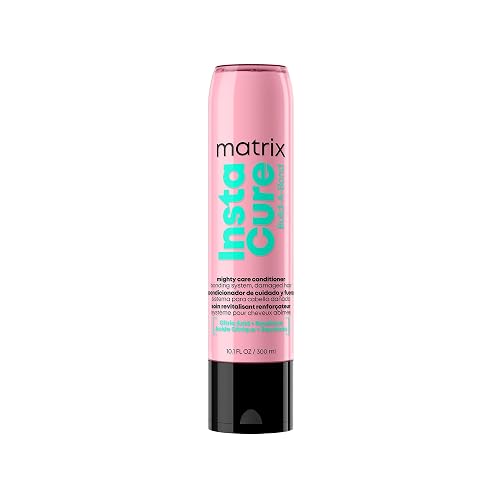
MATRIX Instacure Build-A-Bond Conditioner

OGX ProGrowth + Peptide Conditioner 13 fl oz
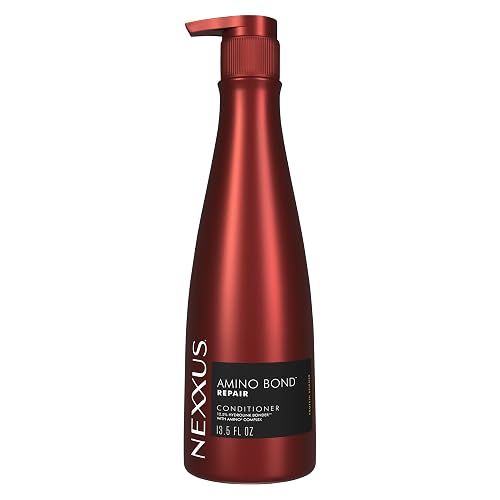
Nexxus Conditioner Amino Bond 13.5 oz
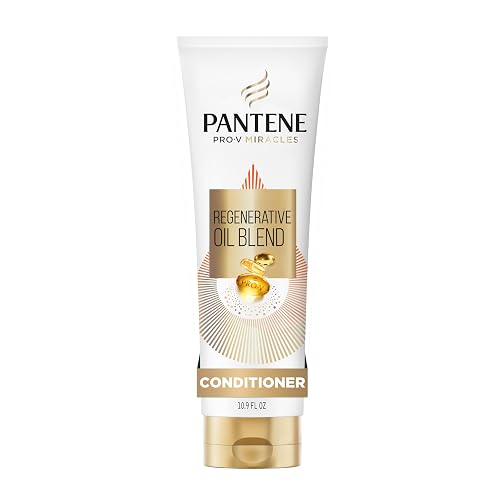
Pantene Pro-V Miracles Conditioner Extreme Damage Care 10.9 Fl Oz

Pantene PRO-V Repair & Protect Conditioner 10.4 oz

Dove Conditioner Intensive Repair 28 Fl Oz
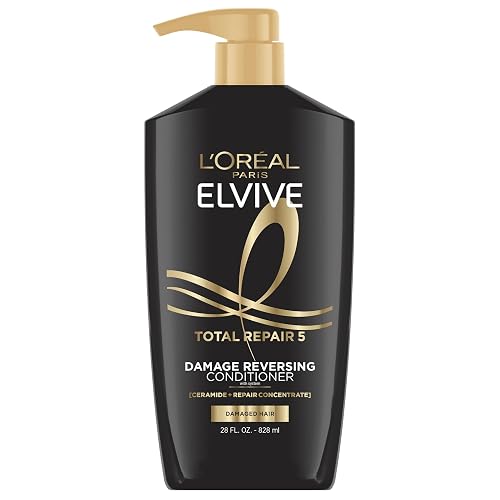
L’Oreal Paris Elvive Total Repair 5 Repairing Conditioner 28 Fl Oz
More Details On Our Top Picks
This one leans into a salon-style finish, which makes sense for hair that feels rough after coloring, heat tools, or repeated washing. The smoother, more polished direction should suit you well in a busy bathroom where you want slip, softness, and less tangling without adding a heavy feel.
Compared with the more ingredient-forward MATRIX option, Kerastase reads as the more luxe-feeling pick, and that matters to anyone who wants a conditioner that feels a bit more refined in daily use. The honest read is that the premium styling comes with a more elevated profile, so it fits best for people who care as much about texture as they do about repair-minded care.
What We Like
- Built for breakage-prone hair that needs a smoother finish.
- The hydration angle helps dry lengths feel less straw-like after washing.
- Frizz control matters on humid commutes and rushed mornings.
- The texture-forward approach suits you when detangling is a daily hassle.
Points To Note
- The more polished profile may feel like extra care for simple wash routines.
- Salon-leaning formulas often sit better with medium to thick hair than very fine hair.
Feature Card
Who It Suits Best
You’ll get the most from this choice if you want a more polished conditioner for heat-styled, color-treated, or rough-feeling hair.
Where A Sibling Pick Shines
MATRIX Instacure Build-A-Bond Conditioner suits you better if you want a more ingredient-led repair feel with a less luxury-oriented price posture.
The citric acid and squalane blend gives this one a more modern repair story, and that’s useful for hair that needs softness without giving up a cleaner-feeling finish. Paraben-free positioning also makes it a fit for shoppers who like a more streamlined ingredient list.
Compared with Kerastase Premiere, this MATRIX option feels more targeted toward bond repair language rather than a purely smoothing-first routine. You may find it especially useful after repeated coloring or heat styling, though the trade-off is that the formula story matters more here than a plush, spa-like feel.
Bright Spots
- The bond-repair angle gives damaged lengths a more focused care profile.
- Citric acid brings a crisp, structured formula story.
- Squalane helps support softness and manageability after rinsing.
- Detangling support matters in the shower and again after towel drying.
- The paraben-free formula will suit shoppers who prefer a simpler list.
Small Caveats
- The formula-first appeal may feel less indulgent than some salon-style rivals.
- Hair that gets weighed down easily may need a lighter touch with application.
Core Details
Built With In Mind
You’ll appreciate this most if you want a conditioner that feels made for damaged lengths rather than just general softness.
A Better Fit Elsewhere
OGX ProGrowth + Peptide Conditioner suits you better if your main concern is fine hair that needs a thicker-looking, fuller-feeling result.
Peptide formulas often appeal to hair that feels fragile at the ends but still needs some lift and body, and that’s the lane this OGX conditioner seems built for. The 13 fl oz size also keeps it manageable for shorter routines or a single-styling-user bathroom shelf.
Compared with the more repair-leaning MATRIX bottle, this OGX option reads as the stronger fit for anyone who wants thicker-looking strands without a heavy, mask-like finish. The trade-off is simple, since the smaller bottle may not suit families or anyone who goes through conditioner quickly.
Reasons To Buy
- Peptide support suits hair that feels worn and thin at the ends.
- The thickening angle can make fine hair feel a bit fuller.
- Moisture plus reinforcement is a useful balance for daily washing.
- Strengthening language makes sense for strands prone to snap during detangling.
Areas To Watch
- Thicker-feel formulas can be a touch much on very fine roots.
- The 13 fl oz bottle is less convenient for high-use households.
- You may want to use a careful amount near the scalp to avoid buildup.
At A Glance
Who Should Grab It
You’re a strong match for this one if you want a conditioner that leans toward fuller-looking hair and daily reinforcement.
Swap It Out When
Dove Conditioner Intensive Repair suits you better if you want a larger bottle for family use or a more spacious shower lineup.
Amino acids and keratin protein make this one feel more structured than a simple smoothing conditioner. That matters for hair that has been stressed by color, heat, or repeated tying back, because you get a more targeted repair story without drifting into overly heavy territory.
Compared with the OGX pick, Nexxus feels broader in its damaged-hair positioning and a bit less focused on thickening. In most bathrooms, that makes it a steadier all-around choice for households with mixed hair textures, though the more protein-led direction may not suit hair that already feels stiff.
Highlights
- Amino acids and keratin protein give the formula a repair-minded profile.
- It suits a range of damaged hair types, not just one texture.
- The 13.5 oz size works well for regular use without taking over the shelf.
- Smoothing support helps detangling feel less like a chore.
Worth Noting
- Protein-leaning care can feel too structured for hair that already feels firm.
- The bottle size is practical, but not especially generous for large households.
Technical Sheet
Right Fit For
You’ll like this most if you want a middle-ground conditioner that aims at repair without leaning too far into luxury styling.
Another Choice May Suit
Pantene PRO-V Repair & Protect Conditioner suits you better if you want a simpler daily bottle with a more familiar, straightforward feel.
The oil-blend angle gives this Pantene option a softer, faster-moving feel in the shower, which is useful for hair that needs smoothing more than a dramatic treatment routine. Argan and jojoba oils also make it a natural fit for strands that need a little slip after shampooing.
Compared with Nexxus Amino Bond, this pick feels less protein-led and more about moisture and manageability. The shorter 1-minute miracle framing should suit people who prefer a quick routine, although the trade-off is that very dry hair may want a richer follow-up than this alone provides.
Best Bits
- Argan and jojoba oils support a smoother, more flexible finish.
- The quick-use format fits rushed mornings and shared bathrooms.
- Moisturizing plus smoothing helps hair feel easier to comb after washing.
- The 10.9 fl oz size is easy to keep on hand without crowding the shelf.
Room For Improvement
- Quick-use formulas can feel lighter than deep-treatment-style options.
- Very coarse hair may want a richer companion product later in the week.
Details At A Glance
Made For
You’re the best match for this one if you want a quick conditioner that softens without turning your shower into a long routine.
Look Elsewhere When
Dove Conditioner Intensive Repair suits you better if you want a larger bottle that’s easier to keep stocked for repeated use.
This Pantene bottle keeps the message simple, with Pro-V nutrients and antioxidants doing the heavy lifting in the product story. The 72-plus-hour conditioning claim also suggests a longer-feeling payoff, which is handy for people who don’t want to rework their hair every morning.
Compared with the Miracles bottle above, Repair & Protect reads as more straightforward and less focused on oil-blend softness. That makes it a sensible shelf staple for regular washing, especially in homes that want a dependable conditioner rather than a special-occasion treatment.
Positives
- Pro-V nutrients and antioxidants give it a familiar repair-minded profile.
- The vitamin-rich formula suits frequent washing routines.
- Longer-lasting conditioning can help hair feel more settled between washes.
- The compact bottle size is easy to store in smaller showers.
Honest Caveats
- The formula is straightforward, so it may not feel as specialized as premium blends.
- Smaller packaging means you’ll restock more often in larger households.
Feature Snapshot
The Right Fit
You’ll do well with this one if you want a familiar everyday conditioner that keeps damaged hair from feeling neglected.
Reach For A Different Pick When
L’Oreal Paris Elvive Total Repair 5 suits you better if you want a larger bottle with a protein-and-ceramide angle for a more polished finish.
The 28 fl oz bottle makes this one easy to place in a household that goes through conditioner quickly. Bio-Protein Care Technology and amino serum give the formula a repair-focused angle, which should feel useful for hair that’s been through heat styling, brushing stress, or ordinary daily wear.
Compared with the smaller Pantene bottles, this Dove option is the more practical stock-up choice. The trade-off is simple, because a larger bottle takes up more shower space, but that’s a fair exchange for families or anyone who dislikes running out too soon.
Strong Points
- The 28 fl oz size works well for frequent use and shared bathrooms.
- Bio-Protein Care Technology gives the bottle a more targeted repair story.
- Amino serum adds to the softening and smoothing angle.
- The bigger format is convenient for long-haul household routines.
Areas To Watch
- The large bottle can crowd a shower ledge or narrow caddy.
- Bulkier packaging may feel less nimble for travel or gym bags.
Core Details
Whose Shelf It Belongs On
This belongs on the shelf of anyone who wants a family-friendly bottle with less frequent restocking and a softening repair angle.
Swap It Out When
Pantene PRO-V Repair & Protect Conditioner suits you better if you want a smaller bottle that’s easier to store in a tight shower.
Protein and ceramide give this L’Oreal Paris bottle a more complete-feeling repair story, and that combination usually makes sense for hair that needs softness plus a bit more structure. The 28 fl oz size also works nicely for regular use, especially when you want one bottle to last through a busy household routine.
Compared with Dove Intensive Repair, this one feels a touch more finish-focused, which may suit you better if shine and a smoother look matter as much as softness. The honest trade-off is that the larger format asks for more shelf space, so it’s best for users who actually want a stock-up bottle rather than a compact one.
Best Bits
- Protein and ceramide give the formula a polished repair profile.
- The 28 fl oz bottle supports longer use between replacements.
- Softness and shine are strong fits for hair that feels dull after damage.
- The conditioner suits everyday wash routines in busy homes.
Minor Gripes
- The larger bottle may be awkward in very small showers.
- Hair that dislikes richer conditioners may prefer a lighter option from this list.
Feature Rundown
Perfect Match For
You’ll like this most if you want a larger everyday conditioner that works on softness, shine, and a more renewed feel.
Where Shoppers Go Wrong
People often pick damaged-hair conditioners by bottle size alone, then miss the part that actually matters, which is how the formula feels on their own texture. Fine hair usually needs a lighter hand, while rough or color-stressed hair often handles richer conditioning better.
Another common miss is buying around one ingredient name and ignoring the rest of the formula story. Protein, oil, ceramide, and amino acid blends all point in different directions, so you’ll want the bottle that matches your own wash routine rather than a trendy label.
The Upgrade Payoff
Higher-tier options usually charge more because they lean into salon-style textures, targeted ingredient pairings, or larger-use packaging. That extra spend tends to make sense for repeated heat styling, color-treated lengths, or hair that tangles easily after every wash.
Basic bottles can still do the job for maintenance, though, especially for short hair or low-fuss routines. The better call is the one that matches how often you wash, how much hair you have, and whether you need softness, structure, or a little of both.
How To Choose The Right damaged hair conditioners
Start With Your Hair’s Main Problem
Damaged hair can mean a lot of things, from rough ends to snap-prone strands to frizz that shows up as soon as you step outside. You’ll get a better match by naming the main issue first, then matching the conditioner to it.
Protein-heavy options often help hair that feels weak or mushy after washing, while oil-blend formulas usually suit rough, dry lengths that need more slip. Salon-style picks tend to focus on smoother finish and manageability, which helps when your hair is color-treated or heat-styled often.
Match Texture And Weight
Fine hair and thick hair rarely want the same thing, and that’s where many routine mismatches start. Lighter formulas usually work better for fine or easily weighed-down hair, while richer conditioners can help coarse or very dry hair feel more pliable.
Look at the bottle size and the formula style together. A larger bottle makes more sense for households or long hair, while a smaller bottle may be easier to manage on a crowded shelf or in a one-person routine.
Think About Ingredients, Not Just Buzzwords
Protein, ceramide, amino acids, squalane, and oils all point in different directions. Protein and amino acids are often used in formulas meant to support strength and structure, while ceramides and oils usually lean more toward softness and smoother feel.
That’s why a product can sound strong on paper and still feel wrong in daily use. The most useful bottle is the one whose ingredient profile matches your hair’s current state, not the one with the flashiest phrase on the front.
Choose For Routine, Not Fantasy
Your best fit also depends on how much time you actually spend in the shower. Quick-use conditioners help on rushed mornings, while richer options make more sense for people who enjoy a slower wash routine or need extra slip for detangling.
Shower space, storage, and refill habits matter too. A large bottle is practical for shared bathrooms, but a compact one is easier to handle for travel, gym bags, or smaller living spaces.
Things Worth Knowing First
Wrong Turns To Avoid
A common miss is chasing the most intense-sounding formula for every head of hair. That can leave fine hair feeling flat, or leave already-stiff strands feeling even less flexible.
Another slip is overlooking bottle size and committing to a format that’s awkward for your shelf, your shower, or your household rhythm. A good match should be easy to use every week, not just impressive on the page.
The Upgrade Payoff
More expensive conditioners usually put more into ingredient pairing, texture, or the overall feel in use. You’re often paying for a more specific formula story, whether that means bond repair language, better slip, or a finish that feels more polished.
That extra step is worth it for heat-styled hair, color-treated hair, or hair that tangles easily and needs more than a basic rinse-out. For short, low-maintenance hair, a simpler bottle can still be the smarter move.
Frequently Asked Questions
How often should you use damaged hair conditioner?
Most routines work well with conditioner every time you wash your hair. The right frequency also depends on how dry, coarse, or processed your hair feels.
Do protein formulas work for every damaged hair type?
Protein can help hair that feels weak or stretched out. Hair that already feels stiff may prefer a softer, oil-led formula instead.
What size bottle makes the most sense for daily use?
Smaller bottles suit single users and tight storage spaces. Larger bottles fit households that go through conditioner quickly.
Should you choose bond repair or smoothing first?
Bond repair makes more sense for hair that feels structurally stressed. Smoothing works better for dry, frizzy, or tangled hair that needs easier comb-through.
Can one conditioner cover both softness and structure?
Yes, several formulas try to balance both, especially protein-and-oil or protein-and-ceramide blends. The best match depends on how your hair reacts after rinsing.
Closing Thoughts
The right damaged hair conditioner should fit your hair’s texture, your wash routine, and your storage space without asking for extra fuss. Kerastase and MATRIX lean more premium and repair-focused, while Pantene, Dove, and L’Oreal Paris make stronger sense for regular household use. OGX and Nexxus sit nicely in the middle for shoppers who want a more targeted formula without going too far in one direction. Pick the one that matches your hair’s actual habits, and the routine gets much easier.