6 Best Detangling Brushes for Natural Hair for 2026
Natural hair asks more from a brush than a quick pass through the ends. You need a tool that respects curls, coils, thickness, and daily shrinkage without turning wash day into a wrestling match.
These six picks cover shine-focused bristle brushes, wet-and-dry detanglers, flexible vented styles, and a styling comb for sectioning. The right match depends on whether you need smoother finish, gentler glide, or more control at the sink.
Quick Look At The Shortlist

Norsewood Boar Bristle Hair Brush Set
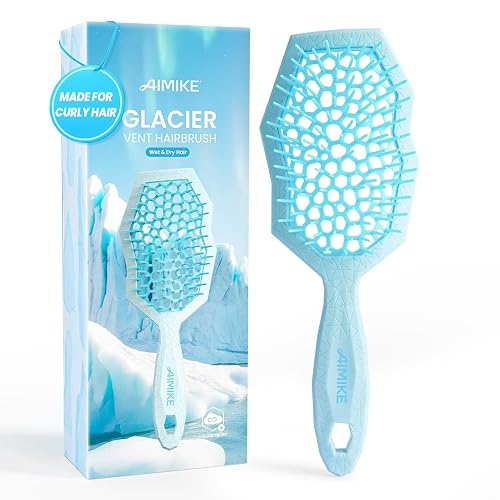
AIMIKE Glacier Detangling Brush
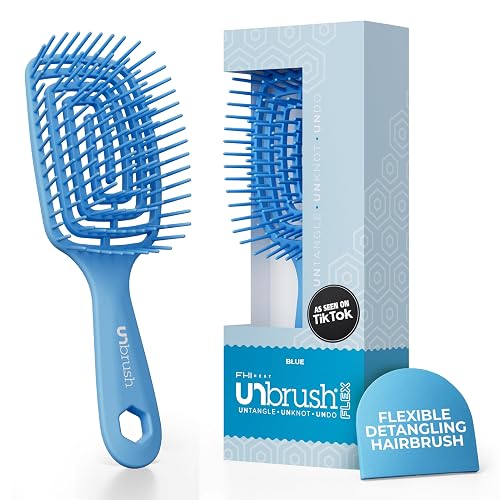
FHI Heat UNbrush Flex Detangling Brush
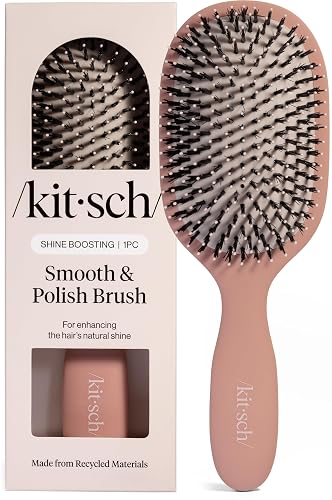
Kitsch Smooth & Polish Hair Brushes Terracotta
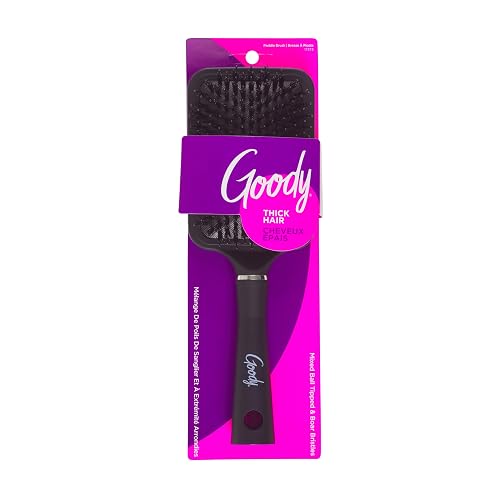
Goody Detangle It Paddle Brush, Black
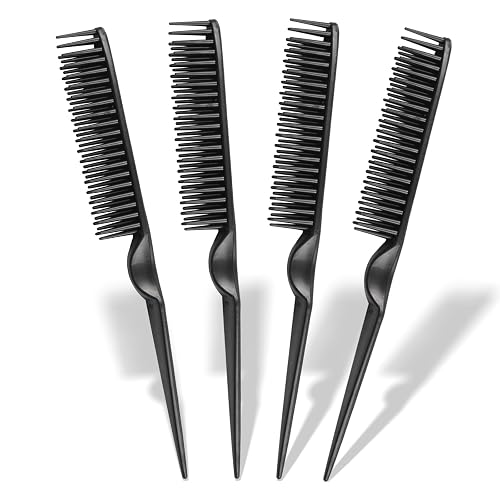
Zoolinn 3-Row Rat Tail Styling Comb Set 4PCS
More Details On Our Top Picks
The boar-and-nylon mix makes this one more about smoothing than speed, and that matters on long, dry lengths that need help laying flat. The shorter boar bristles spread scalp oils through the mid-lengths and ends, which is why this style usually appeals to people who want more shine with less frizz on everyday wear.
The trade-off is simple, it’s not the most aggressive knot breaker for tight tangles near the roots. For straight, wavy, or looser curl patterns, though, it fits a morning routine nicely and feels more like a finishing brush than a brute-force detangler.
What We Like
- Boar and nylon bristles work together for smoother pass-through and more even oil distribution.
- Shine comes up naturally, which helps dull hair look more finished after brushing.
- The gentler feel suits kids or adults who prefer a softer brushing experience.
- It suits several hair textures, so you’re not locked into one narrow use case.
Points To Note
- Dense tangles may need pre-sectioning before the brush can do its best work.
- The softer bristle feel can make it less efficient on very coarse or matted hair.
- Boar-style brushes usually need a little extra care to keep buildup from settling in the bristles.
Feature Snapshot
Who It Suits Best
You’ll get the most out of this brush if your hair is straight, wavy, or loosely curly and you want a smoother finish before work or school.
A Better Fit Elsewhere
AIMIKE Glacier Detangling Brush suits curlier 2c to 4c patterns better, especially when your main problem is wet knots after wash day.
Curly hair usually needs a brush that can move through bends without grabbing every twist, and this vented design is aimed squarely at that job. The wet-and-dry promise is useful for anyone who detangles in the shower, then revisits sections later in the day for refresh styling.
The 2c to 4c focus narrows the fit in a good way, because it signals a brush built for more textured curl patterns rather than a generic all-hair tool. You may find that narrower teeth spacing elsewhere can tug more, so this style makes the most sense for curls that need glide first and polish second.
Highlights
- Works on wet or dry hair, which suits wash days and quick touch-ups.
- The vented body helps airflow pass through more easily during styling.
- Built around curl textures from 2c to 4c, so the use case is clear.
- Gliding action reduces the stop-start feeling that slows down detangling sessions.
- Good fit for bathrooms, gym bags, or a regular wash-day setup.
Small Caveats
- The curl-specific shape makes it less universal for very straight hair.
- Vented designs can feel lighter in hand, but they sometimes trade away a bit of heft for control.
- You’ll still want sections and a little patience on dense curls.
Details At A Glance
Built With In Mind
This suits curl-focused routines where detangling, definition, and faster handling all matter in the same session.
Look Elsewhere When
Goody Detangle It Paddle Brush, Black is the stronger match for thick, dense strands that need a broader paddle format.
The flexible body is the key detail here, because a brush that gives a little can feel less abrupt on knots and bends. DuoFlex bristles, meaning dual-flex construction, are meant to move with the hair rather than sit rigidly on top of it, which suits fast morning styling and post-shower detangling.
Compared with the softer Norsewood brush, this one leans more toward motion and speed than shine finishing. The anti-static angle is useful in dry rooms or winter routines, though the right result still depends on sectioning and a sane amount of tension.
Best Bits
- Flexible build helps the brush follow the curve of thicker sections.
- Anti-static bristles suit dry-weather routines and smoother styling.
- Massage-friendly feel can make long brushing sessions less tedious.
- Useful for detangling and styling in one pass, which saves time in busy mornings.
- Good middle ground for people who want movement without a very soft brush.
Room For Improvement
- The flexible feel may not satisfy people who prefer a firmer brush face.
- Very tight mats still call for section-by-section handling.
- Anti-static help is situational, so climate and hair condition still matter.
Core Details
Whose Shelf It Belongs On
You’ll appreciate this most if you want one brush for detangling, light scalp massage, and quick styling on a normal day.
Another Choice May Suit
AIMIKE Glacier Detangling Brush is the better call for tighter curl patterns that need a more curl-specific shape.
This one sits close to the middle of the pack in the best possible way, because it mixes vegan boar-style bristles with nylon for both smoothness and pull-through. The cushioned pad also changes the feel, adding a little give that matters during longer brushing sessions in a bathroom mirror routine or before heading out.
Compared with the Norsewood brush, it sounds a bit more structured and a bit less focused on oil distribution alone. That makes it a practical fit for everyday grooming, especially for mixed household use where one tool needs to handle different head shapes and hair textures.
Upsides
- Dual bristles aim for both polish and knot handling.
- Cushioned pad softens the brushing feel on the scalp.
- Works as a day-to-day brush for multiple hair types.
- Useful in shared spaces because it covers more than one grooming need.
- Terracotta finish gives it a more finished look than plain utility brushes.
Minor Gripes
- The dual-bristle approach can feel less specialized than a dedicated curl brush.
- People who want a very firm detangling surface may want a different shape.
- Cushioned pads can collect hair and need regular cleaning.
Technical Sheet
The Right Fit
This works well for households that want a polished everyday brush without moving into specialty territory.
Skip It When
FHI Heat UNbrush Flex Detangling Brush makes more sense for you if flexibility and faster movement matter more than a cushioned feel.
The paddle format gives this brush a broad working surface, which is useful for thick hair that takes a few passes to settle. Nylon and boar bristles together make sense here, because the nylon helps with separation while the boar side brings in a smoother finish for styling after detangling.
Compared with the Kitsch brush, this one feels more utility-first and less about a cushioned scalp sensation. In a busy morning routine, that trade works well, though very dense curls may still need smaller sections before the paddle can move cleanly through them.
Reasons To Buy
- Paddle shape covers more hair per pass.
- Designed around thick hair, so the use case is easy to understand.
- Double-bristle setup helps with both separation and smoothing.
- Works as a detangler or styling brush, giving you more day-to-day flexibility.
Areas To Watch
- The wider face can feel a little bulky in shorter or tighter styling spaces.
- Thick hair is its strength, so finer hair may not need this much brush.
- Large paddle brushes usually need routine cleaning to keep trapped strands from building up.
Feature Rundown
Made For
You’ll get the best fit here if your hair is thick, dense, or bulky enough to benefit from a broad brush face.
Reach For A Different Pick When
Zoolinn 3-Row Rat Tail Styling Comb Set 4PCS is better for section work and curl shaping than broad paddle detangling.
This set sits outside the brush-heavy crowd and that’s exactly why it matters. The three-row comb gives you gentler separation, while the rat tail handle, a pointed tail used for sectioning, helps with clean parts, curl definition, and straightening work around the edges.
It’s the most precise tool in this roundup, not the broadest detangler. For styled curls, twist-outs, or blow-dry prep, that’s useful; for very tangled wash-day hair, you may still want one of the brush options earlier in the list.
Positives
- Three-row design gives a softer, more controlled glide through sections.
- Rat tail handle helps with parting, separating, and styling accuracy.
- Useful for curls that need definition, not just quick untangling.
- The four-piece set gives you spares for different spaces or routines.
Things To Consider
- It’s a comb set, so it won’t replace a full detangling brush for every routine.
- Fine-tooth style tools ask for a steadier hand on very knotty hair.
- Storage matters a little more with multiple pieces, especially in crowded drawers.
At A Glance
Perfect Match For
You’ll like this most if your routine includes sectioning, curl shaping, or careful styling around roots and edges.
Swap It Out When
Goody Detangle It Paddle Brush, Black is the stronger option for thick hair that needs a broader brush face first.
How To Choose The Right detangling brushes for natural hair
Bristle Style Changes The Whole Experience
Boar-style bristles help move oils and smooth the outer layer of the hair, so they make sense for shine and finishing. Nylon bristles usually give more reach through denser sections, which is why mixed-bristle brushes show up so often in this category.
Natural hair often needs both glide and control, not just one or the other. That’s why a brush like Norsewood feels different from a curl-specific option like AIMIKE, even before you look at the handle or shape.
Shape Should Match Your Routine
Paddle brushes cover more area and suit thick, bulky hair that takes longer to work through. Flexible vented brushes lean toward speed and airflow, which helps in busy bathrooms or after a wash when sections are still damp.
Comb-style tools serve a narrower job. Zoolinn makes more sense for parting, defining, and sectioning than for heavy detangling, and that distinction saves you from buying the wrong shape.
Texture And Dampness Matter More Than Hype
Curl pattern changes what feels smooth and what feels grabby. Tighter patterns usually benefit from tools with more glide and less rigid pressure, while looser waves can handle broader brushes without much trouble.
Wet-versus-dry use also changes the choice. A brush like AIMIKE works across both, but some textures behave better in a shower routine than on dry, stretched hair, so your daily setup matters more than a marketing line.
Think About Maintenance And Handling
Brushes with cushioned pads or dense bristles need regular cleaning because shed hair and product can settle in fast. That’s a small chore, but it affects how smoothly the tool moves over time.
Handle feel matters too, especially during longer routines. A flexible brush can reduce hand fatigue, while a comb with a rat tail gives you more control for sectioning and detail work.
Things Worth Knowing First
Where Shoppers Go Wrong
A common mistake is choosing a brush for texture alone and ignoring density. Fine waves, thick coils, and dense curls all ask for different levels of grip and surface area.
Another miss is treating a styling comb like a full detangler. Zoolinn is useful, but it solves a different problem than the brushes earlier in the list.
The Upgrade Payoff
Higher-tier models often spend more on flexible frames, mixed bristles, better cushioning, or curl-specific shaping. Those details usually improve comfort and give you a more controlled pass through textured hair.
That upgrade makes the most sense for people with frequent wash days, tighter curl patterns, or thick hair that resists basic brushes. For simpler routines, a straightforward mixed-bristle tool is often enough.
Frequently Asked Questions
What makes a detangling brush better for natural hair?
A good one moves through texture without snagging too hard or flattening the pattern. Bristle type, spacing, and brush shape all matter.
Should you use a brush on wet natural hair?
Wet use can help with glide, especially on curl patterns that tangle fast after washing. The brush still needs to suit your texture, or the tugging just shifts to a different moment.
Is a paddle brush a good choice for thick natural hair?
Yes, a paddle brush can cover more hair per pass and works well on dense sections. It helps most when paired with sectioning.
What’s the point of a rat tail handle?
The pointed tail helps create clean parts and separate sections with accuracy. That’s useful for styling, twisting, and curl definition.
Can one brush cover every curl type?
No single brush handles every pattern equally well. Loose waves, tight coils, and thick, dense hair each benefit from different amounts of flexibility and bristle tension.