
8 Best Diabetic Skin Creams: Smart Choices for Daily Care
You want a cream that fits real life, not just a label. For dry heels, rough hands, or skin that feels tight after a shower, the right texture and ingredient mix can make daily care feel less like a chore and more like a steady routine.
Some picks lean toward whole-body moisture, while others focus tightly on feet or very dry patches. You’ll see where a larger pump, a smaller tube, or a heavier sealing formula makes the most sense, so you can match the product to the way you actually use it.
Quick Look At The Shortlist
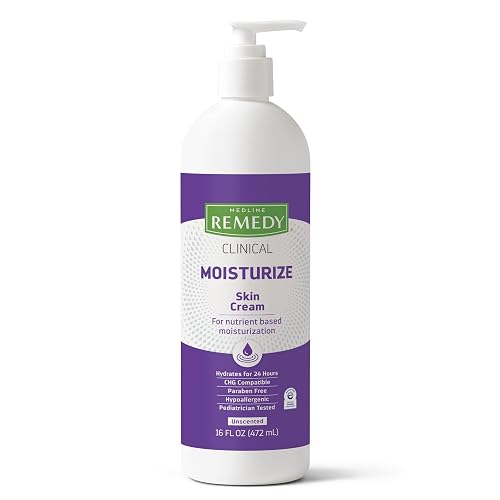
Medline Remedy Phytoplex Nourishing Skin Cream 16 Fl Oz
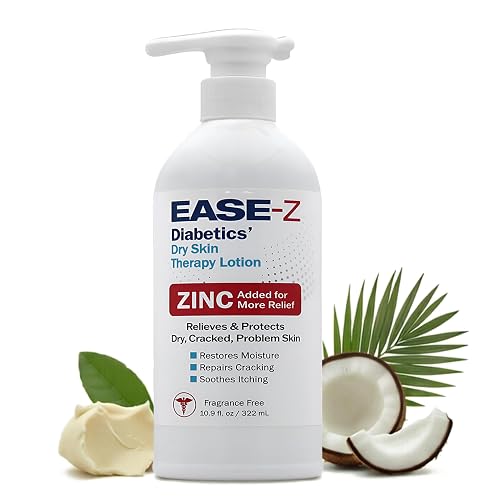
EASE-Z Diabetic Lotion for Dry Skin 10.9 oz
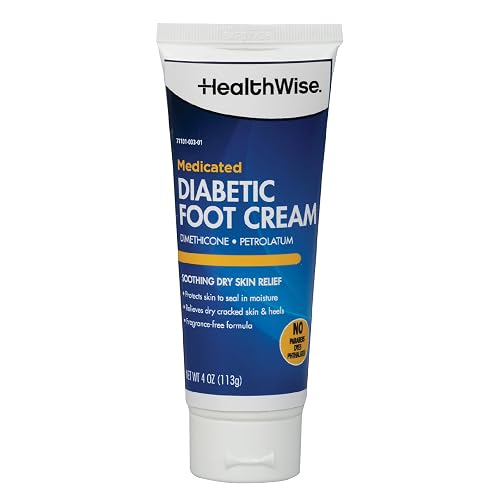
HealthWise Medicated Diabetic Foot Cream 4.0 oz

Cavilon 3M Cream For Extra Dry Skin 4 oz
SelfCare+ Diabetic Foot Cream 5 oz
EASE-Z Diabetic Foot Cream 4.4 oz
More Details On Our Top Picks
This large 16-ounce bottle fits the kind of routine that never stays neatly on schedule. The unscented formula and paraben-free body lotion format make it a steady match for arms, legs, and other dry areas that need repeat care without a strong scent hanging around.
Compared with the more foot-focused picks below, Medline Remedy feels broader and easier to keep at the sink or bedside. You may find the size a bit bulky for a travel kit, but that same volume works well in a busy home or caregiving setup.
What We Like
- Unscented profile suits shared spaces and scent-sensitive routines.
- Paraben-free body lotion format keeps the ingredient list straightforward.
- Larger bottle means fewer restocks for daily use.
- Works across more than just the feet, so your routine stays simpler.
Points To Note
- The bottle size is less convenient for a weekender bag.
- Body-lotion styling may feel lighter than a sealing foot cream.
Feature Rundown
Who It Suits Best
Home users who want one larger cream for hands, legs, and general dry-skin care will get the most from this bottle.
Where A Sibling Pick Shines
HealthWise Medicated Diabetic Foot Cream fits better for heel-specific care, especially when you want a thicker foot-first formula.
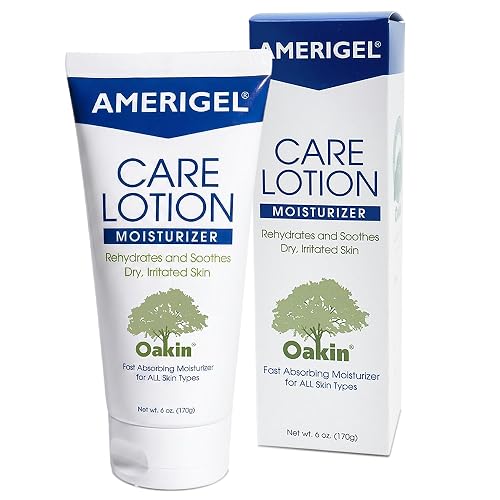
AMERIGEL leans into a gentler, more focused lotion style, which suits skin that gets touchy fast. The hypoallergenic angle matters in daily care, because a simpler-feeling moisturizer often gets used more consistently than something heavily scented or overly rich.
It also stands apart from the larger Medline bottle by feeling easier to tuck into a desk drawer, bathroom shelf, or carry-on. The trade-off is straightforward, since 6 ounces won’t last as long in a high-use household, but it feels nicely sized for targeted application.
Reasons To Buy
- Hypoallergenic positioning suits sensitive routines.
- Moisturizing format is easy to spread on irritated-feeling areas.
- Compact 6-ounce size travels well and stores easily.
- Useful for hands, legs, and other dry spots that need quick care.
Minor Gripes
- Smaller tube size may run through faster in family use.
- Targeted lotion style may feel less sealing than a foot cream.
Core Details
Made For
People who want a compact, skin-gentle lotion for dry or irritated-feeling areas will appreciate the format most.
A Better Fit Elsewhere
Cavilon 3M Cream For Extra Dry Skin suits you better when longer wear matters more than a lightweight lotion feel.
This EASE-Z lotion reads like a stronger-answer choice for dry skin that also feels inflamed or itchy. The zinc and shea butter pairing gives it a more treatment-minded profile than AMERIGEL, while the 10.9-ounce size lands in a comfortable middle ground for regular use.
For most bathrooms, that size is practical without being oversized, though the stronger-leaning formula may feel more specific than a simple everyday cream. The honest read is that it suits people who want a focused diabetic skin cream rather than a general moisturizer.
Upsides
- Zinc adds a distinct ingredient profile for dry, rough skin.
- Shea butter supports a richer moisturizing feel.
- 10.9 ounces gives you solid home use without a huge bottle.
- Targets dryness, redness, and itchiness in one routine.
- Feels more specialized than the lighter lotion options in this list.
Small Caveats
- The ingredient story is more specialized than basic body lotion options.
- Medium bottle size is less pocketable than smaller tubes.
At A Glance
Best Suited To
People dealing with rough, itchy-feeling skin who want a more ingredient-led lotion will get the most from this one.
Another Choice May Suit
SelfCare+ Diabetic Foot Cream fits better for a simpler foot-only routine, especially around heels and toes.
HealthWise is the one here that clearly leans into feet first. Dimethicone is a skin-conditioning silicone that helps reduce moisture loss, while petrolatum is an occlusive, meaning it forms a sealing layer that slows water from escaping the skin.
That combo makes sense for dry heels that need a more protective feel than a lighter lotion can give. Compared with the body-focused Medline and AMERIGEL options, this one is the better fit for people who want a thick, practical foot cream for a nightstand or bathroom cabinet.
Highlights
- Dimethicone and petrolatum create a more sealing foot-care feel.
- Paraben-free formula keeps the ingredient profile straightforward.
- Odor-free format works well for shared bathrooms or evening routines.
- Small tube size is easy to keep near the sink or bed.
Worth Noting
- 4-ounce size is compact, so frequent users may restock sooner.
- Foot-first design is less versatile than a general body cream.
- Thicker textures can take a moment longer to absorb.
Details At A Glance
Whose Shelf It Belongs On
People who mainly want heel and foot care, especially after long days in closed shoes, will get the most from this cream.
Swap It Out When
Cavilon 3M Cream For Extra Dry Skin makes more sense when you want a body-wide option with longer wear.
Cavilon takes a more lasting-hydration route than the lighter lotions in this roundup. Glycerin is a humectant, which means it helps pull moisture into the outer layer of skin, while dimethicone helps slow that moisture from slipping away.
The trade-off is the scented formula, which some people will like and others will avoid, depending on what tends to irritate your routine. In most homes, it works best as a daily all-over cream for extra-dry spots rather than a tiny, on-the-go tube.
Bright Spots
- Designed for extra-dry skin, not just mild roughness.
- Glycerin and dimethicone make a sensible moisture pair.
- 24-hour hydration claim suits lower-maintenance routines.
- Hypoallergenic and free from natural rubber latex.
Areas To Watch
- Scented formula may not suit every household.
- 4-ounce size is manageable, but not ideal for heavy family use.
- Feels more like a maintenance cream than a thick foot balm.
Technical Sheet
The Right Fit
This suits you best when your skin is very dry and you want a cream that feels more complete than a light lotion.
Look Elsewhere When
HealthWise Medicated Diabetic Foot Cream is the better match for heel-only care with a more sealing texture.
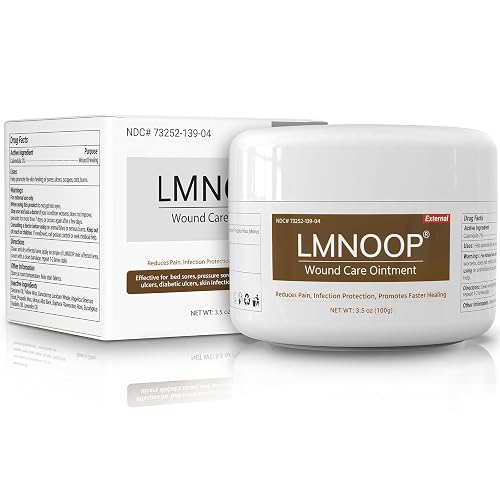
LMNOOP stands apart from the other creams here because it reads more like a wound-care ointment than a standard moisturizer. That matters in a travel kit, first-aid bag, or bedside drawer, where a compact tube that’s easy to carry can be more useful than a large body lotion.
The product page points it toward bedsores, pressure sores, diabetic wounds, and venous foot or leg ulcers, so the intended use is narrower than the rest of the list. The honest read is that it belongs in a very specific care setup, not a general daily-skin routine.
Best Bits
- Compact size is easy to carry in a bag or first-aid kit.
- Ointment format suits more focused spot care than a loose lotion.
- Useful for home, office, and travel storage.
- Specific use cases make the listing easy to understand.
Honest Caveats
- Narrower purpose means it is less like a general moisturizer.
- People seeking everyday skin cream may want a broader option.
- Smaller size can feel brief for repeated use.
Spec Overview
Right Fit For
People who need a compact, more specialized ointment for a care bag or bedside setup will value this most.
Reach For A Different Pick When
SelfCare+ Diabetic Foot Cream suits a more typical foot-moisturizing routine with less of a wound-care lean.
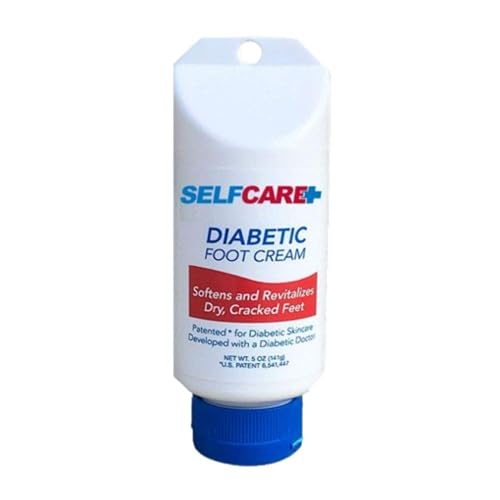
SelfCare+ keeps things refreshingly direct, which is part of its appeal. The foot-only focus makes it easy to understand at a glance, and the 5-ounce tube feels like a sensible middle size for a bedside drawer, bathroom shelf, or travel pouch.
Compared with HealthWise, this pick looks less ingredient-heavy and more straightforward in spirit, which can be exactly what you want for a no-fuss routine. You may find it especially convenient for evening foot care after a long day in shoes.
Positives
- Simple foot-care focus makes selection easier.
- 5-ounce size sits in a practical middle ground.
- Works well for cracked heels and dry feet routines.
- Easy to store near the sink or bedside.
Room For Improvement
- Foot-only design gives you less versatility than body creams.
- No ingredient detail in the supplied data, so the formula story is harder to read.
Feature Card
Built With In Mind
People who want a simple, everyday foot cream for dry, cracked heels will fit this tube best.
Another Choice May Suit
Medline Remedy Phytoplex Nourishing Skin Cream makes more sense for broader body use and a larger family bottle.
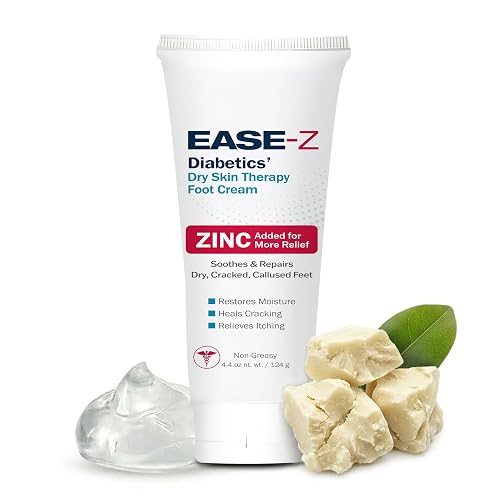
This EASE-Z cream covers more ground than the foot-only basics, since it’s meant for both feet and hands. Zinc, shea butter, and the longer-use positioning make it feel more layered than SelfCare+, though it still stays in a compact 4.4-ounce tube.
For someone who wants one cream for dry heels and rough hands, that flexibility is useful. The smaller size also helps keep it close at hand, but it won’t suit a large household that needs a bigger bottle for everyday sharing.
Strong Points
- Covers both feet and hands, which adds real household flexibility.
- Zinc and shea butter give the formula a more detailed profile.
- Compact tube is easy to store in a bathroom cabinet or bag.
- Helpful for dry, cracked, and callused skin care routines.
Softer Spots
- Smaller tube size may not suit high-usage households.
- More specific formula may feel less simple than a basic cream.
Quick Facts
Perfect Match For
People who want a compact cream that can handle both rough hands and dry feet will get the most from this tube.
Where A Sibling Pick Shines
HealthWise Medicated Diabetic Foot Cream fits better for a thicker, foot-first routine centered on heels.
How To Choose The Right diabetic skin creams
Match The Texture To The Job
A lotion suits broader, lighter daily use, while a cream or ointment usually brings a denser feel that stays put better on rough heels. That distinction matters because dry skin on the shins does not always need the same finish as cracked feet after a long shift.
Dimethicone, petrolatum, and glycerin are the kind of ingredients that tell you how a formula behaves. Dimethicone helps form a smoother layer, petrolatum adds a sealing effect, and glycerin draws in moisture, so the texture and the ingredient list should line up with the dryness level you deal with most.
Think About Where You’ll Use It
A bathroom shelf, bedside table, desk drawer, and travel pouch all favor different sizes. Larger bottles make sense for whole-family use, while smaller tubes are easier to stash in a kit or carry between home and work.
Foot-first formulas belong with heel care and nighttime routines, not general body moisturizing. Broad skin creams make more sense for arms, legs, and hands that need repeated application during the day.
Check For Sensory Fit
Unscented formulas usually work better in shared spaces or for people who prefer less fragrance on the skin. Scented creams can still be useful, but they’re a more personal fit and less forgiving in mixed households.
Hypoallergenic labeling can be helpful for sensitive routines, though it’s still smart to pay attention to the rest of the ingredient list. The honest read is that the gentlest-feeling pick is often the one you’re most willing to use every day.
Things Worth Knowing First
Common Shopping Slip Ups
One easy mistake is treating all diabetic skin creams like the same thing. A foot cream, a body lotion, and an ointment serve different jobs, so the category label should match where the dryness shows up.
Another miss is ignoring bottle size. A 4-ounce tube can be perfect for a bedside routine, but it feels small fast in a busy home.
What The Higher Tier Buys
More expensive picks usually spend their extra cost on formula complexity, texture quality, and packaging that fits more specific use cases. You often see richer ingredient pairs, more targeted foot care, or a bigger container that supports regular application.
That upgrade makes the most sense for people dealing with persistent dry patches, frequent heel roughness, or a routine that needs a product kept in several places. For occasional use, a simpler cream often covers the same ground well enough.
Frequently Asked Questions
What makes a diabetic skin cream different from a regular lotion?
These creams usually lean harder into moisture support and skin comfort for very dry areas. Many also come in foot-focused or sensitive-skin formats.
Should you choose a foot cream or a body cream?
Foot creams usually feel thicker and better suited to heels and calluses. Body creams work better for arms, legs, and hands that need broader coverage.
Does a larger tube always make more sense?
Not always, because size should match how often you use it and where you store it. A smaller tube can be easier to keep near the bed or in a bag.
Are scented formulas a bad fit?
Not necessarily, but scent can be a personal preference issue in shared spaces. Unscented picks usually feel easier to live with for daily use.
Which ingredient types matter most in this category?
Glycerin, dimethicone, petrolatum, zinc, and shea butter all point to different texture and moisture goals. The best mix depends on whether you want a lighter lotion feel or a more sealing cream.