
6 Best Emulsifiers for Water in Oil Emulsion for 2026
For kitchen formulas, screen printing setups, and small-batch cosmetic work, the right emulsifier has to fit the process, not just the label. Some of these picks help blend ingredients smoothly, while others are better described as emulsions themselves, so the list leans on practical use and source-confirmed features. You get a mix of cosmetic, craft, and printing options that make sense for people who want a tidy workflow and fewer surprises. The trade-offs are real, and that’s part of choosing well.
Quick Look At The Shortlist
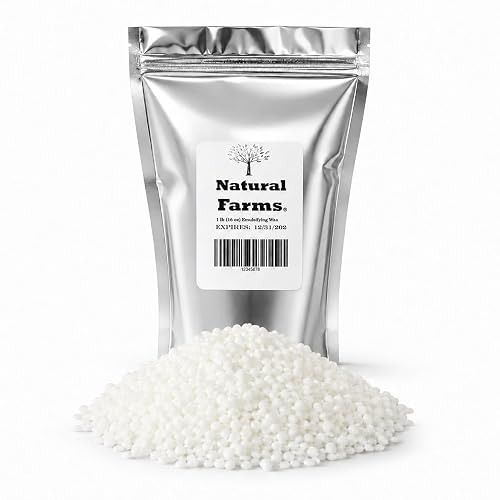
Natural Farms Emulsifying Wax Pastilles NF 1lb

Ecotex PWR Screen Printing Emulsion 1 Qt
Ecotex PWR Screen Printing Emulsion 1 Pt
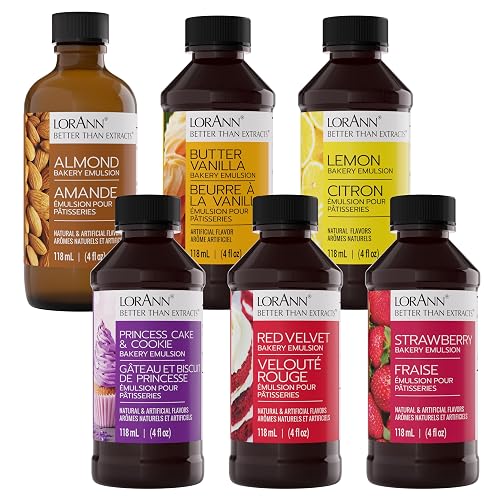
LorAnn Oils Variety Bakery Emulsion 4oz 6-Pack

Ecotex WR Blue Water Resistant Emulsion 1 Pt

More Details On Our Top Picks
Natural Farms keeps this one simple: plant-derived pastilles in a cosmetic-grade wax format. That shape matters because small pellets are easier to measure and melt in a home formulation routine than a solid block, especially on a crowded counter. For cream and lotion projects, that kind of handling can save you a little fuss.
The trade-off is that this is a raw ingredient, not a finished blend, so your process still has to be solid. Compared with the screen-printing emulsions in this roundup, it belongs in skincare and craft formulation, not on a press. You’ll get the most from it in small batches where consistency matters more than speed.
Highlights
- Pastille form is easy to portion for small batches.
- Plant-derived makeup fits cosmetic DIY workflows well.
- Cosmetic-grade positioning suits lotion and cream projects.
- Smaller pieces usually melt more evenly than one hard chunk.
Worth Noting
- It still asks you to manage your own formulation steps.
- It’s not the right match for screen printing work.
Feature Snapshot
Who It Suits Best
You benefit most here as a DIY skincare maker who wants a measured, plant-based wax for lotions or creams.
A Better Fit Elsewhere
Soapeauty Polysorbate 80 suits you better when your focus is bath, body, or solubilizing oils in cosmetic blends.
Screen printers usually want an emulsion that skips extra mixing steps, and this quart-size Ecotex PWR fits that workflow neatly. Premixed means the base is already prepared, while pre-sensitized means the light-reactive component is already included, so you can move faster from setup to coating. LED, DIY halogen, and UV unit compatibility makes it flexible for a home bench or a small shop.
The honest read is that its strength is convenience, not a universal fit for every press routine. Compared with the Natural Farms wax, this is for screen preparation rather than cosmetic making, and compared with the smaller Ecotex pint, it suits users who burn through more material. That extra capacity helps busy shops, but storage and shelf management matter more too.
Reasons To Buy
- Premixed setup trims down prep time.
- Pre-sensitized formula reduces an extra mixing step.
- Works with LED, halogen, and UV exposure units.
- Quart size suits repeated shop use.
- Useful for plastisol and water-based ink workflows.
Points To Note
- Quart size may be more than a hobby bench needs.
- Screen reclamation still calls for a separate remover product.
- Storage discipline matters once the container is opened.
Core Details
Made For
You suit this pick best as a screen printer who wants a ready-to-coat emulsion for regular work and mixed ink types.
Swap It Out When
Ecotex PWR Screen Printing Emulsion 1 Pt is the better call for smaller bench setups and lighter material use.
The pint version keeps the same Ecotex PWR formula, but in a size that suits lighter work and tighter storage. That’s handy in a garage studio, a classroom, or any setup where you only coat screens occasionally. You still get the premixed, pre-sensitized format, so the core workflow stays familiar.
Compared with the quart, this is easier to store and less likely to sit around unused for long stretches. The trade-off is simple: smaller volume means fewer applications before you need more. For people learning screen printing or handling short runs, that balance is often the better one.
Best Bits
- Smaller container is easier to store.
- Premixed and pre-sensitized setup keeps prep simple.
- Compatible with plastisol and water-based ink.
- Works with LED, halogen, and UV exposure units.
Small Caveats
- Smaller volume means more frequent restocking than the quart.
- Not as convenient for heavier production schedules.
Details At A Glance
Whose Shelf It Belongs On
You fit this one best as a hobby printer, classroom user, or side-hustle setup that values smaller storage needs.
Where A Sibling Pick Shines
Screen Print Direct Ecotex PWR Screen Printing Emulsion 1 Qt makes more sense for busier setups that use emulsion more often.
This LorAnn set is more about flavor work than the technical emulsifiers in the rest of the roundup, but it still earns a place for bakers who want controlled variety in one pack. Multiple bottles make it easier to keep cake, cookie, and dessert batches distinct without stocking a shelf full of separate flavorings. For a home kitchen, that can feel as tidy as a well-labeled spice rack.
The trade-off is obvious: it’s a baking ingredient set, not a cosmetic or screen-printing emulsifier. Compared with Soapeauty Polysorbate 80, this serves the dessert side of the kitchen, and compared with the Ecotex items, it belongs nowhere near a press. That mismatch is exactly why it works for bakers and not for the other jobs on this list.
What We Like
- Six-bottle variety helps you vary baking flavors.
- Small bottles are easy to store and label.
- Works well for cakes, cookies, and dessert projects.
- Useful for home kitchens that bake in batches.
Areas To Watch
- It does not belong in screen printing or cosmetic emulsions.
- Six separate bottles mean more caps to keep track of.
Quick Facts
Right Fit For
You fit this pick best as a home baker who likes variety and wants several flavor options ready in the pantry.
Another Choice May Suit
Soapeauty Polysorbate 80 is the better match for cosmetic DIY work that needs a true solubilizer and emulsifier.
Ecotex WR Blue is built for screen printers who want a more durable emulsion and do not mind a bit of setup. Diazo included means the sensitizer is already part of the formula, which simplifies one of the usual prep steps. Water-based ink compatibility keeps it useful for a common range of print jobs.
Compared with the PWR emulsion above, this one leans harder into water resistance and long-run durability. That makes sense for work that needs a stronger screen film, but it also means you need to stay more organized with mixing, coating, and storage. The made-in-USA note may matter to some shops, though it’s the process fit that does most of the work here.
Bright Spots
- Diazo included, so one prep component is already covered.
- Water-resistant design suits longer print sessions.
- Compatible with water-based screen printing ink.
- Fits printers who want a tougher screen coating.
Softer Spots
- Mixing and storage still need care after opening.
- More durability often means a less casual workflow.
- Best results usually come with steady, even coating technique.
Spec Overview
Built With In Mind
You fit this pick best as a printer who wants stronger water resistance for water-based ink work and can manage the setup carefully.
Look Elsewhere When
Screen Print Direct Ecotex PWR Screen Printing Emulsion 1 Qt suits higher-volume shops that prefer a larger ready-to-go container.
Soapeauty Polysorbate 80 is the most directly relevant cosmetic emulsifier in this group, especially for bath and body work. Polysorbate 80, also known as Tween 80 or T-Maz 80, is a solubilizer, which means it helps blend ingredients that do not naturally stay mixed. That makes it useful in DIY skincare formulas where you want a cleaner, more stable texture without juggling several specialty ingredients.
Compared with Natural Farms emulsifying wax, this is the more targeted tool for liquid cosmetic blends rather than thicker cream bases. The 12-ounce size gives you enough room for repeat projects, but it still makes sense to store it carefully and keep your measurements consistent. For bath oils, body sprays, and similar projects, it fits the brief neatly.
Standout Traits
- Cosmetic-grade format suits skincare and bath work.
- Polysorbate 80 is a familiar solubilizer in DIY formulas.
- Helps you blend ingredients that tend to separate.
- 12-ounce size is practical for repeat small batches.
Minor Gripes
- It’s a specialty ingredient, so your recipe still needs care.
- Not meant for screen printing or baking use.
- Storage matters once you begin opening it regularly.
Feature Rundown
Perfect Match For
You fit this pick best as a DIY body-care maker who wants a cosmetic emulsifier for liquid or bath-focused formulas.
Where Another Pick Suits Better
Natural Farms Emulsifying Wax Pastilles NF suits you better for thicker cream-style skincare projects that need a wax base.
How To Choose The Right emulsifiers for water in oil emulsion
Match The Ingredient To The Job
The first filter is simple: cosmetic waxes, solubilizers, and screen-printing emulsions solve different problems. Natural Farms and Soapeauty sit in cosmetic formulation, while the Ecotex items are for screen preparation, so the “right” pick starts with the project on your bench.
That matters because a product that seems similar on a search page can behave very differently in use. For cream bases, you want a material that supports texture and blending, while screen printers care more about coating, exposure, and resistance on the mesh.
Think About Batch Size And Storage
Smaller containers suit occasional work, limited shelf space, and people who prefer fresher stock turnover. The pint Ecotex and 12-ounce Soapeauty fit that rhythm better than the quart Ecotex, which makes more sense for ongoing production or frequent repeats.
Storage also affects convenience. A product that stays useful on the shelf is easier to live with than one that sits too long between projects.
Look Closely At Prep Requirements
Premixed and pre-sensitized formulas reduce prep steps, which is why the Ecotex PWR line stands out for faster screen work. Diazo-included emulsions still need a careful coating and exposure process, so the benefit is simplification, not magic.
For cosmetic ingredients, the prep question shifts to measuring and blending. Pastilles help with portion control, while liquid solubilizers like Polysorbate 80 help with ingredient compatibility in bath and body formulas.
What To Weigh Before You Choose
Hidden Buying Traps
A common mistake is grabbing a product that sounds right but belongs to a different workflow. Screen printers need coating and exposure compatibility, while skincare makers need ingredient behavior that fits creams, lotions, or bath blends.
Another slip-up is overbuying volume. A quart container can be sensible for frequent use, yet it can also become awkward storage baggage for a casual bench.
The Case For Spending Up
Higher-tier options usually cost more because they save time, reduce prep steps, or support tougher use patterns. Premixed screen emulsions, diazo-included formulas, and durable water-resistant blends all ask for more process control, which often shows up in the price.
That upgrade makes sense for busy printers and serious DIY formulators. For occasional use, a simpler, smaller option is usually easier to live with.
Frequently Asked Questions
Are These All The Same Kind Of Emulsifier?
No, they serve different jobs across cosmetic, baking, and screen-printing work. The shared theme is blending or preparation, not identical chemistry or use.
Which Pick Suits Small-Batch DIY Work Best?
Soapeauty Polysorbate 80 and Natural Farms Emulsifying Wax Pastilles both fit small-batch cosmetic routines well. The better choice depends on whether you need a liquid solubilizer or a wax base.
Do The Screen-Printing Options Need Special Equipment?
The Ecotex PWR emulsions are built for exposure units, including LED, DIY halogen, and UV setups. That makes them useful, but they still need the right printing workflow around them.
Which Item Is Better For Frequent Use?
The quart-size Ecotex PWR is the more practical pick for repeat printing jobs. The smaller pint version is easier to store, but the quart is less fussy for ongoing use.
Can One Of These Work For Baking Too?
LorAnn Oils Variety Bakery Emulsion is the only pick here tied to baking. The rest belong to cosmetic or screen-printing tasks, so they should stay in those lanes.
Closing Thoughts
Your best match depends on the job in front of you, not just the word emulsifier on the label. Natural Farms and Soapeauty suit cosmetic formulas, the Ecotex picks belong in screen printing, and LorAnn serves bakers who want flavor variety. Once you line up the ingredient with the workflow, the choice gets much clearer. That’s the kind of calm, practical decision that tends to pay off later.