
7 Best Indian Hair Oils for 2026
Indian hair oils can be a steady choice for dry ends, a flaky scalp, or a routine that just feels easier with a pre-wash massage. You’ll see a wide spread here, from coconut-based blends to bhringraj-led formulas and herb-heavy mixes with amla, brahmi, and neem. The right match depends on how often you oil, how much slip you like, and whether you want a lighter everyday bottle or a richer massage oil.
The Shortlist At A Glance
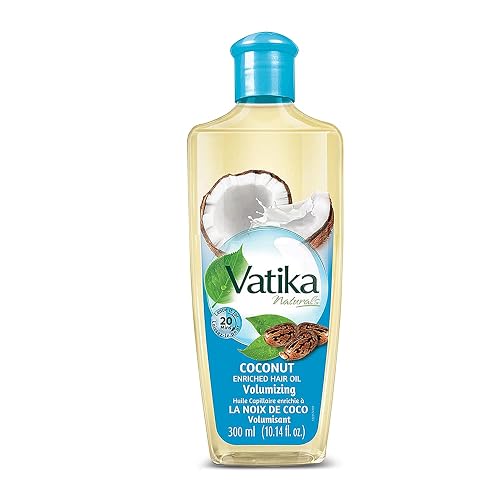
Dabur Vatika Naturals Enriched Coconut Hair Oil
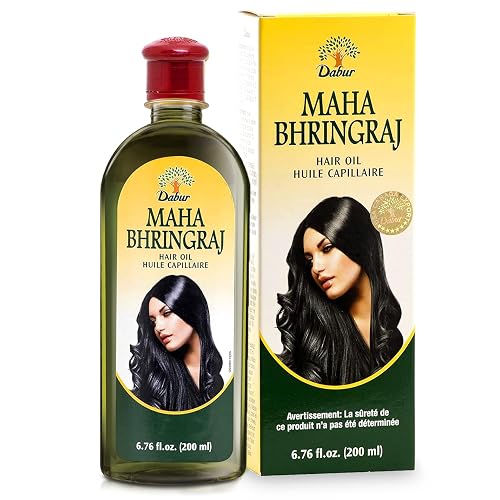
Dabur Maha Bhringraj Herbal Ayurvedic Hair Oil 200ML


Mahabhringraj Ayurvedic Hair Oil 2 Bottles of 200 ml
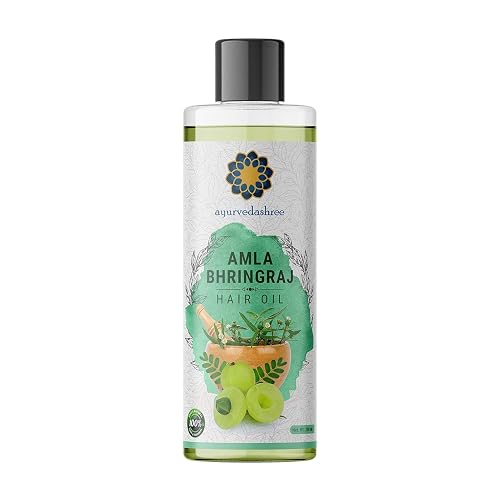
AYURVEDASHREE Hair Oil 200 ml

Vatika Naturals Multivitamin Hair Oil 300 ML

Growing Season Hair Growth And Repair Oil
More Details On Our Top Picks
Coconut oil sits near the gentle end of this group, and this Dabur bottle suits that role well. It makes sense for your routine when you want a familiar, easy-spreading oil for the scalp and lengths without a very heavy feel.
Compared with the bhringraj-led options later in the list, this one feels more straightforward and less herbal in its positioning. That makes it a comfortable everyday match for men and women who want a simple pre-wash step, though very dry hair may still want a richer massage blend.
What We Like
- Coconut-based formula suits regular oiling routines.
- Spreads easily through mid-lengths and ends.
- Feels practical for shared household use.
- Simple profile makes it easy to match with a basic wash schedule.
Things To Consider
- Light formulas can feel too modest for very coarse hair.
- Scalp massage is still the main use, not a styling shortcut.
- A classic oil texture can leave towels or pillowcases marked, so storage and application matter.
Feature Snapshot
Who It Suits Best
You’ll get the most from this pick when you want a gentle, everyday oil for standard scalp massage and easier comb-through after washing.
A Better Fit Elsewhere
Growing Season Hair Growth And Repair Oil suits you better when you want a more botanical, repair-minded bottle with burdock, nettle oil, and vitamin C in the mix.
This Dabur option leans harder into the traditional herbal side, with bhringraj taking center stage. For a steady scalp massage routine, that gives it a little more presence than the coconut-first Vatika above.
You may find the 200 ml size easier to keep fresh on a bathroom shelf than a large bottle, especially in a home where a few people share the same oil. The trade-off is simple, smaller packaging means more frequent repurchasing than the larger RVAP bottle later in the roundup.
Positives
- Bhringraj-focused blend fits classic Ayurvedic routines.
- 200 ml size stays manageable on crowded shelves.
- Works well for scalp massage before washing.
- Comfortable middle ground for new and regular oil users.
Small Caveats
- Smaller volume runs out sooner than the larger-format picks.
- Herbal oils usually have a stronger scent profile, which not everyone enjoys.
Quick Facts
Built With In Mind
This suits you best when your hair care routine already includes a weekly massage and you want a familiar herbal profile in a compact bottle.
Another Choice May Suit
AYURVEDASHREE Hair Oil 200 ml fits better for you when ingredient variety matters more than a simple bhringraj-led formula.
The larger 500 ml format changes the whole feel of this oil, because you’re not budgeting each pour quite as tightly. That suits long-running households, thick hair, or anyone who oils several times a week and wants a bottle that hangs around.
Source notes also describe a 10 to 15 minute scalp massage before sleep, which makes this a routine-first choice rather than a quick cosmetic fix. The caveat is straightforward: a bigger bottle can be more awkward to store, and the stronger traditional profile may feel a bit much for someone who prefers lighter coconut blends like Dabur Vatika Naturals Enriched Coconut Hair Oil.
Bright Spots
- 500 ml size supports frequent use over time.
- Herbal positioning suits a classic Indian oil routine.
- Fits longer massage sessions without feeling stingy on quantity.
- Large format can work well in shared homes.
Areas To Watch
- Larger bottles take more shelf space.
- Traditional oils can feel heavy on fine hair.
- The brand-forward naming is less familiar than Dabur’s mainstream line.
Technical Sheet
Whose Shelf It Belongs On
This belongs on your shelf if you oil often, have dense hair, or prefer a fuller bottle for long-term household use.
Where A Sibling Pick Shines
Dabur Maha Bhringraj Herbal Ayurvedic Hair Oil 200ML fits better for you when you want a smaller, easier-to-handle bottle with a familiar brand name.
Two 200 ml bottles change the math for households that go through oil steadily. You get the convenience of a familiar mid-size bottle without moving all the way up to the bulkier RVAP 500 ml format.
That split packaging also helps with storage, because you can keep one bottle in use and set the second aside. The honest read is that this shape works best for people who already know they like Mahabhringraj-style oil and want a practical backup on hand.
Reasons To Buy
- Two-bottle pack makes stocking easier.
- 200 ml size is still easy to handle.
- Good for families who share one oil.
- Simplifies rotation between one bottle in use and one in reserve.
Softer Spots
- Only appeals strongly if you want a duplicate supply.
- Storage still matters, since you are keeping two bottles around.
Feature Rundown
Who Should Grab It
You’ll like this most when you already trust the Mahabhringraj style and want enough oil to cover regular family use without a giant container.
Look Elsewhere When
RVAP Mahabhringraj Oil 500ml makes more sense for you when a single large bottle is easier than managing two smaller ones.
This is the most ingredient-packed bottle in the group, and that can appeal to you when you like a fuller herb story on the label. Amla, bhringraj, brahmi, methi, shikakai, neem, henna, pine, clove, eucalyptus, and citronella make it feel more layered than the simpler Vatika coconut option.
The trade-off is easy to name, more ingredients can also mean a stronger scent and a less minimal routine. For a shelf where you want one bottle that feels like a complete herbal blend, this does the job neatly.
Standout Traits
- Very broad herb list gives it a rich traditional profile.
- Amla and bhringraj anchor the formula.
- Suited to massage routines that lean ingredient-first.
- 200 ml size stays convenient for regular handling.
Worth Noting
- Ingredient-heavy blends can feel busy for simple routines.
- Herbal scent strength may matter in shared spaces.
- Smaller bottle means you’ll replace it sooner than bulk options.
Core Details
Perfect Match For
You should grab this when your hair routine is already herbal and you want a bottle with a long ingredient list that feels traditional rather than stripped down.
Swap It Out When
Dabur Maha Bhringraj Herbal Ayurvedic Hair Oil suits you better when you want a simpler, brand-familiar bhringraj bottle with less going on.
This Vatika bottle pushes toward a more modern oil profile, and the 300 ml size gives it a useful middle ground between the 200 ml picks and the 500 ml RVAP bottle. It also singles out red onion in the formula, which will matter to you if ingredient specificity is part of how you shop.
Compared with the coconut-first Vatika above, this one feels more targeted toward stronger-hair routines rather than a purely simple massage oil. The honest trade-off is that a more layered formula can feel less familiar than a plain coconut blend, especially in a daily routine that you want to keep easy.
Highlights
- 300 ml size sits in a practical middle zone.
- Red onion adds a distinct ingredient cue.
- Feels suited to people who want a step up from basic coconut oil.
- Stays manageable for regular bathroom storage.
Minor Gripes
- More ingredient-forward than a plain, gentle oil.
- The middle-size bottle still won’t last as long as the 500 ml option.
At A Glance
Who Will Love This
This suits you best when you want a slightly more modern blend than classic coconut oil and still want a bottle that feels easy to keep around.
Where A Sibling Pick Shines
Dabur Vatika Naturals Enriched Coconut Hair Oil is the better fit for you when you want the simplest, lightest-feeling option in the group.
Burdock, nettle oil, and vitamin C make this the most repair-minded formula in the list on paper. That mix gives you a different angle from the traditional Indian herb bottles, which can be useful when your routine leans toward fuller-looking, shinier hair rather than a classic Ayurvedic massage ritual.
The phrase “hair growth and repair” sets an expectation, so you’ll want to treat it as a care oil rather than a quick fix. It feels most logical for someone building a simple, plant-led routine and wanting something less conventional than the Dabur and Mahabhringraj options.
Best Bits
- Burdock and nettle give the formula a distinct botanical profile.
- Vitamin C adds a modern ingredient cue.
- Works well for shine-focused care routines.
- Stands apart from the more traditional bhringraj oils.
Points To Note
- The styling language may feel more marketing-heavy than the heritage-focused picks.
- It suits care routines, not instant cosmetic change.
- You may prefer a more familiar Indian oil if tradition matters most.
Details At A Glance
Right Fit For
You’ll fit this best when you want a botanical oil that feels a little different from the standard Indian herb lineup and you care about shine and softness together.
Reach For A Different Pick When
AYURVEDASHREE Hair Oil 200 ml suits you better when you want a fuller ingredient list rooted in familiar Indian herbs.
How To Choose The Right indian hair oils
Match The Oil To Your Hair Type
Fine hair usually does better with lighter oils that spread quickly and rinse cleanly, while thick or coarse hair often benefits from richer massage blends. Coconut-forward formulas, like Dabur Vatika Naturals Enriched Coconut Hair Oil, feel easier for everyday use, while heavier bhringraj oils can suit drier lengths that need more slip.
Herbal oils are not all the same, even when the labels sound similar. A compact 200 ml bottle works well for occasional use, but a 500 ml bottle makes more sense for regular oilers who don’t want to reorder often.
Read The Ingredient List With Purpose
Ingredient names tell you how the oil is meant to feel in your hands. Amla, bhringraj, brahmi, and neem point toward traditional Ayurvedic styling, while red onion or vitamin C signals a more modern mix with a different label story.
More ingredients do not automatically mean a better fit. You may prefer a shorter, familiar formula for weekly massage, or a broader botanical blend when you like a more layered routine and don’t mind a stronger scent.
Think About Texture, Scent, And Cleanup
Texture matters just as much as the headline ingredients. A lighter oil can be easier to distribute before a shower, while dense blends may cling longer and feel better during a slow scalp massage.
Scent and cleanup matter in real homes, not just on the product page. Towels, pillowcases, and storage shelves all come into play, so a routine-friendly bottle should be easy to cap, stable to store, and simple to use without making your bathroom feel cluttered.
Choose For Routine, Not Hype
The right pick depends on how you actually oil your hair. A shared household may appreciate the two-bottle Mahabhringraj pack, while a solo user who oils once a week may prefer the smaller Dabur bottles.
That’s the cleanest way to narrow the field, keep the routine realistic, and avoid a bottle that sounds impressive but doesn’t fit your schedule.
Things Worth Knowing First
Common Shopping Slip Ups
One common mistake is treating every Indian hair oil as interchangeable. A coconut-based oil, a bhringraj-heavy blend, and a burdock-nettle formula all serve different routines.
Another is ignoring bottle size. A large container sounds useful, but it can be awkward on a cramped shelf, while a smaller bottle may suit you better for shared bathrooms.
What The Higher Tier Buys
More expensive oils usually reflect ingredient variety, larger volume, or a more specialized formula. That extra cost often goes into a broader botanical list, more specific positioning, or packaging that suits regular use.
The upgrade makes sense when your routine is consistent and you know you want a particular type of blend. For occasional use, a simpler bottle usually covers the job without much fuss.
Frequently Asked Questions
How often should you use indian hair oils?
Most people use them once or twice a week as part of a pre-wash routine. A more frequent schedule makes sense for dry hair or longer styles that need extra slip.
Are herbal oils better than coconut-based oils?
Neither type is automatically better. Herbal oils suit people who like a traditional blend, while coconut-based options feel simpler and lighter.
What size bottle makes the most sense?
Smaller bottles suit occasional use or limited storage. Larger bottles suit steady routines and households that share one product.
Do more ingredients mean a better oil?
Not always, because more ingredients can also mean a stronger scent or a busier routine. The right choice depends on how much complexity you want in a single bottle.
Which pick works best for a simple routine?
Dabur Vatika Naturals Enriched Coconut Hair Oil is the easiest starting point here. Its straightforward profile makes it a comfortable match for regular scalp massage.
Final Thoughts
Your best match depends on how you actually care for your hair, not on the longest ingredient list. Coconut-forward simplicity, classic bhringraj blends, and denser herbal formulas all have a place here. Start with your hair type, your storage space, and how often you oil, then let the bottle fit the routine, not the other way around. That keeps the choice practical and much easier to live with.