
7 Best Oil Control Primers for 2026: Matte Wear that Holds Up
Shiny T-zones, makeup that slips by midday, and pores that seem to show up at the worst time are exactly what these primers aim to handle. You get a mix of cream, serum, and spray formats here, so your choice can match your skin feel and your routine instead of forcing a one-note matte finish. Some lean toward a softer blur, while others focus on grip and oil control for longer wear. The right one makes base makeup behave more like it belongs.
The Shortlist At A Glance

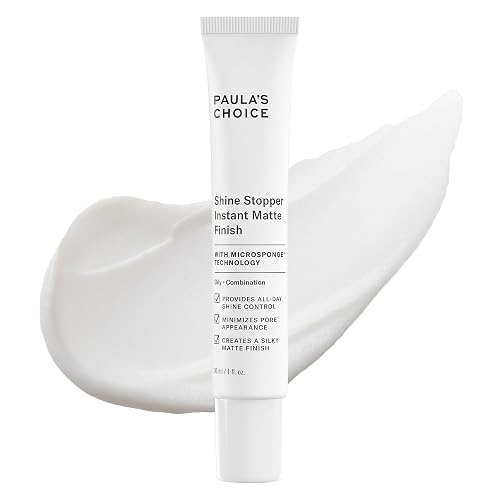
Paula’s Choice SHINE STOPPER Matte Finish Oil Control Primer

Milani No Pore Zone Mattifying Primer
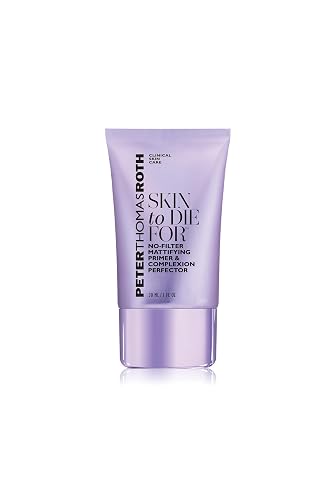
Peter Thomas Roth Skin to Die For No-Filter Mattifying Primer

tarte base tape hydrating primer

L’Oreal Paris Prime Lab Up to 24H Matte Setter Face Primer

Skindinavia Makeup Primer Spray Oil Control
More Details On Our Top Picks
Palladio keeps the formula simple in a way that makes sense for daily wear. The beige tint, natural rice focus, and lightweight feel point toward a softer matte look rather than a heavy mask, which helps in office settings or on casual days. You may find it especially useful when you want shine control without a thick primer layer.
Compared with Paula’s Choice SHINE STOPPER, this one sounds more approachable and less clinical in its pitch. The trade-off is obvious enough, though, because it leans on a smaller 0.71 fl oz bottle and a lighter feel instead of a more pore-centered, treatment-style profile.
Strong Points
- Lightweight feel suits full-face wear without piling up under foundation.
- Matte finish helps cut midday shine in warm rooms or busy commutes.
- Beige tint can help the base look more even before makeup goes on.
- Small bottle is easy to stash in a travel pouch or desk drawer.
Things To Consider
- The smaller size means you may go through it sooner with frequent use.
- That beige tone may matter more on very fair or very deep skin tones.
- Shine control sounds solid, though it is not framed as a heavy-duty pore blur.
Feature Snapshot
Who It Suits Best
You suit this pick best when you want a light matte primer for everyday makeup, especially in a quick routine or a small bag.
A Better Fit Elsewhere
Paula’s Choice SHINE STOPPER Matte Finish Oil Control Primer suits you better when pore blur and excess-oil control matter more than a softly tinted base.
This is the one that sounds most focused on oil-prone skin and visible pores. The 1 fl oz size keeps it compact, and the matte finish language tells you exactly where it wants to live, in a routine built around shine control and smoother-looking skin texture. In a hot office or on a long day out, that kind of narrow focus can be the point.
Relative to Palladio Rice Primer, this pick looks less tinted and more precision-driven. The honest read is that it seems better for shoppers who want the primer to disappear under makeup while still doing a specific job.
Highlights
- Targets excess oil directly, which suits shinier skin types well.
- Pore-blurring language makes it a smart match for close-up makeup days.
- Matte finish works well under base products that can slip on oily skin.
- Compact bottle keeps storage simple in a makeup kit or carry-on pouch.
Worth Noting
- The matte style may feel too dry for skin that already leans tight.
- Oily-skin focus means it may be more than some mixed-skin routines need.
- Smaller bottles usually reward careful dispensing, so a little goes a long way.
At A Glance
Made For
You get the most from this primer when oily skin and visible texture sit near the top of your makeup concerns.
Skip It When
Milani No Pore Zone Mattifying Primer makes more sense when you want a more budget-minded mattifier with a broader everyday feel.
Milani takes a friendlier route for everyday makeup than Paula’s Choice or Peter Thomas Roth. The formula leans mattifying, pore-minimizing, and blurring, but the branding also points toward a softer, skin-comfort angle, which helps when you want control without a flat, chalky look. That balance matters on workdays, school runs, and short events.
The vegan and cruelty-free positioning adds to the appeal for shoppers who care about formula philosophy as much as finish. One thing worth considering is that the focus reads broad rather than ultra-specialized, so it suits a lot of routines without feeling clinical.
Positives
- Mattifying texture helps keep foundation from looking greasy too soon.
- Pore-softening finish can make base makeup look smoother at a glance.
- 1 fl oz size lands in a practical middle ground for regular use.
- Vegan and cruelty-free positioning may suit ingredient-conscious routines.
Minor Gripes
- The broad promise may feel less targeted than a specialist oil-control formula.
- Serious shine control seekers may want something more aggressive.
- Small bottles ask for tidy storage, especially in a crowded vanity drawer.
Details At A Glance
Best Suited To
You fit this primer well when you want a straightforward mattifier for everyday makeup and prefer a formula with broader appeal.
Look Elsewhere When
L’Oreal Paris Prime Lab Up to 24H Matte Setter Face Primer is the stronger match for long wear and a more grip-heavy finish.
This one sits in the more polished, complexion-perfector lane. The universal tint and mattifying tone suggest a primer that tries to even things out before makeup rather than simply stop shine, which can feel especially useful on days when you want to skip extra complexion steps. The result should appeal to someone who likes a tidy, editorial-style base.
Compared with Milani No Pore Zone Mattifying Primer, this pick looks more cosmetic-finish driven and less plain utility driven. The catch is that universal tinting always deserves a closer look on your own undertone, since that kind of formula can feel a little more personal than clear primers.
Bright Spots
- Universal tint can simplify your base routine on busy mornings.
- Mattifying effect helps reduce the look of midday shine.
- Complexion-perfector angle may pair well with light foundation or tinted base products.
- Compact format makes it easy to keep near your everyday makeup stash.
Small Caveats
- Tint matching is personal, so tone compatibility deserves attention.
- Its more cosmetic approach may not satisfy shoppers who want a strictly clear primer.
- Specialty formulas like this can feel less simple than a basic oil-control base.
Core Details
Whose Shelf It Belongs On
You suit this pick best when you want a primer that acts like part base, part finisher, especially for polished daily makeup.
Another Choice May Suit
Paula’s Choice SHINE STOPPER Matte Finish Oil Control Primer fits better for pure oil control and a more stripped-back matte result.
This is the softest-feeling primer in the group, and that makes it a useful counterweight to the matte-heavy options above. The serum-like texture, coconut scent, vitamin E, and olive oil point toward hydration first, so it fits makeup routines that need smoothing without stripping the skin. For dry or combination skin, that can be the difference between makeup sitting nicely and clinging.
Next to L’Oreal Paris Prime Lab Matte Setter, this one is the less oil-focused choice, and that’s the point. The honest read is that it belongs in your routine when comfort matters as much as finish, especially during colder months or in air-conditioned spaces.
Upsides
- Serum-style texture feels easy to spread across the face.
- Hydration-focused formula suits skin that needs smoothing more than drying.
- Vitamin E and olive oil bring a softer feel to prep time.
- Lightweight finish works well under natural-looking makeup.
Areas To Watch
- It is not the strongest match for very oily skin or heavy shine control.
- Coconut scent may matter to you more than a fragrance-free option would.
- Hydrating formulas can need a little patience before foundation goes on.
Technical Sheet
Right Fit For
You suit this primer best when your skin leans dry, your makeup likes a smoother glide, and you want comfort ahead of heavy matte control.
Consider Something Else When
Palladio Rice Primer fits better for you if shine control matters more than a hydration-led finish.
Among the matte options here, this one has the most clearly workhorse profile. The salicylic acid, LHA, and matte-setter framing make it sound like a primer built for shine control, smoother texture, and better makeup grip over a long day. That matters for events, work shifts, and any routine where touch-ups are a hassle.
Compared with Skindinavia’s spray format, this is the more traditional face-primer choice, which may feel easier for shoppers who like a classic cream or gel step. The trade-off is that a stronger matte formula can feel less forgiving on skin that already runs dry.
Standout Traits
- Matte setter profile suits long wear and shine-prone skin.
- Salicylic acid and LHA point to a more treatment-style primer approach.
- Blurring effect can help foundation look smoother across texture.
- 1.01 fl oz size gives you a practical daily-use amount.
Points To Note
- Stronger matte focus may feel too drying for skin that needs comfort first.
- Acid-based formulas ask for a little more attention when building a routine.
- Regular use means you’ll want a tidy storage spot to keep the cap secure.
Feature Rundown
Built With In Mind
You suit this pick best when you want a long-wear matte primer for oily skin and a makeup base that stays more controlled across the day.
Swap It Out When
tarte base tape hydrating primer makes more sense when your skin needs more moisture and less matte intensity.
Spray primers are a little different from the rest of this list, and that’s exactly why Skindinavia stands out. The 4 oz bottle, water-resistant feel, and spray-on application make it useful for quick prep, touch-up style routines, or makeup bags where a squeeze tube feels messier. In busy mornings, that kind of format can save you a few steps.
Compared with L’Oreal Paris Prime Lab, this is less about a classic primer texture and more about fast coverage and mattifying convenience. You may find the spray format especially helpful for oily skin, but it also asks for a steadier hand to get even coverage across the face.
Best Bits
- Spray format spreads quickly and feels easy to work into a routine.
- Mattifying base suits oily skin and shine-prone areas.
- Portable bottle size is handy for travel bags and gym totes.
- Water-resistant formula gives it a practical, everyday-use feel.
Softer Spots
- Spray application can take a little practice to keep coverage even.
- It may feel less precise than a cream primer around small zones.
- You’ll likely want to store it upright so the spray mechanism stays tidy.
Quick Facts
Who Will Love This
You fit this pick best when you want a quick spray-on primer for oily skin and value convenience over a traditional cream feel.
Where A Sibling Pick Shines
Milani No Pore Zone Mattifying Primer makes more sense if you want a classic face-primer texture with a gentler daily routine.
How To Choose The Right oil control primers
Match The Finish To Your Skin Day
Matte primers are not all the same, and that’s where a lot of routine frustration starts. A soft matte like Palladio feels different from a firmer, more grip-driven finish like L’Oreal Paris Prime Lab Up to 24H Matte Setter Face Primer. You get a better match when you decide whether your skin needs shine reduction, pore softening, or just a smoother canvas under makeup.
Dry-combination skin usually behaves better with a lighter hand and a less drying formula. Very oily skin often benefits from primers that clearly call out matte control, pore blur, or long-wear grip.
Choose A Format You’ll Actually Use
Cream and gel primers suit most standard makeup routines because they blend quickly and stay predictable. Spray formats, like Skindinavia Makeup Primer Spray Oil Control, make sense for fast prep, humid days, or carry-on kits, though they take a steadier spray pattern to apply evenly.
Texture matters more than the marketing language around it. A serum-like primer can feel more comfortable for dry skin, while a denser matte formula usually makes more sense for shine-prone zones such as the forehead, nose, and chin.
Look Past Oil Control Alone
Some formulas do more than manage shine. Paula’s Choice SHINE STOPPER Matte Finish Oil Control Primer leans toward pores and fine lines, while Peter Thomas Roth Skin to Die For No-Filter Mattifying Primer adds a universal tint that can streamline your base.
That extra function matters when you want to shorten your routine or skip a separate complexion product. The trade-off is that multi-tasking primers ask for a little more attention to tone, texture, and how they layer with foundation.
Size, Storage, And Everyday Comfort
Smaller bottles are easy to travel with, but they also disappear sooner in a daily routine. Larger spray bottles give you more product, yet they need a bit more space and a cleaner storage habit.
Comfort matters too. A primer that feels nice on bare skin is far more likely to become part of your morning routine than one that only looks good on paper.
Things Worth Knowing First
Common Shopping Slip Ups
Shoppers often chase the strongest matte claim and end up with a primer that feels too dry. A better move is to match the finish to your skin, then check whether the formula is clear, tinted, spray-based, or serum-like.
Another common miss is ignoring how the primer layers under your usual foundation. Heavy mattifiers can cling under dry base makeup, while lighter formulas may not hold up well on very oily skin.
The Upgrade Payoff
Higher-tier primers often cost more because they add layered formula work, more specialized texture, or extra finish control. That’s why products like L’Oreal Paris Prime Lab and Peter Thomas Roth sound more complex than a basic matte base.
The upgrade makes sense when you need a primer to do more than sit under foundation. Long wear, pore blur, complexion smoothing, or better comfort on skin that reacts to heavy matte formulas can justify the step up.
Frequently Asked Questions
What does an oil control primer do?
It helps reduce surface shine and gives foundation a steadier base. Many formulas also smooth the look of pores or texture.
Should you choose a matte or hydrating primer?
Matte works best for shiny or oily skin, especially around the T-zone. Hydrating formulas suit skin that feels tight, dry, or easily over-dulled.
Are spray primers easier to use?
They can be faster and feel less messy than cream primers. Even coverage takes a little practice, especially around the center of the face.
Do tinted primers replace foundation?
Usually, they only soften tone and smooth the base. They work best as a prep step, not a full coverage substitute.
How much primer should you apply?
A thin layer is usually enough for the whole face. Extra product can make makeup pill, slide, or feel heavy.
Closing Thoughts
The best oil control primers for your routine depend on how much shine control you need and how much comfort you want to keep. Palladio and Milani lean easier and more everyday, while Paula’s Choice and L’Oreal Paris push harder on oil control and wear. If you want a smoother, more polished base, Peter Thomas Roth and Skindinavia bring more specialized texture and format choices. Pick the one that fits your skin honestly, and your makeup will usually feel easier to live with.