
10 Best Products for Hyperpigmentation for 2026
You’re here because dark spots, post-breakout marks, sun patches, or uneven tone can make a shelf of serums feel confusing fast. This roundup keeps the focus on texture, actives, and real use cases, so you can match a product to your routine without guessing. Some options lean gentle and hydrating, others bring exfoliating acids or stronger brightening ingredients, and one supplement takes a different path entirely. The goal is simple, help you sort the options that fit your skin and your habits.
Quick Look At The Shortlist

Abib Glutathiosome Dark Spot Serum Vita drop 1.69 fl.oz.
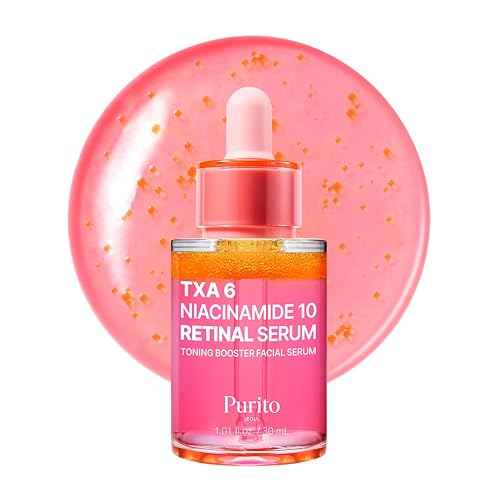
PURITO TXA 6% + Niacinamide Serum
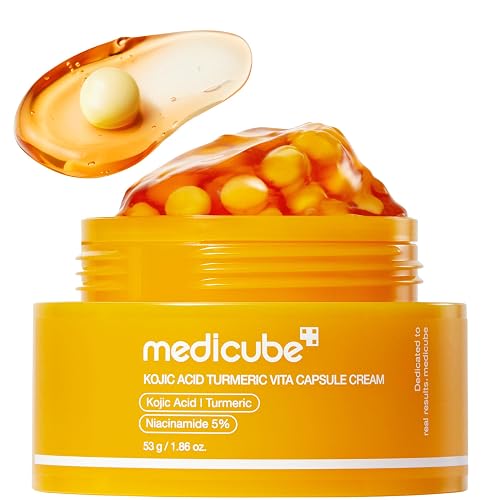
medicube Capsule Cream with Kojic Acid & Turmeric

Dr. Melaxin Peel Shot Kojic Acid Turmeric Serum

TOSOWOONG Kojic Acid Turmeric Cream for Dark Spots
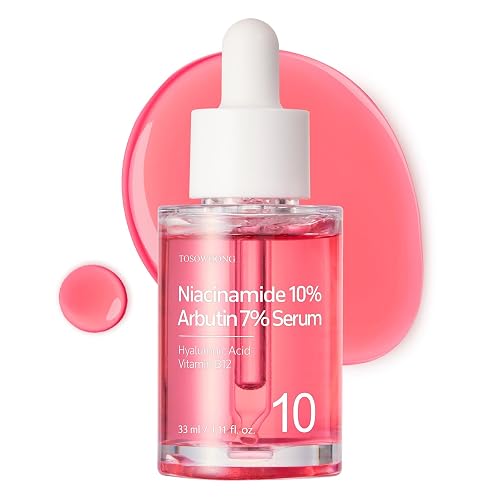
TOSOWOONG Niacinamide 10% + Arbutin 7% Serum
GlocalCare Depigma Capsules
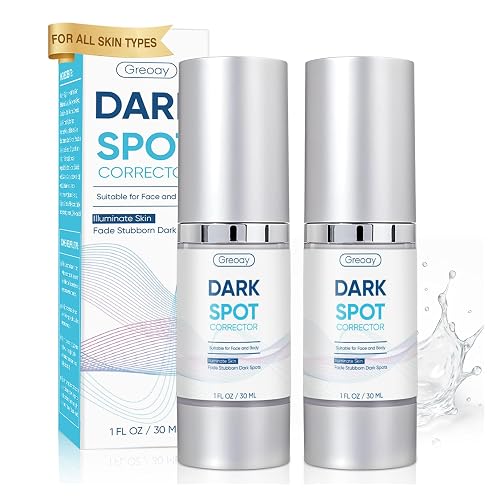
Dark Spot Remover for Face Body Serum
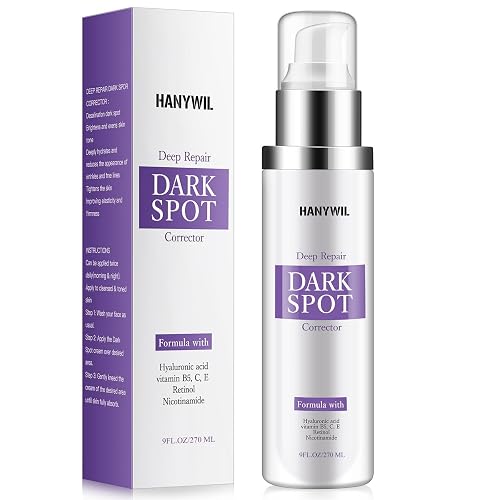
HANYWIL Dark Spot Remover for Face & Body Serum
The Ordinary Glycolic Acid 7% Exfoliating Toner
More Details On Our Top Picks
Abib keeps this serum lean and easy to live with, which matters on mornings when your routine already has cleanser, sunscreen, and not much patience. The lightweight feel makes it a sensible match for sensitive or uneven skin that needs dark-spot care without a heavy finish.
The trade-off is straightforward, a gentler texture usually feels less aggressive than acid-heavy formulas like Dr. Melaxin Peel Shot Kojic Acid Turmeric Serum. You may appreciate that more in humid weather or under makeup, where sticky layers become annoying fast.
What We Like
- Light serum texture suits layered routines.
- Hydrating profile helps keep skin comfortable.
- Slim 1.69 fl. oz. size is easy to store.
- Works well for mornings and warmer climates.
Points To Note
- Gentler feel may move more slowly than stronger exfoliating options.
- Serum format is less cushiony than a cream.
Feature Snapshot
Who It Suits Best
You’re the best match for this one when you want a lighter dark-spot serum for everyday layering and you prefer a softer-feeling formula.
Where A Sibling Pick Shines
PURITO TXA 6% + Niacinamide Serum suits you better when your routine already handles lighter hydration and you want a more focused spot-care serum.
After Abib’s gentler feel, PURITO looks more focused on spot care and less on comfort-first cushioning. That makes sense for people who already know their way around serums and want a cleaner, more targeted step in the middle of a routine.
Niacinamide, a form of vitamin B3, is often used in routines that aim to even out the look of tone, while TXA usually refers to tranexamic acid, a common brightening ingredient in skincare. The honest read is that this style of serum fits best in steady, consistent use, not as a quick fix.
Reasons To Buy
- TXA and niacinamide make a focused pairing.
- Serum format fits layered routines well.
- Works neatly for dark-spot centered care.
Small Caveats
- Targeted formulas can feel less plush than creamier picks.
- Results depend on patience and routine consistency.
Quick Facts
Built With In Mind
You’ll get the most from this choice when your routine is already stable and you want a more targeted serum for visible spots and uneven tone.
Another Choice May Suit
Abib Glutathiosome Dark Spot Serum Vita drop 1.69 fl.oz. fits better for sensitive-skincare routines that call for a lighter, more cushioning texture.
The cream format changes the feel right away, because you’re getting more cushion and less of the watery slip that serums like PURITO or Abib bring. That makes medicube a practical match for drier skin or anyone who wants dark-spot care tucked inside a moisturizer step.
Kojic acid is a common brightening ingredient, turmeric shows up often in tone-focused formulas, and vitamin C is another familiar skincare active tied to radiance routines. The trade-off is simple, a richer cream can feel less invisible on oily skin than a serum would.
Upsides
- Cream texture adds moisture while treating tone.
- Kojic acid, turmeric, and vitamin C give it a broad brightening profile.
- Good fit for night routines in dry weather.
Worth Noting
- Richer texture may feel heavier in humid conditions.
- Creams usually take up more shelf space than slim serums.
Details At A Glance
Who Should Grab It
This suits you best when your skin runs dry and you want a cream that does more than basic moisturizing.
Look Elsewhere When
Dr. Melaxin Peel Shot Kojic Acid Turmeric Serum works better for you when exfoliation matters more than a cushiony cream finish.
This is the most treatment-forward option in the list, and you feel that from the ingredient stack alone. AHA and BHA are exfoliating acids, so the formula is built for people who want to address texture and tone in the same step.
Because it leans more active than medicube or Abib, it makes sense as a later-stage serum for routines that already tolerate stronger skincare. The catch is that exfoliating blends demand more care, especially on nights when your skin already feels dry or reactive.
Highlights
- AHA and BHA give it a resurfacing angle.
- Niacinamide adds another familiar tone-support ingredient.
- 80 ml size gives you a generous bottle for a serum.
- Good fit for rough-looking spots and uneven texture.
Areas To Watch
- More active formulas can feel intense for sensitive routines.
- Exfoliating care usually needs steady spacing and careful layering.
- May be more serum than you need for a simple routine.
Core Details
Whose Shelf It Belongs On
You’re the right match for this serum when exfoliation, tone care, and texture smoothing all belong in the same slot on your shelf.
Swap It Out When
medicube Capsule Cream with Kojic Acid & Turmeric fits better for you when you want a richer moisturizer-style option instead of an acid-forward serum.
TOSOWOONG leans into the cream lane like medicube, but it pushes ingredient density harder on paper. That makes it a better fit for people who want a treatment cream with a more concentrated brightening story and still want the comfort of a moisturizer format.
The quoted kojic acid and turmeric amounts are useful reference points for shoppers who like seeing exactly what they’re getting. Still, a strong-feeling cream can ask more of your tolerance, so it’s better suited to a routine that already knows how to handle active skincare.
Best Bits
- Cream base adds moisture alongside spot care.
- Ingredient callouts make the formula easy to compare.
- Good bridge between treatment and everyday comfort.
Minor Gripes
- Rich creams can feel a bit dense in hot weather.
- Ingredient-heavy formulas often need patient, consistent use.
Feature Card
Right Fit For
You’re likely to enjoy this most when you want a richer brightening cream and you prefer a treatment step that also feels like a moisturizer.
Skip It When
The Ordinary Glycolic Acid 7% Exfoliating Toner suits you better when you want a simpler exfoliating step with less creaminess.
Compared with the softer Abib serum, this TOSOWOONG formula looks more concentrated and more ingredient-dense. Niacinamide and arbutin are common brightening names in skincare, and the added barrier-support ingredients give the serum a more complete feel for daily use.
The watery texture matters too, because strong-looking formulas can still feel light on the face. The honest read is that this kind of serum suits experienced routine builders more than someone who wants the most minimal possible step.
Bright Spots
- 10% niacinamide and 7% arbutin create a clear treatment focus.
- Watery texture absorbs quickly under moisturizer.
- Barrier-support ingredients help it feel less barebones.
- Good fit for a steady dark-spot routine.
Room For Improvement
- Higher-strength formulas can feel like overkill for very simple routines.
- Serums with many actives can take time to fit into a schedule.
Spec Overview
Built For In Mind
This belongs on your shelf when you want a more concentrated serum and you’re comfortable handling stronger brightening ingredients in a regular routine.
Reach For A Different Pick When
Abib Glutathiosome Dark Spot Serum Vita drop 1.69 fl.oz. is the easier match for sensitive routines that want a lighter touch.
GlocalCare takes a different route from the topical creams and serums above, since this is a capsule supplement rather than a skin-applied formula. That inside-out approach may appeal to people who prefer a routine built around daily capsules instead of another item on the bathroom shelf.
Glutathione, Polypodium leucotomos, grape seed extract, and marigold extract make the formula look more like a broad wellness stack than a single-ingredient product. The trade-off is obvious, oral supplements are a different category entirely, so they suit shoppers who already want that format and are comfortable with the slower, less direct nature of it.
Strong Points
- Capsule format skips the mess of topical layering.
- Multiple botanical and antioxidant ingredients broaden the formula.
- Good choice for people who prefer an internal routine step.
Softer Spots
- Works differently from creams, serums, and toners.
- Supplement routines can be harder to keep consistent for some people.
Feature Rundown
The Right Fit
You’re the match for this one when you want a capsule-based routine and you already know you prefer internal wellness products over topical texture.
Where Another Pick Suits Better
HANYWIL Dark Spot Remover for Face & Body Serum fits better for you when you want a topical product with retinol and niacinamide instead of capsules.
This Greoay serum tries to cover a lot of ground, from face to body, and that kind of range can be handy for back, chest, or arm spots that don’t justify a separate product. The unisex positioning also keeps it practical, especially in a shared bathroom where one bottle needs to do more.
It sits in a broad middle lane compared with the more ingredient-specific options above. The main compromise is that a multi-use serum can feel less tailored than something like PURITO TXA 6% + Niacinamide Serum, but for general spot care that trade-off is often acceptable.
Standout Traits
- Face-and-body use increases everyday flexibility.
- Unisex positioning keeps the product simple to share.
- Gentle feel suits basic spot-care routines.
- Two-pack format works well for frequent use.
Honest Caveats
- Broad-purpose formulas may feel less targeted than ingredient-led picks.
- Large-use products can run through faster on body areas.
Key Specs
Best Suited To
You’re the right match when you want a simple multi-use serum for both face and body and you prefer a no-fuss routine.
Not Your Match When
TOSOWOONG Niacinamide 10% + Arbutin 7% Serum suits you better when your routine leans toward a more concentrated facial treatment.
HANYWIL raises the stakes with retinol, niacinamide, and a vitamin C derivative, so it lands closer to an active nighttime serum than a soft daily hydrator. That makes it a smart look for people who want a more assertive formula and already have room in their routine for a stronger step.
Encapsulated retinol means the retinol is delivered in a way that aims for steadier release, which many skincare lines use to make stronger formulas feel easier to live with. Even so, retinol formulas usually ask for patience and a careful place in the routine, especially beside exfoliating products like The Ordinary Glycolic Acid 7% Exfoliating Toner.
Upsides
- Retinol and niacinamide create a clear treatment focus.
- Vitamin C derivative adds another familiar tone-supporting ingredient.
- Face-and-body use gives it broader utility.
- Hyaluronic acid adds hydration support to the formula.
Trade Offs
- Retinol makes it better suited to patient, structured routines.
- Strong actives can feel like too much for very simple skincare.
At A Glance
Who Will Love This
You’re the best match for this serum when you want a stronger night-step for face and body and you already know how to pace active skincare.
Skip It When
Abib Glutathiosome Dark Spot Serum Vita drop 1.69 fl.oz. is the easier fit for sensitive routines that need a lighter texture.
This toner is the simplest-looking option in the group, and that can be a strength for people who want one clear exfoliating step instead of a crowded serum lineup. Glycolic acid is an alpha hydroxy acid, or AHA, which skincare routines often use to help smooth the look of tone and texture over time.
Because it’s a toner, it sits well in a routine that already has cleanser and moisturizer figured out. The trade-off is that a 7 percent acid step can feel like a lot for very reactive skin, so it fits better for experienced users than for someone starting from zero.
What We Like
- Clear, no-nonsense exfoliating step.
- Easy to pair with a simple routine.
- Good for people who prefer a toner format over another serum.
- Can support a more even-looking tone over time.
Areas To Watch
- Acid toners need careful spacing with other active products.
- More reactive skin may find 7 percent too direct.
Core Details
Made For
You’re the right fit when you want a straightforward toner that puts exfoliation first and you already know how to work acids into your routine.
A Better Fit Elsewhere
GlocalCare Depigma Capsules suit you better when you want a supplement-style routine instead of a topical acid step.
How To Choose The Right products for hyperpigmentation
Start With The Form You’ll Actually Keep Using
Serums are the easiest starting point for many routines because they layer under moisturizer and usually feel lighter than creams. Creams make more sense for dry skin or nighttime use, while toners suit routines that already include gentle cleansing and a separate moisturizer.
Supplements live in a different lane entirely, so they only belong in a routine you’re ready to maintain day after day. The right format is the one you can use steadily without turning your shelf into clutter.
Match The Actives To Your Tolerance
Niacinamide, arbutin, kojic acid, tranexamic acid, and vitamin C all show up often in tone-focused skincare. Acid-based picks like glycolic, AHA, and BHA formulas tend to feel more direct, which can be useful for texture but less friendly for very reactive skin.
You do not need every active in one bottle. A simpler formula often fits better for first-time skincare routines, while stronger blends reward people who already know how their skin handles exfoliation and layered products.
Think About Texture, Not Just Ingredient Lists
A rich cream can help dry skin stay comfortable, but it can feel heavy under makeup or in humid weather. Lightweight serums and watery textures usually disappear faster, which helps on busy mornings or in a layered routine.
That texture choice changes how the product lives in your day. A formula that feels elegant on paper can still be annoying on your face at 7 a.m., so favor comfort and consistency over ingredient bragging rights.
Consider Where The Spots Actually Are
Face-only formulas make sense for isolated dark spots and more careful routines. Face-and-body products can be useful for shoulders, chest, or arms, where you want one bottle to cover more ground.
If your dark spots show up in several places, a broader formula may save time. The opposite is true for people who want a single targeted step on the face, where a more focused serum usually feels cleaner and easier to manage.
What To Weigh Before You Decide
Wrong Turns To Avoid
One common mistake is matching a strong formula to skin that already feels stressed. A retinol serum, an exfoliating toner, and an acid-heavy blend all ask for careful spacing, so stacking them too close together can make the routine harder to live with.
Another trap is buying by ingredient buzz alone. A cream can suit dry skin better than a sharper serum, and a watery serum can be more comfortable than a thick treatment if you wear makeup or commute in humid weather.
Where The Extra Money Goes
Higher-tier products in this category often put more into ingredient complexity, texture engineering, and packaging that helps the formula feel easier to use. You also tend to see more specialized options, such as capsule creams, encapsulated retinol, or ingredient pairings built for a narrower use case.
That upgrade pays off most when you already know your routine and want a formula that feels more specific to your skin. For a simple dark-spot step, a straightforward serum may be enough, but a more complex pick can feel worth it once you want more control over texture and actives.
Frequently Asked Questions
How long does a dark-spot routine usually take to feel settled?
Most routines need steady use before the texture of your skin starts to feel more even. Stronger actives usually ask for patience, especially when you’re also adjusting cleansers, moisturizers, or sunscreen habits.
Should you choose a serum or a cream for dark spots?
Serums usually feel lighter and work well under other steps. Creams make more sense when your skin is dry or you want treatment and moisture in one layer.
Can a toner help with uneven tone?
An exfoliating toner can fit well in a routine that already handles hydration and sun care. Glycolic acid toners are a common choice for people who want a single acid step instead of several actives.
Are supplements the same as topical skincare?
No, they work in very different ways and belong in different routines. Capsules suit people who want an internal wellness product, while serums, creams, and toners go straight on the skin.
What matters most for sensitive skin?
Texture and active strength both matter, but gentler formulas usually win out. Lightweight serums with a softer feel often fit better than exfoliating acids or strong retinol blends.
Closing Thoughts
The best match depends on how direct you want the routine to feel, and how much texture your skin likes to tolerate. A lighter serum like Abib or PURITO suits a careful daily plan, while Dr. Melaxin, HANYWIL, and The Ordinary ask for a more experienced hand. Cream lovers will probably look harder at medicube or TOSOWOONG, and face-and-body shoppers have Greoay as a broad option. Keep the formula close to your habits, not the other way around, and the choice gets much easier.