8 Best Straighteners for Damaged Hair
Damaged strands usually need more than a hot plate and a hope. You need a straightener that fits your hair’s texture, your styling routine, and how much control you want over heat, plate width, and finish.
This roundup focuses on shapes, materials, and features that matter in real use, from quick touch-ups before work to slower at-home smoothing sessions. You’ll see options that suit travel bags, thick sections, wet-to-dry routines, and people who want less tug and fewer passes.
The Shortlist At A Glance
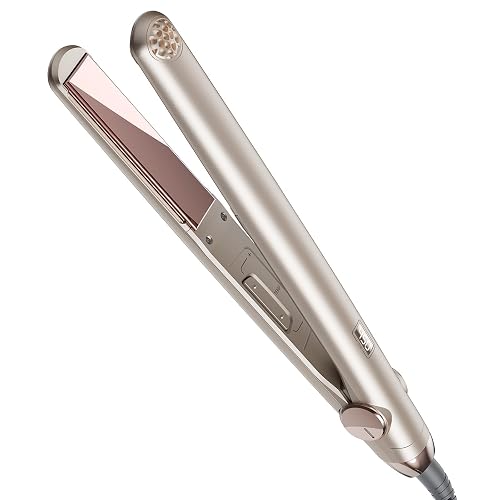
TYMO Flat Iron Hair Straightener 1 Inch

DORISILK 500 Degree High Temp Professional Hair Straightenr Ceramic Wide Flat Iron
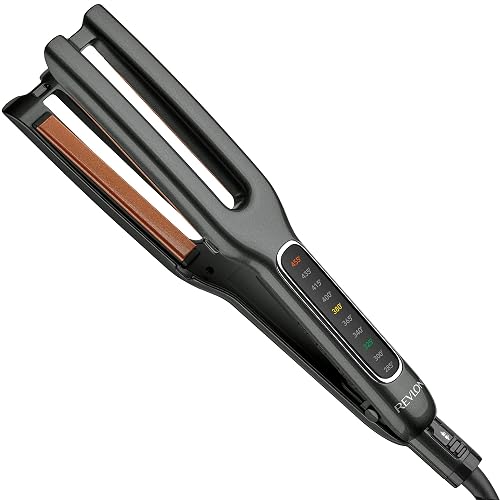
Revlon Double Straight Copper Ceramic Dual Plate Hair Straightener
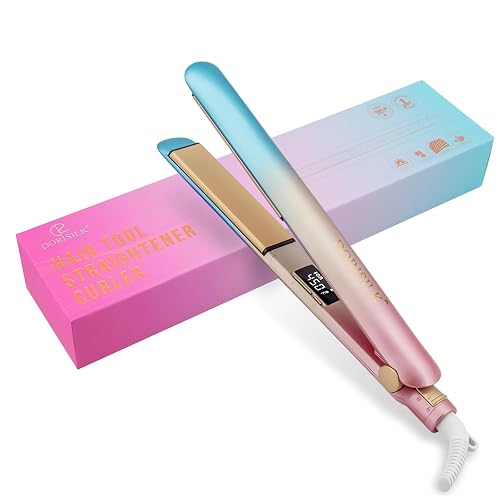
DORISILK Colorful Flat Iron 450 Degrees Ceramic Hair Straightener and Curler
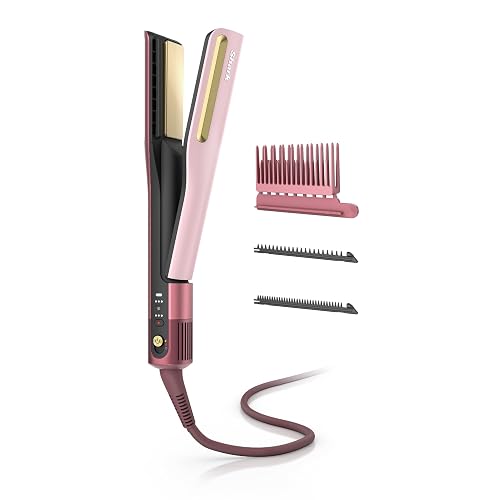
Shark SilkiPro Air Straightener Blow Dryer Flat Iron HT400PK
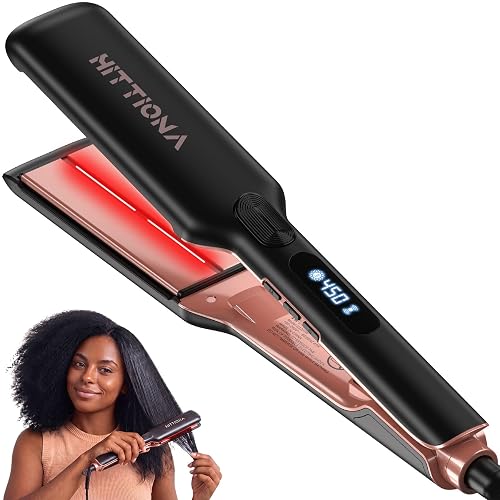
HITTIONA 1.75 Wide Plate Ceramic Hair Straightener

Dyson Airstrait Straightener Wet to Dry Hair Straightener
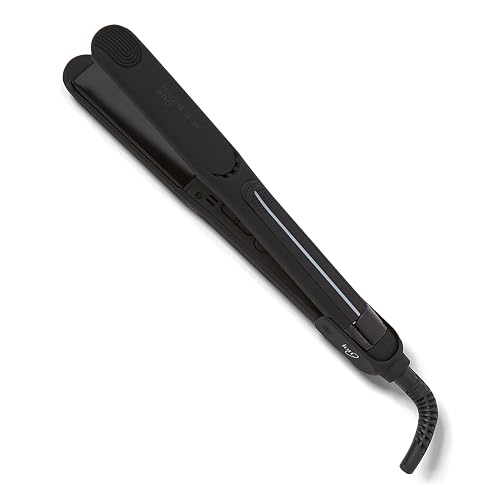
Ion Magnesium Flat Iron 1 Inch
More Details On Our Top Picks
The TYMO option makes sense for anyone who wants a compact straightener that still looks ready for daily use. The 1-inch format is easy to maneuver near the roots, and the titanium plates usually suit people who want quicker glide through sections without a bulky tool in the hand.
The LED display, 32 temperature settings, 10-second heat-up, and dual voltage give it a practical travel profile, especially for commuters and frequent packers. The trade-off is simple, smaller tools can take longer on very dense hair, so this one feels best for neat touch-ups, bangs, and shoulder-length styling.
Strong Points
- Titanium plates help the tool move smoothly through sections.
- Ten-second heat-up suits rushed mornings.
- Dual voltage makes it easier to pack for trips.
- LED readout helps you keep track of the heat setting.
- One-inch width gives better control near roots and ends.
Small Caveats
- Smaller plate size can mean extra passes on very dense hair.
- The travel-first shape is less spacious than wider salon-style tools.
- Staying on top of the chosen temperature matters more on finer strands.
Feature Snapshot
Who It Suits Best
You’ll get the most from this one if you travel often, need quick styling before work, or want a slimmer iron for everyday touch-ups.
Where A Sibling Pick Shines
HITTIONA 1.75 Wide Plate Ceramic Hair Straightener fits better for thick, long hair that needs more coverage per pass.
This DORISILK model leans harder into heat and coverage than the TYMO pick above. The wide ceramic plate is the part that stands out, because broader contact usually helps you move through thicker sections with less fuss, and the 2-in-1 shape gives you a smoother route from straight styles to soft bends.
The 500-degree ceiling will matter most to people with coarse or stubborn hair who want a tool that doesn’t feel timid. The honest read is that high heat is useful only with careful handling, so this is a better match for experienced stylers who already know how to work in smaller sections.
What We Like
- Wide ceramic plates help cover more hair at once.
- High heat range gives you plenty of room for resistant textures.
- Two-way styling suits straight looks and gentle curls.
- Ceramic plates usually feel friendlier than harsher metal surfaces.
Things To Consider
- The highest heat setting needs careful judgment on fragile strands.
- Wider plates can feel less nimble around short layers or bangs.
- Regular cleaning matters, since styling residue can build up on ceramic surfaces.
Technical Sheet
Who Should Grab It
You’ll appreciate this model most in a routine that includes thick hair, coarse strands, or a desire to stretch styles with fewer passes.
Look Elsewhere When
TYMO Flat Iron Hair Straightener 1 Inch is the more sensible choice for travel packs and quick touch-ups near the roots.
The Revlon Double Straight stands out for its dual-plate layout, which is a smart design when you want coverage without moving into oversized territory. Four half-inch plates are meant to shorten styling time, and that matters in a busy bathroom where you want smoother hair without lingering at the mirror.
Compared with the DORISILK wide-plate option, this one feels a little more mainstream and easier to fit into an everyday rhythm. The trade-off is that narrow sections may still require some patience, but for many home routines that’s a fair exchange for simpler handling and less bulk.
Best Bits
- Dual plates help cover more hair with each pass.
- Half-inch plate segments can cut down styling time.
- Helpful for smoother results on everyday hair routines.
- Compact enough to feel familiar for most home users.
Worth Noting
- Dual-plate styling can take a little practice to guide evenly.
- Very dense hair may still need smaller sections.
- Plate edges and hinges should be kept clean for smoother operation.
Core Details
Made For
You’ll get the best fit from this one if you want a familiar straightener shape with a bit more coverage than a standard single-plate tool.
Another Choice May Suit
DORISILK 500 Degree High Temp Professional Hair Straightenr Ceramic Wide Flat Iron is the better route for very thick or resistant textures.
This DORISILK unit takes a simpler route than the higher-heat model above, and that can be a relief for routine styling. The 1-inch size usually makes it easier to control, especially near the crown or around face-framing layers, while the 2-in-1 format adds flexibility for a little bend at the ends.
Fast warmup is the feature that will matter most on rushed mornings, though the real value comes from having a tool that feels manageable in an ordinary home setup. The trade-off is that people with very dense hair may want something broader, but for typical day-to-day styling this one stays pleasantly straightforward.
Upsides
- One-inch width gives you better control for detailed sections.
- Fast heat-up helps reduce waiting around.
- Two-way styling adds flexibility without extra tools.
- Dual voltage helps with travel planning.
- Fits well in a basic home grooming routine.
Areas To Watch
- Very thick hair may need more time than wider plates allow.
- Colorful finishes can show wear more quickly with rough storage.
- Frequent users will want to wipe away styling buildup regularly.
At A Glance
The Right Fit
This suits you best for regular home styling, especially when you want a simple tool that still allows straightening and shaping.
Swap It Out When
HITTIONA 1.75 Wide Plate Ceramic Hair Straightener is the stronger match for dense, long hair that needs broader contact.
This Shark model takes a different path from the plate-first tools above, because it combines air styling with straightening in one setup. The smoothing combs and HeatSense ceramic plates point toward a more guided finish, which can appeal to people who want a neater look without juggling a blow dryer and a separate flat iron.
That setup can save counter space and simplify the routine, especially on mornings when you want one tool to do several jobs. The catch is that a 3-in-1 design asks you to learn a slightly different flow, so it makes the most sense for someone who values convenience over the simplest possible controls.
What We Like
- Combines drying and straightening in one tool.
- Smoothing combs help guide hair through the styling path.
- Useful for shrinking the number of tools on the counter.
- Ceramic plates suit a polished finish.
Minor Gripes
- 3-in-1 design can take more learning than a standard flat iron.
- Anyone who wants a simple clamp-and-go tool may prefer a classic straightener.
- Moving parts and attachments usually need a little extra cleaning attention.
Feature Card
Whose Shelf It Belongs On
This belongs with you if you want fewer separate styling tools and prefer a more streamlined routine.
Reach For A Different Pick When
Revlon Double Straight Copper Ceramic Dual Plate Hair Straightener is easier to learn for anyone who wants a more familiar layout.
The HITTIONA model is clearly built for more demanding hair, and the 1.75-inch plate width tells you that right away. That broader surface can make a real difference in a busy morning routine, because it lets you move through longer sections with less repetition than a narrower iron like the TYMO or DORISILK 1-inch picks.
Infrared, ionic, and sonic vibration features point to a more advanced styling approach, especially for people who spend time smoothing thick or coarse hair. One thing worth considering is that a tool with this much going on tends to reward a little patience at first, but it can make sense for at-home silk press routines where coverage matters more than portability.
Bright Spots
- Wide plates help cover dense hair more efficiently.
- Infrared styling is aimed at a more controlled heat path.
- Ionic support is useful for people focused on reducing visible puffiness.
- Sonic vibration adds a distinctive styling assist.
- Fast heat-up suits long, structured routines.
Softer Spots
- Wide plates feel less nimble around short layers and bangs.
- Advanced features can make the tool feel more specialized than basic irons.
- Storage takes more room than a slim travel iron.
Details At A Glance
Built With In Mind
You’ll be happiest with this one if your hair is long, dense, or takes time to smooth into place.
Where Shoppers Go Wrong
TYMO Flat Iron Hair Straightener 1 Inch is the better fit for travel-first routines and quick root-level touch-ups.
The Dyson Airstrait takes a very different approach from every plate-based option in this roundup, because it works as a wet-to-dry straightener. That matters in real life for anyone who wants to shorten the gap between washing and styling, and the lack of hot plates may appeal to people who prefer less direct contact on delicate lengths.
It’s an especially strong fit for all hair types in routines where you want one tool to do a lot of the heavy lifting. The trade-off is that this style of tool asks for a larger budget and a different technique, so it suits people who genuinely want the workflow more than the familiar clamp of a classic flat iron.
Highlights
- Wet-to-dry styling can simplify a multi-step routine.
- No hot plates means less direct plate contact.
- Useful for people who want a smoother transition after washing.
- Fits a wide range of hair types.
Points To Note
- The learning curve is different from a standard iron.
- More specialized design usually takes more space in a drawer or case.
- Anyone attached to classic clamp-style control may prefer a traditional straightener.
Core Details
Perfect Match For
You’ll suit this best if you want a more modern wet-to-dry routine and don’t mind learning a different styling motion.
Skip It When
Ion Magnesium Flat Iron 1 Inch is the easier choice for someone who wants a classic straightener with a familiar feel.
Ion’s 1-inch flat iron feels like the steady middle ground in this list, sitting between the travel-friendly TYMO and the wider HITTIONA. The ceramic tourmaline surface and patented Korean magnesium technology point to a more specialized construction, which may appeal to people who want a familiar iron with a bit more material science behind it.
That said, the practical appeal comes from control rather than flash. You get a standard width that suits many lengths and textures, and that makes it a sensible pick for someone who wants a dependable everyday tool without stepping into the more unusual form factor of the Dyson or Shark options.
Best Bits
- One-inch width gives good day-to-day handling.
- Ceramic tourmaline suits smoother styling passes.
- Magnesium-based construction adds a distinctive materials story.
- Works well for general home use and touch-ups.
Room For Improvement
- The feature set is more straightforward than the most advanced picks here.
- People with very thick hair may want broader plates.
- Like most flat irons, it benefits from regular wipe-downs after styling.
Feature Rundown
Who Will Love This
This fits you well if you want a straightforward straightener for regular at-home styling and prefer a standard size.
Not Your Match When
HITTIONA 1.75 Wide Plate Ceramic Hair Straightener is the smarter choice for dense, long hair that needs broader coverage.
How To Choose The Right Straighteners for Damaged Hair
Plate Material, Heat Control, And Glide
Damaged hair usually responds better to controlled heat and surfaces that move cleanly through the strand. Ceramic and ceramic-tourmaline options tend to suit smoother, steadier styling, while titanium often appeals to people who want quicker glide and fast heat response.
The temperature range matters just as much as the surface material. More settings give you finer control, which helps when the ends are fragile but the roots need more coaxing, and a display can make that process easier to manage without guessing.
High heat is not automatically better. It’s more sensible to match the tool to your texture, because fine or color-treated hair usually needs a gentler approach than dense or coarse hair.
Plate Width And Hair Length
One-inch plates suit detail work, short layers, bangs, and travel bags. They also let you get close to the roots without wrestling a large tool around the face.
Wider plates help when your hair is long, thick, or prone to taking forever section by section. That broader contact can reduce passes, which matters because repeated clamping often makes styling feel more tiring than it needs to.
For shoulder-length hair with mixed density, a mid-size iron often feels like the easiest middle ground. It’s a bit like picking the right brush, the shape matters as much as the brand on the handle.
Routine Fit, Storage, And Handling
Some straighteners are built for quick touch-ups, while others suit more deliberate smoothing sessions at home. Dual voltage, fast heat-up, and slimmer bodies help with travel and busy mornings, while larger or multi-function tools make more sense for longer, slower routines.
Handling matters too. A good grip, a readable display, and a body that doesn’t feel awkward in the hand can make the difference between a smooth morning and a fussy one.
Think about storage and upkeep as part of the purchase, not after it. Wider or more advanced designs usually need more drawer space and a little more cleaning care, especially around plates, hinges, or comb attachments.
What To Weigh Before You Choose
Mistakes Worth Dodging
Many people focus only on maximum heat and ignore plate width, which leads to tools that feel wrong for their length or density. Another common miss is choosing a feature-heavy model that sounds impressive but doesn’t match the actual routine.
It also helps to avoid buying on shape alone. A compact iron works well for travel and touch-ups, but it can feel slow on thick hair, while a wide-plate tool can feel clumsy on short layers.
Where The Extra Money Goes
Higher-tier straighteners often spend the budget on better materials, more controlled heat systems, or designs that do more than one job. That can mean ceramic-tourmaline surfaces, faster warmup, wet-to-dry capability, or a body shape that handles less direct contact.
The upgrade makes sense when your hair takes time to smooth, your routine is frequent, or you want fewer passes and a more polished finish. For occasional touch-ups, a simpler tool usually makes more sense and keeps the learning curve low.
Frequently Asked Questions
Are straighteners for damaged hair supposed to use lower heat?
Lower or more carefully controlled heat usually suits fragile strands better than cranking the setting to the top. The right range depends on texture, thickness, and how much smoothing your hair actually needs.
Which plate material feels gentler for regular styling?
Ceramic and ceramic-tourmaline are common choices for smoother contact and more even heat spread. Titanium can still work well, but it usually appeals more to people who want quicker glide and stronger heat response.
Do wider plates help with damaged hair?
Wider plates help you cover more hair in each pass, which can reduce repeated clamping on long or thick hair. They’re less convenient for bangs, short layers, and close root work.
Is a wet-to-dry straightener worth considering?
It makes sense for you if you want one tool to bridge the gap between damp hair and a finished style. The trade-off is a different technique, so it suits people who like that workflow rather than a classic flat iron feel.
How should you store a straightener used on fragile hair?
Store it only after it cools, then keep the plates clean so residue doesn’t build up. A protective pouch or a dedicated drawer spot helps reduce scuffs and tangled cords.