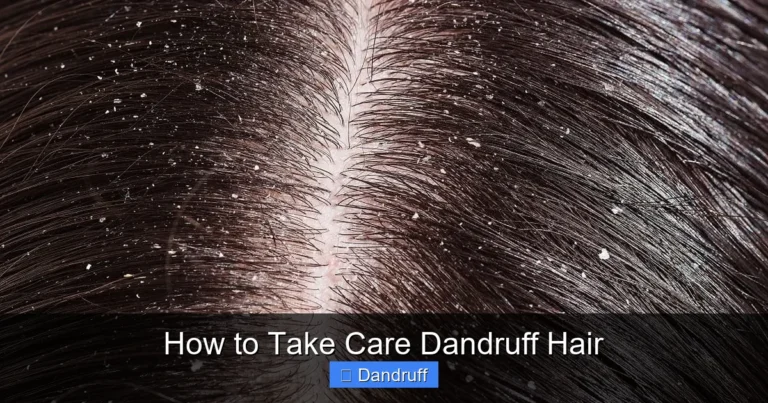
How to Take Care of Dandruff Naturally | Understanding Dandruff
Dandruff is one of the most common scalp concerns worldwide. Those white flakes on your shoulders, the constant itch, and an irritated scalp can be frustrating and embarrassing.
While medicated shampoos can help, many people prefer natural dandruff remedies that are gentle, affordable, and effective for long-term scalp health.
This guide explains why dandruff happens, and gives you a step-by-step natural routine supported by dermatology insights and traditional remedies that actually work.
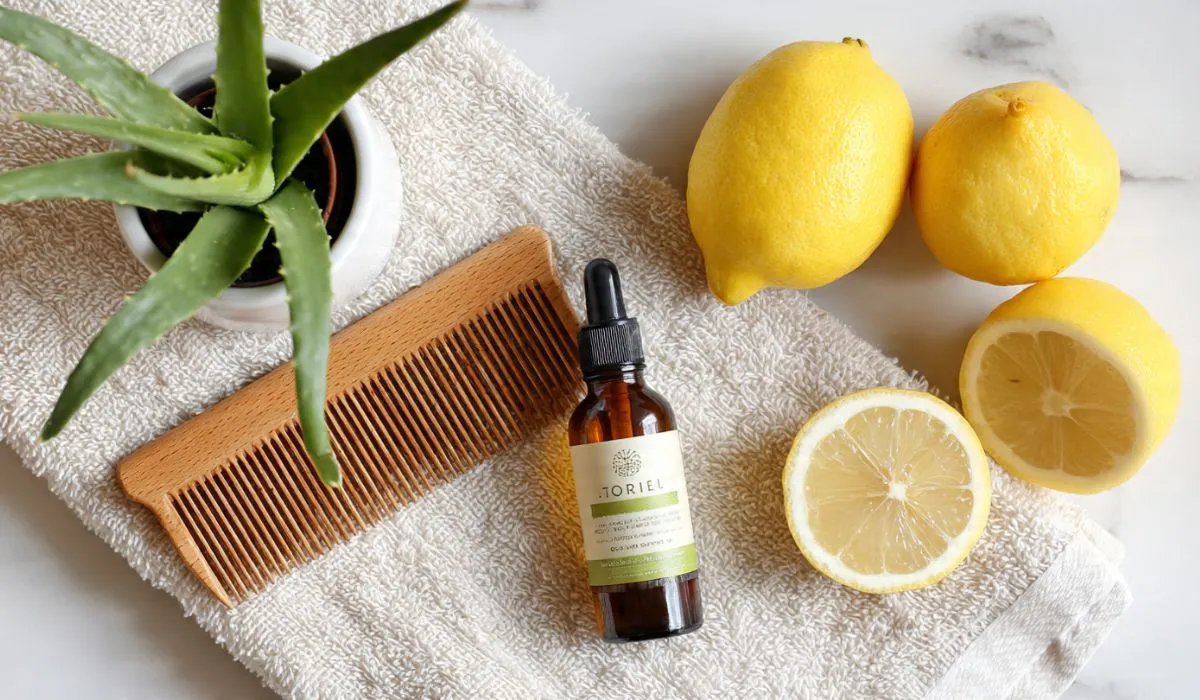
What Is Dandruff and Why Does It Happen?
Dandruff is usually linked to a scalp condition called Seborrheic dermatitis. It’s often driven by an overgrowth of a yeast called Malassezia that naturally lives on the scalp. When it multiplies, it irritates the skin and speeds up skin cell turnover—leading to flakes.
Common triggers
- Oily scalp
- Poor scalp hygiene
- Stress and lack of sleep
- Cold, dry weather
- Harsh hair products
- Nutrient deficiencies
- Hormonal changes
The goal of natural care is to rebalance the scalp microbiome, reduce inflammation, and control excess oil—without harsh chemicals.
Step-by-Step Natural Routine to Remove Dandruff:
Step 1: Improve Your Scalp Cleansing Habit
A dirty scalp feeds yeast growth.
What to do
- Wash hair 2–3 times weekly with a mild, sulfate-free shampoo
- Massage the scalp gently for 2–3 minutes
- Rinse thoroughly (leftover product worsens flakes)
Avoid very hot water; it dries the scalp and increases irritation.
Read Next: How to Take Care of Dandruff Scalp | Use Anti-Dandruff
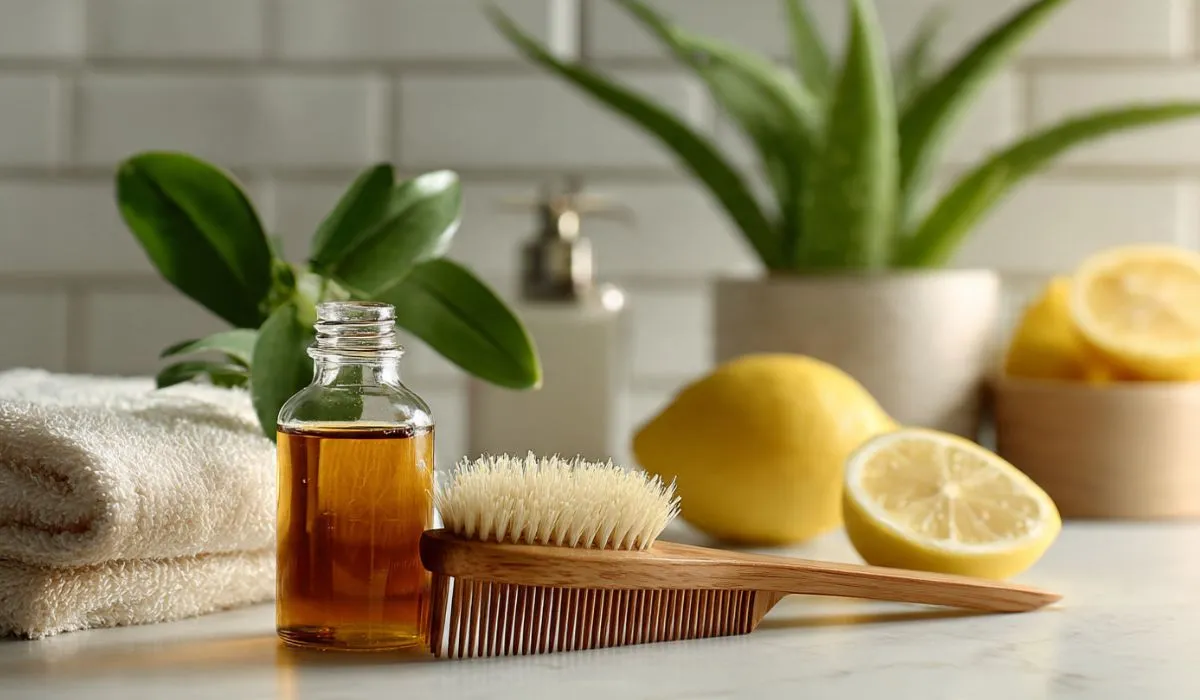
Step 2: Coconut Oil + Lemon Treatment (Antifungal + pH balance)
Coconut oil contains lauric acid with natural antifungal properties. Lemon restores scalp pH.
How to use
- Warm 2 tablespoons coconut oil
- Add 1 teaspoon fresh lemon juice
- Massage into scalp for 10 minutes
- Leave for 30 minutes, then wash
Use twice weekly.
Step 3: Aloe Vera Scalp Therapy (Soothes Itch & Redness)
Aloe vera reduces inflammation and calms irritated skin.
How to use
- Apply fresh aloe gel directly to scalp
- Leave for 30 minutes before washing
- Repeat 2–3 times weekly
Step 4: Apple Cider Vinegar Rinse (Controls Yeast Growth)
Apple cider vinegar is a powerful natural antifungal that restores scalp acidity.
How to use
- Mix 1 part ACV with 2 parts water
- Pour over scalp after shampoo
- Leave 5 minutes, rinse with water
Do once weekly.
Step 5: Tea Tree Oil Treatment (Dermatologist-Recommended)
Studies show tea tree oil helps reduce dandruff due to its antifungal action.
How to use
- Add 8–10 drops to your shampoo
- Or mix with a carrier oil and massage into scalp
Use twice weekly.
Step 6: Yogurt Hair Mask (Probiotic scalp care)
Yogurt contains probiotics that fight dandruff-causing microbes.
How to use
- Apply plain yogurt to scalp
- Leave 20 minutes
- Rinse with mild shampoo
Step 7: Fenugreek (Methi) Paste (Traditional remedy)
Fenugreek seeds reduce flakes and itching.
How to use
- Soak 2 tablespoons seeds overnight
- Grind into paste
- Apply to scalp for 30 minutes
- Wash off
Step 8: Eat for a Healthy Scalp (Internal care)
Your diet affects dandruff more than you think.
Add these foods
- Leafy greens (zinc, iron)
- Nuts and seeds (vitamin E)
- Eggs (biotin)
- Fatty fish (omega-3)
- Fruits rich in vitamin C
Drink 8–10 glasses of water daily.
Step 9: Reduce Stress and Improve Sleep
Stress worsens seborrheic dermatitis and dandruff flare-ups.
- Sleep 7–8 hours
- Practice light exercise or walking
- Try meditation or deep breathing
Weekly Natural Dandruff Care Schedule:
| Day | Treatment |
|---|---|
| Monday | Coconut oil + lemon massage |
| Wednesday | Aloe vera treatment |
| Friday | Yogurt mask |
| Sunday | Fenugreek paste + ACV rinse |
What Dermatologists Recommend:
Dermatologists commonly suggest:
- Keeping the scalp clean and dry
- Using natural antifungals like tea tree oil
- Avoiding heavy hair styling products
- Not scratching the scalp
- Supporting natural care with occasional medicated shampoo if severe
Natural care works best for mild to moderate dandruff and long-term maintenance.
Mistakes That Make Dandruff Worse:
- Oiling the scalp and not washing properly
- Using very hot water
- Scratching with nails
- Sharing combs and towels
- Using too many hair products
- Ignoring diet and hydration
Signs Your Dandruff Needs Medical Attention:
If you notice:
- Thick yellow scales
- Red patches beyond scalp
- Severe itching
- Hair loss with flakes
Consult a dermatologist. It may be severe **Seborrheic dermatitis or psoriasis.
Benefits of Natural Dandruff Remedies:
- Chemical-free scalp care
- Long-term balance of scalp oils
- Reduces itching and redness
- Safe for sensitive skin
- Budget-friendly
- Improves overall hair health
Frequently Asked Questions (FAQs):
1. How long does it take to remove dandruff naturally?
You may see improvement in 2–3 weeks with consistent care.
2. Can I oil my hair if I have dandruff?
Yes, but wash properly. Leaving oil too long worsens flakes.
3. Is dandruff caused by dryness?
Not always. Often it’s due to oily scalp and yeast overgrowth.
4. How often should I wash dandruff-prone hair?
2–3 times weekly is ideal.
5. Does lemon remove dandruff permanently?
It helps control it but must be used regularly with other steps.
6. Can diet really reduce dandruff?
Yes. Nutrient deficiencies can trigger scalp issues.
7. Is tea tree oil safe for all?
Dilute before use. Do a patch test if you have sensitive skin.
Final Thoughts:
Dandruff is not just a cosmetic issue—it’s a sign that your scalp needs balance. With the right natural routine, you can control flakes, soothe itching, and restore a healthy scalp environment.
Consistency is the key. Follow the steps, maintain scalp hygiene, eat well, and your dandruff will gradually reduce—naturally and safely.