
8 Best Moisturizers after Exfoliating: Calm, Smooth, and Restore
After exfoliating, your skin usually needs two things at once, relief and steady moisture. The right lotion or cream helps keep that freshly polished feel from turning tight, flaky, or irritated by the end of the day.
This roundup covers body formulas, foot creams, and one face moisturizer for people who want a gentler finish after acids, scrubs, or rough-skin routines. Some are built for daily all-over use, while others focus on heels, KP-prone texture, or a sensitive face that still wants resurfacing support.
Quick Look At The Shortlist

Cetaphil Skin Activator Firming Body Lotion AHA & CICA 16 Fl Oz

Naturium The Smoother Glycolic Acid Body Lotion 10% Glycolic Acid 8 oz

60% Urea Cream Stick plus 2% Salicylic Acid 1.4 oz
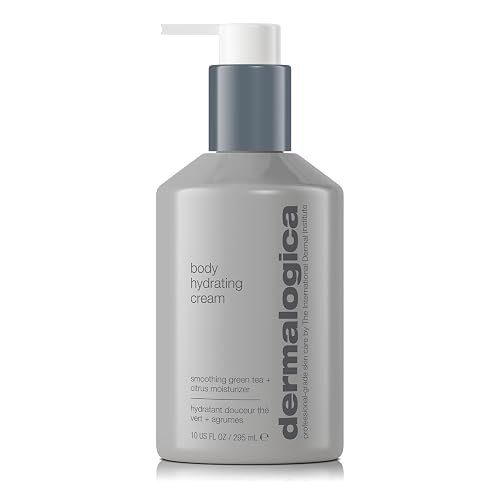
Dermalogica Body Hydrating Cream 10 fl oz
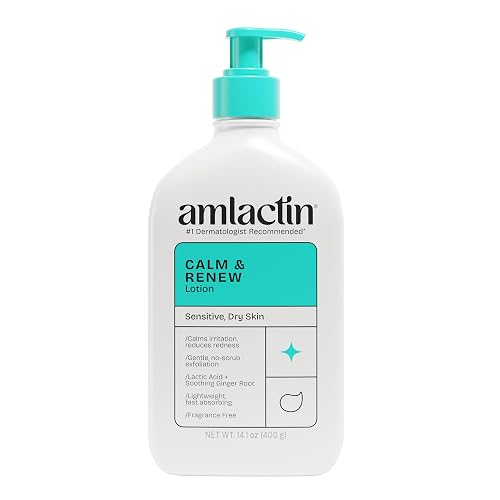
AmLactin Calm & Renew Lotion Sensitive Dry Skin 14.1 oz

Saltair KP Body Milk AHA BHA Milky Toner 10oz
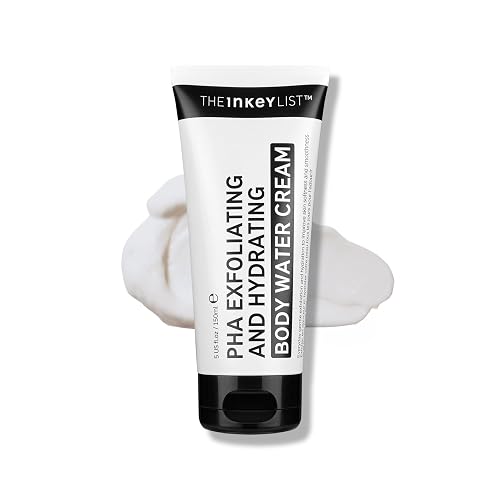
The INKEY List PHA Body Water Cream 5 fl oz
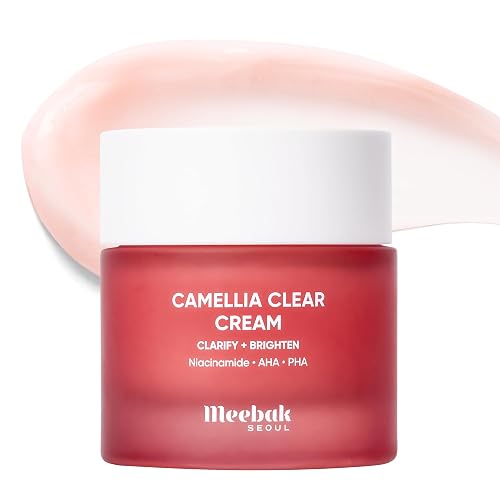
Meebak Camellia Clear Cream 5% Niacinamide
More Details On Our Top Picks
Cetaphil keeps this one pointed at dry, mature body skin rather than at a quick cosmetic gloss. The mix of mandelic acid AHA, which is an alpha hydroxy acid used for surface smoothing, and Centella asiatica, often shortened to CICA, gives it a more calming profile than the sharper acid-heavy lotions in this list.
That balance matters after exfoliating, because you usually want moisture first and extra sting last. In most bathrooms, this makes more sense for arms, legs, chest, and anywhere that feels a little slack or rough, while the 16 fl oz size suits a steady routine better than a tiny spot-treatment tube.
Strong Points
- Body-first formula suits wider areas without feeling narrowly specialized.
- Mandelic acid brings a gentler resurfacing touch than harsher acids often do.
- CICA adds a soothing angle that helps the lotion feel less aggressive.
- The larger bottle works well for daily use on dry limbs.
Things To Consider
- It leans more toward maintenance than heavy spot correction.
- Dry, flaky patches may still need a thicker layer on top at night.
- The body format does not suit face care.
Feature Snapshot
Who It Suits Best
People who want a body lotion that smooths and moisturizes without feeling severe will get the most from it.
A Better Fit Elsewhere
Naturium The Smoother Glycolic Acid Body Lotion suits you better when your main goal is more direct resurfacing on rougher patches.
This pick leans harder into resurfacing than Cetaphil’s more comfort-first approach. With 10% glycolic acid, an alpha hydroxy acid known for surface exfoliation, it speaks to people who want rougher body texture handled by the lotion itself instead of by a separate step.
The 8 oz bottle makes sense for a focused routine, especially on upper arms, thighs, or elbows where texture tends to stand out. The trade-off is simple, it asks for more care than a plain moisturizer, so very sensitive skin may prefer a gentler starting point.
Highlights
- 10% glycolic acid gives it a more assertive smoothing profile.
- Works well for patchy roughness that needs ongoing resurfacing.
- Compact size fits a targeted shelf or travel pouch.
- Simple single-step body care saves you from layering extra exfoliants.
Worth Noting
- The stronger acid level can feel like too much for delicate skin.
- Smaller size runs through faster than the larger body lotions here.
- It rewards consistent use, not an occasional dab.
Core Details
Who Will Love This
People dealing with rough, bumpy body skin and comfortable using acids regularly will appreciate the direct approach.
Another Choice May Suit
AmLactin Calm & Renew Lotion fits better for sensitive dry skin that wants a softer acid profile and a calmer finish.
Compared with the body lotions above, this one is far more focused on thick buildup. Urea is a humectant and softening ingredient that helps draw in moisture while loosening hardened skin, and the 2% salicylic acid gives the stick extra edge for calluses on heels, hands, or knees.
The stick format makes application tidy in a gym bag or work tote, though the 1.4 oz size tells you it is built for targeted use rather than all-over coating. For cracked heels or stubborn rough patches, that narrow focus is exactly the point, even though it does not replace a full body lotion.
Best Bits
- High urea level targets dense, stubborn roughness.
- Stick form keeps application more controlled and less messy.
- Works on heels, hands, and knees without feeling oversized.
- Pairs moisture with exfoliating support in one compact piece.
Small Caveats
- The concentrated formula is more specialized than a general moisturizer.
- The small stick needs replacing sooner with frequent use.
- It may feel too intense for skin that only needs light smoothing.
Technical Sheet
Built With In Mind
People dealing with calluses or very dry pressure points will get the most value from it.
Swap It Out When
Saltair KP Body Milk is the better call for larger areas that need gradual smoothing rather than a concentrated callus treatment.
After the stronger acid story from Naturium and the focused heel care of flasture, this one feels more measured. Lactic acid is an alpha hydroxy acid that can help with gentle surface smoothing, while lavender adds a calmer scent profile and the body cream format keeps the finish more polished than greasy.
That makes it a sensible middle ground for daily body care in a shower-after-work routine, especially when you want hydration without a heavy film on clothing. The honest read is that it suits people who prefer a softer all-over cream more than a specialist treatment.
Upsides
- Lightweight body cream feel works well under clothes.
- Lactic acid adds subtle smoothing without pushing too hard.
- Lavender note gives the formula a calmer, spa-like character.
- All-skin-types positioning makes it easy to slot into a shared bathroom.
Areas To Watch
- It is less targeted than the stronger acid and urea picks.
- People seeking intense roughness care may want something more concentrated.
- The scent angle may not suit every household preference.
Details At A Glance
The Right Fit
People who want a smoother-feeling body lotion with modest exfoliating support will be comfortable here.
Where A Sibling Pick Shines
Natrium The Smoother Glycolic Acid Body Lotion is the stronger move for anyone who wants a firmer resurfacing step.
AmLactin sits close to the Dermalogica cream in purpose, but the focus shifts toward sensitive dry skin that still wants gentle exfoliation. Lactic acid handles the smoothing side, while ginger root gives the formula a softer botanical angle that helps it feel less clinical.
That combination works well after a scrub, shave, or acid toner routine, especially for arms and legs that need moisture without a heavy occlusive feel. The 14.1 oz bottle is a good household size, though very reactive skin may still prefer a slower start.
Reasons To Buy
- Made for sensitive dry skin rather than broad, generic body care.
- Lactic acid gives steady exfoliating support for rough patches.
- Ginger root adds a softer feel to the formula profile.
- Mid-size bottle suits regular use on multiple body zones.
Minor Gripes
- Sensitive skin still needs a careful first use pattern.
- It does not target very thick buildup as aggressively as urea-based options.
- The body lotion format keeps it out of face territory.
Spec Overview
Whose Shelf It Belongs On
People with dry skin that reacts badly to harsher body treatments will appreciate the softer hand here.
Look Elsewhere When
The INKEY List PHA Body Water Cream is a better fit for shoppers who want a lighter texture and a smaller footprint.
Saltair is the most layered body formula in this group, and that’s obvious from the ingredient mix alone. Glycolic acid and salicylic acid work alongside urea, so the lotion aims at rough, bumpy skin from more than one angle instead of leaning on a single exfoliant.
That makes it especially appealing for keratosis pilaris prone arms or thighs where texture tends to be stubborn and uneven. The milky toner texture suggests a lighter glide than a thick cream, though a multi-acid blend also means you should treat it as a more serious body treatment than a standard moisturizer.
Bright Spots
- Uses glycolic acid, salicylic acid, and urea in one formula.
- Targets rough, bumpy skin across broader body areas.
- Milky texture should spread easily in a daily routine.
- Works well for people who prefer one product over layering several.
Softer Spots
- The acid blend can feel like too much for skin that only needs mild upkeep.
- It asks for consistency to make sense in a routine.
- The milky format may not feel rich enough for very dry winter skin.
Core Details
Who Should Grab It
People focused on KP-prone texture and willing to use a multi-acid body formula regularly will get the most from it.
Reach For A Different Pick When
Cetaphil Skin Activator Firming Body Lotion makes more sense for dry body skin that wants a gentler, more comfort-first path.
After Saltair’s heavier multi-acid approach, this one feels much easier to live with. PHA, or polyhydroxy acid, is a gentler resurfacing acid, and the water-cream texture keeps the lotion light enough for humid climates, layering under clothes, or quick morning use.
That lighter build suits people who want surface smoothing without a heavy finish, especially on arms, chest, or any area that gets sticky under a thick cream. The small 5 fl oz size is tidy and portable, but it does mean you’ll go through it faster than the larger body bottles here.
Positives
- Light water-cream texture sits comfortably on skin.
- PHA offers a gentler exfoliating route than harsher acids.
- Small bottle is easy to pack or keep in a gym bag.
- Works neatly for quick routines and warmer weather.
Room For Improvement
- The small size can run out quickly with full-body use.
- It is less suited to thick calluses or very rough patches.
- People wanting a richer night cream may find it too airy.
At A Glance
Perfect Match For
People who want a lighter exfoliating moisturizer for everyday body maintenance will fit this well.
Where Shoppers Go Wrong
Dermalogica Body Hydrating Cream is the safer pick for anyone who wants a fuller cream texture and a larger bottle.
This is the face-focused option in a body-heavy lineup, and that matters for anyone who wants exfoliating support without moving into a body lotion. Niacinamide is a skin-care staple used for oil balance and tone support, while ceramides help support the skin barrier, so the formula leans more polished than aggressive.
It fits best for daily face care, especially where pores, uneven texture, or a shiny T-zone are part of the picture. Compared with the body picks above, the smaller face-cream format is more specialized, and that’s a strength for your routine rather than a drawback.
What We Like
- Face cream format makes it easier to target facial texture.
- Niacinamide, PHA, and AHA create a layered smoothing approach.
- Ceramides add a more comfort-focused finish for daily use.
- Useful for people who want one cream for tone and texture support.
Honest Caveats
- It is for the face, not a body-wide routine.
- People wanting a richer body moisturizer should look elsewhere.
- Multiple actives can feel like more than very minimal skin care calls for.
Feature Rundown
Made For
People who want a face moisturizer that handles texture, tone, and daily comfort in one step will appreciate it.
A Better Fit For
Saltair KP Body Milk is a stronger match for rough body skin that needs broader area smoothing rather than a face cream.
How To Choose The Right moisturizers after exfoliating
Match The Exfoliant To Your Skin’s Tolerance
The first thing to weigh is how hard the exfoliating step already worked. Glycolic acid, salicylic acid, urea, and PHA all smooth in different ways, and the stronger the formula, the more careful your moisturizing layer should be afterward.
People with dry limbs or thicker buildup usually handle a stronger body lotion better than someone with reactive skin on the face or chest. A gentler pairing, like lactic acid with a calmer cream base, often feels easier to live with for daily use.
Choose Texture For The Area You Treat
Body skin often likes a lotion or milk that spreads fast over arms, legs, and shoulders. Face skin usually needs a cream with a lighter, more controlled finish so it doesn’t feel heavy by midday.
A stick format works well on heels and elbows because it keeps the product exactly where you want it. Water-cream textures suit humid weather, while richer creams make more sense for dry evenings or indoor heating season.
Think About Skin Goal, Not Just Moisture
Some moisturizers after exfoliating are mainly about comfort, while others are meant to keep working on texture. If you want softer-feeling skin with less roughness, formulas with acids, urea, or niacinamide can do more than a plain lotion.
That extra activity comes with a trade-off: more active formulas usually need more consistency and a little more patience. For a simple post-scrub reset, a milder cream may fit better than a treatment-style lotion.
Size And Routine Matter More Than They Seem
A large bottle fits full-body care and frequent use, while a smaller tube or stick suits target spots and travel bags. The right size saves you from awkward refills and from using a treatment too sparingly to matter.
Think about where the moisturizer will live, too. A bathroom shelf, gym tote, or nightstand each favors a different texture and package, and that small convenience often decides whether the routine sticks.
What To Weigh Before You Commit
Mistakes Worth Dodging
One common mistake is pairing a strong exfoliant with another aggressive formula right away, which can feel like too much for delicate skin. Another is buying a face cream for body roughness, then wondering why elbows and heels still need more help.
Storage and daily access matter as well. A big lotion hidden in a drawer gets used less often than a bottle that sits where you already do your post-shower routine.
The Upgrade Payoff
Higher-tier options usually cost more because they package several useful ingredients together, like acids plus barrier support or acids plus a more elegant texture. You also tend to get better spreadability, more specialized sizing, and formulas built for specific concerns such as KP, sensitive skin, or face texture.
That upgrade makes sense when your skin needs more than basic moisture. For a simple dry-skin reset, a straightforward lotion is enough, but persistent roughness or uneven texture usually justifies paying for a more focused formula.
Frequently Asked Questions
Can You Use These Right After Exfoliating?
Yes, that’s the whole point of this category. A calmer lotion or cream helps keep skin from feeling stripped after acids, scrubs, or razors.
Are Acid-Based Moisturizers Too Strong For Daily Use?
Not always, but the strength matters. Gentler formulas are easier to use every day, while stronger ones fit better into a more measured routine.
Should You Use The Same Product On Face And Body?
That rarely makes the most sense. Face formulas are usually lighter and more targeted, while body formulas cover larger areas more comfortably.
What Texture Works Best After A Body Scrub?
A lotion or milk usually gives the easiest spread on arms and legs. A stick is more practical for heels, knees, and other small rough spots.
What Ingredient Helps Most With Rough, Bumpy Skin?
Glycolic acid, salicylic acid, urea, and PHA each help in different ways. The right choice depends on whether your skin needs lighter smoothing or more concentrated softening.